
South Korea launches $584B chip manufacturing initiative with Samsung, SK hynix
South Korea launches a $584B chip initiative with Samsung and SK hynix to boost AI memory production, secure tech sovereignty, and expand domestic semiconductor capacity.
Signal Snapshot
Briefing Notes
What happened and why it matters
Summary
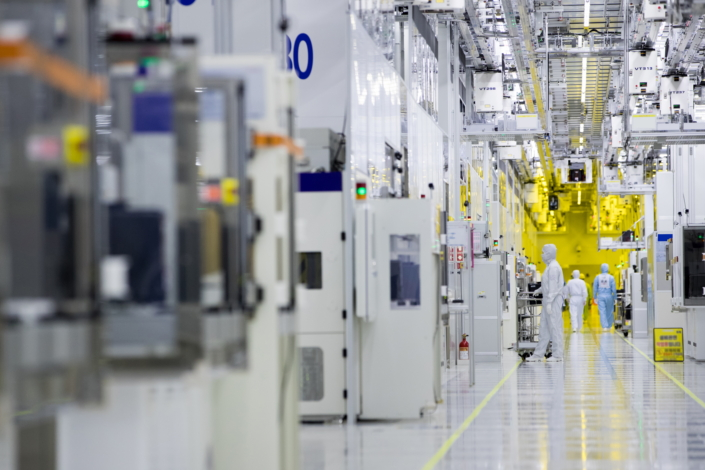
South Korea has officially unveiled a monumental $584 billion initiative aimed at solidifying its standing in the global semiconductor landscape. This strategic investment is designed to enhance the nation's technological sovereignty while directly addressing the growing influence of competitors in both Asia and North America. The core of this ambitious plan involves a tight collaboration between two domestic tech giants, Samsung Electronics and SK hynix. These companies are tasked with leading the charge in developing advanced facilities for both memory and logic chips. A significant portion of the focus is placed on expanding domestic capacity for next-generation semiconductors, particularly high-bandwidth memory (HBM), which is essential for powering modern artificial intelligence applications. By combining private sector innovation with substantial state support, the initiative seeks to accelerate research and development and rapidly scale up production lines.
Why it matters
The scale of this investment signals a critical shift in the global balance of power regarding hardware infrastructure. As artificial intelligence continues to drive demand for advanced computing capabilities, access to high-performance memory becomes a strategic asset. South Korea’s move is not merely about economic growth; it is about securing a pivotal hub status in the global supply chain. Industry analysts predict that this funding will bolster the nation's economic resilience and create thousands of high-skilled jobs. Furthermore, the initiative is expected to attract significant foreign direct investment, reinforcing the country's attractiveness as a center for high-tech manufacturing. This bold step underscores Seoul’s determination to maintain its competitive edge in a high-stakes tech race where leadership in semiconductor technology equates to geopolitical and economic strength.
Related tools
While this news pertains to national industrial policy rather than specific software tools, the resulting hardware advancements will directly impact the performance of various AI models and computational frameworks available through platforms like ToolSeekAI tools. The increased availability of high-bandwidth memory could enhance the efficiency of large language models and other AI applications listed in our AI news section.
Impact on AI tools/models
The expansion of high-bandwidth memory production is directly relevant to the AI ecosystem. Advanced memory technologies are crucial for training and running large-scale models efficiently. As South Korea ramps up production, the global supply of critical components may stabilize or improve, potentially reducing bottlenecks for developers and enterprises relying on powerful hardware. This infrastructure upgrade supports the broader goals of the rankings community, which tracks the performance and accessibility of cutting-edge AI solutions. Enhanced domestic capacity in South Korea could lead to more robust supply chains for the hardware that powers the tools we analyze daily.
What to watch
Stakeholders should monitor how this initiative influences global semiconductor pricing and availability. The collaboration between Samsung and SK hynix will be a key indicator of success in scaling production. Additionally, the impact on job creation and foreign investment in South Korea will provide insights into the broader economic effects of such massive state-backed projects. For ongoing updates on semiconductor developments and their implications for the AI industry, readers are encouraged to follow our coverage on ToolSeekAI tools and stay informed through our AI news feed. Tracking the rankings of hardware-dependent AI models will also reveal how these infrastructure changes translate into real-world performance improvements.
FAQ
Q: How much is South Korea investing in this initiative? A: The initiative involves a total investment of $584 billion.
Q: What is the main technological focus of the plan? A: The plan focuses on expanding domestic capacity for next-generation semiconductors, specifically high-bandwidth memory for AI applications.
Q: Who are the key players involved? A: Samsung Electronics and SK hynix are the primary companies leading the development of advanced chip production facilities.
Search FAQ
Frequently asked questions
FAQ
What is the primary goal of South Korea's new chip initiative?
Which companies are leading this initiative?
What type of memory is critical for this plan?
Keep Tracking
Related AI news

On theCUBE Pod: IBM’s AI test, Nvidia’s lead and the race for enterprise intelligence
IBM tests enterprise AI while Nvidia dominates accelerated computing. AMD and Broadcom vie for market share as the race for enterprise intelligence intensifies across hardware and software layers.

Hugging Face uses open-weights Z.ai GLM 5.2 to battle attacker after commercial frontier model refusal
Hugging Face detected a breach involving an attacker using agentic AI. Commercial frontier models blocked defensive requests due to strict safety guardrails. Hugging Face responded by deploying the open-weights Z.ai GLM 5.2 to counter the threat.

Anthropic settles with authors and publishers for $1.5B in landmark copyright case
Anthropic agrees to a $1.5 billion settlement with authors and publishers regarding the unauthorized use of creative works to train its Claude AI model, marking the largest copyright settlement in history.
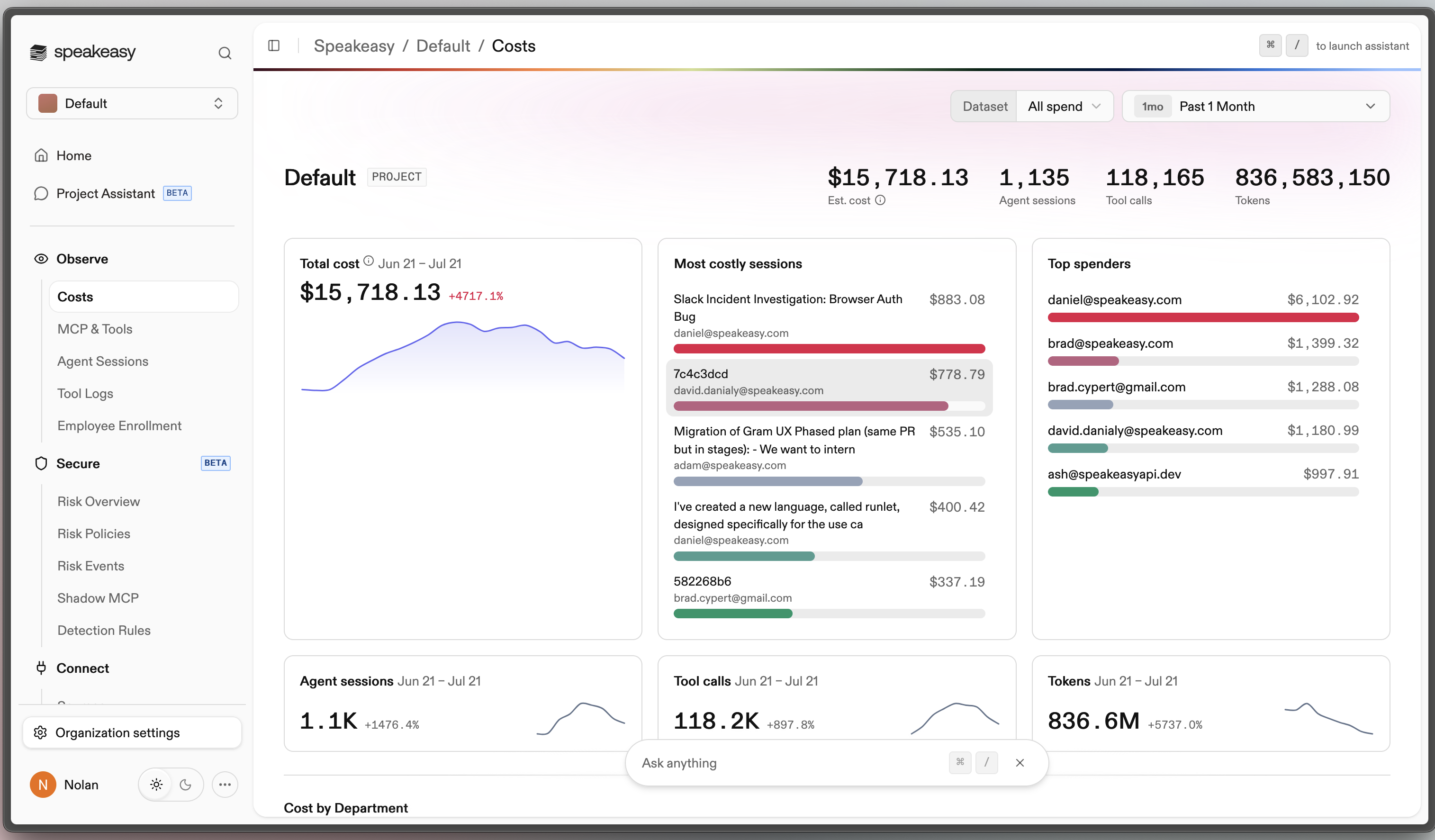
Exclusive: Speakeasy service tracks enterprise-wide AI agent spending
Speakeasy Development Inc. launched an AI cost-management service to track enterprise spending on coding agents like Claude Code, Cursor, and Codex by consolidating token usage data for financial oversight.

AI materials science startup CuspAI raises $450M in funding
UK-based AI materials science startup CuspAI secures $450M Series B funding at a $2.6B valuation, backed by Kleiner Perkins and NEA to support a chemical research consortium with Nvidia and Samsung.

Block launches Buzz, an open-source workspace for humans and AI agents
Block Inc. launched Buzz, a free open-source workspace for human-AI collaborative teams. It unifies chat, code hosting, and workflows while granting AI dedicated accounts.
Site Discovery
Keep exploring the AI ecosystem
After this brief, continue into related tools, models, and rankings to understand whether the story affects your choices.