
On theCUBE Pod: IBM’s AI test, Nvidia’s lead and the race for enterprise intelligence
IBM tests enterprise AI while Nvidia dominates accelerated computing. AMD and Broadcom vie for market share as the race for enterprise intelligence intensifies across hardware and software layers.

Signal Snapshot
Briefing Notes
What happened and why it matters
Summary
The current landscape of enterprise artificial intelligence is defined by a stark contrast between software experimentation and hardware consolidation. As highlighted in recent discussions on theCUBE Pod, IBM is actively exploring specific enterprise AI applications, signaling a shift towards practical, business-integrated solutions rather than purely theoretical advancements. Simultaneously, Nvidia continues to maintain its formidable dominance in the realm of accelerated computing, serving as the foundational engine for much of this progress. However, the market is not static; competitors like AMD and Broadcom are aggressively competing for market share, escalating the rivalry across both hardware and software tiers.
Why it matters
This dynamic represents a critical juncture for the AI industry. While Nvidia’s hold on accelerated computing suggests that the infrastructure layer remains highly concentrated, the entry and push from AMD and Broadcom indicate a growing demand for alternatives. For enterprises, this competition is vital as it may drive innovation, reduce costs, and prevent vendor lock-in. Meanwhile, IBM’s focus on enterprise applications highlights the industry’s maturation phase, where the primary challenge shifts from building models to deploying them effectively within complex corporate environments. The interplay between these giants determines the speed and direction of digital transformation across various sectors.
Related tools
- Browse AI tools for products in this space
- Model library for weights and APIs
- Rankings for curated shortlists
Impact on AI tools/models
The dominance of Nvidia implies that most high-performance AI models are currently optimized for CUDA-centric environments. This creates a barrier to entry for new tools that might prefer open standards or alternative architectures. However, as AMD and Broadcom gain traction, we can expect to see increased support for diverse hardware backends. This diversification will likely benefit developers by providing more flexibility in deployment and potentially lowering the total cost of ownership for running large-scale models. IBM’s enterprise focus further suggests that future tools will need to prioritize integration capabilities, security, and compliance over raw computational power alone.
What to watch
As the race for enterprise intelligence heats up, several key areas require close monitoring. First, the ability of AMD and Broadcom to capture significant market share from Nvidia will be a major indicator of hardware market fragmentation. Second, IBM’s success in deploying practical enterprise AI applications will set benchmarks for other software vendors. Finally, the evolving relationship between hardware providers and software developers will shape the next generation of AI tools.
For those interested in tracking these developments, the following resources are essential:
- Stay updated with the latest industry trends via AI news.
- Explore the competitive landscape by checking our rankings.
- Discover new solutions by browsing ToolSeekAI tools.
FAQ
Who is leading the accelerated computing market? Nvidia currently maintains dominance in accelerated computing, though AMD and Broadcom are actively competing for market share.
What is IBM focusing on in the AI sector? IBM is exploring enterprise AI applications, aiming to integrate intelligent solutions into business workflows.
Which companies are involved in the enterprise intelligence rivalry? The main players mentioned include IBM, Nvidia, AMD, and Broadcom, competing across hardware and software tiers.
Search FAQ
Frequently asked questions
FAQ
Who currently leads accelerated computing?
Which companies are vying for enterprise intelligence market share?
Where is the enterprise AI competition intensifying?
Keep Tracking
Related AI news

Hugging Face uses open-weights Z.ai GLM 5.2 to battle attacker after commercial frontier model refusal
Hugging Face detected a breach involving an attacker using agentic AI. Commercial frontier models blocked defensive requests due to strict safety guardrails. Hugging Face responded by deploying the open-weights Z.ai GLM 5.2 to counter the threat.

Anthropic settles with authors and publishers for $1.5B in landmark copyright case
Anthropic agrees to a $1.5 billion settlement with authors and publishers regarding the unauthorized use of creative works to train its Claude AI model, marking the largest copyright settlement in history.
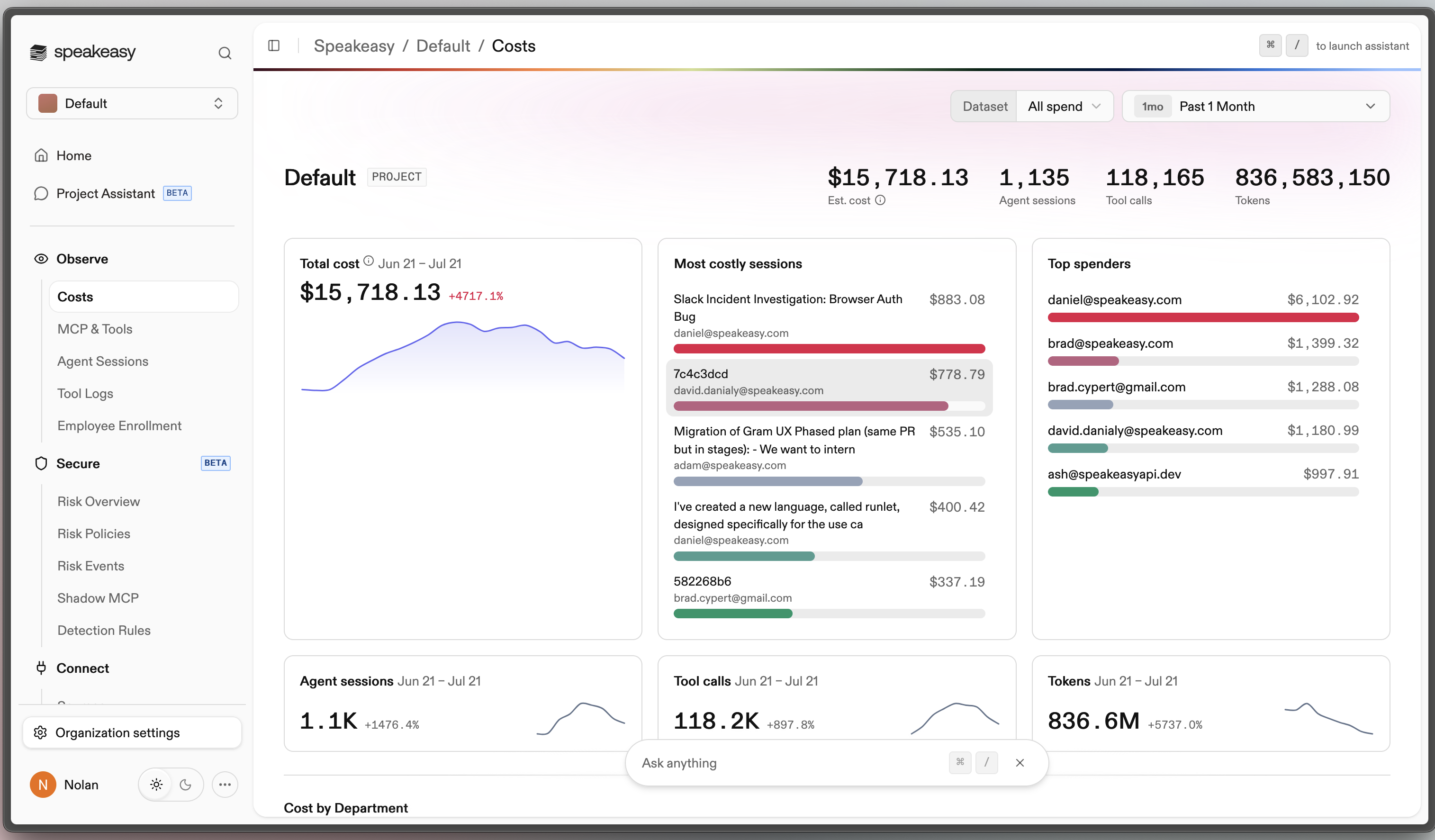
Exclusive: Speakeasy service tracks enterprise-wide AI agent spending
Speakeasy Development Inc. launched an AI cost-management service to track enterprise spending on coding agents like Claude Code, Cursor, and Codex by consolidating token usage data for financial oversight.

AI materials science startup CuspAI raises $450M in funding
UK-based AI materials science startup CuspAI secures $450M Series B funding at a $2.6B valuation, backed by Kleiner Perkins and NEA to support a chemical research consortium with Nvidia and Samsung.
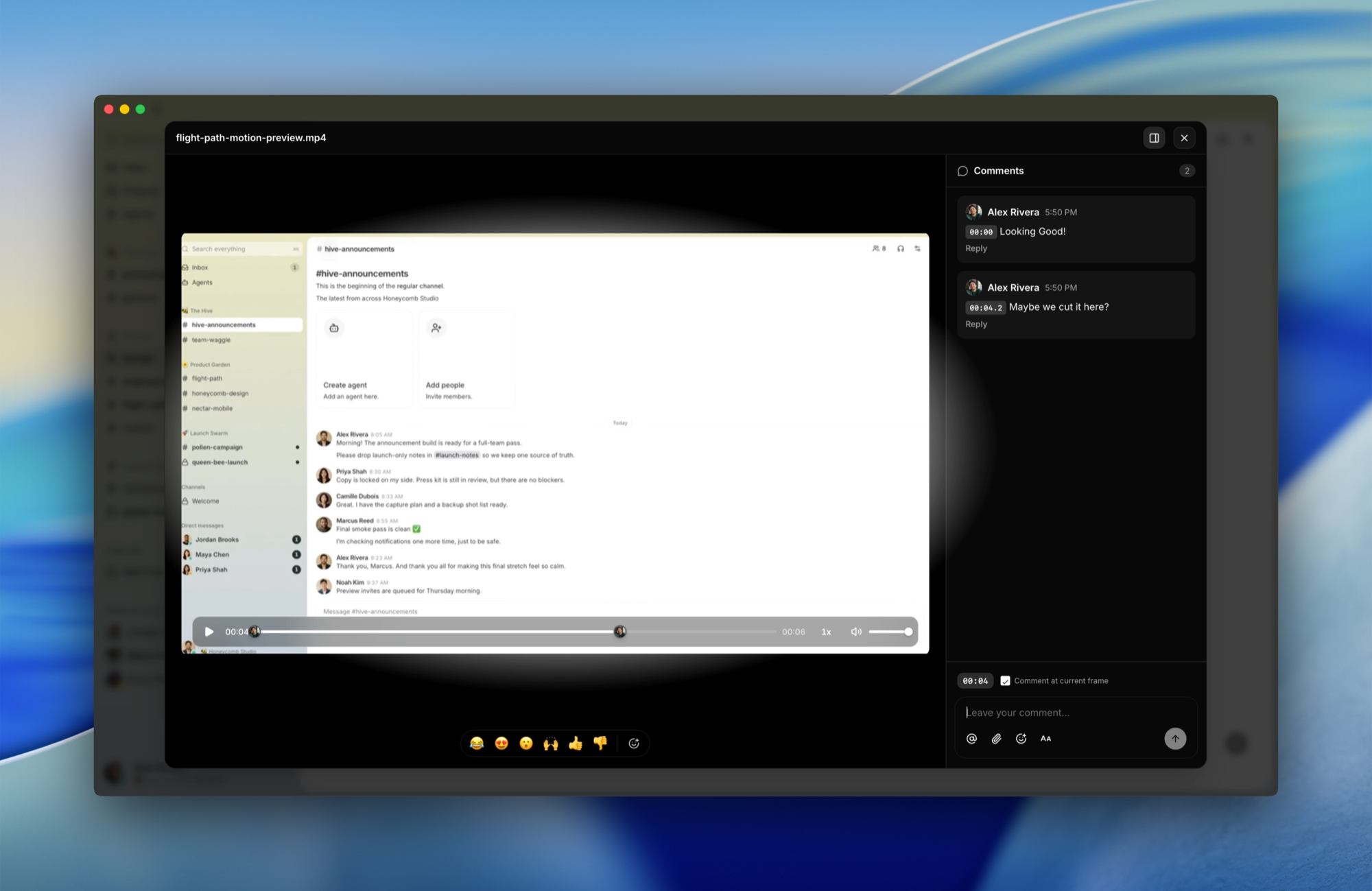
Block launches Buzz, an open-source workspace for humans and AI agents
Block Inc. launched Buzz, a free open-source workspace for human-AI collaborative teams. It unifies chat, code hosting, and workflows while granting AI dedicated accounts.
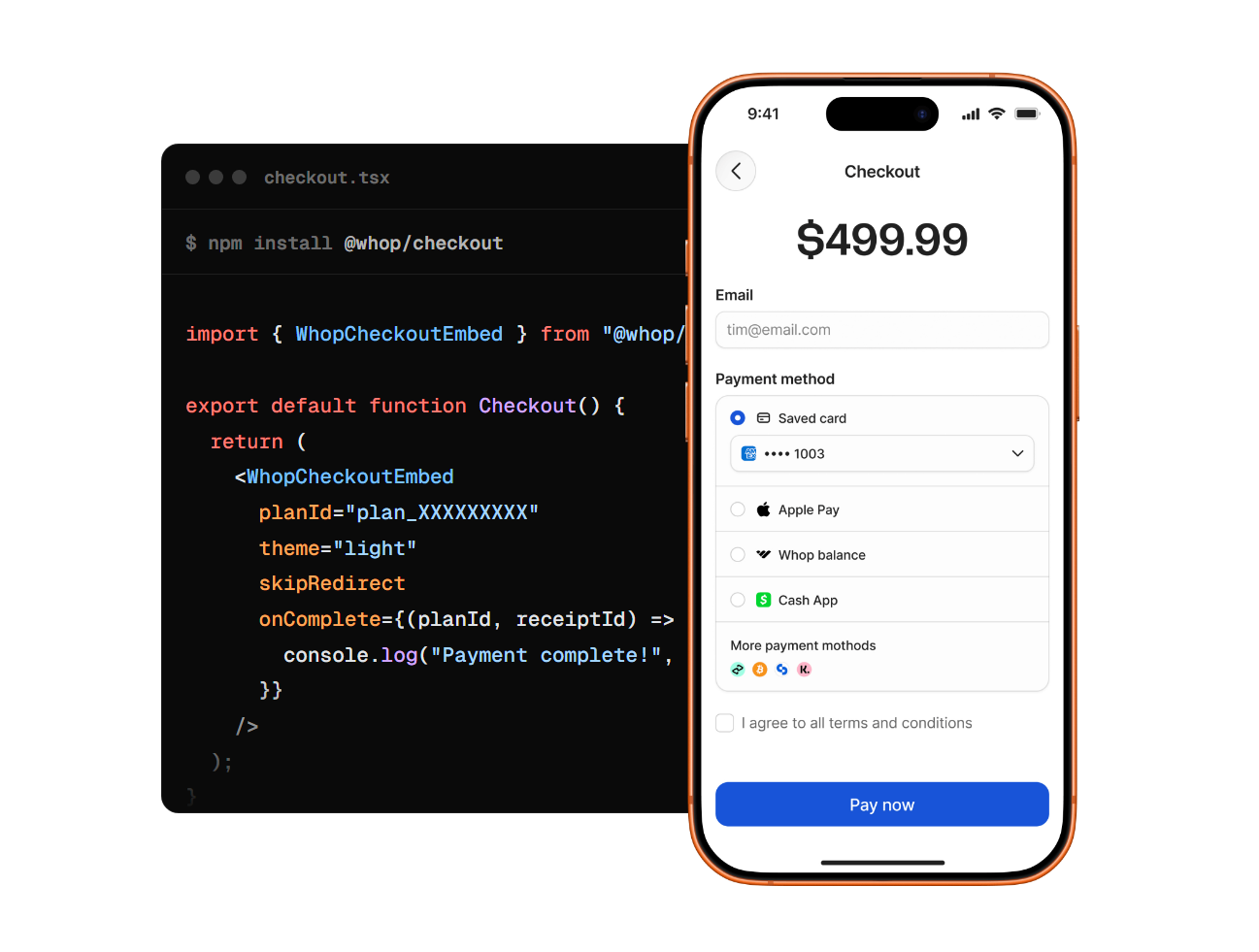
Whop releases command-line interface to let business owners and their AI agents access digital commerce
Whop Inc., an e-commerce platform launched in 2021, released a new command-line interface enabling developers and AI agents to quickly access its digital commerce and payment infrastructure capabilities.
Site Discovery
Keep exploring the AI ecosystem
After this brief, continue into related tools, models, and rankings to understand whether the story affects your choices.