
Whop releases command-line interface to let business owners and their AI agents access digital commerce
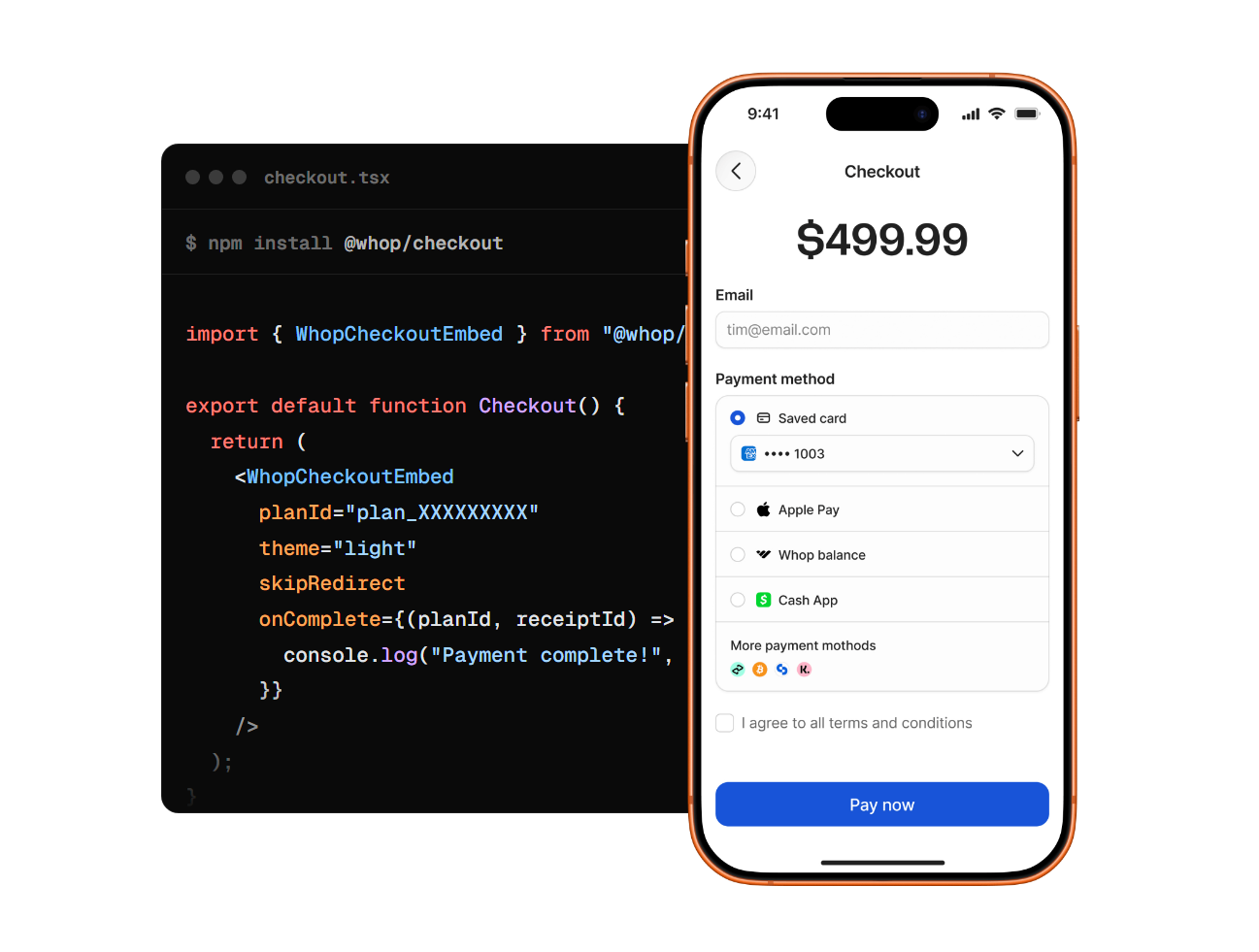
Whop Inc., an e-commerce platform launched in 2021, released a new command-line interface enabling developers and AI agents to quickly access its digital commerce and payment infrastructure capabilities.
Signal Snapshot
Briefing Notes
What happened and why it matters
Summary
Whop Inc., the e-commerce and social marketplace platform founded in 2021, has officially launched a command-line interface (CLI). This new tool is designed to give developers and artificial intelligence agents streamlined, programmatic access to Whop’s core digital commerce and payments infrastructure.
Why it matters
The integration of a CLI into a consumer-facing e-commerce platform signals a strategic shift toward headless commerce and automated workflows. By exposing its capabilities through code, Whop lowers the barrier for technical users to integrate digital product sales directly into custom applications. More importantly, explicitly supporting AI agents means that autonomous software can now execute transactions, manage storefronts, or handle payments without human intervention. This bridges the gap between traditional e-commerce infrastructure and the emerging agent economy, where AI systems act as independent economic actors.
Related tools
For developers looking to automate similar workflows, exploring dedicated API management tools can streamline integration processes. Additionally, reviewing e-commerce platforms helps compare Whop’s social marketplace model against traditional storefront solutions. Those interested in tracking how AI agents are reshaping digital transactions should monitor the latest AI news for emerging automation standards.
Impact on AI tools/models
AI models and autonomous agents typically rely on structured data inputs and reliable API endpoints to function effectively. A dedicated CLI transforms Whop’s platform from a passive storefront into an active node within an AI-driven workflow. This allows language models and specialized agents to programmatically query inventory, process payments, and manage user access in real time. As AI agents become more prevalent in digital marketplaces, standardized command interfaces will likely replace complex graphical user interactions, enabling faster transaction cycles and reducing operational friction for automated commerce systems.
What to watch
The rollout of developer-focused interfaces often precedes broader ecosystem adoption. Observing how third-party builders leverage this CLI will reveal whether AI agents can successfully handle complex checkout flows or subscription management autonomously. Industry watchers should track updates on AI agent frameworks to see how they adapt to new commerce protocols. Furthermore, monitoring marketplace rankings will provide insight into whether Whop’s developer-first approach drives significant merchant migration. Finally, staying updated via platform news will help developers anticipate potential rate limits, authentication changes, or expanded agent-specific endpoints.
FAQ
What is Whop? Whop is an e-commerce platform and social marketplace launched in 2021 that helps businesses monetize digital products and services. Who can use the new CLI? The command-line interface is designed for developers and artificial intelligence agents seeking quick access to Whop’s commerce capabilities. Does Whop offer payment processing? Yes, the platform provides built-in e-commerce capabilities alongside a dedicated payments infrastructure layer.
Keep Tracking
Related AI news

On theCUBE Pod: IBM’s AI test, Nvidia’s lead and the race for enterprise intelligence
IBM tests enterprise AI while Nvidia dominates accelerated computing. AMD and Broadcom vie for market share as the race for enterprise intelligence intensifies across hardware and software layers.

Hugging Face uses open-weights Z.ai GLM 5.2 to battle attacker after commercial frontier model refusal
Hugging Face detected a breach involving an attacker using agentic AI. Commercial frontier models blocked defensive requests due to strict safety guardrails. Hugging Face responded by deploying the open-weights Z.ai GLM 5.2 to counter the threat.

Anthropic settles with authors and publishers for $1.5B in landmark copyright case
Anthropic agrees to a $1.5 billion settlement with authors and publishers regarding the unauthorized use of creative works to train its Claude AI model, marking the largest copyright settlement in history.
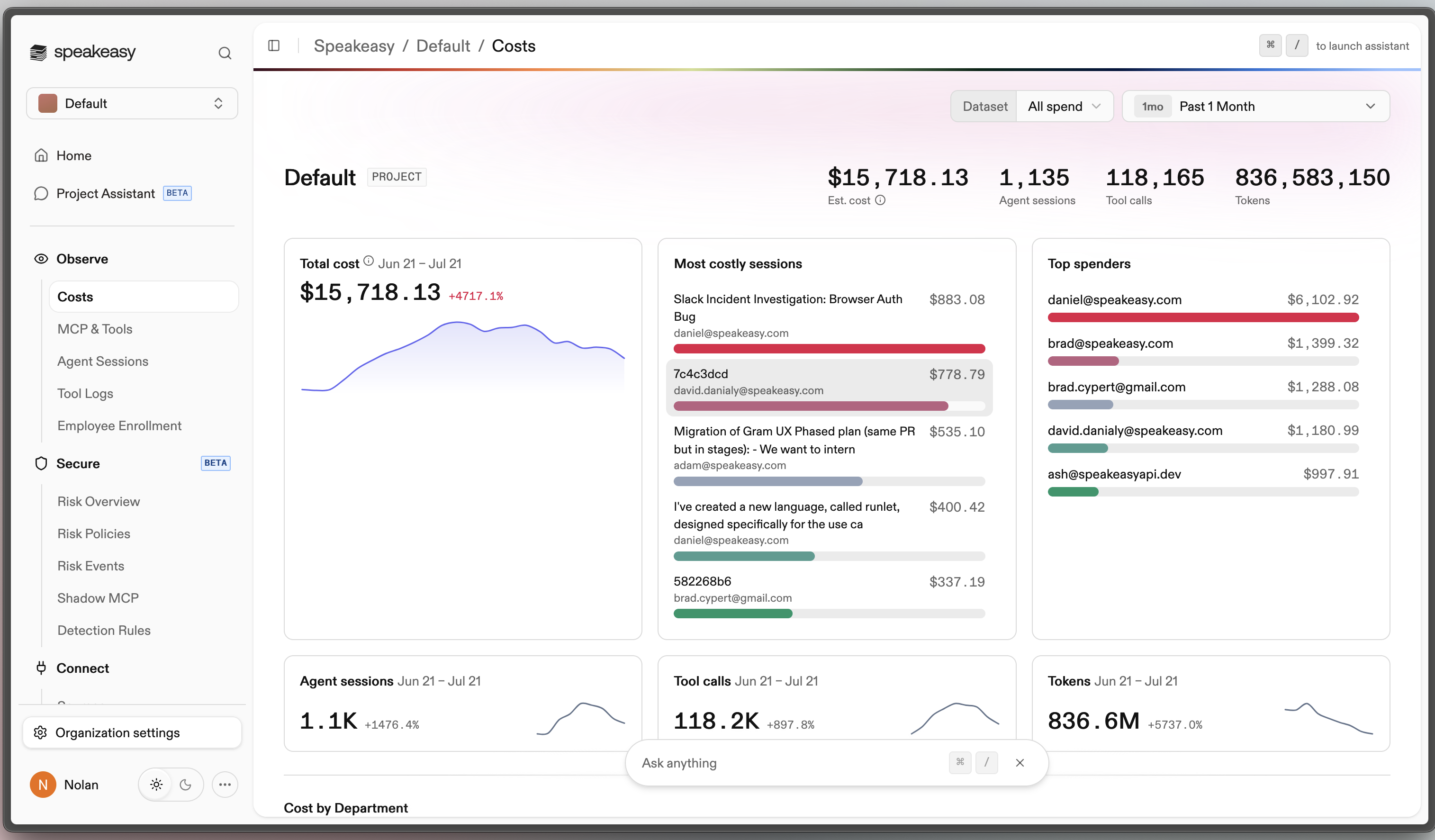
Exclusive: Speakeasy service tracks enterprise-wide AI agent spending
Speakeasy Development Inc. launched an AI cost-management service to track enterprise spending on coding agents like Claude Code, Cursor, and Codex by consolidating token usage data for financial oversight.

AI materials science startup CuspAI raises $450M in funding
UK-based AI materials science startup CuspAI secures $450M Series B funding at a $2.6B valuation, backed by Kleiner Perkins and NEA to support a chemical research consortium with Nvidia and Samsung.

Block launches Buzz, an open-source workspace for humans and AI agents
Block Inc. launched Buzz, a free open-source workspace for human-AI collaborative teams. It unifies chat, code hosting, and workflows while granting AI dedicated accounts.
Site Discovery
Keep exploring the AI ecosystem
After this brief, continue into related tools, models, and rankings to understand whether the story affects your choices.