
AI materials science startup CuspAI raises $450M in funding
UK-based AI materials science startup CuspAI secures $450M Series B funding at a $2.6B valuation, backed by Kleiner Perkins and NEA to support a chemical research consortium with Nvidia and Samsung.

Signal Snapshot
Briefing Notes
What happened and why it matters
Summary
UK-based AI materials science startup CuspAI has successfully closed a $450 million Series B funding round, bringing its total valuation to $2.6 billion. The investment, led by Kleiner Perkins and NEA, will directly fund a newly established chemical research consortium alongside Nvidia and Samsung.
Why it matters
This capital injection underscores growing institutional confidence in AI-driven scientific discovery. Traditional materials science relies on slow, resource-intensive laboratory processes. By leveraging machine learning to predict molecular interactions, startups can dramatically accelerate R&D cycles. The consortium formation highlights a strategic industry shift: major hardware manufacturers are actively investing in foundational AI research to secure next-generation materials for computing and manufacturing. This demonstrates how venture capital is increasingly targeting deep-tech applications that bridge software innovation with physical outcomes.
Related tools
While specific product details remain proprietary, researchers can explore existing computational chemistry platforms through browse AI tools. Teams focused on predictive analytics may review open-source weights and API integrations in the model library. Professionals tracking emerging scientific AI players can consult the curated rankings for market context.
Impact on AI tools/models
CuspAI’s expansion influences specialized AI models designed for scientific domains. Increased capital typically translates to greater compute resources, enabling teams to train larger foundation models tailored to chemical properties. Partnerships with hardware leaders often result in optimized inference pipelines. As these models mature, they will likely integrate into broader developer ecosystems, offering APIs for predictive material screening. This convergence pushes the boundaries of what discriminative models can achieve beyond traditional text and vision tasks.
What to watch
Observers should monitor how the consortium structures data-sharing protocols between startups and large corporations. The deployment timeline for AI-driven material discoveries will validate the technology’s real-world utility. Tracking subsequent patent filings will reveal how DeepLy these models are embedded into manufacturing pipelines. For ongoing sector updates, visit AI news.
FAQ
- What is CuspAI’s current valuation? CuspAI reached a $2.6 billion valuation following its Series B round.
- Which companies form the new chemical research consortium? The consortium includes CuspAI alongside Nvidia and Samsung.
- Who invested in the latest funding round? Kleiner Perkins and NEA backed the round.
Search FAQ
Frequently asked questions
FAQ
What is CuspAI's current valuation?
Which companies form the new chemical research consortium?
Who invested in the latest funding round?
Keep Tracking
Related AI news

On theCUBE Pod: IBM’s AI test, Nvidia’s lead and the race for enterprise intelligence
IBM tests enterprise AI while Nvidia dominates accelerated computing. AMD and Broadcom vie for market share as the race for enterprise intelligence intensifies across hardware and software layers.

Hugging Face uses open-weights Z.ai GLM 5.2 to battle attacker after commercial frontier model refusal
Hugging Face detected a breach involving an attacker using agentic AI. Commercial frontier models blocked defensive requests due to strict safety guardrails. Hugging Face responded by deploying the open-weights Z.ai GLM 5.2 to counter the threat.

Anthropic settles with authors and publishers for $1.5B in landmark copyright case
Anthropic agrees to a $1.5 billion settlement with authors and publishers regarding the unauthorized use of creative works to train its Claude AI model, marking the largest copyright settlement in history.
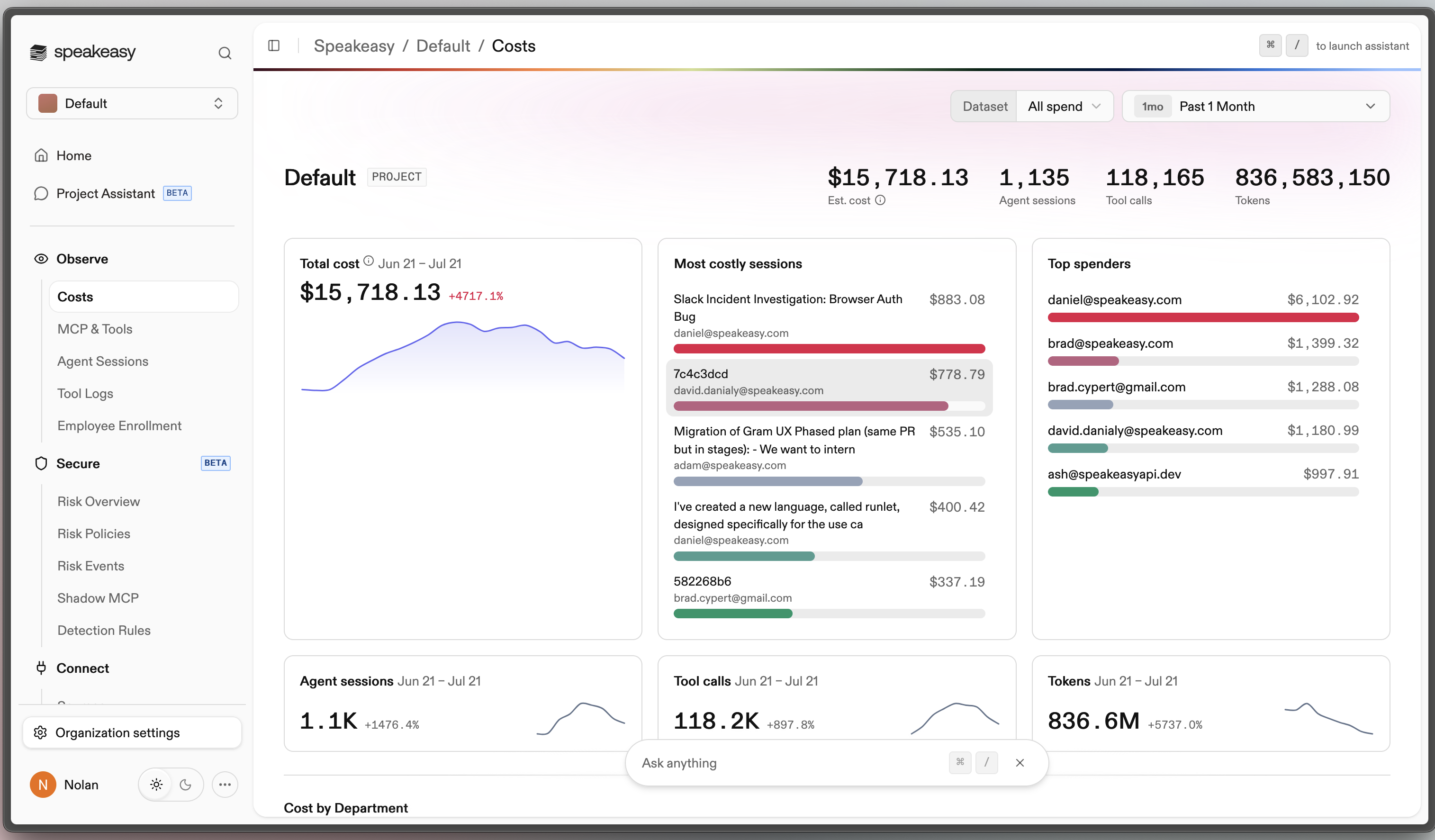
Exclusive: Speakeasy service tracks enterprise-wide AI agent spending
Speakeasy Development Inc. launched an AI cost-management service to track enterprise spending on coding agents like Claude Code, Cursor, and Codex by consolidating token usage data for financial oversight.

Block launches Buzz, an open-source workspace for humans and AI agents
Block Inc. launched Buzz, a free open-source workspace for human-AI collaborative teams. It unifies chat, code hosting, and workflows while granting AI dedicated accounts.
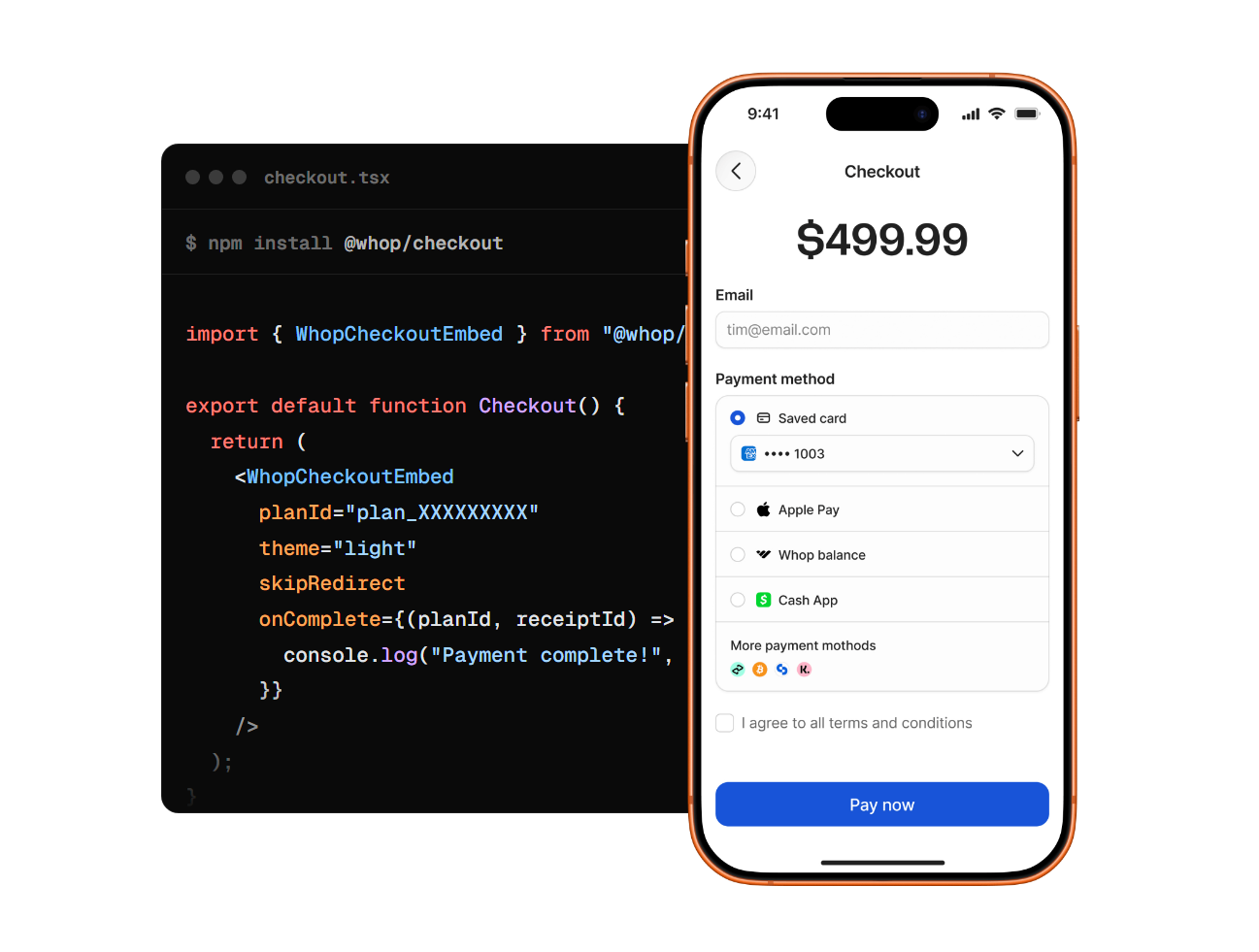
Whop releases command-line interface to let business owners and their AI agents access digital commerce
Whop Inc., an e-commerce platform launched in 2021, released a new command-line interface enabling developers and AI agents to quickly access its digital commerce and payment infrastructure capabilities.
Site Discovery
Keep exploring the AI ecosystem
After this brief, continue into related tools, models, and rankings to understand whether the story affects your choices.