
Exclusive: Speakeasy service tracks enterprise-wide AI agent spending
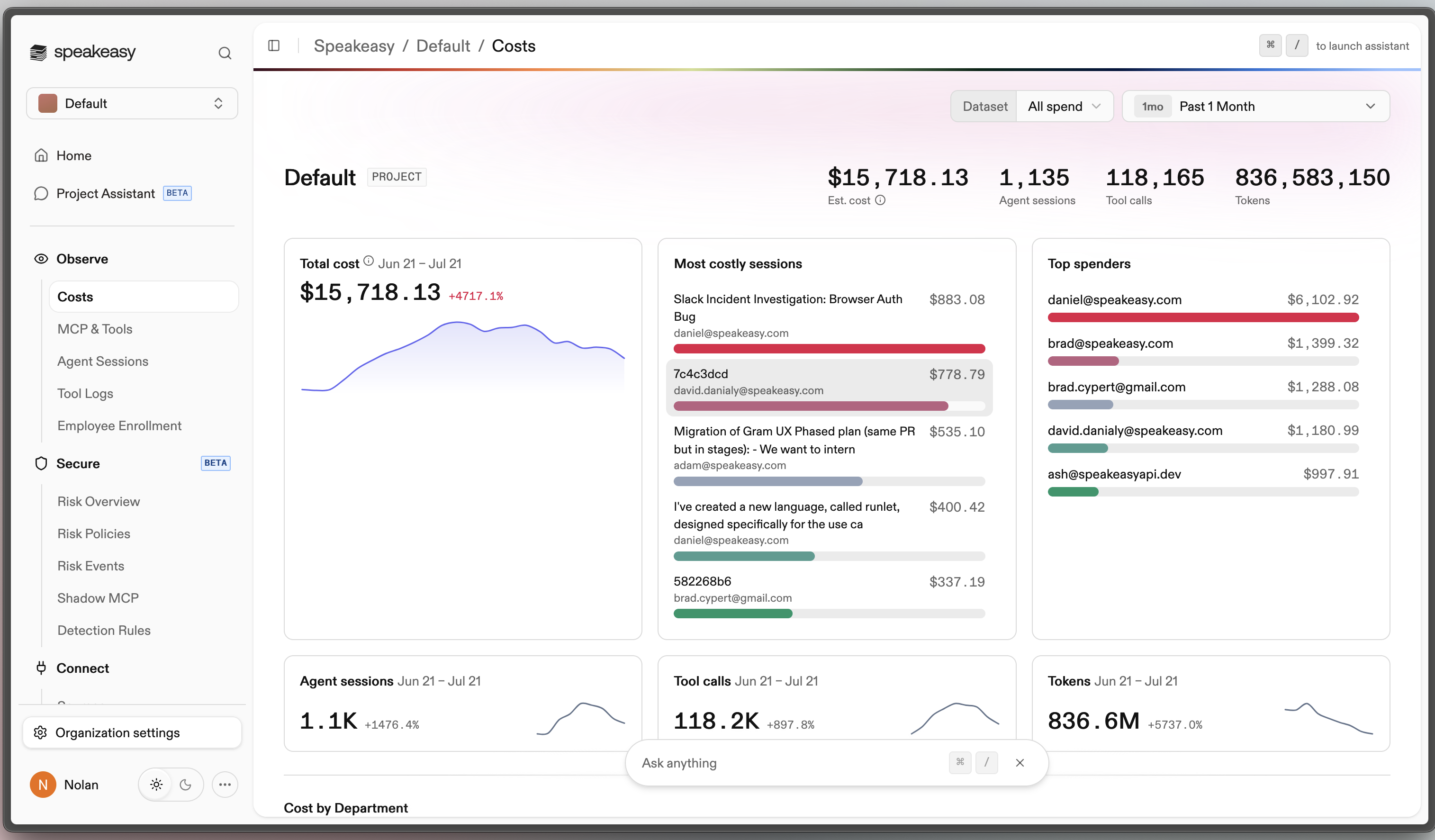
Speakeasy Development Inc. launched an AI cost-management service to track enterprise spending on coding agents like Claude Code, Cursor, and Codex by consolidating token usage data for financial oversight.
Signal Snapshot
Briefing Notes
What happened and why it matters
Summary
Speakeasy Development Inc. has introduced a specialized cost-management platform designed to monitor enterprise expenditures on AI coding assistants. By aggregating token consumption metrics across tools like Claude Code, Cursor, and Codex, the service provides centralized financial oversight for development teams scaling generative AI workflows.
Why it matters
As organizations rapidly integrate autonomous coding agents into their software development lifecycles, untracked API consumption and token usage can quickly escalate operational budgets. The emergence of dedicated cost-tracking solutions signals a maturation phase in enterprise AI adoption. Companies are moving past experimental deployment and entering a stage where financial accountability, resource allocation, and usage auditing become critical infrastructure requirements. Consolidating fragmented token data into a single dashboard allows engineering leaders to forecast expenses, identify inefficiencies, and enforce governance policies without disrupting developer productivity.
Related tools
The service specifically targets high-volume coding environments. Key platforms under observation include Claude Code, Cursor, and Codex. These agents operate on token-based pricing models, making unified tracking essential for multi-agent architectures. Teams managing cross-platform deployments can explore additional options by browsing our curated Browse AI tools directory.
Impact on AI tools/models
The push for granular cost visibility will likely influence how model providers structure their API offerings. As enterprises demand transparent billing and usage analytics, we may see increased standardization in token accounting methods across different language models. Additionally, AI tool developers might prioritize built-in telemetry features that seamlessly integrate with third-party financial oversight platforms. This shift encourages a more sustainable token economy, ensuring that advanced reasoning capabilities remain accessible without triggering unpredictable budget overruns.
What to watch
Organizations should monitor how cost-management integrations evolve alongside multi-agent orchestration frameworks. Tracking cross-tool spending patterns will become a standard practice for engineering finance teams. For ongoing updates on emerging platforms and market shifts, visit our AI news hub. Developers evaluating budget-friendly alternatives or enterprise-grade solutions can consult our updated rankings to compare performance metrics against cost efficiency. Staying informed through these resources will help teams navigate the growing complexity of AI-driven development pipelines.
FAQ
What does the Speakeasy service track? It monitors enterprise spending on coding agents such as Claude Code, Cursor, and Codex by consolidating token usage data.
How does the platform support financial oversight? The service aggregates consumption metrics into a unified view, enabling engineering leaders to audit usage and manage budgets effectively.
Who developed this cost-management solution? Speakeasy Development Inc. launched the service to address growing enterprise demands for AI expenditure tracking.
Search FAQ
Frequently asked questions
FAQ
What does the Speakeasy service track?
How does the platform support financial oversight?
Who developed this cost-management solution?
Keep Tracking
Related AI news

On theCUBE Pod: IBM’s AI test, Nvidia’s lead and the race for enterprise intelligence
IBM tests enterprise AI while Nvidia dominates accelerated computing. AMD and Broadcom vie for market share as the race for enterprise intelligence intensifies across hardware and software layers.

Hugging Face uses open-weights Z.ai GLM 5.2 to battle attacker after commercial frontier model refusal
Hugging Face detected a breach involving an attacker using agentic AI. Commercial frontier models blocked defensive requests due to strict safety guardrails. Hugging Face responded by deploying the open-weights Z.ai GLM 5.2 to counter the threat.

Anthropic settles with authors and publishers for $1.5B in landmark copyright case
Anthropic agrees to a $1.5 billion settlement with authors and publishers regarding the unauthorized use of creative works to train its Claude AI model, marking the largest copyright settlement in history.

AI materials science startup CuspAI raises $450M in funding
UK-based AI materials science startup CuspAI secures $450M Series B funding at a $2.6B valuation, backed by Kleiner Perkins and NEA to support a chemical research consortium with Nvidia and Samsung.
Block launches Buzz, an open-source workspace for humans and AI agents
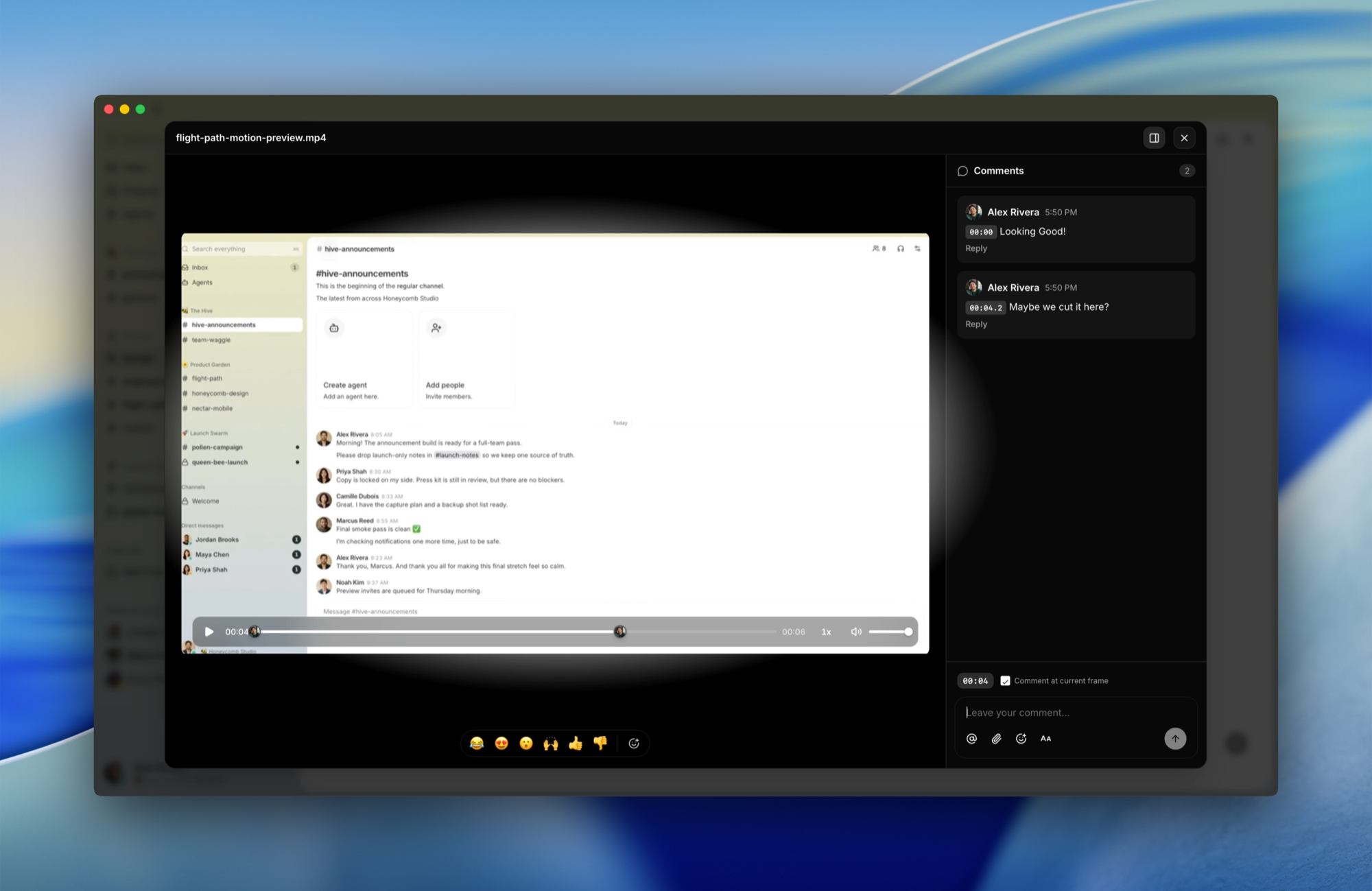
Block Inc. launched Buzz, a free open-source workspace for human-AI collaborative teams. It unifies chat, code hosting, and workflows while granting AI dedicated accounts.
Whop releases command-line interface to let business owners and their AI agents access digital commerce
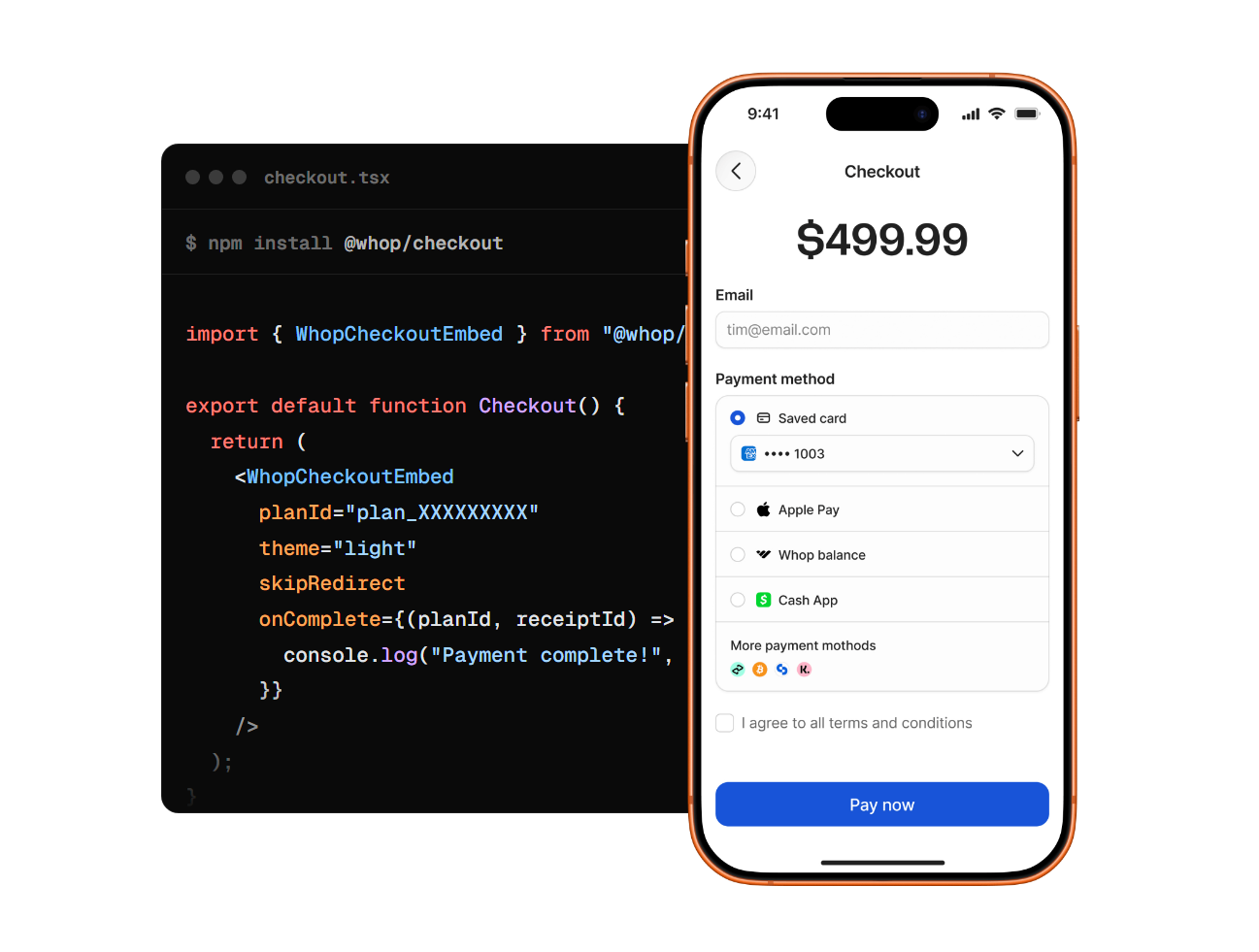
Whop Inc., an e-commerce platform launched in 2021, released a new command-line interface enabling developers and AI agents to quickly access its digital commerce and payment infrastructure capabilities.
Site Discovery
Keep exploring the AI ecosystem
After this brief, continue into related tools, models, and rankings to understand whether the story affects your choices.