
Block launches Buzz, an open-source workspace for humans and AI agents
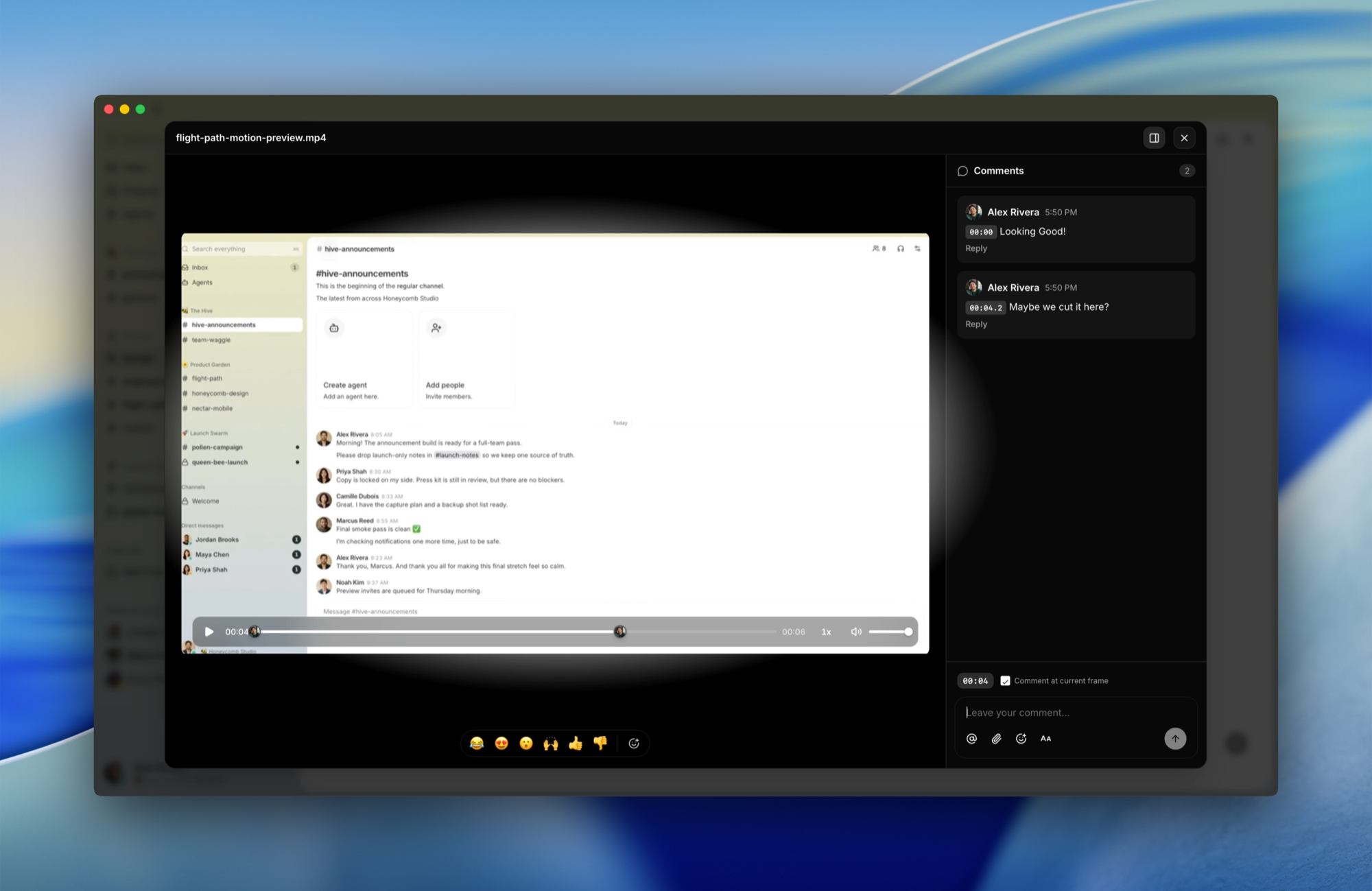
Block Inc. launched Buzz, a free open-source workspace for human-AI collaborative teams. It unifies chat, code hosting, and workflows while granting AI dedicated accounts.
Signal Snapshot
Briefing Notes
What happened and why it matters
Summary
Block Inc. has officially introduced Buzz, a free and open-source collaborative environment built specifically for mixed teams of humans and AI agents. Moving beyond conventional conversational interfaces, the platform assigns dedicated accounts to AI participants, effectively positioning them as integrated team members rather than peripheral utilities. Buzz consolidates essential development and communication infrastructure—including team messaging, source code hosting, and automated workflow execution—into a single, unified interface. This release marks a deliberate architectural shift toward persistent, multi-agent collaboration within a transparent, community-accessible framework.
Why it matters
The introduction of Buzz addresses a growing friction point in modern software development and operational workflows: the integration of autonomous systems into established team structures. Traditional AI assistants typically operate as ephemeral query-response tools, lacking continuity, identity, or shared repository access. By granting AI agents formal accounts, Buzz enables persistent memory, role-based permissions, and seamless handoffs between human developers and machine workers. This structural change reduces context-switching overhead and establishes a standardized protocol for human-machine co-authorship. For engineering teams managing complex automation pipelines, such a unified environment minimizes tool fragmentation and accelerates iterative deployment cycles.
Related tools
While Buzz introduces a novel workspace paradigm, it operates alongside existing ecosystem components that complement its architecture. Teams exploring similar capabilities may evaluate alternatives through our curated directory at Browse AI tools. Developers seeking foundational models to power agent behaviors can explore compatible weights and APIs via the Model library. Additionally, teams comparing platform maturity and community adoption should review current benchmarks in our Rankings to contextualize Buzz’s market position.
Impact on AI tools/models
Buzz’s design philosophy directly influences how downstream AI tools and foundation models are deployed. By standardizing agent identity and account management, the workspace encourages model providers to optimize for persistent session handling, structured task routing, and secure credential management. This shifts development focus from isolated inference endpoints toward interoperable agent frameworks capable of operating within shared repositories and automated pipelines. Consequently, model fine-tuning efforts are likely to prioritize workflow orchestration, multi-step reasoning, and collaborative context retention over standalone conversational fluency.
What to watch
As the open-source agent workspace category evolves, several critical developments will shape its trajectory. First, monitor how community contributors adapt existing CI/CD integrations to function within Buzz’s unified account system. Second, track enterprise adoption patterns as organizations test whether formalized agent identities improve auditability and compliance reporting. Third, observe how competing platforms respond to this architectural precedent, particularly regarding cross-workspace agent portability and standardized permission schemas. Teams evaluating long-term infrastructure strategies should regularly consult ToolSeekAI tools for emerging alternatives, follow breaking updates via AI news, and compare performance metrics in our live rankings.
FAQ
What is Buzz? Buzz is a free, open-source workspace created by Block Inc. that unites human teams and AI agents in a single collaborative environment.
How does Buzz handle AI participants? Unlike standard chatbots, Buzz grants AI agents dedicated accounts, treating them as full team members with integrated access to chat, code hosting, and workflows.
Are there any costs associated with Buzz? The platform is currently offered as a free, open-source solution for collaborative teams.
Search FAQ
Frequently asked questions
FAQ
What is Buzz?
How does Buzz treat AI agents?
What features does Buzz include?
Keep Tracking
Related AI news

On theCUBE Pod: IBM’s AI test, Nvidia’s lead and the race for enterprise intelligence
IBM tests enterprise AI while Nvidia dominates accelerated computing. AMD and Broadcom vie for market share as the race for enterprise intelligence intensifies across hardware and software layers.

Hugging Face uses open-weights Z.ai GLM 5.2 to battle attacker after commercial frontier model refusal
Hugging Face detected a breach involving an attacker using agentic AI. Commercial frontier models blocked defensive requests due to strict safety guardrails. Hugging Face responded by deploying the open-weights Z.ai GLM 5.2 to counter the threat.

Anthropic settles with authors and publishers for $1.5B in landmark copyright case
Anthropic agrees to a $1.5 billion settlement with authors and publishers regarding the unauthorized use of creative works to train its Claude AI model, marking the largest copyright settlement in history.
Exclusive: Speakeasy service tracks enterprise-wide AI agent spending
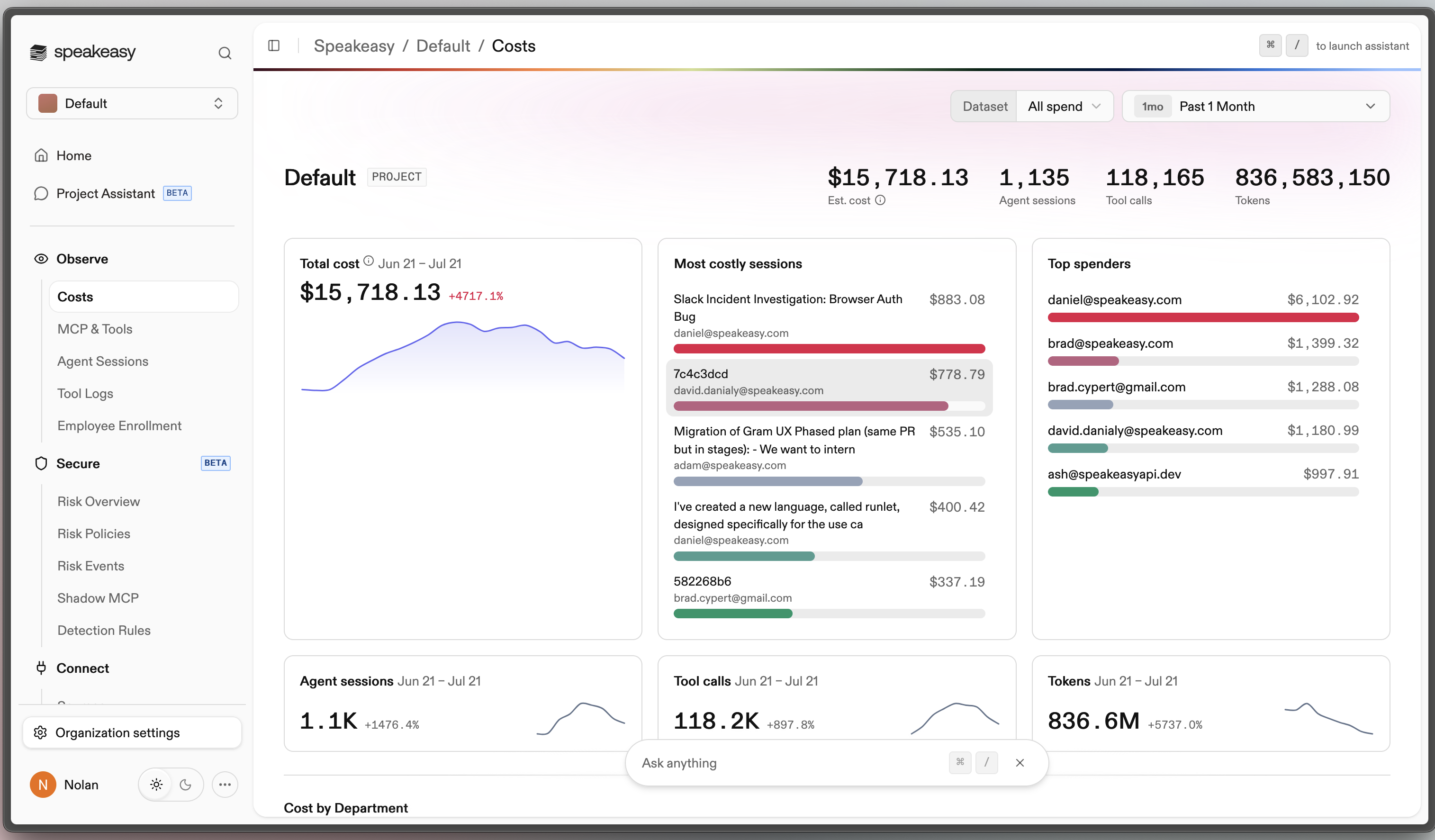
Speakeasy Development Inc. launched an AI cost-management service to track enterprise spending on coding agents like Claude Code, Cursor, and Codex by consolidating token usage data for financial oversight.

AI materials science startup CuspAI raises $450M in funding
UK-based AI materials science startup CuspAI secures $450M Series B funding at a $2.6B valuation, backed by Kleiner Perkins and NEA to support a chemical research consortium with Nvidia and Samsung.
Whop releases command-line interface to let business owners and their AI agents access digital commerce
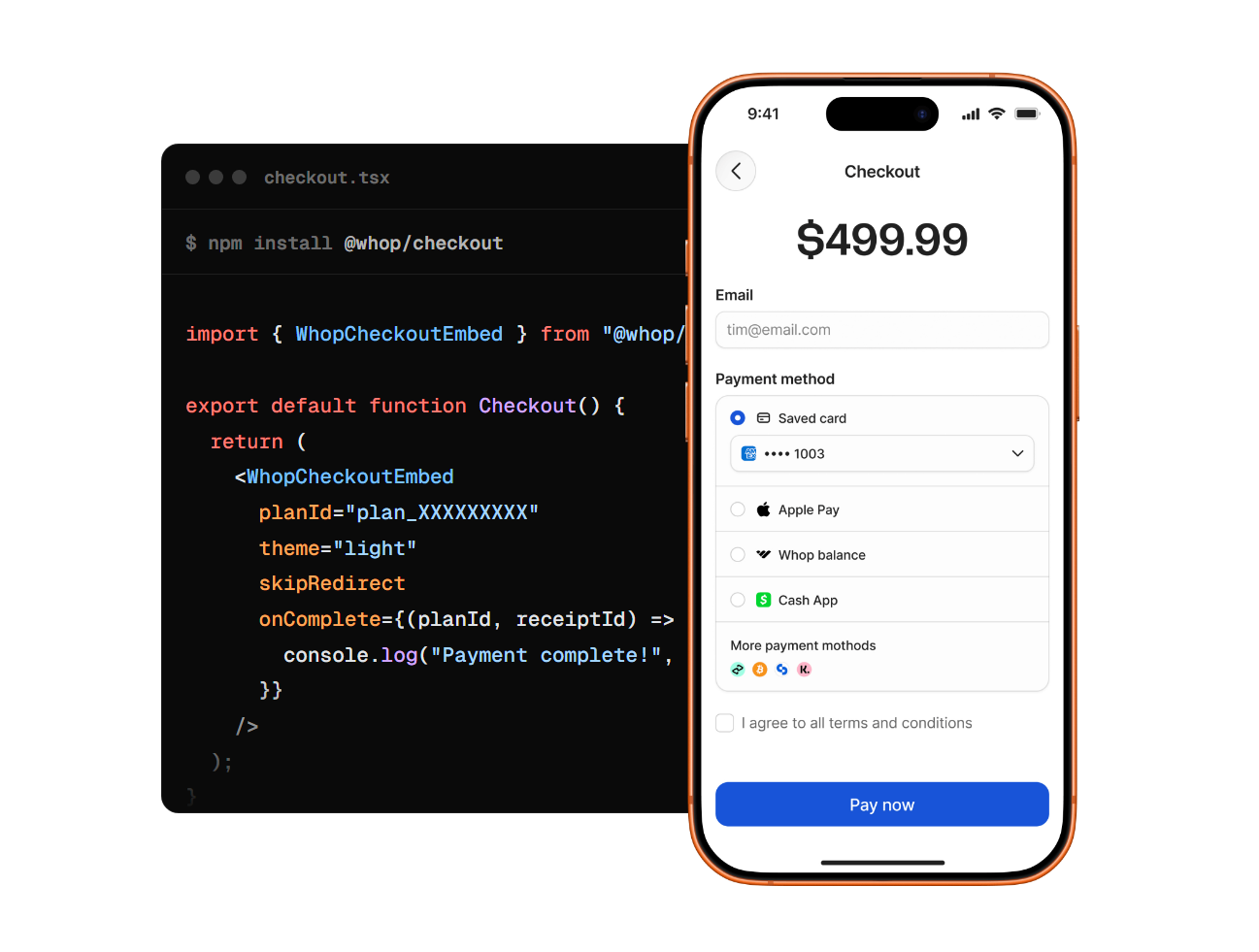
Whop Inc., an e-commerce platform launched in 2021, released a new command-line interface enabling developers and AI agents to quickly access its digital commerce and payment infrastructure capabilities.
Site Discovery
Keep exploring the AI ecosystem
After this brief, continue into related tools, models, and rankings to understand whether the story affects your choices.