
Decision ranking / ranking
Best AI Tools 2026
Compare 15 relevant tools by use case, pricing signal, and discovery fit.
#1
GitHub - thedotmack/claude-mem: Persistent Context Across Sessions for Every Agent – Captures everything your agent does during sessions, compresses it with AI, and injects relevant context back into future sessions. Works with Claude Code, OpenClaw, Codex, Gemini, Hermes, Copilot, OpenCode + More
Claude-Mem is an open-source memory engine providing persistent context across AI agent sessions. It captures, compresses, and retrieves relevant history for tools like Claude Code, Copilot, and Gemini.
#2
Sign in - Google Accounts
Google Accounts sign-in portal for accessing Google AI Studio and other services. Verify if this entry refers to the authentication gateway rather than the AI tool itself.
#3
Experiments on the future of AI-driven science — Google Labs
Google Labs Science offers experimental AI tools for researchers, including NotebookLM for literature synthesis, Co-Scientist for hypothesis generation, and AlphaEvolve for computational discovery.
Best AI Tools 2026: Top AI Platforms Ranked and How to Choose
The landscape of artificial intelligence has shifted dramatically since its early days of experimental chatbots and basic image generators. By 2026, AI is no longer just a novelty or a supplementary feature; it is the backbone of modern productivity, creativity, and software development. For professionals, developers, and creators, the challenge is no longer whether to use AI, but which specific tools will yield the highest return on investment for their unique workflows. With hundreds of new platforms launching monthly, navigating this ecosystem can feel overwhelming. This comprehensive guide ranks the top AI platforms of 2026, breaking down what makes them exceptional and how you can leverage them effectively.
What Makes a Great AI Tool in 2026?
Before diving into specific rankings, it is crucial to define the criteria that separate good AI tools from great ones in the current market. In 2026, users demand more than just accuracy; they expect integration, context awareness, and reliability.
First, Contextual Depth is paramount. Early models struggled with long conversations or complex multi-step tasks. The best tools today maintain coherent state over hours of interaction, understanding nuance, sarcasm, and technical specificity without requiring constant re-prompting.
Second, Multimodal Fluidity is standard. Users expect seamless transitions between text, code, image, video, and audio within a single workflow. A tool that forces you to switch between five different applications to complete a project is considered inefficient.
Third, Enterprise-Grade Reliability matters. As AI moves into critical business operations, downtime, hallucination rates, and data privacy become non-negotiable. The top-ranked tools offer robust security protocols, deterministic outputs where possible, and clear data governance.
Finally, Ecosystem Integration. The best AI tools do not exist in silos. They integrate natively with existing software stacks, from Slack and Microsoft Teams to GitHub and Adobe Creative Cloud. If an AI tool cannot plug into your current workflow, its utility is significantly diminished. For those looking to compare these features side-by-side, platforms like ToolSeekAI have become essential resources, offering unbiased comparisons and real-world performance metrics to help users identify the perfect fit for their needs.
General AI: The Powerhouses of Reasoning
When it comes to general-purpose assistance—ranging from complex research to creative brainstorming—three platforms dominate the 2026 market: OpenAI’s ChatGPT, Anthropic’s Claude, and Google’s Gemini. Each has carved out a distinct identity based on its underlying architecture and strengths.
ChatGPT remains the household name, largely due to its massive user base and continuous refinement. In 2026, ChatGPT excels in versatility and plugin integration. Its ability to connect with third-party services allows it to perform real-time actions, such as booking flights, analyzing live stock data, or generating code snippets directly in integrated environments. While some critics argue it lacks the nuanced reasoning of its competitors, its breadth of functionality and ease of use make it the default choice for general consumers and casual professionals. It is the Swiss Army knife of AI: reliable, widely understood, and constantly expanding its toolkit.
Claude, developed by Anthropic, has gained a cult following among knowledge workers and researchers for its superior reasoning capabilities and safety alignment. Claude’s standout feature is its "long context window," which allows it to ingest and analyze entire books, lengthy legal documents, or massive codebases in a single prompt. In 2026, Claude is often the preferred tool for deep-dive analysis, summarization, and tasks requiring high levels of empathy and nuance. Its interface is clean, and its responses are typically more structured and less verbose than its competitors, making it ideal for professionals who value precision over flair.
Google’s Gemini leverages Google’s vast ecosystem to offer unparalleled multimodal capabilities. Because Gemini is built from the ground up to understand text, images, audio, and video simultaneously, it shines in tasks that require cross-modal synthesis. For example, Gemini can watch a video lecture, transcribe it, summarize the key points, and generate a quiz based on the visual and auditory content in one go. Its integration with Google Workspace (Docs, Sheets, Gmail) makes it an indispensable tool for corporate environments already invested in the Google cloud. While it sometimes trails behind Claude in pure logical reasoning, its speed and contextual awareness within the Google ecosystem give it a significant edge for daily productivity.
Coding AI: Accelerating Software Development
For developers, AI has moved beyond simple autocomplete. In 2026, AI coding assistants act as pair programmers, capable of understanding entire repositories, debugging complex errors, and even refactoring legacy code.
Cursor has emerged as the leading IDE-based AI tool, fundamentally changing how developers write code. Unlike traditional plugins, Cursor is built around an AI-first interface. It allows developers to ask questions about their codebase, generate new files based on natural language descriptions, and debug errors by highlighting the root cause. Cursor’s strength lies in its ability to index your entire project, giving it a holistic view of your architecture. This allows it to suggest changes that are consistent with the rest of your codebase, reducing the likelihood of introducing bugs. For teams seeking to accelerate development cycles without sacrificing code quality, Cursor is often the top recommendation.
GitHub Copilot remains the industry standard, particularly for those deeply embedded in the Microsoft and GitHub ecosystem. Copilot’s latest iterations offer "Copilot Workspace," which allows developers to plan larger projects by creating task lists, specifying requirements, and then generating the necessary code across multiple files. Its integration with Visual Studio Code and JetBrains IDEs is seamless, providing intelligent completions that adapt to the coding style of the individual developer. While it may not have the deep repository-wide contextual awareness of Cursor out of the box, its ubiquity and continuous updates make it a safe, powerful choice for enterprise development teams.
Windsurf, a newer entrant that has rapidly climbed the ranks, focuses on "flow" state preservation. Windsurf introduces the concept of "cascades," where the AI anticipates your next move based on your current editing patterns. It doesn’t just complete lines of code; it predicts entire functions or blocks of logic based on the trajectory of your work. This proactive approach reduces the number of keystrokes required and helps developers maintain momentum. Windsurf is particularly favored by junior developers and those working on rapid prototyping, as it lowers the barrier to entry for complex coding tasks.
Creativity AI: Visuals, Video, and Design
The creative sector has been revolutionized by AI, with tools now capable of generating photorealistic images, dynamic videos, and interactive designs.
Midjourney continues to set the gold standard for artistic image generation. Known for its aesthetic sensitivity and ability to interpret abstract prompts, Midjourney produces images that are often indistinguishable from professional photography or high-end digital art. In 2026, Midjourney’s focus remains on style and composition, allowing artists and designers to create mood boards, concept art, and marketing visuals with unprecedented speed. Its community-driven model fosters innovation, with
ors. Today, we stand on the precipice of an era defined not just by generation, but by autonomous execution and deep contextual understanding. As we navigate the complexities of 2026, selecting the right AI tool requires moving beyond simple feature lists to evaluate robustness, scalability, and total cost of ownership.
Pricing Structures: The Shift from Seats to Compute
One of the most significant changes in the current market is the evolution of pricing models. While the freemium model remains prevalent for individual creators, enterprise solutions have largely abandoned per-seat licensing in favor of consumption-based or tiered compute credits. For instance, leading language model providers now offer granular pricing based on input/output token volume, allowing small teams to pay only for what they use. However, high-volume enterprises often benefit from reserved capacity agreements that can reduce costs by up to 40% compared to on-demand usage. When comparing platforms, it is crucial to look beyond the base subscription fee. Hidden costs often arise from API calls, storage fees for generated assets, and premium support tiers. Individual users might find value in all-in-one suites that bundle writing, coding, and design tools into a single monthly fee, whereas businesses must calculate the ROI based on productivity gains versus the cumulative cost of multiple specialized subscriptions.
Enterprise vs. Individual: Security and Customization
The divide between tools designed for solo entrepreneurs and those built for multinational corporations continues to widen. Individual-focused platforms prioritize ease of use, intuitive interfaces, and rapid prototyping capabilities. They often leverage public cloud infrastructure with standard security protocols, which is sufficient for creative work and personal productivity. In contrast, enterprise-grade AI platforms emphasize data sovereignty, strict compliance with regulations like GDPR and HIPAA, and advanced access controls. A key differentiator is the ability to fine-tune models on proprietary data. While individuals can use pre-trained models for general tasks, enterprises require the option to train models on their internal documents, codebases, and customer interactions without the risk of data leakage. Furthermore, enterprise tools offer dedicated SLAs (Service Level Agreements) guaranteeing uptime and support response times, which are non-negotiable for mission-critical operations.
Integration Capabilities: The Ecosystem Advantage
In 2026, no AI tool exists in isolation. The true value of a platform is determined by its interoperability with existing tech stacks. Top-ranked tools now offer native integrations with major CRM systems like Salesforce and HubSpot, project management platforms such as Jira and Asana, and development environments including GitHub and GitLab. Look for platforms that support open APIs and webhooks, enabling seamless automation workflows. For example, an AI coding assistant should not only generate code but also automatically create pull requests, update documentation, and notify team members via Slack or Microsoft Teams. The best tools act as connective tissue, reducing context switching and allowing AI to operate within the natural workflow of the user. Platforms that restrict data export or lack comprehensive integration options can quickly become bottlenecks, forcing teams to build complex custom connectors or abandon the tool altogether.
Future Trends: Agentic Workflows and Multimodal Mastery
Looking ahead, the trajectory of AI development points toward two dominant trends: agentic workflows and deeper multimodal integration. "Agentic" AI refers to systems capable of planning and executing multi-step tasks autonomously. Instead of merely answering a question, these agents will research, draft, edit, and schedule meetings with minimal human oversight. This shift demands tools that offer robust reasoning capabilities and memory retention across sessions. Simultaneously, multimodal models are becoming the standard, breaking down the barriers between text, image, audio, and video. Users expect a single interface to handle complex queries that involve analyzing a chart, summarizing a podcast, and generating a marketing email based on both. Tools that excel in this area will provide unified dashboards where users can switch between modalities effortlessly. Additionally, edge AI is gaining traction, allowing powerful processing to occur locally on devices for enhanced privacy and reduced latency, a critical factor for mobile-first applications.
Choosing the right AI tool in 2026 is less about finding the "smartest" model and more about finding the most adaptable ecosystem. Evaluate how well the tool integrates with your current processes, whether it scales securely for your organizational needs, and if its pricing model aligns with your usage patterns. By prioritizing flexibility, security, and seamless integration, you can future-proof your workflow against the rapid advancements that define this exciting technological landscape.
Ranked tools
Claude-Mem is an open-source memory engine providing persistent context across AI agent sessions. It captures, compresses, and retrieves relevant history for tools like Claude Code, Copilot, and Gemini.
Google Accounts sign-in portal for accessing Google AI Studio and other services. Verify if this entry refers to the authentication gateway rather than the AI tool itself.
Google Labs Science offers experimental AI tools for researchers, including NotebookLM for literature synthesis, Co-Scientist for hypothesis generation, and AlphaEvolve for computational discovery.
ACTi is an AI platform featuring seven specialized 'Beings' designed to actualize outcomes in law, healthcare, and finance. Powered by the Unblinded Formula, it offers domain-specific intelligence for professional services.
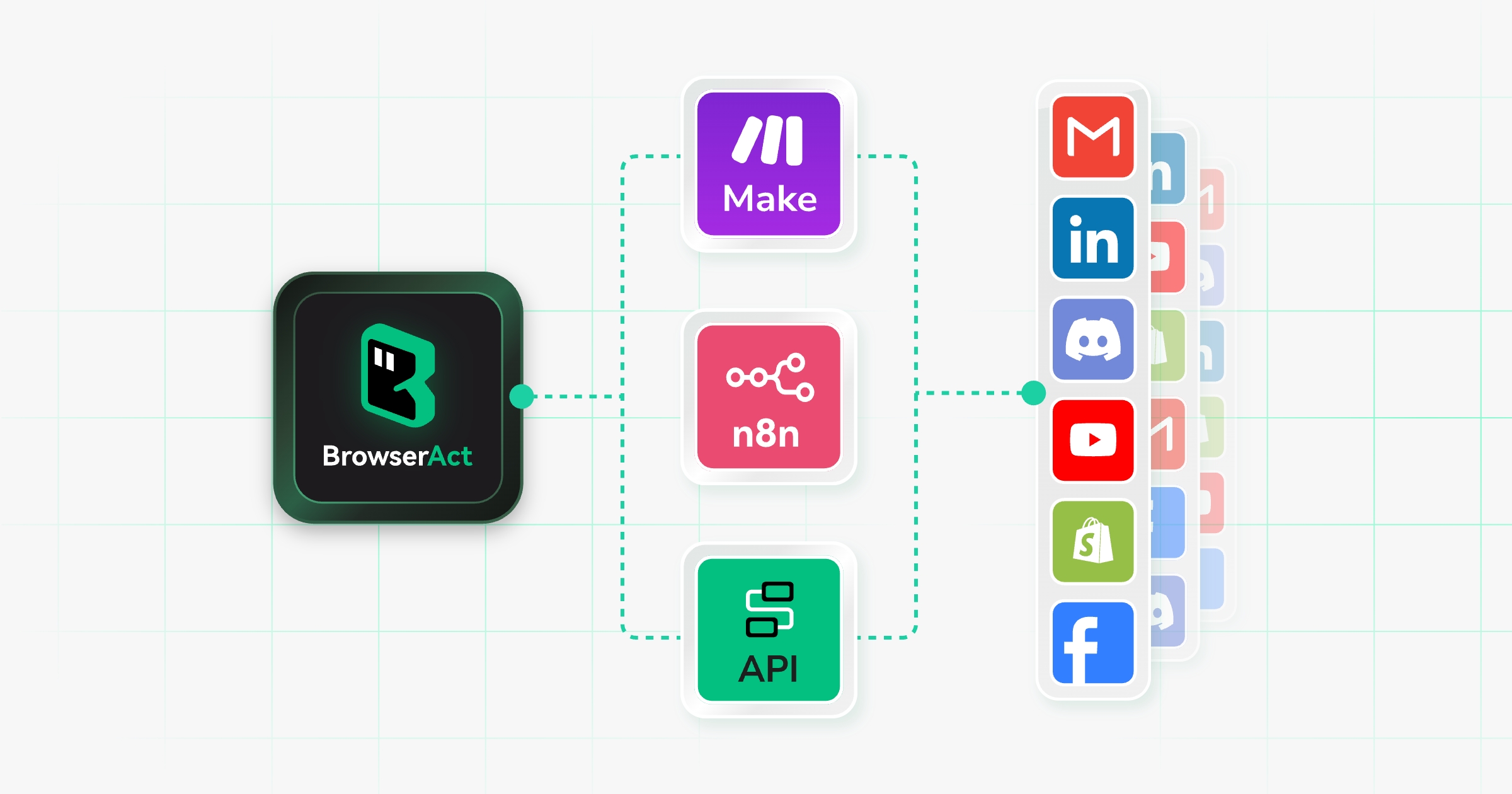
BrowserAct provides AI agents with a managed browser layer to extract live web data, handle CAPTCHAs, and execute end-to-end web tasks securely.
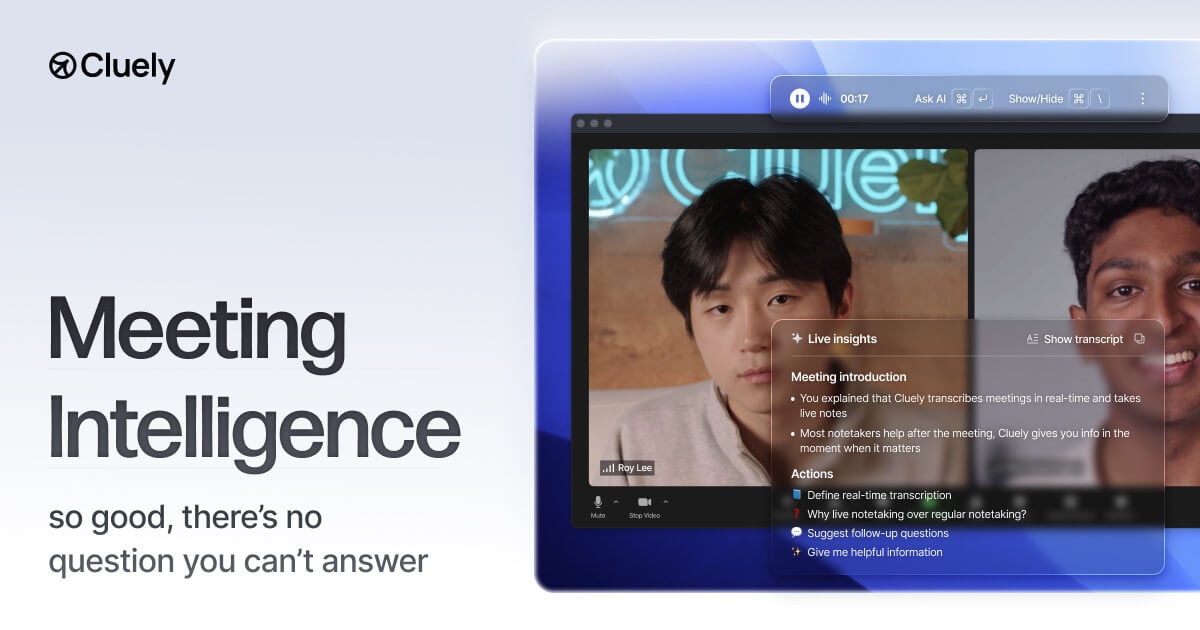
Cluely is a live AI meeting assistant that provides real-time notes, instant answers, and insights during calls. It operates undetectably on your screen, supporting major platforms like Zoom and Teams without joining meetings as a bot.
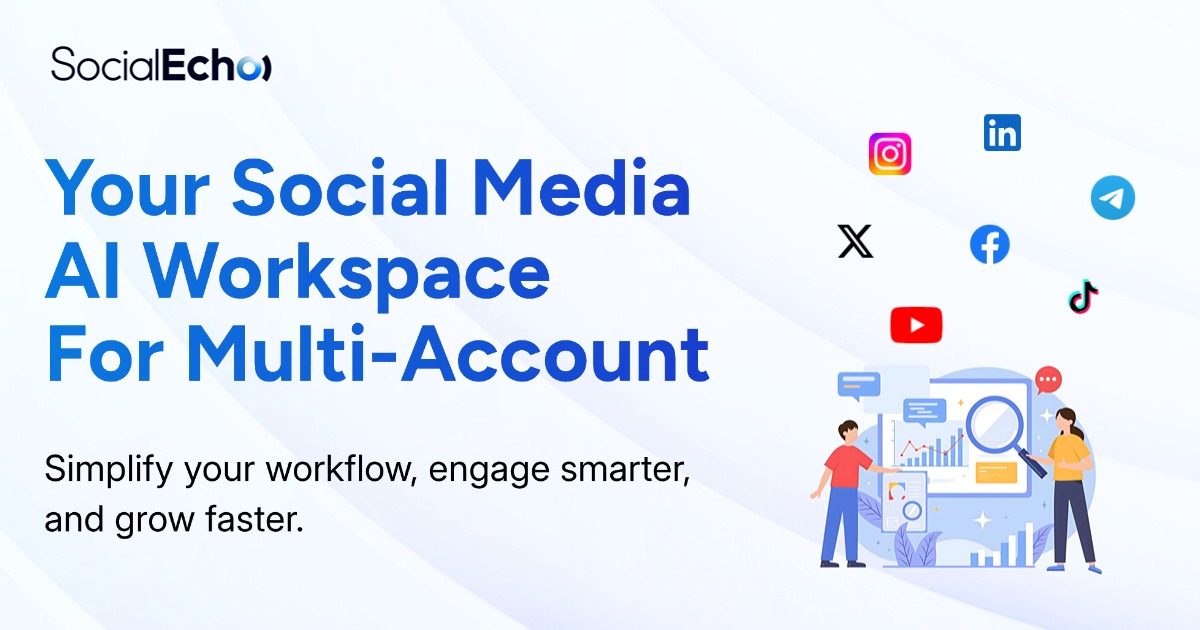
SocialEcho is an all-in-one AI social media workspace for global businesses. Connect 11+ platforms, automate replies, monitor mentions, and schedule posts with AI assistance. Starts with a 7-day free trial.
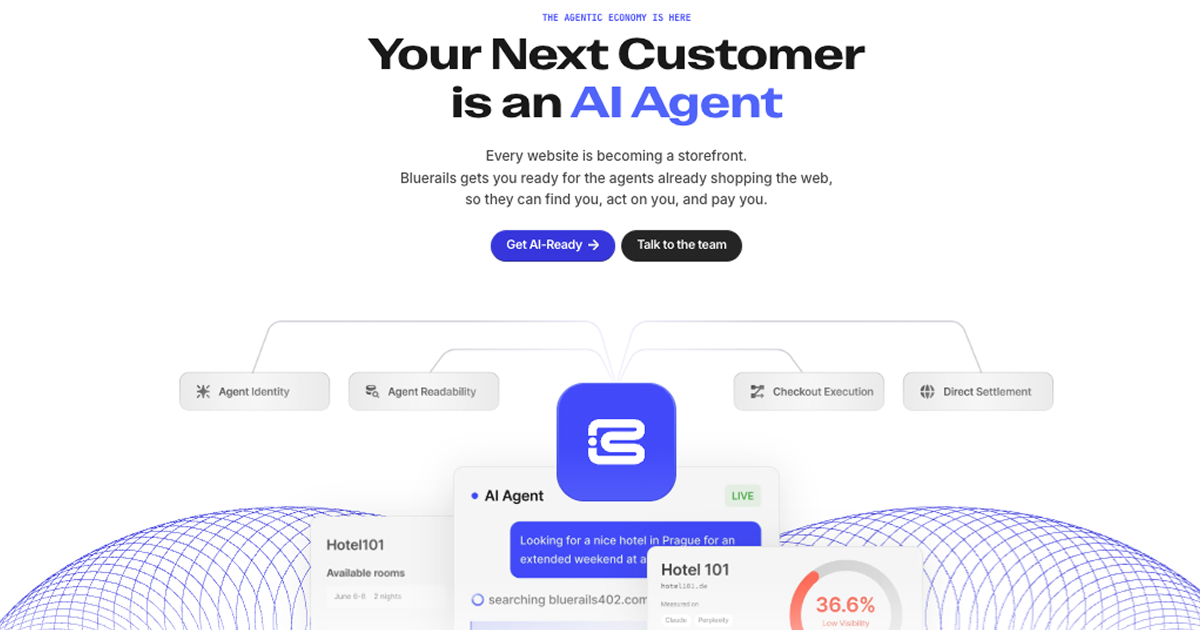
Bluerails provides payment infrastructure for the agentic economy, enabling AI agents to discover, act on, and pay businesses directly via agent-ready checkout and global settlement.
Latitude is an open-source AI agent observability platform providing full visibility into production failures. It offers semantic search, automatic issue discovery, and OTEL compatibility to help teams monitor and improve AI agent performance.
Asmi AI is a voice-based AI assistant that autonomously makes real phone calls to handle daily errands, book appointments, navigate IVRs, and coordinate with services like dentists or plumbers.

Athenic is an AI agent designed to analyze data and automate workflows. It allows users to connect data sources, query in plain English, and generate dashboards, reports, and automations for businesses of all sizes.

Mina is an AI meeting assistant designed to listen, speak, follow directions, and execute tasks live during meetings to enhance productivity and streamline collaboration.

bondAI is a personal relationship intelligence agent that uses AI to help users maintain meaningful connections by crafting messages, tracking details, and providing social media insights.
Agent Mode by Arena.ai enables autonomous AI agents to browse, research, code, and execute complex real-world tasks. Compare workflows and models via the Arena interface.
Leonardo AI is a generative platform for visual ideation, asset creation, and brand polish. It balances accessibility with production controls for designers and marketers.