
Special Breaking Analysis: Nvidia’s AI networking moat is real – but the lock-in debate continues
SiliconANGLE analyzes Nvidia's AI networking moat via Gilad Shainer, exploring agentic inference integration and ongoing debates regarding open standards versus vendor lock-in.
Signal Snapshot
Briefing Notes
What happened and why it matters
Summary
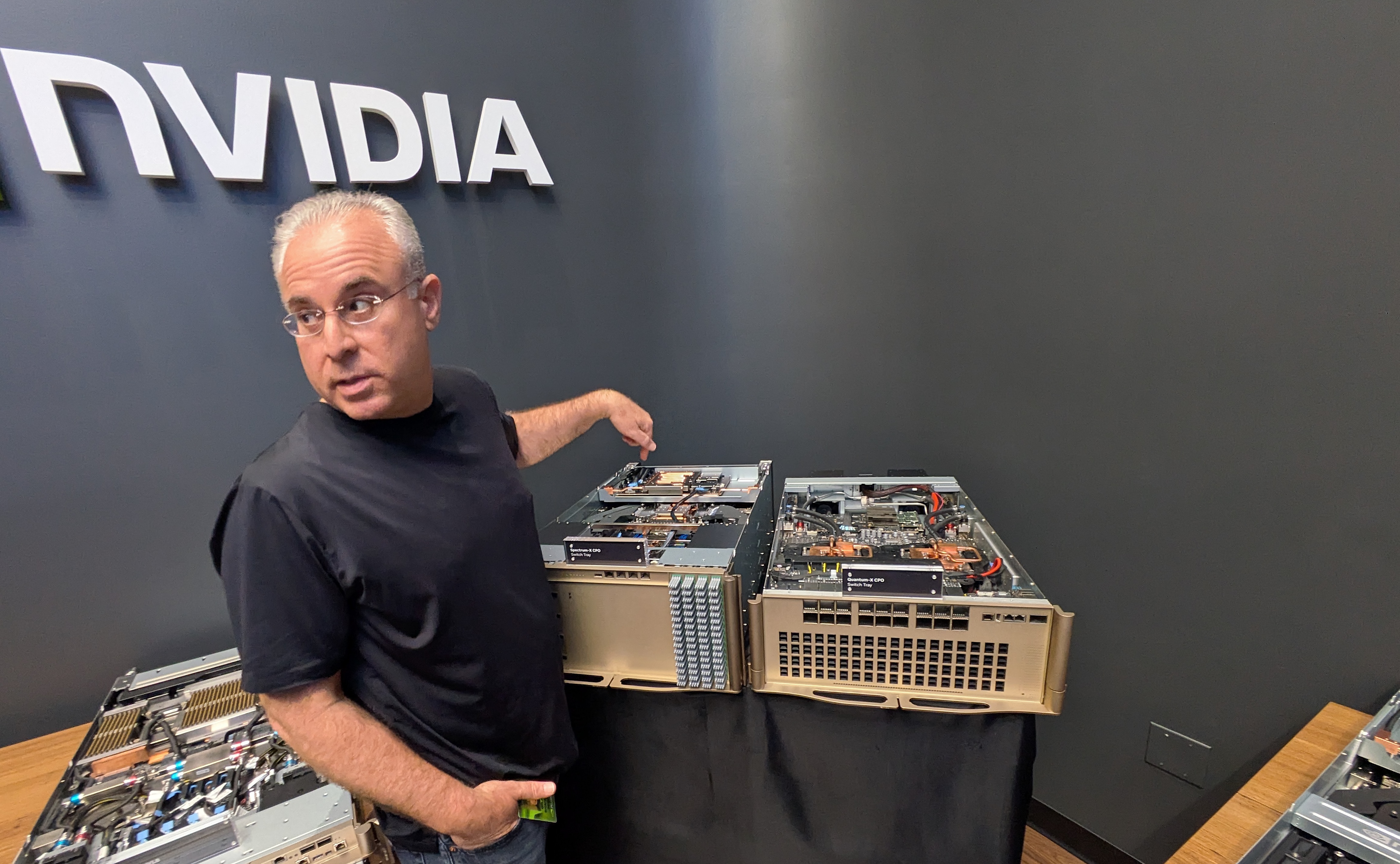
A recent editorial by SiliconANGLE, featuring insights from Gilad Shainer, provides a deep dive into the structural advantages Nvidia holds within the AI networking sector. The analysis highlights how the company’s infrastructure is becoming increasingly integral to agentic inference, a process where autonomous AI agents require robust, low-latency network connectivity to function effectively. While Nvidia’s technical lead is undeniable, the piece underscores a persistent industry tension: the balance between proprietary efficiency and the risks associated with vendor lock-in.
Why it matters
As AI models evolve from static generators to dynamic, agentic systems, the underlying network architecture becomes just as critical as the compute power itself. Nvidia’s ability to tightly couple its GPUs with its networking solutions creates a formidable "moat." However, this integration raises significant questions for enterprise architects and cloud providers. The debate over open standards is no longer just theoretical; it directly impacts cost structures, interoperability, and long-term strategic flexibility. Understanding this dynamic is essential for stakeholders evaluating their AI infrastructure roadmaps.
Related tools
For professionals looking to diversify their infrastructure or explore alternatives to proprietary networking stacks, the following resources are recommended:
- Browse AI tools to discover platforms that support multi-vendor networking environments.
- Model library to find models optimized for agentic workflows across different hardware configurations.
- Rankings to compare current market leaders in AI networking and compute efficiency.
Impact on AI tools/models
The shift toward agentic inference necessitates tools that can handle complex, multi-step reasoning processes requiring rapid data exchange. Nvidia’s networking dominance influences how these tools are deployed, often favoring solutions that leverage CUDA and NVLink ecosystems. This may marginalize tools designed for heterogeneous hardware unless they adopt more flexible, open-standard protocols. Developers must consider whether the performance gains from closed ecosystems justify the potential loss of portability and increased dependency on a single vendor.
What to watch
Industry observers should monitor several key developments in the coming quarters:
- Adoption of Open Standards: Watch for major cloud providers and enterprises announcing initiatives that prioritize open networking standards over proprietary ones, potentially challenging Nvidia’s grip.
- Agentic Inference Benchmarks: New benchmarks focusing on network latency and throughput in agentic workflows will reveal whether Nvidia’s integrated approach offers tangible performance benefits that outweigh the costs of lock-in.
- Competitor Responses: Monitor announcements from rival chipMakers and networking firms regarding their own integrated solutions, particularly those emphasizing interoperability and open-source compatibility.
For further reading on the evolving landscape of AI infrastructure, visit our AI news section for daily updates. Additionally, explore our curated rankings to see how different vendors are positioning themselves in this competitive arena. To find specific software solutions that mitigate vendor dependency, check out our directory of AI tools.
FAQ
Q: What is agentic inference? A: Agentic inference refers to the computational processes involved in running autonomous AI agents that can perform complex tasks, requiring tight integration between compute and network resources.
Q: Why is vendor lock-in a concern? A: Vendor lock-in limits flexibility, increases costs, and reduces interoperability, making it difficult for organizations to switch providers or integrate diverse hardware solutions.
Q: Who is Gilad Shainer? A: Gilad Shainer is an expert featured in the SiliconANGLE editorial providing analysis on Nvidia’s strategic position in AI networking.
Search FAQ
Frequently asked questions
FAQ
What is the core focus of the SiliconANGLE editorial?
Who is featured in the analysis?
What key concern is debated alongside Nvidia's advantage?
Keep Tracking
Related AI news
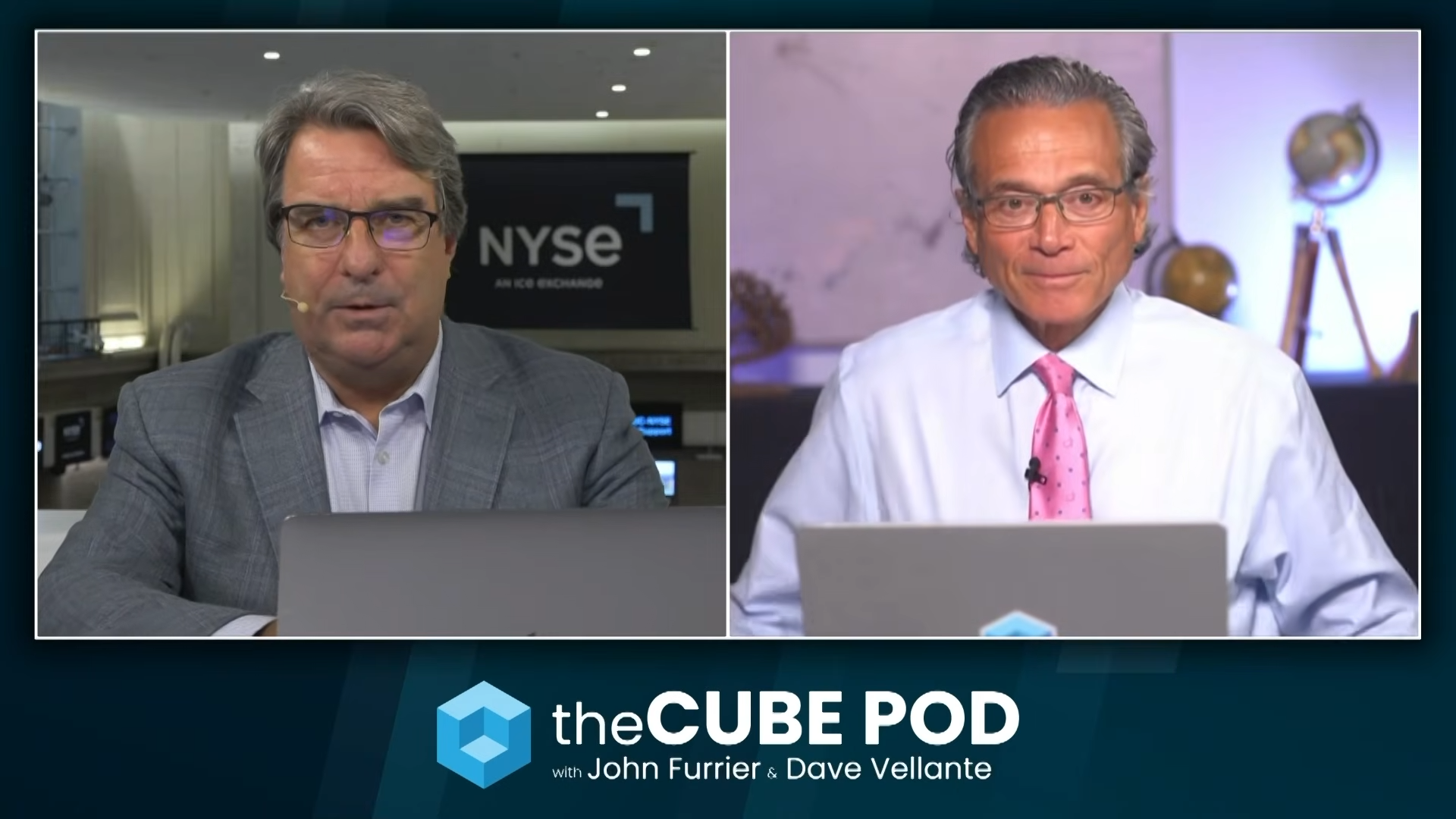
On theCUBE Pod: IBM’s AI test, Nvidia’s lead and the race for enterprise intelligence
IBM tests enterprise AI while Nvidia dominates accelerated computing. AMD and Broadcom vie for market share as the race for enterprise intelligence intensifies across hardware and software layers.

Hugging Face uses open-weights Z.ai GLM 5.2 to battle attacker after commercial frontier model refusal
Hugging Face detected a breach involving an attacker using agentic AI. Commercial frontier models blocked defensive requests due to strict safety guardrails. Hugging Face responded by deploying the open-weights Z.ai GLM 5.2 to counter the threat.

Anthropic settles with authors and publishers for $1.5B in landmark copyright case
Anthropic agrees to a $1.5 billion settlement with authors and publishers regarding the unauthorized use of creative works to train its Claude AI model, marking the largest copyright settlement in history.
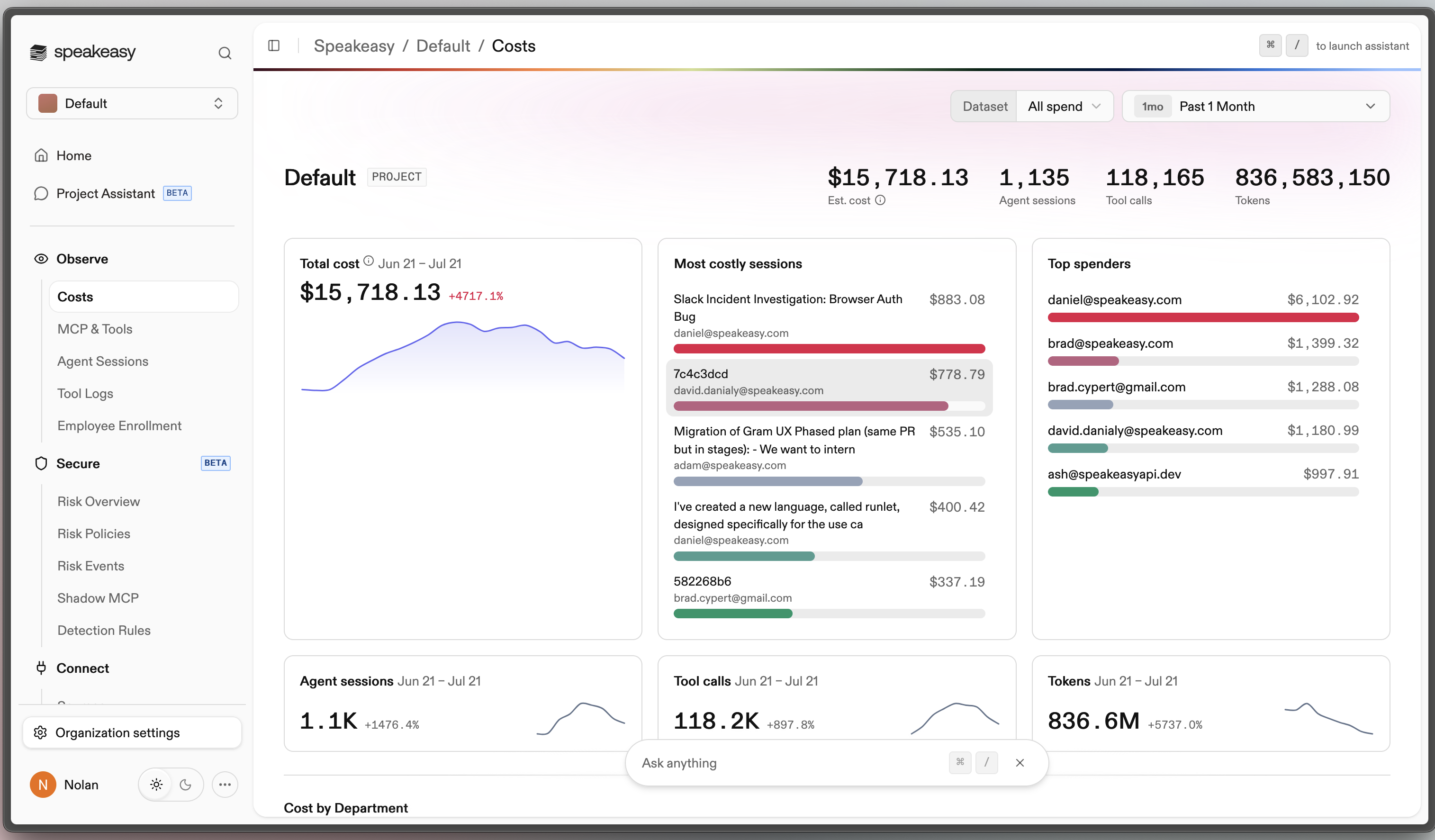
Exclusive: Speakeasy service tracks enterprise-wide AI agent spending
Speakeasy Development Inc. launched an AI cost-management service to track enterprise spending on coding agents like Claude Code, Cursor, and Codex by consolidating token usage data for financial oversight.

AI materials science startup CuspAI raises $450M in funding
UK-based AI materials science startup CuspAI secures $450M Series B funding at a $2.6B valuation, backed by Kleiner Perkins and NEA to support a chemical research consortium with Nvidia and Samsung.
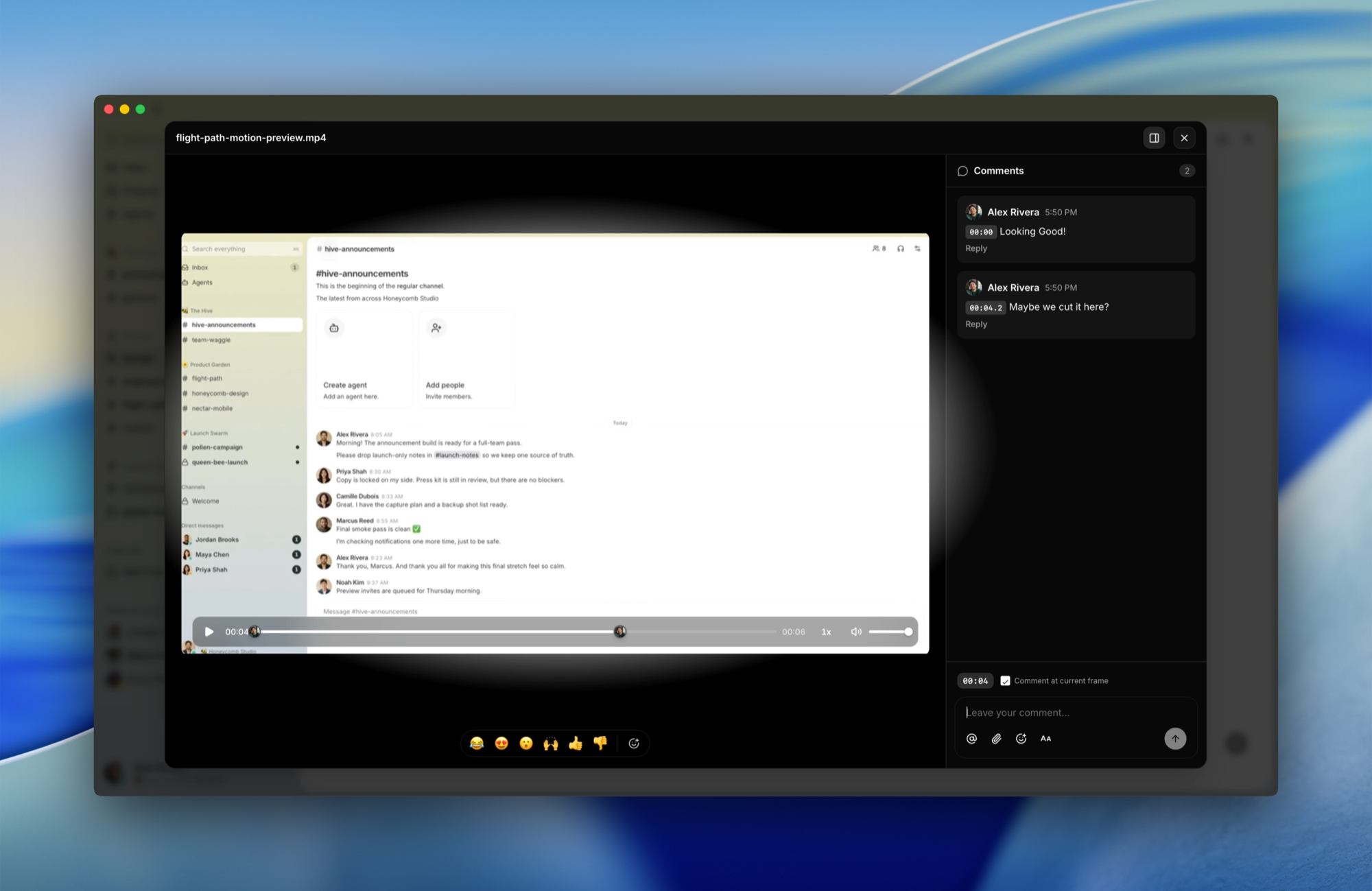
Block launches Buzz, an open-source workspace for humans and AI agents
Block Inc. launched Buzz, a free open-source workspace for human-AI collaborative teams. It unifies chat, code hosting, and workflows while granting AI dedicated accounts.
Site Discovery
Keep exploring the AI ecosystem
After this brief, continue into related tools, models, and rankings to understand whether the story affects your choices.