
What to expect during the Machina AI summit: Join theCUBE July 7
Machina AI summit explores shift from software automation to physical AI robotics, addressing safety and reliability challenges with infrastructure support from Nvidia.
Signal Snapshot
Briefing Notes
What happened and why it matters
Summary
The upcoming Machina AI summit, covered by theCUBE on July 7, highlights a critical pivot in the technology sector: the transition from purely software-based automation to "physical artificial intelligence." This emerging paradigm treats AI not just as code running on servers, but as embodied agents capable of sensing, deciding, and acting within complex physical environments. The event underscores that this shift transforms AI development into a rigorous industrial robotics challenge, demanding unprecedented levels of safety, economic viability, and operational reliability.
Why it matters
For decades, the AI revolution was largely confined to digital spaces—optimizing algorithms, generating text, or recognizing images. However, the integration of these capabilities into hardware marks a fundamental change in how industries operate. As machines move from controlled software environments to dynamic physical settings, the stakes rise significantly. A software bug might crash an app; a physical AI error could cause mechanical failure or safety hazards. This necessitates a new approach to engineering where computational power is tightly coupled with mechanical precision and environmental awareness. Companies like Nvidia are playing a pivotal role in this ecosystem by providing the specialized compute infrastructure required to handle the immense data processing needs of real-time physical decision-making.
Related tools
While specific tool names are not detailed in the source, the discussion points toward advanced robotics simulation platforms and edge computing solutions that facilitate physical AI deployment. These tools are essential for testing safety protocols before real-world implementation.
Impact on AI tools/models
The demand for physical AI is reshaping the landscape of available models. Traditional large language models are being adapted or augmented with sensory inputs and motor control outputs. This requires models that can process multimodal data—vision, touch, and spatial mapping—in real-time. Consequently, there is a growing need for AI frameworks that prioritize latency, robustness, and fail-safe mechanisms. The infrastructure provided by major tech firms is enabling these models to run efficiently on edge devices, reducing reliance on cloud connectivity for critical physical tasks.
What to watch
As the industry moves forward, several key areas will define success in physical AI. First, the standardization of safety protocols for autonomous robots will be crucial for widespread adoption across manufacturing and logistics sectors. Second, the cost-effectiveness of deploying these systems will determine whether they remain niche experiments or become industrial standards. Finally, the collaboration between software developers and hardware engineers will deepen, requiring interdisciplinary expertise.
For those interested in tracking these developments, staying updated with the latest trends in AI news is essential. Additionally, exploring the current rankings of robotics-focused platforms can provide insight into which companies are leading the charge. Readers can also browse the comprehensive list of ToolSeekAI tools to discover emerging solutions in physical AI and industrial automation.
FAQ
What is the main focus of the Machina AI summit? The summit focuses on the transition from software-only automation to physical artificial intelligence, emphasizing the challenges of safety, economics, and reliability in industrial robotics.
How does Nvidia contribute to this shift? Nvidia helps shape the compute and robotics infrastructure necessary for physical AI, providing the powerful processing capabilities needed for machines to sense, decide, and act in physical settings.
When is the Machina AI summit coverage happening? TheCUBE will cover the Machina AI summit on July 7.
Keep Tracking
Related AI news

On theCUBE Pod: IBM’s AI test, Nvidia’s lead and the race for enterprise intelligence
IBM tests enterprise AI while Nvidia dominates accelerated computing. AMD and Broadcom vie for market share as the race for enterprise intelligence intensifies across hardware and software layers.

Hugging Face uses open-weights Z.ai GLM 5.2 to battle attacker after commercial frontier model refusal
Hugging Face detected a breach involving an attacker using agentic AI. Commercial frontier models blocked defensive requests due to strict safety guardrails. Hugging Face responded by deploying the open-weights Z.ai GLM 5.2 to counter the threat.

Anthropic settles with authors and publishers for $1.5B in landmark copyright case
Anthropic agrees to a $1.5 billion settlement with authors and publishers regarding the unauthorized use of creative works to train its Claude AI model, marking the largest copyright settlement in history.
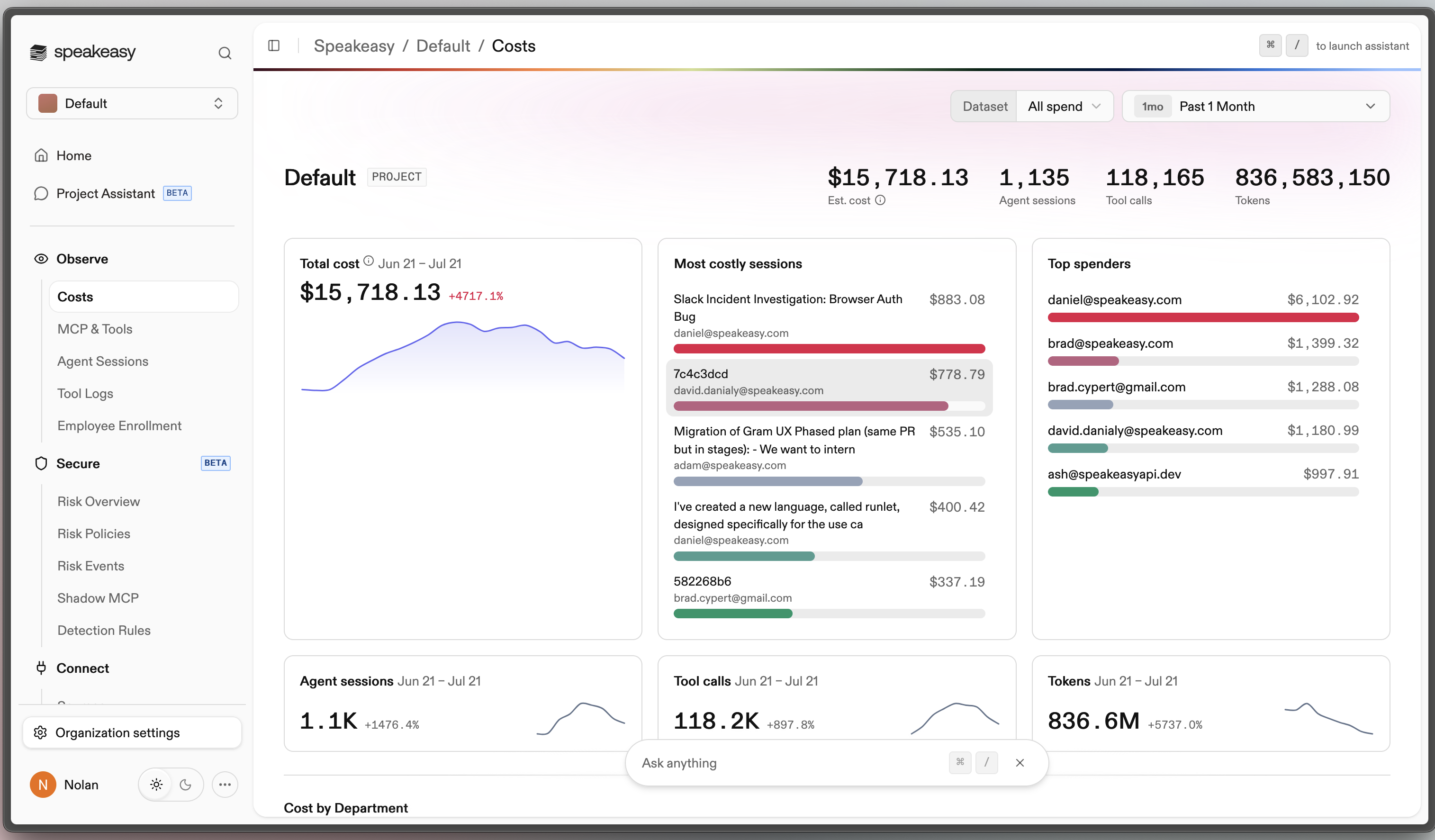
Exclusive: Speakeasy service tracks enterprise-wide AI agent spending
Speakeasy Development Inc. launched an AI cost-management service to track enterprise spending on coding agents like Claude Code, Cursor, and Codex by consolidating token usage data for financial oversight.

AI materials science startup CuspAI raises $450M in funding
UK-based AI materials science startup CuspAI secures $450M Series B funding at a $2.6B valuation, backed by Kleiner Perkins and NEA to support a chemical research consortium with Nvidia and Samsung.
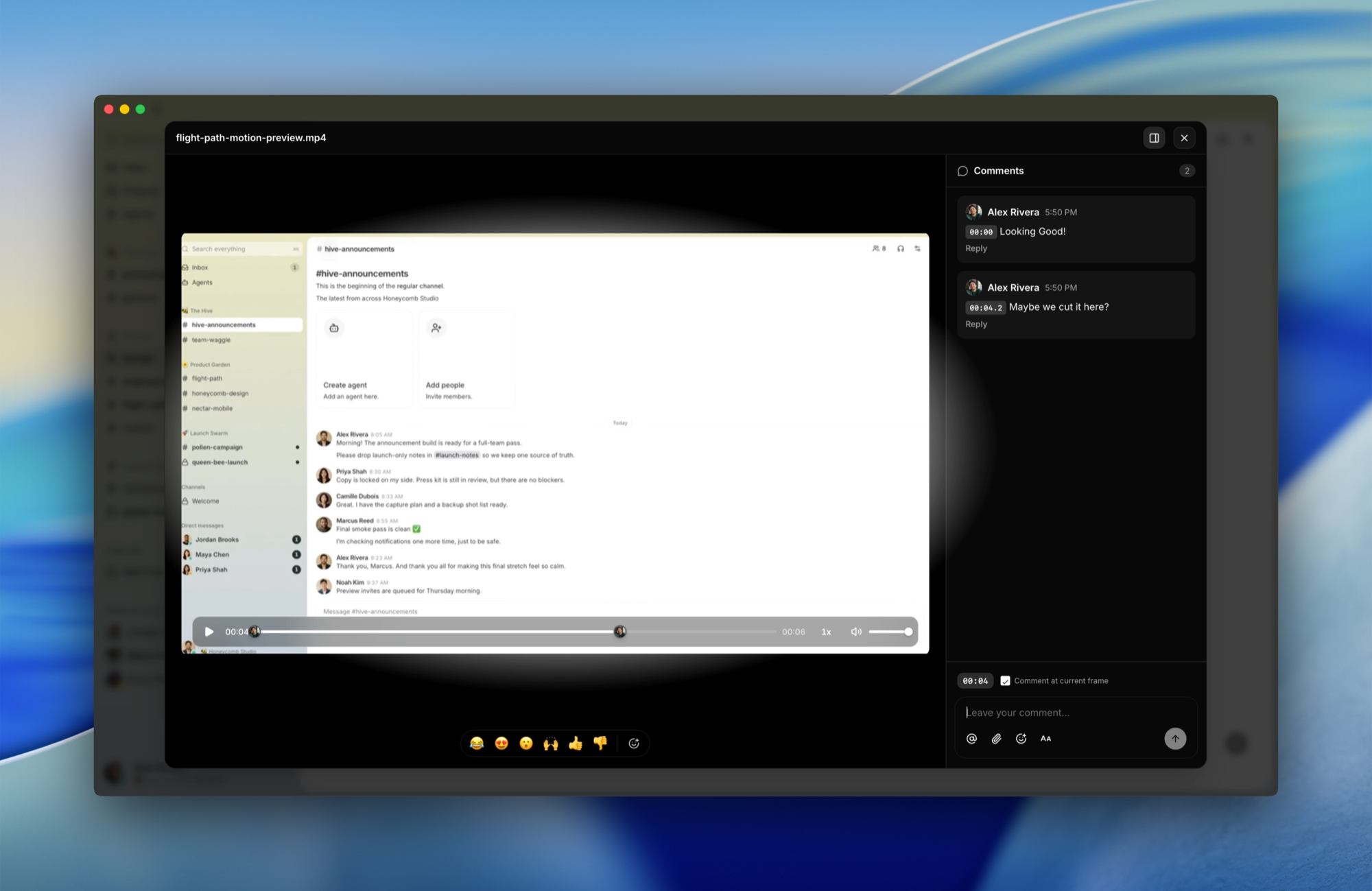
Block launches Buzz, an open-source workspace for humans and AI agents
Block Inc. launched Buzz, a free open-source workspace for human-AI collaborative teams. It unifies chat, code hosting, and workflows while granting AI dedicated accounts.
Site Discovery
Keep exploring the AI ecosystem
After this brief, continue into related tools, models, and rankings to understand whether the story affects your choices.