
Token per watt becomes the defining metric as storage moves to AI’s critical path
SiliconANGLE reports 'token per watt' is replacing raw compute as the key AI efficiency metric, driven by agentic AI's demand for context memory, placing solid-state storage at the center of infrastructure strategy.

Signal Snapshot
Briefing Notes
What happened and why it matters
Summary
According to recent reporting from SiliconANGLE, the artificial intelligence industry is undergoing a significant paradigm shift in how it measures performance and efficiency. The traditional focus on raw computational power is being superseded by "token per watt" as the defining metric for AI data centers. This change is largely driven by the emergence of agentic AI, which requires exponentially larger context windows and memory management capabilities. Consequently, solid-state storage is moving from a peripheral component to the critical path of AI infrastructure, reshaping industry standards for cost, scale, and operational efficiency.
Why it matters
The transition to token-per-watt as the primary efficiency indicator signals a maturation in AI hardware requirements. For years, the narrative centered on maximizing floating-point operations per second (FLOPS). However, as AI models evolve into autonomous agents capable of complex reasoning over long contexts, the bottleneck shifts from pure calculation to data throughput and memory access. Storage systems that can deliver high token density with minimal energy consumption become essential. This affects capital expenditure decisions for cloud providers and enterprise AI builders, who must now prioritize storage architectures that support massive context memory without incurring prohibitive energy costs. It also highlights the growing importance of non-volatile memory technologies in sustaining the next generation of intelligent applications.
Related tools
Impact on AI tools/models
This shift impacts how AI tools and models are deployed and optimized. Developers and platform engineers will need to evaluate storage solutions based on their ability to sustain high token throughput relative to power draw. Models that require extensive context retention, such as those used in long-form content generation, complex code analysis, or multi-step agentic workflows, will benefit most from storage systems optimized for this new metric. It may also lead to a re-evaluation of model architectures, favoring designs that minimize redundant data retrieval and maximize the utility of each stored token. The industry standard for benchmarking will likely evolve to include storage efficiency alongside compute benchmarks, providing a more holistic view of system performance.
What to watch
As the industry adapts to this new efficiency metric, several trends are worth monitoring. First, observe how major cloud providers adjust their pricing models to reflect the value of storage-efficient token processing. Second, watch for innovations in solid-state drive (SSD) technology specifically marketed for AI workloads, emphasizing token-per-watt performance. Third, keep an eye on new benchmarking suites that incorporate storage efficiency into their scoring algorithms. For ongoing updates on these developments, readers should explore our latest coverage on AI news and check the current rankings of efficient AI infrastructure providers. Additionally, reviewing the broader landscape of ToolSeekAI tools can help identify emerging solutions designed for this storage-centric era.
FAQ
What is the new defining metric for AI data centers? Token per watt is emerging as the key efficiency metric, replacing raw compute as the primary measure of performance and cost-effectiveness.
Why is storage becoming critical in AI infrastructure? Agentic AI drives an explosion in context memory demand, making solid-state storage essential for handling large data volumes efficiently without excessive energy use.
How does this affect AI model deployment? Models requiring long context windows will benefit from storage systems optimized for token-per-watt efficiency, influencing both hardware choices and software optimization strategies.
Keep Tracking
Related AI news

On theCUBE Pod: IBM’s AI test, Nvidia’s lead and the race for enterprise intelligence
IBM tests enterprise AI while Nvidia dominates accelerated computing. AMD and Broadcom vie for market share as the race for enterprise intelligence intensifies across hardware and software layers.

Hugging Face uses open-weights Z.ai GLM 5.2 to battle attacker after commercial frontier model refusal
Hugging Face detected a breach involving an attacker using agentic AI. Commercial frontier models blocked defensive requests due to strict safety guardrails. Hugging Face responded by deploying the open-weights Z.ai GLM 5.2 to counter the threat.

Anthropic settles with authors and publishers for $1.5B in landmark copyright case
Anthropic agrees to a $1.5 billion settlement with authors and publishers regarding the unauthorized use of creative works to train its Claude AI model, marking the largest copyright settlement in history.
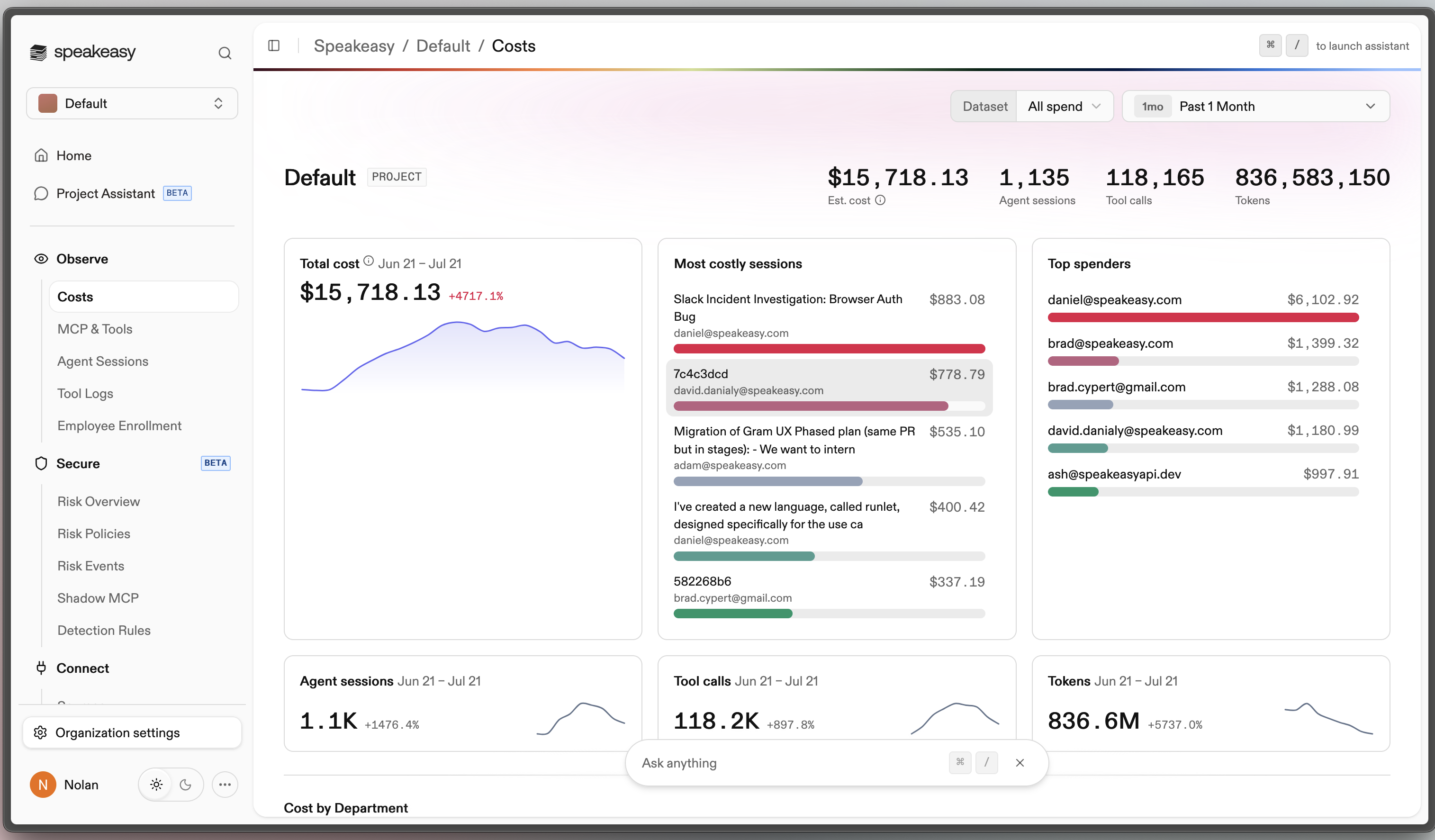
Exclusive: Speakeasy service tracks enterprise-wide AI agent spending
Speakeasy Development Inc. launched an AI cost-management service to track enterprise spending on coding agents like Claude Code, Cursor, and Codex by consolidating token usage data for financial oversight.

AI materials science startup CuspAI raises $450M in funding
UK-based AI materials science startup CuspAI secures $450M Series B funding at a $2.6B valuation, backed by Kleiner Perkins and NEA to support a chemical research consortium with Nvidia and Samsung.
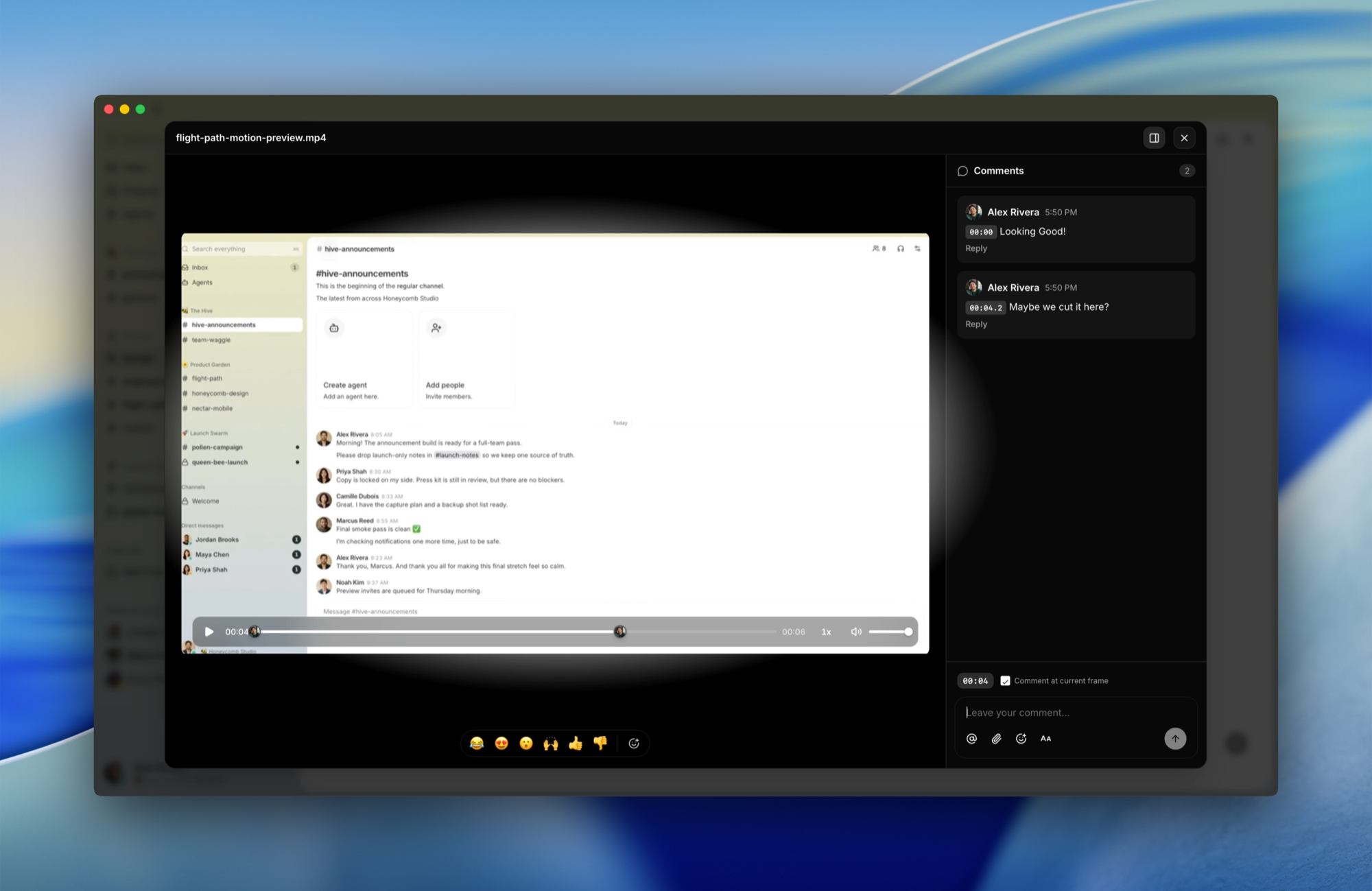
Block launches Buzz, an open-source workspace for humans and AI agents
Block Inc. launched Buzz, a free open-source workspace for human-AI collaborative teams. It unifies chat, code hosting, and workflows while granting AI dedicated accounts.
Site Discovery
Keep exploring the AI ecosystem
After this brief, continue into related tools, models, and rankings to understand whether the story affects your choices.