
Syntiant, which makes low-power chips for on-device AI, files for initial public offering
Syntiant, a maker of low-power on-device AI chips, has filed for an IPO with the SEC, aiming to leverage growing investor interest in local AI hardware solutions.
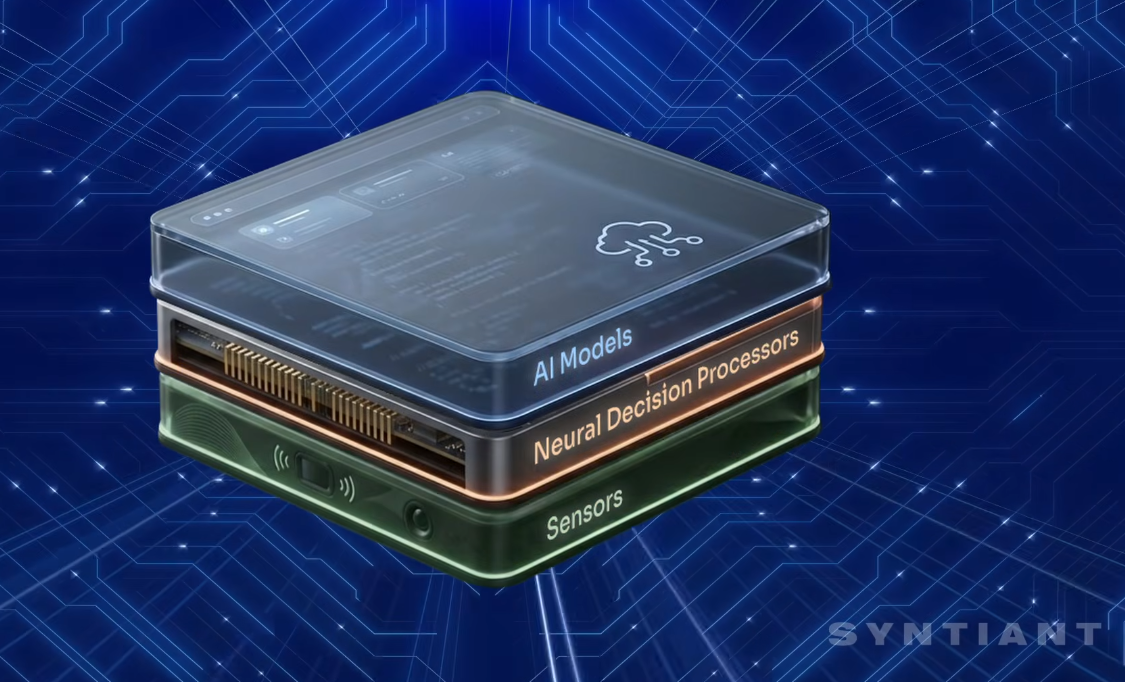
Signal Snapshot
Briefing Notes
What happened and why it matters
Summary
Syntiant Corp., a technology company specializing in the development of low-power processors for on-device artificial intelligence, has officially filed for an initial public offering (IPO) with the U.S. Securities and Exchange Commission (SEC). This strategic move positions the company to capitalize on the surging investor interest in local AI hardware. By going public, Syntiant aims to secure the necessary capital to expand its operations and solidify its position in the competitive landscape of edge computing solutions.
Why it matters
The filing of Syntiant represents a significant milestone in the broader narrative of AI hardware evolution. As the demand for AI capabilities grows, there is a shifting focus from purely cloud-based processing to on-device inference. This shift is driven by the need for lower latency, enhanced privacy, and reduced bandwidth costs. Syntiant’s specialization in low-power processors addresses these critical needs, making their technology highly relevant for mobile devices, IoT sensors, and other edge computing applications. The company’s decision to seek public funding highlights the confidence investors have in the viability and growth potential of the on-device AI sector. Furthermore, this IPO could set a precedent for other specialized AI chipMakers, potentially leading to increased competition and innovation in the field of energy-efficient AI hardware.
Related tools
For those interested in exploring the ecosystem surrounding AI hardware and software integration, several resources are available. Users can browse the extensive list of AI tools to discover products that complement Syntiant’s hardware solutions. Additionally, the model library offers access to various weights and APIs that can be optimized for edge deployment. For a curated perspective on industry leaders, the rankings provide insights into top-performing companies and technologies in the AI space.
Impact on AI tools/models
Syntiant’s entry into the public market underscores the importance of efficient, low-power AI processing. This trend is likely to influence the development of AI models, pushing developers to optimize their algorithms for edge devices rather than relying solely on cloud infrastructure. As a result, we may see a rise in lightweight models that maintain high performance while consuming minimal energy. This shift will benefit users by enabling more responsive and private AI interactions on personal devices. Moreover, the increased visibility of on-device AI through Syntiant’s IPO could accelerate adoption rates among consumer electronics manufacturers, leading to more widespread integration of AI capabilities in everyday gadgets.
What to watch
As Syntiant progresses through its IPO process, several key areas warrant attention. First, monitor the financial details disclosed in the prospectus to understand the company’s valuation and growth projections. Second, keep an eye on industry reactions and analyst reports regarding the potential impact of Syntiant’s public listing on the broader AI hardware market. Finally, track any partnerships or technological advancements announced by Syntiant, as these could signal future directions in on-device AI processing. For ongoing updates on such developments, readers are encouraged to explore the latest news on ToolSeekAI news and review the current tool rankings to stay informed about emerging trends in AI technology.
FAQ
What is Syntiant? Syntiant is a company that develops low-power processors specifically designed for on-device artificial intelligence applications.
Why did Syntiant file for an IPO? Syntiant filed for an IPO to capitalize on investor interest in local AI hardware and to raise funds for expansion and operational growth.
How does Syntiant’s technology impact AI development? By focusing on low-power processing, Syntiant enables more efficient and private AI execution on edge devices, influencing the optimization of AI models for smaller, less powerful hardware.
Search FAQ
Frequently asked questions
FAQ
What type of chips does Syntiant make?
Where did Syntiant file its IPO paperwork?
Keep Tracking
Related AI news

On theCUBE Pod: IBM’s AI test, Nvidia’s lead and the race for enterprise intelligence
IBM tests enterprise AI while Nvidia dominates accelerated computing. AMD and Broadcom vie for market share as the race for enterprise intelligence intensifies across hardware and software layers.

Hugging Face uses open-weights Z.ai GLM 5.2 to battle attacker after commercial frontier model refusal
Hugging Face detected a breach involving an attacker using agentic AI. Commercial frontier models blocked defensive requests due to strict safety guardrails. Hugging Face responded by deploying the open-weights Z.ai GLM 5.2 to counter the threat.

Anthropic settles with authors and publishers for $1.5B in landmark copyright case
Anthropic agrees to a $1.5 billion settlement with authors and publishers regarding the unauthorized use of creative works to train its Claude AI model, marking the largest copyright settlement in history.
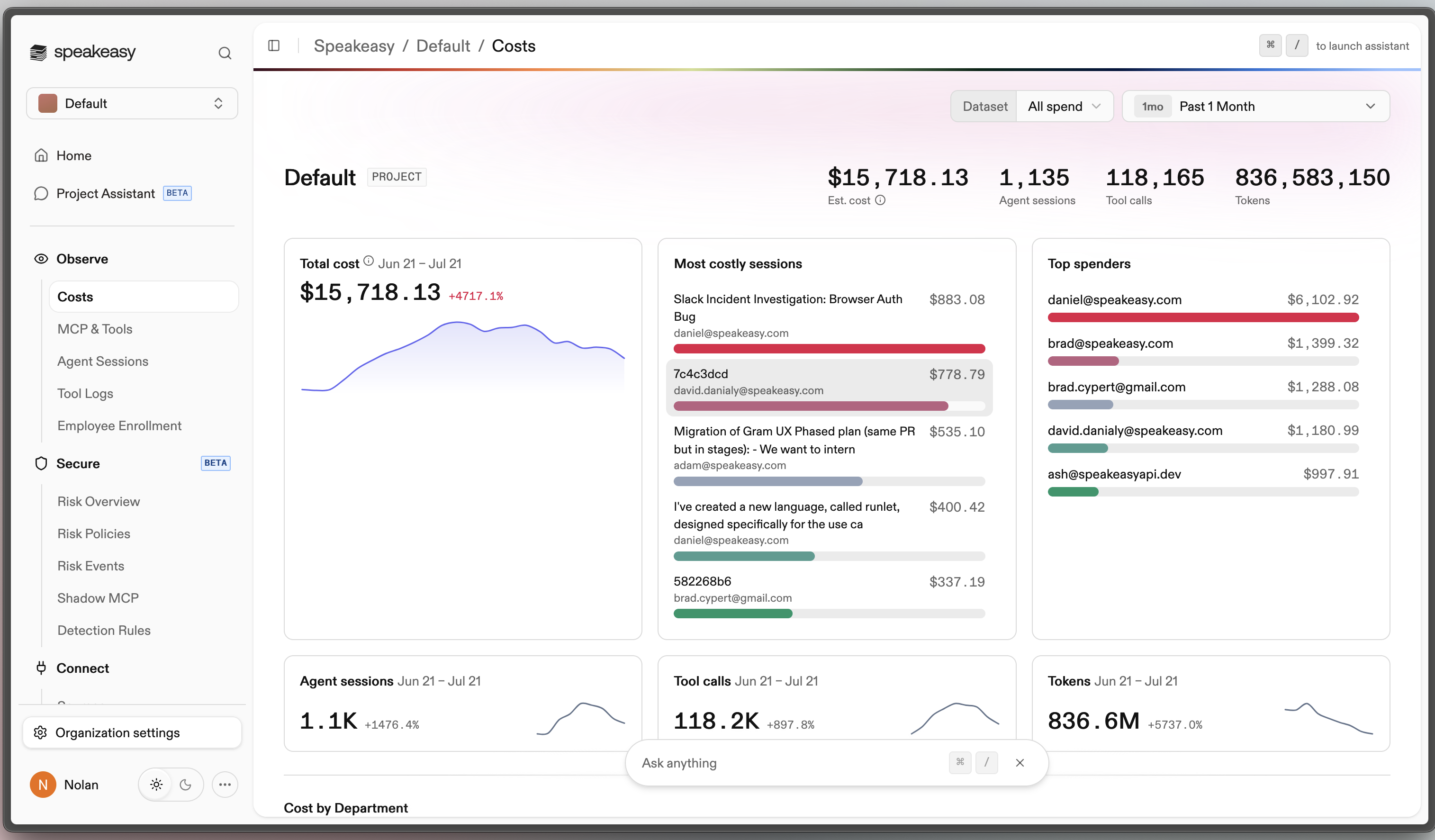
Exclusive: Speakeasy service tracks enterprise-wide AI agent spending
Speakeasy Development Inc. launched an AI cost-management service to track enterprise spending on coding agents like Claude Code, Cursor, and Codex by consolidating token usage data for financial oversight.

AI materials science startup CuspAI raises $450M in funding
UK-based AI materials science startup CuspAI secures $450M Series B funding at a $2.6B valuation, backed by Kleiner Perkins and NEA to support a chemical research consortium with Nvidia and Samsung.
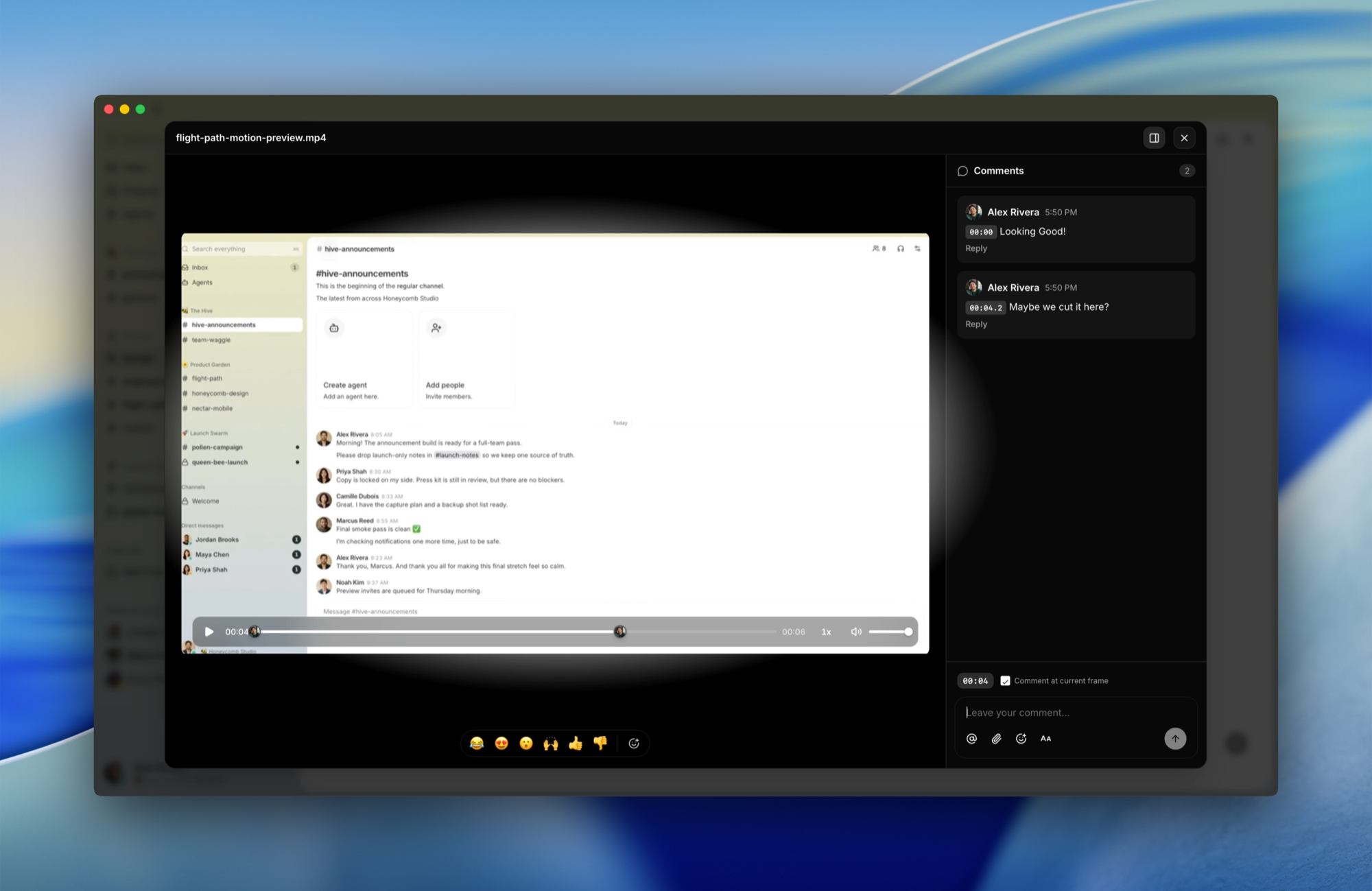
Block launches Buzz, an open-source workspace for humans and AI agents
Block Inc. launched Buzz, a free open-source workspace for human-AI collaborative teams. It unifies chat, code hosting, and workflows while granting AI dedicated accounts.
Site Discovery
Keep exploring the AI ecosystem
After this brief, continue into related tools, models, and rankings to understand whether the story affects your choices.