
Stathera nabs $55M to make vacuum-sealed silicon oscillators for AI chips
Stathera raises $55M Series A led by Maverick Silicon to develop vacuum-sealed silicon oscillators critical for next-gen AI chip performance.

Signal Snapshot
Briefing Notes
What happened and why it matters
Summary
Stathera Inc. has successfully closed a $55 million Series A funding round, marking a significant investment in semiconductor infrastructure tailored for the artificial intelligence sector. The round was led by Maverick Silicon, a fund specifically focused on semiconductor investments. Notable participants included MediaTek Inc.’s venture capital arm, Celesta Capital, alongside several other investors. This capital injection is designated for the development and manufacturing of vacuum-sealed silicon oscillators, components that are fundamental to the operation of modern processors.
Why it matters
Oscillators serve as the heartbeat of electronic devices, generating precise signals that synchronize operations within a processor. As AI workloads become increasingly complex, the demand for high-performance, stable, and energy-efficient components has never been higher. Traditional oscillators often struggle with noise and stability issues under heavy computational loads. Stathera’s focus on vacuum-sealed technology suggests an attempt to mitigate these physical limitations, potentially offering superior signal integrity and reduced power consumption. For the AI hardware ecosystem, this represents a move toward solving bottleneck issues in chip performance that are not directly related to transistor density but rather to foundational signal generation.
Related tools
While Stathera focuses on hardware components, the broader landscape of AI development relies heavily on software optimization and model management. For developers looking to optimize models that run on such advanced hardware, exploring efficient inference engines is crucial. Additionally, monitoring the latest advancements in semiconductor supply chains can provide context for hardware availability. Relevant resources include:
- Optimization tools for refining model efficiency.
- Hardware news tracking semiconductor developments.
- Industry rankings to stay updated on leading tech firms.
Impact on AI tools/models
The impact of Stathera’s technology extends beyond raw hardware specs. Stable oscillators contribute to lower jitter and more consistent clock speeds, which can improve the reliability of large-scale AI training runs. For inference models deployed at scale, this consistency can translate to predictable latency and reduced error rates. While the tool itself is a physical component, its integration into AI stacks enables more robust deployment environments. Developers and enterprises investing in AI infrastructure should view advancements in passive components like oscillators as part of the holistic strategy for building scalable, reliable AI systems.
What to watch
Investors and industry analysts will be watching how quickly Stathera can transition from funding to mass production. The partnership with MediaTek is particularly interesting, as it hints at potential integration into mobile or edge AI devices, not just data center servers. Furthermore, the competitive landscape for semiconductor components is evolving rapidly, with new entrants focusing on niche areas like timing solutions. Keeping an eye on AI news will help track how this funding impacts market dynamics. Additionally, reviewing tool rankings may reveal shifts in preference for hardware-accelerated solutions. Finally, exploring available tools for hardware simulation can provide deeper insights into how these components interact with modern AI architectures.
FAQ
What is Stathera's primary product? Stathera manufactures vacuum-sealed silicon oscillators designed to improve signal generation in modern processors.
Who led Stathera's Series A funding? The round was led by Maverick Silicon, a semiconductor-focused fund.
Why are oscillators important for AI chips? Oscillators generate the timing signals necessary for processor synchronization, affecting performance, stability, and power efficiency in AI workloads.
Keep Tracking
Related AI news
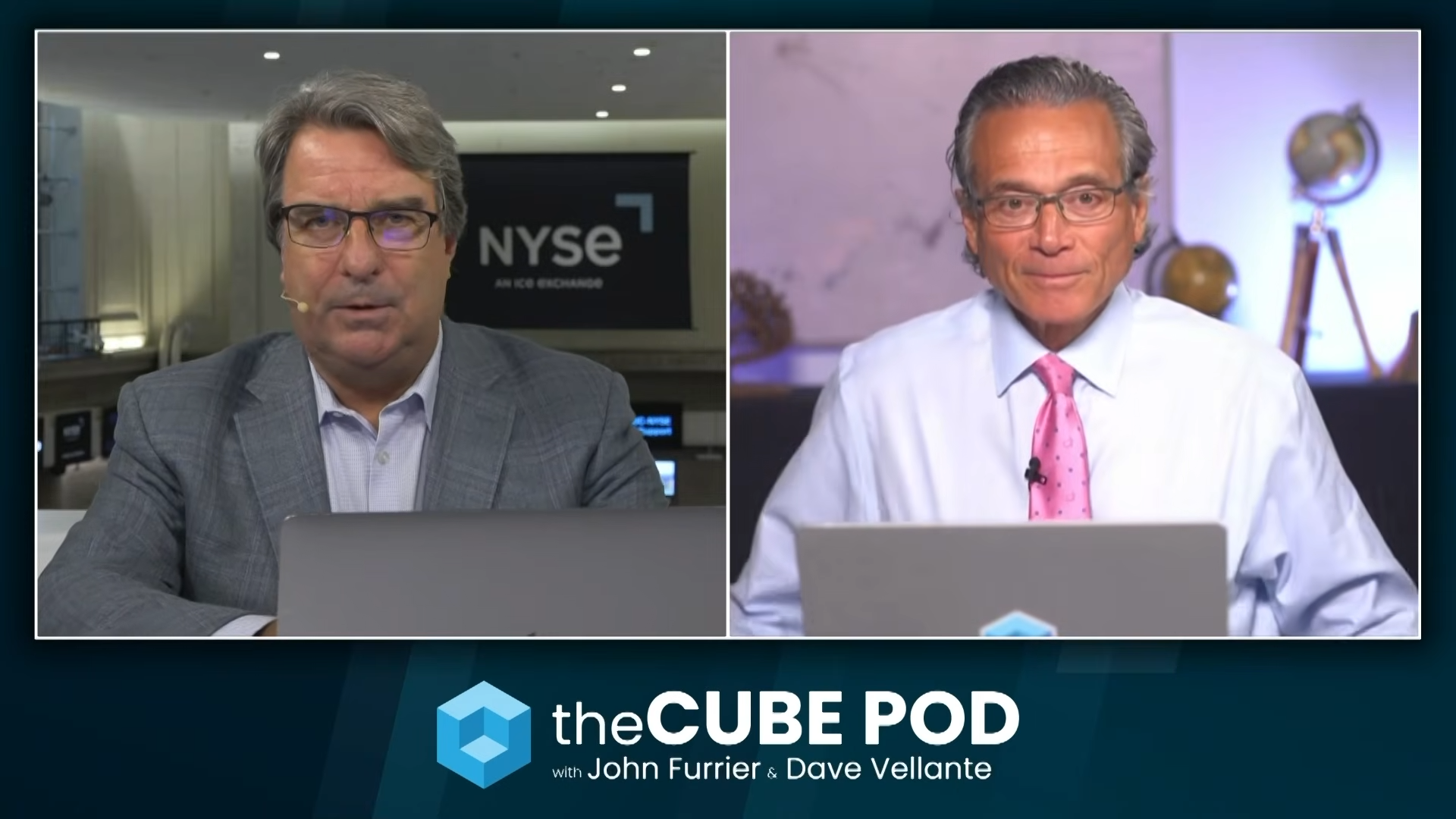
On theCUBE Pod: IBM’s AI test, Nvidia’s lead and the race for enterprise intelligence
IBM tests enterprise AI while Nvidia dominates accelerated computing. AMD and Broadcom vie for market share as the race for enterprise intelligence intensifies across hardware and software layers.
Hugging Face uses open-weights Z.ai GLM 5.2 to battle attacker after commercial frontier model refusal
Hugging Face detected a breach involving an attacker using agentic AI. Commercial frontier models blocked defensive requests due to strict safety guardrails. Hugging Face responded by deploying the open-weights Z.ai GLM 5.2 to counter the threat.

Anthropic settles with authors and publishers for $1.5B in landmark copyright case
Anthropic agrees to a $1.5 billion settlement with authors and publishers regarding the unauthorized use of creative works to train its Claude AI model, marking the largest copyright settlement in history.
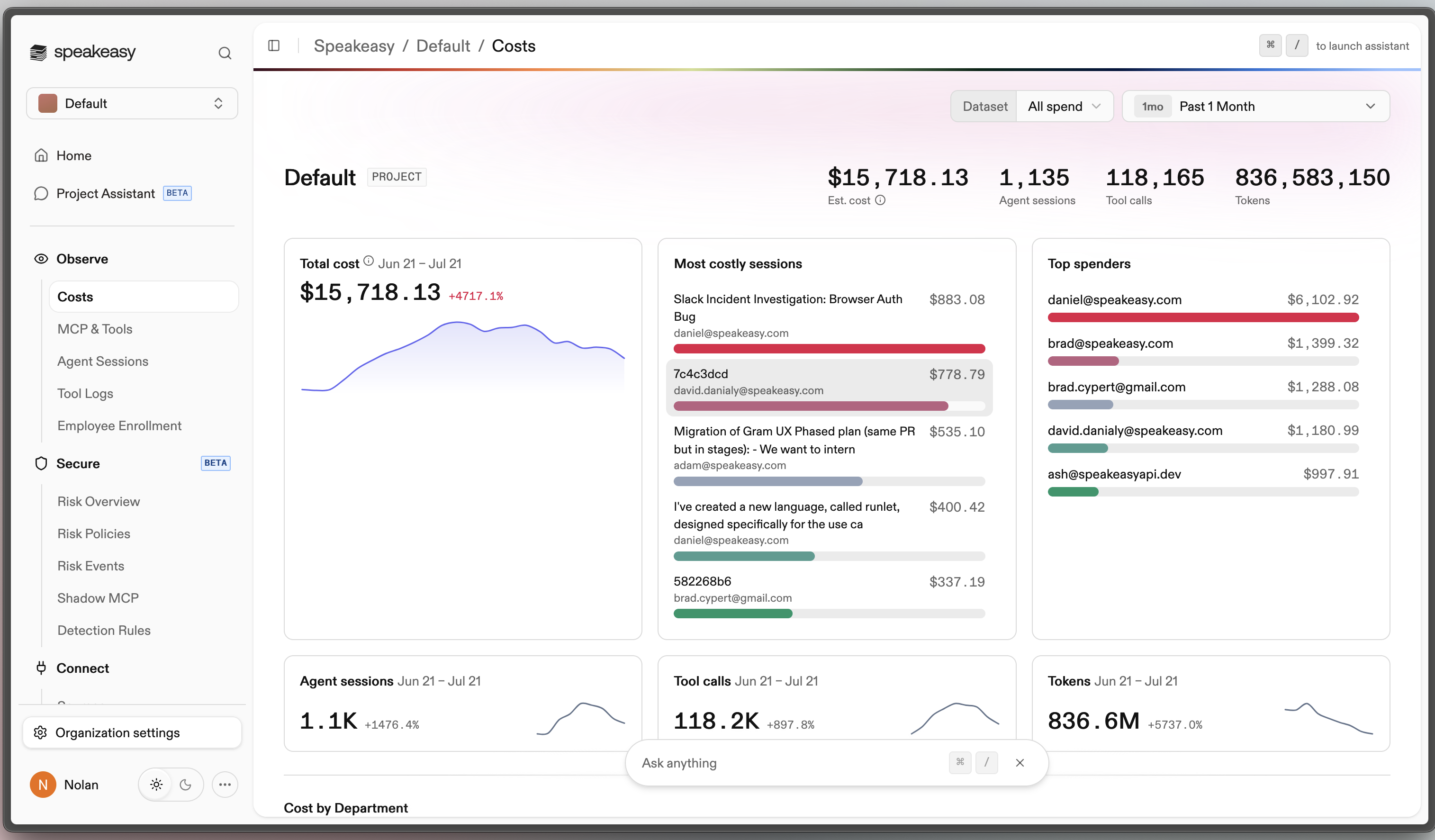
Exclusive: Speakeasy service tracks enterprise-wide AI agent spending
Speakeasy Development Inc. launched an AI cost-management service to track enterprise spending on coding agents like Claude Code, Cursor, and Codex by consolidating token usage data for financial oversight.

AI materials science startup CuspAI raises $450M in funding
UK-based AI materials science startup CuspAI secures $450M Series B funding at a $2.6B valuation, backed by Kleiner Perkins and NEA to support a chemical research consortium with Nvidia and Samsung.
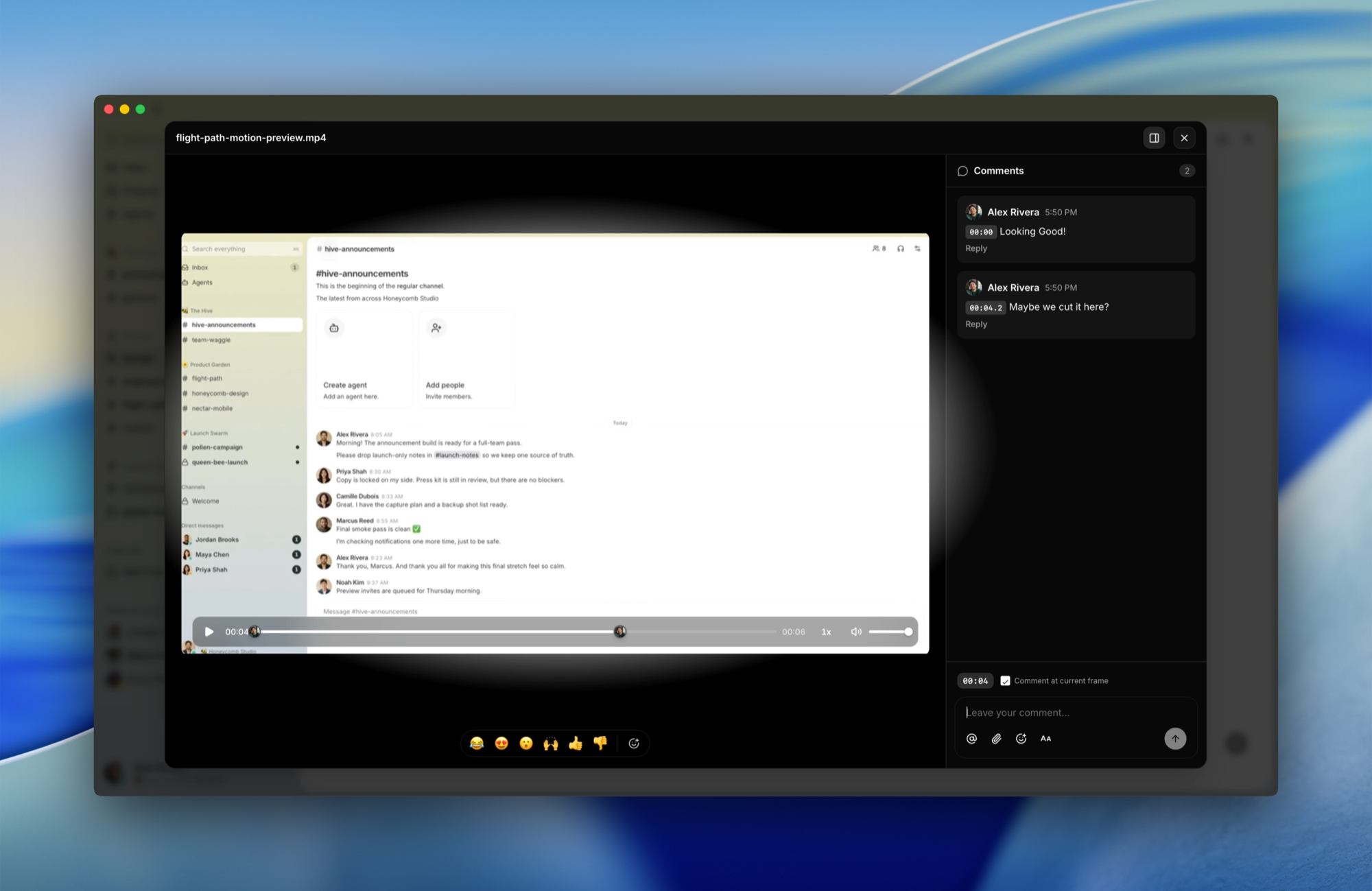
Block launches Buzz, an open-source workspace for humans and AI agents
Block Inc. launched Buzz, a free open-source workspace for human-AI collaborative teams. It unifies chat, code hosting, and workflows while granting AI dedicated accounts.
Site Discovery
Keep exploring the AI ecosystem
After this brief, continue into related tools, models, and rankings to understand whether the story affects your choices.