
Inference chip startup Etched launches with $800M in funding
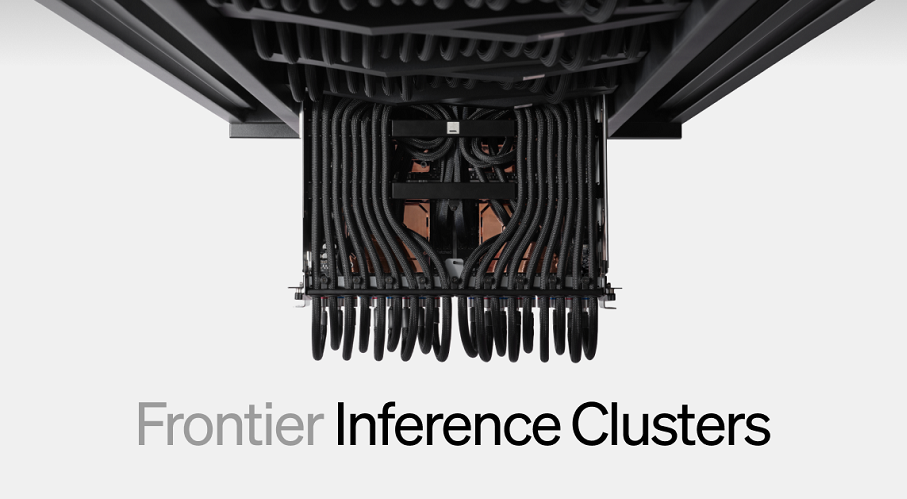
Etched Inc., an AI inference chip startup, launches with $800M funding and a $5B valuation backed by VentureTech Alliance.
Signal Snapshot
Briefing Notes
What happened and why it matters
Summary
Etched Inc. has officially entered the market as a new player in the artificial intelligence hardware sector, securing a substantial $800 million in total funding. This significant financial injection places the company at a $5 billion valuation following its latest investment round completed in December. The primary backer for this milestone is VentureTech Alliance, signaling strong institutional confidence in Etched’s technological approach. As a startup dedicated specifically to AI inference chips, Etched aims to address the growing computational demands of deploying trained models in real-world applications.
Why it matters
The launch of Etched highlights the intensifying competition in the specialized silicon market. While many companies focus on training large language models, the bottleneck for widespread AI adoption often lies in inference—the process of running those models to generate predictions or responses. By raising $800 million, Etched demonstrates that investors are willing to bet heavily on niche hardware solutions that promise efficiency gains over general-purpose GPUs. The $5 billion valuation underscores the high stakes involved in building infrastructure that can Make AI faster, cheaper, and more accessible for enterprise and consumer use cases alike.
Related tools
For developers looking to test models on various hardware backends, exploring the Model library can provide insights into compatible architectures. Additionally, staying updated on emerging hardware startups is crucial for understanding the evolving landscape of AI news.
Impact on AI tools/models
Etched’s entry into the market suggests a shift towards hardware-software co-design. Specialized inference chips are typically optimized for specific workloads, potentially offering lower latency and reduced energy consumption compared to traditional GPU-based inference. This could influence how developers choose deployment environments for their models. As these chips mature, they may become preferred endpoints for high-throughput applications, forcing competitors to innovate on power efficiency and throughput per watt. The availability of such specialized hardware could also democratize access to advanced AI capabilities by lowering operational costs for service providers.
What to watch
As Etched begins production and shipping, several key areas require monitoring. First, the actual performance benchmarks of their chips against established competitors like NVIDIA or AMD will be critical. Second, the adoption rate among major cloud providers and enterprise customers will indicate market viability. Finally, the broader trend of funding in AI hardware startups will likely accelerate, as seen with Etched’s massive raise. For ongoing updates on these developments, readers should regularly check the rankings of top AI infrastructure companies. Furthermore, exploring the Browse AI tools section can help users identify which platforms are already integrating or planning to integrate Etched’s technology. Keeping an eye on AI news will ensure you stay informed about any partnership announcements or technical breakthroughs from the company.
FAQ
How much funding did Etched Inc. raise? Etched Inc. raised $800 million in total funding.
What is Etched Inc.'s current valuation? The company reached a $5 billion valuation following its latest investment round in December.
Who is the primary backer of Etched Inc.? VentureTech Alliance is listed as a key backer in the recent investment round.
Search FAQ
Frequently asked questions
FAQ
How much funding did Etched raise?
What is the current valuation of Etched?
Who invested in Etched's latest round?
Keep Tracking
Related AI news

On theCUBE Pod: IBM’s AI test, Nvidia’s lead and the race for enterprise intelligence
IBM tests enterprise AI while Nvidia dominates accelerated computing. AMD and Broadcom vie for market share as the race for enterprise intelligence intensifies across hardware and software layers.

Hugging Face uses open-weights Z.ai GLM 5.2 to battle attacker after commercial frontier model refusal
Hugging Face detected a breach involving an attacker using agentic AI. Commercial frontier models blocked defensive requests due to strict safety guardrails. Hugging Face responded by deploying the open-weights Z.ai GLM 5.2 to counter the threat.

Anthropic settles with authors and publishers for $1.5B in landmark copyright case
Anthropic agrees to a $1.5 billion settlement with authors and publishers regarding the unauthorized use of creative works to train its Claude AI model, marking the largest copyright settlement in history.
Exclusive: Speakeasy service tracks enterprise-wide AI agent spending
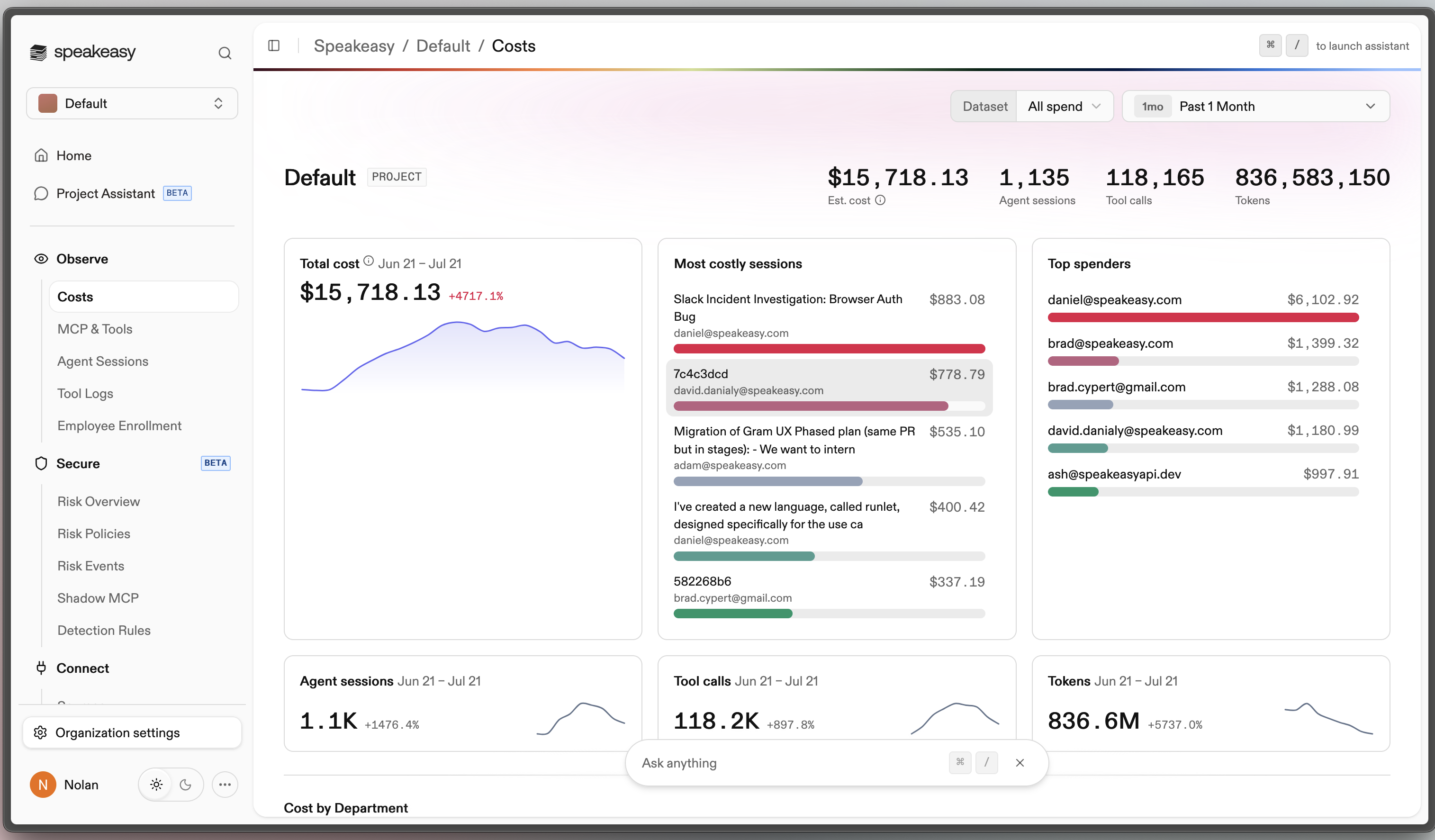
Speakeasy Development Inc. launched an AI cost-management service to track enterprise spending on coding agents like Claude Code, Cursor, and Codex by consolidating token usage data for financial oversight.

AI materials science startup CuspAI raises $450M in funding
UK-based AI materials science startup CuspAI secures $450M Series B funding at a $2.6B valuation, backed by Kleiner Perkins and NEA to support a chemical research consortium with Nvidia and Samsung.
Block launches Buzz, an open-source workspace for humans and AI agents
Block Inc. launched Buzz, a free open-source workspace for human-AI collaborative teams. It unifies chat, code hosting, and workflows while granting AI dedicated accounts.
Site Discovery
Keep exploring the AI ecosystem
After this brief, continue into related tools, models, and rankings to understand whether the story affects your choices.