
Google rebrands NotebookLM as Gemini Notebook, focusing on ecosystem and accessibility
Google rebrands NotebookLM as Gemini Notebook, introducing secure cloud computing upgrades and emphasizing ecosystem integration and accessibility for AI-powered research.

Signal Snapshot
Briefing Notes
What happened and why it matters
Summary
Google has officially rebranded its AI-powered research assistant, NotebookLM, as Gemini Notebook. This strategic rename accompanies significant upgrades designed to deliver secure cloud computing capabilities for every user notebook. Originally launched globally in 2023, the platform started as a dedicated tool for AI-driven note-taking and source comprehension, enabling users to ingest and analyze extensive document collections.
Why it matters
The transition from NotebookLM to Gemini Notebook signals a deliberate push toward deeper ecosystem integration. By aligning the product directly with Google’s broader Gemini family, the company is streamlining its artificial intelligence offerings under a unified brand identity. More importantly, the emphasis on secure cloud computing for every notebook addresses a critical need in modern knowledge work: data privacy and scalable infrastructure. As professionals and researchers increasingly rely on AI to synthesize complex information, ensuring that these digital notebooks operate within a fortified cloud environment becomes essential. This move also highlights Google’s commitment to accessibility, suggesting that future iterations will prioritize broader user access across different devices and platforms without compromising performance or security. The rebrand underscores a shift from niche utility to enterprise-ready infrastructure.
Related tools
For users exploring similar AI-driven documentation and research solutions, consider reviewing Gemini Notebook, AI Research Assistants, and Cloud Note-Taking Platforms.
Impact on AI tools/models
Rebranding NotebookLM as Gemini Notebook reflects a wider industry trend where standalone AI utilities are being absorbed into comprehensive model ecosystems. This consolidation allows developers to leverage shared foundational models while tailoring specialized interfaces for specific workflows like academic research or corporate documentation. The added focus on secure cloud computing also sets a new benchmark for how AI tools handle sensitive data, potentially pressuring competitors to enhance their own encryption and storage protocols. As these systems evolve, we can expect tighter interoperability between generative models and enterprise-grade security frameworks, ultimately making AI-assisted research more reliable and widely adoptable. This structural shift will likely accelerate the standardization of cloud-based AI workspaces across multiple sectors.
What to watch
Industry observers should monitor how this rebrand influences user adoption rates and cross-platform compatibility. Tracking updates through ToolSeekAI tools will help professionals stay ahead of emerging AI integrations. Additionally, following the latest developments in AI news provides context on how major tech firms are navigating ecosystem consolidation. Finally, consulting our rankings offers valuable insights into how Gemini Notebook compares to other leading research assistants in terms of performance and accessibility.
Search FAQ
Frequently asked questions
FAQ
When was NotebookLM originally launched?
What is the primary function of the rebranded tool?
What new capability is being added to the platform?
Keep Tracking
Related AI news

On theCUBE Pod: IBM’s AI test, Nvidia’s lead and the race for enterprise intelligence
IBM tests enterprise AI while Nvidia dominates accelerated computing. AMD and Broadcom vie for market share as the race for enterprise intelligence intensifies across hardware and software layers.

Hugging Face uses open-weights Z.ai GLM 5.2 to battle attacker after commercial frontier model refusal
Hugging Face detected a breach involving an attacker using agentic AI. Commercial frontier models blocked defensive requests due to strict safety guardrails. Hugging Face responded by deploying the open-weights Z.ai GLM 5.2 to counter the threat.

Anthropic settles with authors and publishers for $1.5B in landmark copyright case
Anthropic agrees to a $1.5 billion settlement with authors and publishers regarding the unauthorized use of creative works to train its Claude AI model, marking the largest copyright settlement in history.
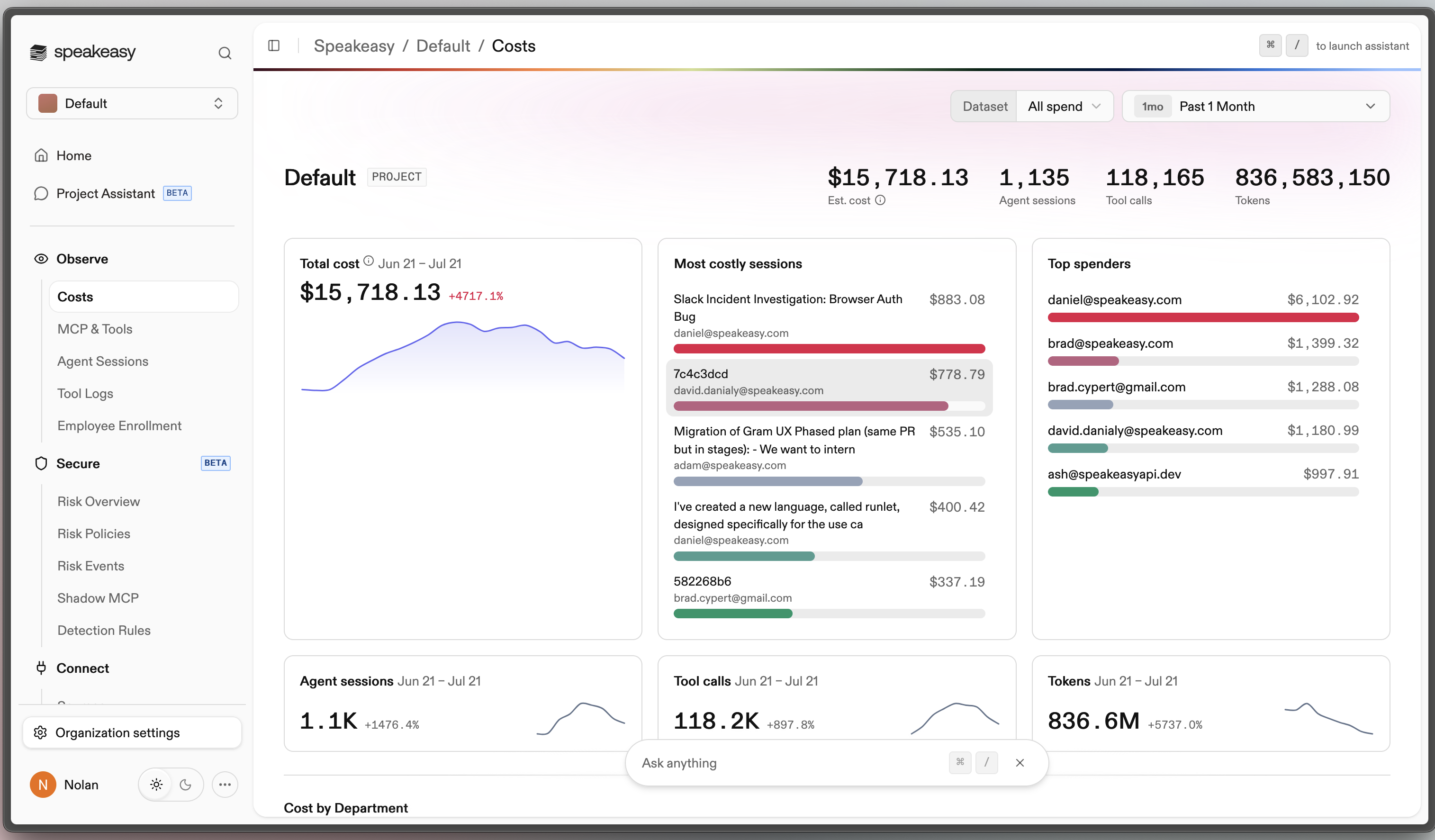
Exclusive: Speakeasy service tracks enterprise-wide AI agent spending
Speakeasy Development Inc. launched an AI cost-management service to track enterprise spending on coding agents like Claude Code, Cursor, and Codex by consolidating token usage data for financial oversight.

AI materials science startup CuspAI raises $450M in funding
UK-based AI materials science startup CuspAI secures $450M Series B funding at a $2.6B valuation, backed by Kleiner Perkins and NEA to support a chemical research consortium with Nvidia and Samsung.
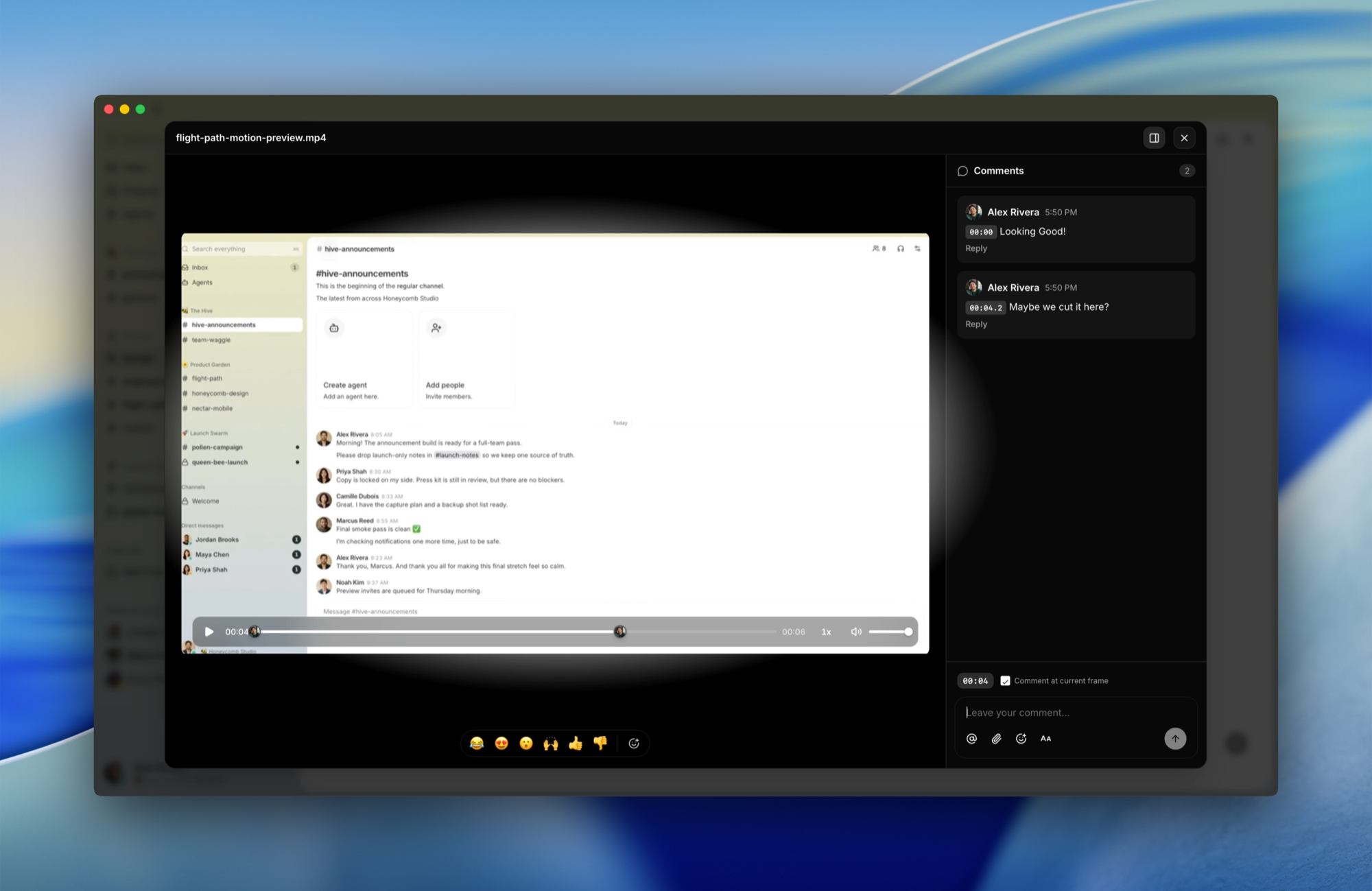
Block launches Buzz, an open-source workspace for humans and AI agents
Block Inc. launched Buzz, a free open-source workspace for human-AI collaborative teams. It unifies chat, code hosting, and workflows while granting AI dedicated accounts.
Site Discovery
Keep exploring the AI ecosystem
After this brief, continue into related tools, models, and rankings to understand whether the story affects your choices.