
China’s Meituan open-sources massive LongCat-2.0 AI model, saying it was trained on domestic chips
Meituan open-sources LongCat-2.0, a 1.6T parameter LLM trained entirely on domestic Chinese chips, highlighting local compute infrastructure capabilities.

Signal Snapshot
Briefing Notes
What happened and why it matters
Summary
Meituan Inc., the Beijing-based technology giant primarily known for its food delivery and local services platforms, has officially open-sourced its next-generation large language model, LongCat-2.0. This new model boasts a massive scale of 1.6 trillion parameters. A critical aspect of this release, distinguishing it from many other open-source initiatives, is the hardware foundation. Meituan explicitly stated that the training process relied exclusively on domestic Chinese chips and compute clusters. This move underscores a significant shift towards self-reliance in AI infrastructure within China, demonstrating that large-scale model development can proceed without reliance on foreign semiconductor supply chains.
Why it matters
The significance of LongCat-2.0 extends beyond its parameter count. While many tech giants release models with similar scales, the narrative here focuses on the "domestic hardware throughline." For the global AI community, this serves as a case study in resilience against geopolitical supply chain constraints. It proves that substantial computational power can be aggregated and utilized effectively using locally sourced hardware. For developers and researchers, the open-source nature of LongCat-2.0 provides access to a state-of-the-art model, potentially lowering the barrier to entry for advanced AI experimentation, provided they have the necessary compute resources. Furthermore, it signals Meituan’s strategic pivot from being solely a consumer service platform to becoming a serious player in foundational AI research.
Related tools
While specific tool slugs are not detailed in the immediate source text, this release impacts the broader ecosystem of large language models and open-source AI frameworks. Researchers interested in comparing parameter-efficient fine-tuning techniques or evaluating models trained on non-Western hardware might find relevant discussions in the AI news section.
Impact on AI tools/models
The release of LongCat-2.0 challenges the prevailing assumption that access to top-tier AI models is strictly tied to access to specific foreign GPU clusters. By validating domestic chip performance at the 1.6 trillion parameter scale, Meituan influences how future models might be architected and trained. It encourages other organizations to explore heterogeneous computing environments and domestic hardware optimizations. This could lead to a diversification in the types of hardware used for training frontier models, reducing the monopoly of a few specific chip manufacturers in the high-end AI sector. It also sets a benchmark for what is achievable with localized compute resources, potentially accelerating investment in domestic semiconductor capabilities for AI workloads.
What to watch
As the open-source community begins to test and deploy LongCat-2.0, several key areas require monitoring. First, observe the inference costs and latency metrics when running this model on domestic hardware versus traditional Western GPUs. Second, track the adoption rate among Chinese developers and enterprises who may prioritize compliance and data sovereignty. Third, watch for subsequent releases or updates from Meituan that might refine the model’s efficiency or expand its capabilities. For ongoing coverage of such developments, readers should regularly check the ToolSeekAI tools directory for emerging open-source models and visit the rankings page to see how LongCat-2.0 compares to other leading LLMs in performance benchmarks.
FAQ
Q: What is the size of the LongCat-2.0 model? A: LongCat-2.0 is a large language model with 1.6 trillion parameters.
Q: Where was the model trained? A: The model was trained using domestic Chinese chips and compute clusters.
Q: Is the model open-source? A: Yes, Meituan has open-sourced the LongCat-2.0 model.
Keep Tracking
Related AI news

On theCUBE Pod: IBM’s AI test, Nvidia’s lead and the race for enterprise intelligence
IBM tests enterprise AI while Nvidia dominates accelerated computing. AMD and Broadcom vie for market share as the race for enterprise intelligence intensifies across hardware and software layers.

Hugging Face uses open-weights Z.ai GLM 5.2 to battle attacker after commercial frontier model refusal
Hugging Face detected a breach involving an attacker using agentic AI. Commercial frontier models blocked defensive requests due to strict safety guardrails. Hugging Face responded by deploying the open-weights Z.ai GLM 5.2 to counter the threat.

Anthropic settles with authors and publishers for $1.5B in landmark copyright case
Anthropic agrees to a $1.5 billion settlement with authors and publishers regarding the unauthorized use of creative works to train its Claude AI model, marking the largest copyright settlement in history.
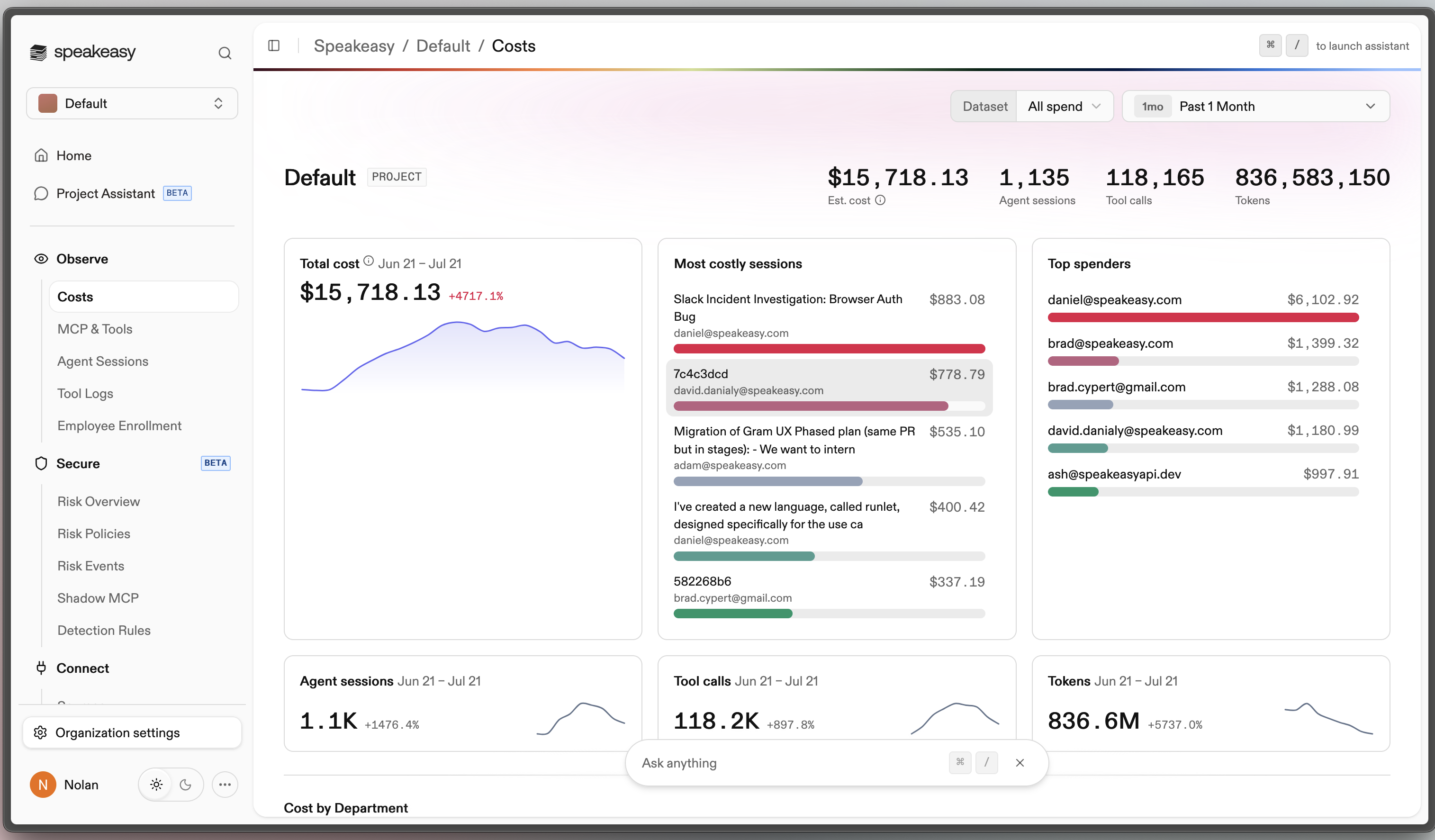
Exclusive: Speakeasy service tracks enterprise-wide AI agent spending
Speakeasy Development Inc. launched an AI cost-management service to track enterprise spending on coding agents like Claude Code, Cursor, and Codex by consolidating token usage data for financial oversight.

AI materials science startup CuspAI raises $450M in funding
UK-based AI materials science startup CuspAI secures $450M Series B funding at a $2.6B valuation, backed by Kleiner Perkins and NEA to support a chemical research consortium with Nvidia and Samsung.
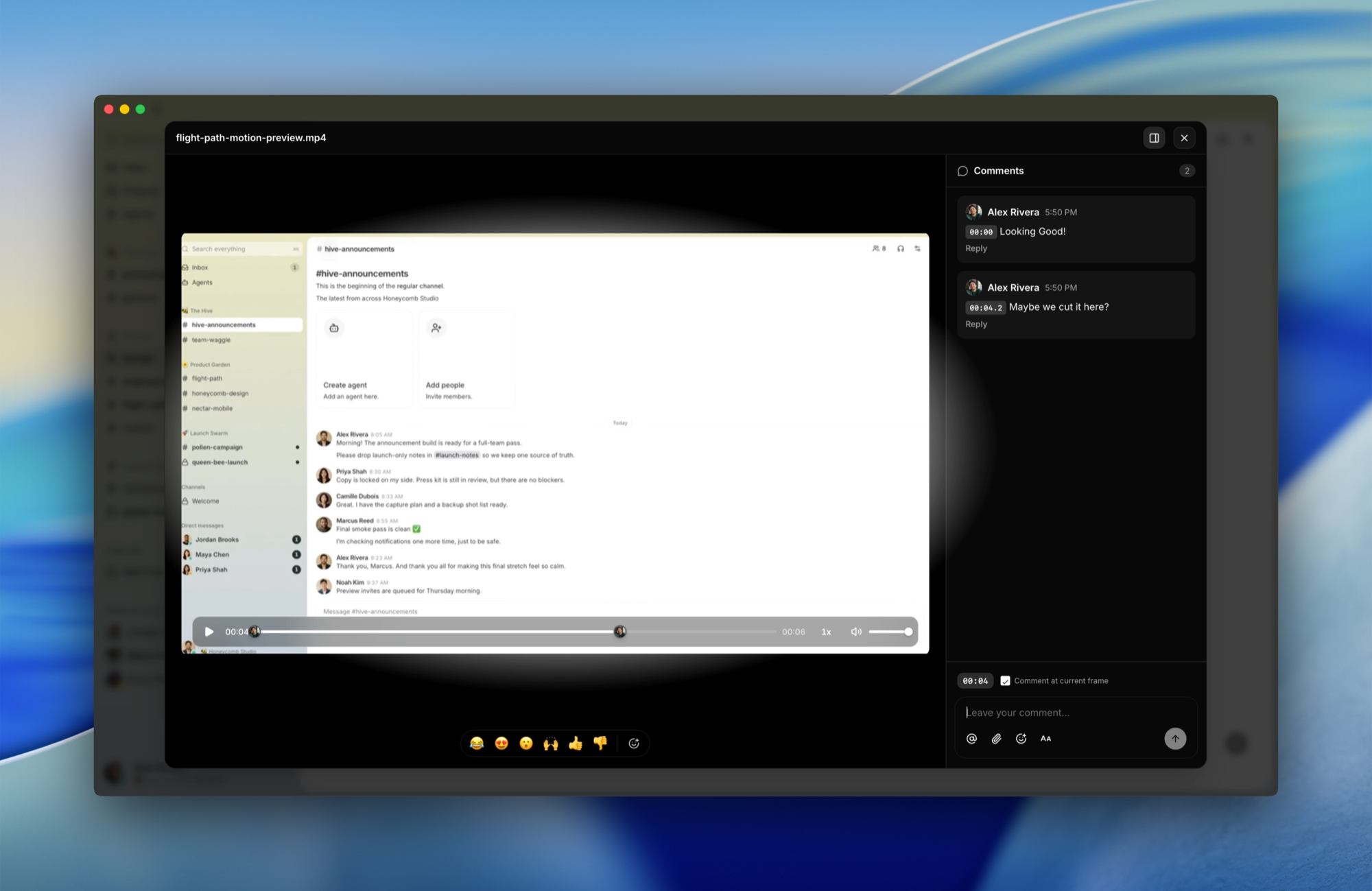
Block launches Buzz, an open-source workspace for humans and AI agents
Block Inc. launched Buzz, a free open-source workspace for human-AI collaborative teams. It unifies chat, code hosting, and workflows while granting AI dedicated accounts.
Site Discovery
Keep exploring the AI ecosystem
After this brief, continue into related tools, models, and rankings to understand whether the story affects your choices.