
AMD capitalizes on AI momentum with systems strategy for open-source and hybrid technologies
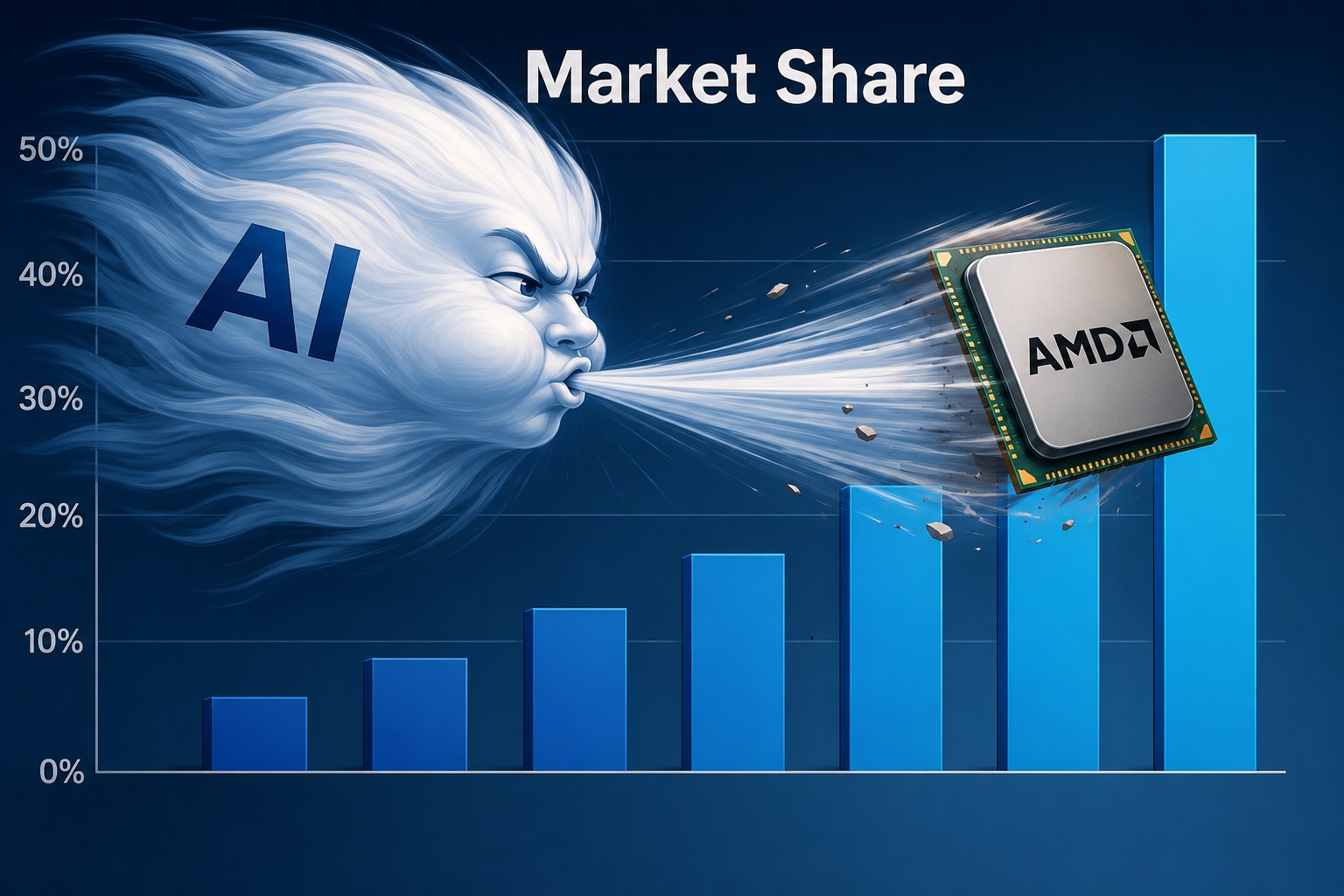
Advanced Micro Devices expanded its x86 server processor revenue share from 8% to 46% over five years, driven by AI demand and a strategic focus on open-source and hybrid computing systems.
Signal Snapshot
Briefing Notes
What happened and why it matters
Summary
Advanced Micro Devices has significantly expanded its presence in the server processor market, leveraging artificial intelligence demand to drive growth. Five years ago, the company held an 8% share of the x86 server processor business. Today, AMD reports a 46% revenue share, marking substantial market expansion. This trajectory stems directly from a deliberate systems strategy focused on open-source and hybrid technologies, positioning the chipMaker to capitalize on current computing trends without relying on isolated hardware improvements alone.
Why it matters
The shift toward a 46% revenue share highlights how infrastructure providers are adapting to evolving computational workloads. By prioritizing open-source ecosystems and hybrid deployment models, AMD reduces vendor lock-in and accelerates integration across diverse data center environments. This approach resonates with enterprises seeking flexible, scalable solutions that balance performance with cost efficiency. The strategic pivot demonstrates that hardware dominance in modern computing relies less on raw silicon specs and more on software compatibility, developer accessibility, and cross-platform interoperability. As organizations increasingly adopt hybrid cloud architectures, vendors that support transparent, modular systems gain a decisive competitive edge.
Related tools
Infrastructure teams managing hybrid deployments often rely on specialized orchestration and monitoring platforms. Relevant resources include AMD Server Architecture Tools, Open-Source Data Center Frameworks, and Hybrid Cloud Optimization Suites. These utilities help administrators align hardware capabilities with software-defined workflows, ensuring seamless integration across mixed-vendor environments.
Impact on AI tools/models
The expansion of AMD’s server processor market share directly influences the training and inference pipelines powering modern AI models. Higher revenue shares indicate broader adoption of compatible hardware, which translates to improved resource allocation for large language models and computer vision systems. Open-source and hybrid strategies lower barriers for developers experimenting with model optimization, enabling faster iteration cycles. Consequently, AI toolchains benefit from increased hardware diversity, reducing dependency on single-vendor ecosystems and fostering more resilient, adaptable model deployment frameworks.
What to watch
Industry observers should monitor how open-source standards evolve alongside hybrid infrastructure demands. Tracking emerging benchmarks for server processor efficiency will reveal whether current growth trajectories sustain long-term market shifts. Additionally, evaluating developer adoption rates for hybrid deployment frameworks will indicate which architectural approaches gain mainstream traction. For ongoing updates, explore our curated ToolSeekAI tools, stay informed through our latest AI news, and compare vendor performance using our updated rankings.
Search FAQ
Frequently asked questions
FAQ
What drove AMD's recent growth in the server processor market?
How much has AMD's x86 server processor revenue share increased over the past five years?
Is AMD's market expansion attributed to isolated hardware improvements?
Keep Tracking
Related AI news

On theCUBE Pod: IBM’s AI test, Nvidia’s lead and the race for enterprise intelligence
IBM tests enterprise AI while Nvidia dominates accelerated computing. AMD and Broadcom vie for market share as the race for enterprise intelligence intensifies across hardware and software layers.

Hugging Face uses open-weights Z.ai GLM 5.2 to battle attacker after commercial frontier model refusal
Hugging Face detected a breach involving an attacker using agentic AI. Commercial frontier models blocked defensive requests due to strict safety guardrails. Hugging Face responded by deploying the open-weights Z.ai GLM 5.2 to counter the threat.

Anthropic settles with authors and publishers for $1.5B in landmark copyright case
Anthropic agrees to a $1.5 billion settlement with authors and publishers regarding the unauthorized use of creative works to train its Claude AI model, marking the largest copyright settlement in history.
Exclusive: Speakeasy service tracks enterprise-wide AI agent spending
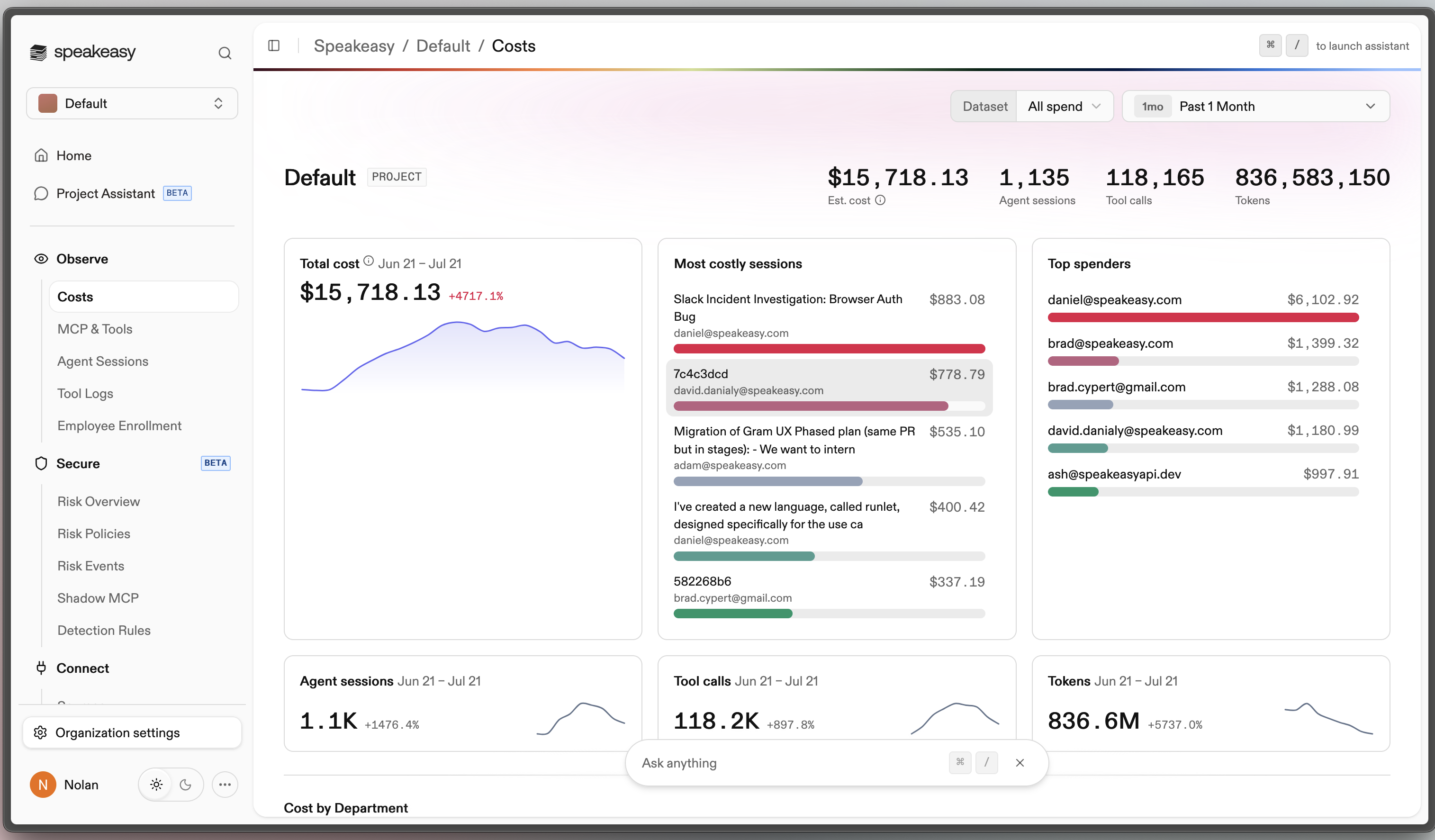
Speakeasy Development Inc. launched an AI cost-management service to track enterprise spending on coding agents like Claude Code, Cursor, and Codex by consolidating token usage data for financial oversight.

AI materials science startup CuspAI raises $450M in funding
UK-based AI materials science startup CuspAI secures $450M Series B funding at a $2.6B valuation, backed by Kleiner Perkins and NEA to support a chemical research consortium with Nvidia and Samsung.
Block launches Buzz, an open-source workspace for humans and AI agents
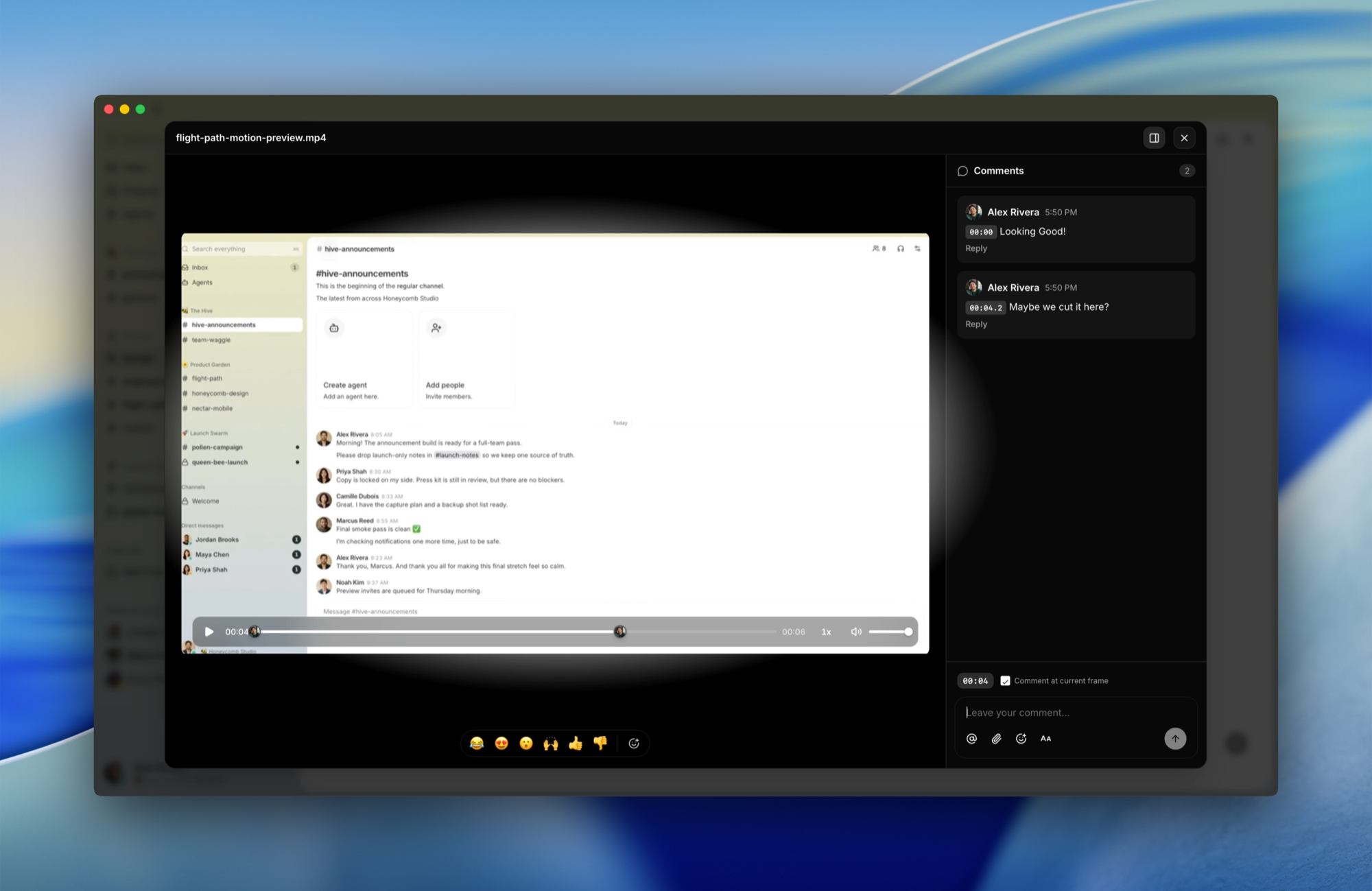
Block Inc. launched Buzz, a free open-source workspace for human-AI collaborative teams. It unifies chat, code hosting, and workflows while granting AI dedicated accounts.
Site Discovery
Keep exploring the AI ecosystem
After this brief, continue into related tools, models, and rankings to understand whether the story affects your choices.