
Why the next battle for technology IPOs begins years before companies go public
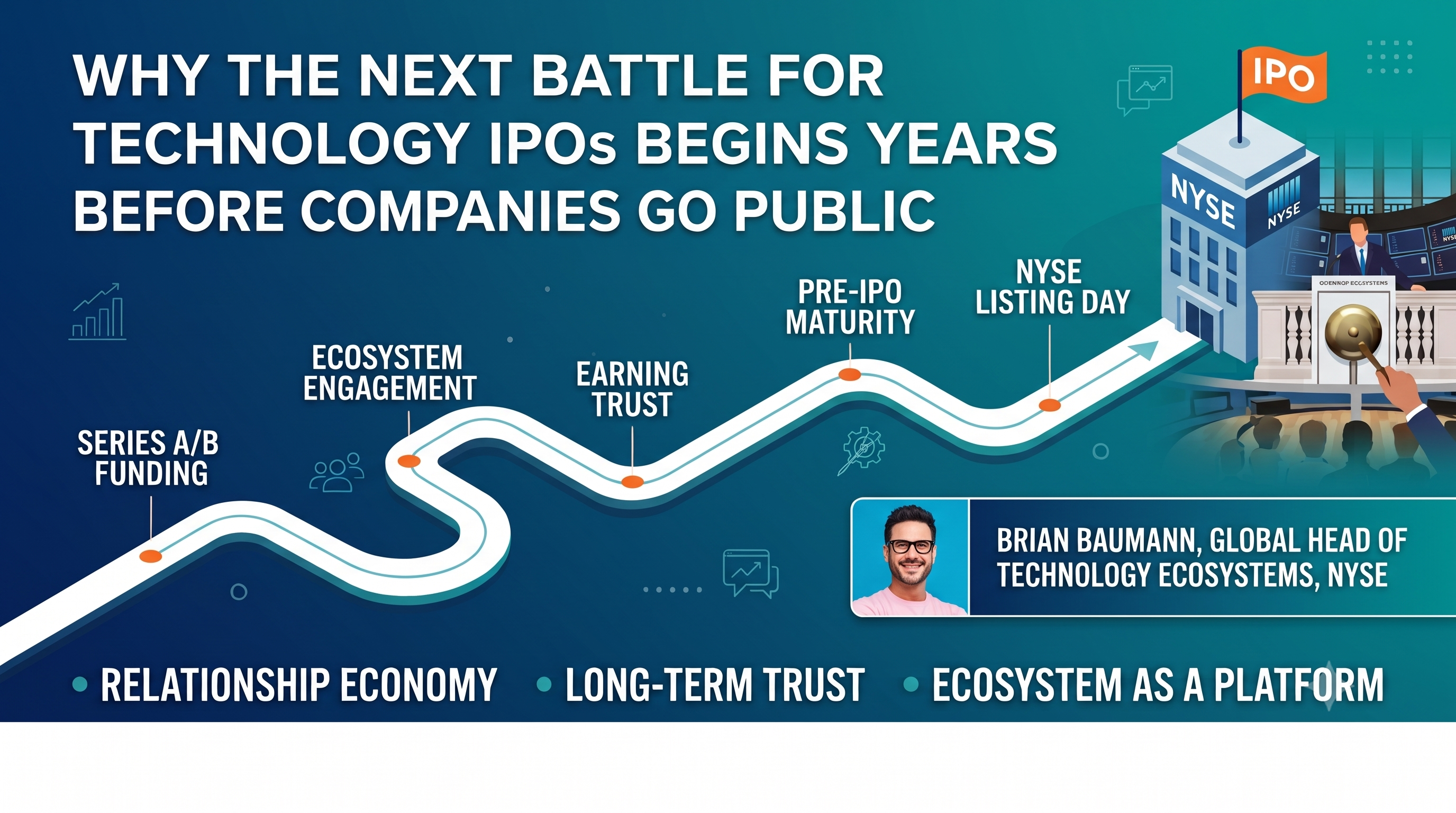
The competition for technology IPOs now begins years before listing, driven by AI companies preparing for public markets through long-term strategic positioning rather than just final financial metrics.
Signal Snapshot
Briefing Notes
What happened and why it matters
Summary
The traditional view of an Initial Public Offering (IPO) often centers on the dramatic moment a company lists on the New York Stock Exchange—the opening bell, the media frenzy, and the transition from private to public status. However, recent analysis suggests that this visible event is merely the culmination of a much longer and more intense struggle. The real competition for technology IPOs, particularly among artificial intelligence firms, begins years before the actual listing date. This shift indicates that market readiness, strategic positioning, and sustained growth trajectories are now more critical than ever in securing a successful public debut.
Why it matters
For investors, founders, and market analysts, understanding this timeline shift is crucial. The "battle" no longer ends with the filing of the S-1 form; it is won or lost during the multi-year period of scaling operations, refining business models, and demonstrating resilience in volatile markets. AI companies, which have seen explosive interest and investment, must now prove they can sustain their growth and profitability over extended periods to satisfy public market expectations. This changes how venture capital firms evaluate potential exits and how public markets assess the value of high-growth tech sectors.
Related tools
While specific tool names are not detailed in the source, the focus on AI companies and IPO preparation highlights the need for robust data analytics and financial modeling platforms. Tools that assist in market analysis and financial forecasting become increasingly vital for these long-term preparations.
Impact on AI tools/models
The emphasis on long-term preparation impacts how AI tools and models are deployed within companies. Rather than just focusing on immediate product launches, AI-driven insights are likely being used to optimize operational efficiency, predict market trends, and manage investor relations over several years. This requires models that can handle complex, longitudinal data sets, providing a competitive edge in the pre-IPO phase. The integration of such advanced analytics into corporate strategy is becoming a key differentiator for tech firms aiming for public listings.
What to watch
As the landscape of technology IPOs evolves, several key areas warrant attention. First, the ability of AI companies to demonstrate sustainable growth beyond initial hype will be critical. Second, the role of early-stage strategic planning in shaping public market perception cannot be overstated. Finally, the broader implications for the tech sector, including how private valuations are set years in advance, will influence future investment trends. For those tracking these developments, keeping an eye on latest AI news and tech industry rankings provides valuable context. Additionally, exploring related tools that support long-term strategic planning can offer deeper insights into how companies are preparing for their eventual public offerings.
FAQ
Q: When does the competition for tech IPOs actually begin? A: The competition begins years before the company goes public, focusing on long-term strategic positioning and growth sustainability.
Q: Why are AI companies specifically mentioned in this context? A: AI companies are highlighted due to their significant presence in the current tech landscape and the intense scrutiny they face regarding long-term viability and growth.
Q: How does this shift impact investor strategies? A: Investors must look beyond immediate metrics and evaluate a company's multi-year trajectory, operational resilience, and strategic planning capabilities.
Keep Tracking
Related AI news

On theCUBE Pod: IBM’s AI test, Nvidia’s lead and the race for enterprise intelligence
IBM tests enterprise AI while Nvidia dominates accelerated computing. AMD and Broadcom vie for market share as the race for enterprise intelligence intensifies across hardware and software layers.

Hugging Face uses open-weights Z.ai GLM 5.2 to battle attacker after commercial frontier model refusal
Hugging Face detected a breach involving an attacker using agentic AI. Commercial frontier models blocked defensive requests due to strict safety guardrails. Hugging Face responded by deploying the open-weights Z.ai GLM 5.2 to counter the threat.

Anthropic settles with authors and publishers for $1.5B in landmark copyright case
Anthropic agrees to a $1.5 billion settlement with authors and publishers regarding the unauthorized use of creative works to train its Claude AI model, marking the largest copyright settlement in history.
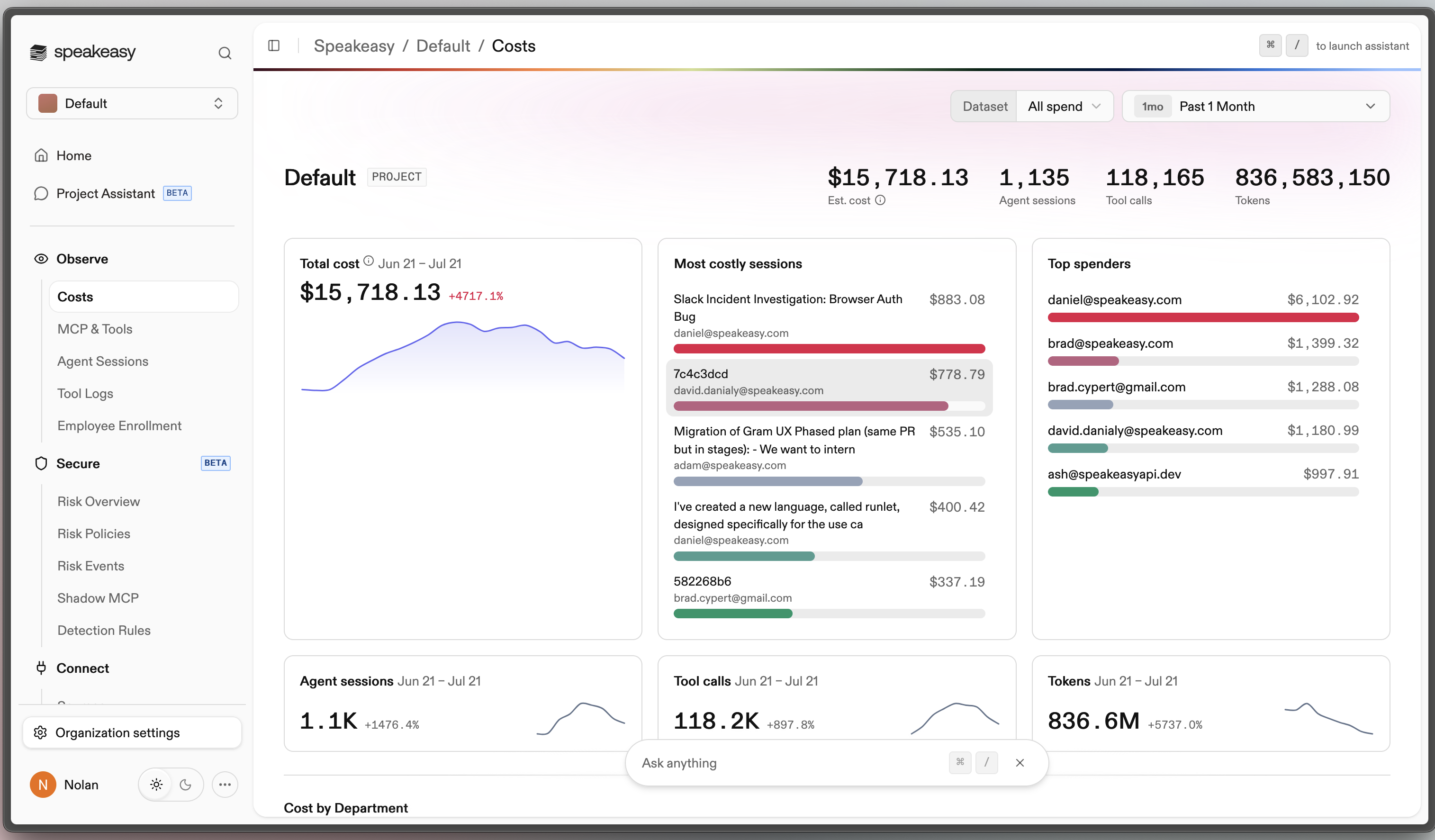
Exclusive: Speakeasy service tracks enterprise-wide AI agent spending
Speakeasy Development Inc. launched an AI cost-management service to track enterprise spending on coding agents like Claude Code, Cursor, and Codex by consolidating token usage data for financial oversight.

AI materials science startup CuspAI raises $450M in funding
UK-based AI materials science startup CuspAI secures $450M Series B funding at a $2.6B valuation, backed by Kleiner Perkins and NEA to support a chemical research consortium with Nvidia and Samsung.
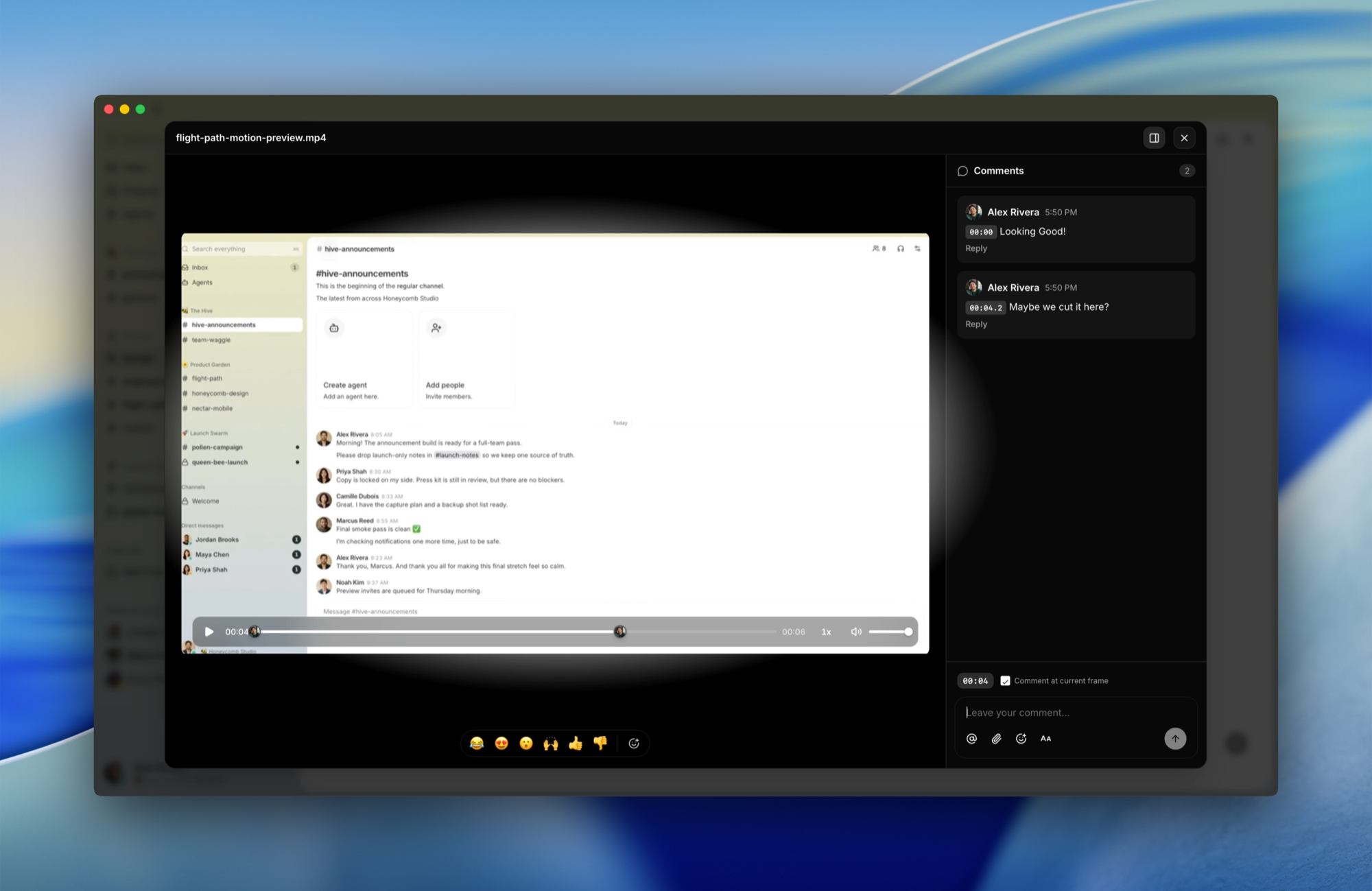
Block launches Buzz, an open-source workspace for humans and AI agents
Block Inc. launched Buzz, a free open-source workspace for human-AI collaborative teams. It unifies chat, code hosting, and workflows while granting AI dedicated accounts.
Site Discovery
Keep exploring the AI ecosystem
After this brief, continue into related tools, models, and rankings to understand whether the story affects your choices.