
What to expect at the AMD Advancing AI event: Join theCUBE July 22-23
AMD's upcoming Advancing AI event highlights enterprise infrastructure as critical to AI success. Focus shifts to scalable deployment, software, and ecosystems supporting production-grade AI models.

Signal Snapshot
Briefing Notes
What happened and why it matters
Summary
As enterprise artificial intelligence transitions from experimental phases to full-scale production, the focus of industry leaders is shifting significantly. According to recent coverage by SiliconANGLE, the infrastructure supporting these models has become just as critical as the models themselves. Advanced Micro Devices Inc. (AMD) is set to address these evolving needs at its "Advancing AI" event, scheduled for July 22-23. The company’s recent announcements and executive discussions underscore a broader industry trend: successful AI deployment requires robust software, specialized hardware, and comprehensive ecosystems.
Why it matters
The narrative surrounding AI is no longer solely about algorithmic breakthroughs or parameter counts. It is increasingly about operational viability. For enterprises, the ability to deploy AI at scale depends heavily on the underlying infrastructure. AMD’s emphasis on this area signals a reCognition that the bottleneck for many organizations is not access to models, but the capacity to run them efficiently and reliably in production environments. This shift impacts how companies evaluate AI vendors, prioritizing those who offer end-to-end solutions rather than isolated components.
Related tools
While specific new tool names were not detailed in the source snippet, the event likely showcases advancements in AMD ROCm software which is crucial for optimizing AI workloads on AMD hardware. Additionally, enterprises looking to integrate these solutions may explore AI infrastructure platforms that support heterogeneous computing environments.
Impact on AI tools/models
The emphasis on infrastructure suggests a future where AI tools are judged not just by accuracy, but by their efficiency and scalability. Models that require excessive computational resources may become less viable for widespread enterprise adoption unless supported by optimized infrastructure like that promised by AMD. This could lead to a consolidation of efforts around specific hardware-software stacks, making compatibility and ecosystem support key differentiators for AI developers and providers.
What to watch
Attendees and observers should look for concrete demonstrations of how AMD’s latest hardware integrates with existing enterprise workflows. Key areas of interest include:
- Scalability Solutions: How AMD plans to support large-scale deployments without prohibitive costs or complexity. See more on enterprise AI strategies.
- Software Ecosystem: Updates on tools that simplify the transition from development to production. Explore the latest in AI development tools.
- Competitive Landscape: How AMD’s offerings compare to other major players in the AI infrastructure space. Check current AI rankings for context.
FAQ
Q: When is the AMD Advancing AI event? A: The event is scheduled for July 22-23.
Q: What is the main theme of the event? A: The primary focus is on enterprise AI infrastructure, software, and ecosystems necessary for scalable deployment.
Q: Why is infrastructure becoming more important than models? A: As AI moves into production, the ability to deploy and scale models efficiently becomes a critical factor for business success, equal to the quality of the models themselves.
Keep Tracking
Related AI news

On theCUBE Pod: IBM’s AI test, Nvidia’s lead and the race for enterprise intelligence
IBM tests enterprise AI while Nvidia dominates accelerated computing. AMD and Broadcom vie for market share as the race for enterprise intelligence intensifies across hardware and software layers.

Hugging Face uses open-weights Z.ai GLM 5.2 to battle attacker after commercial frontier model refusal
Hugging Face detected a breach involving an attacker using agentic AI. Commercial frontier models blocked defensive requests due to strict safety guardrails. Hugging Face responded by deploying the open-weights Z.ai GLM 5.2 to counter the threat.

Anthropic settles with authors and publishers for $1.5B in landmark copyright case
Anthropic agrees to a $1.5 billion settlement with authors and publishers regarding the unauthorized use of creative works to train its Claude AI model, marking the largest copyright settlement in history.
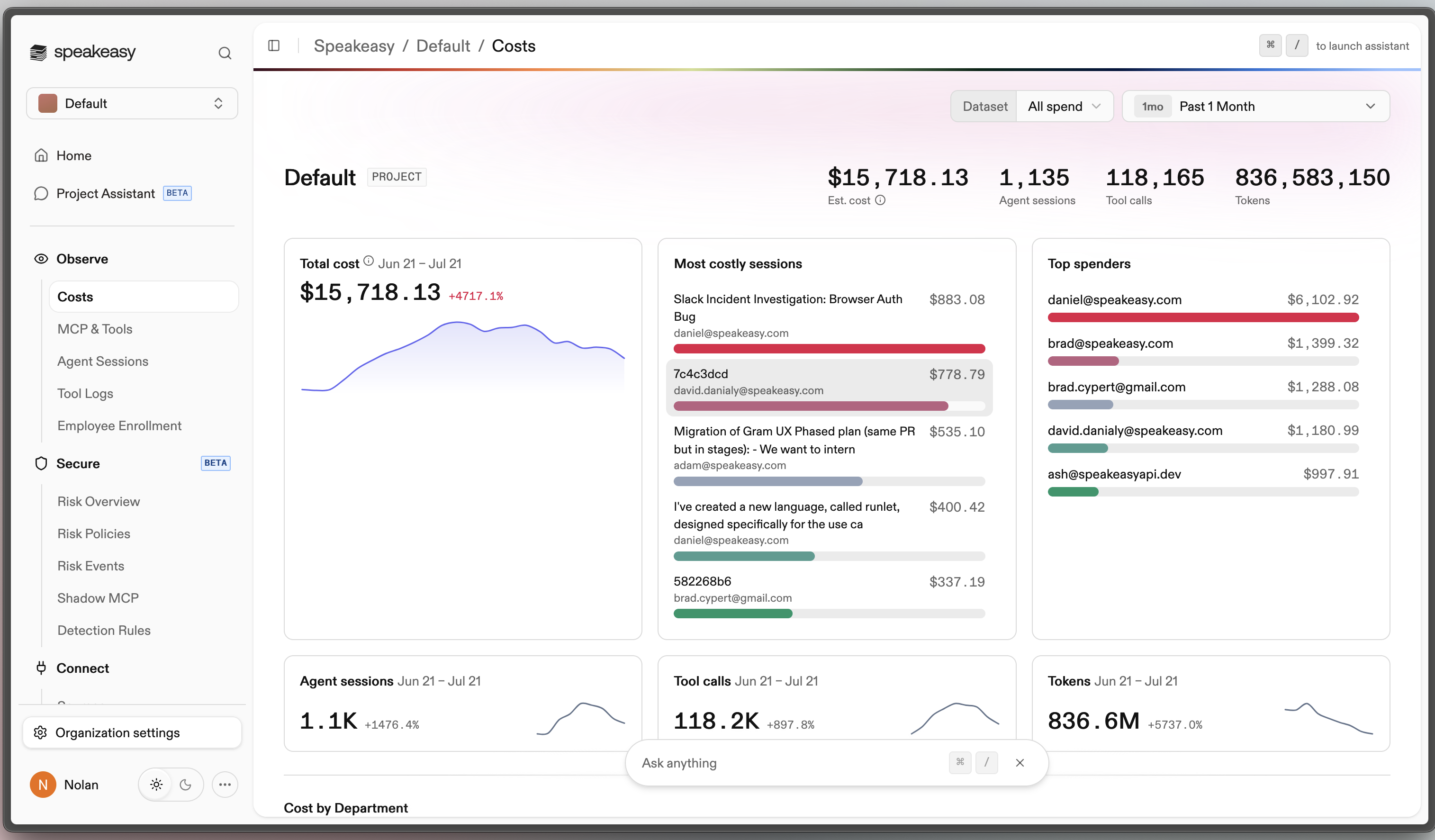
Exclusive: Speakeasy service tracks enterprise-wide AI agent spending
Speakeasy Development Inc. launched an AI cost-management service to track enterprise spending on coding agents like Claude Code, Cursor, and Codex by consolidating token usage data for financial oversight.

AI materials science startup CuspAI raises $450M in funding
UK-based AI materials science startup CuspAI secures $450M Series B funding at a $2.6B valuation, backed by Kleiner Perkins and NEA to support a chemical research consortium with Nvidia and Samsung.
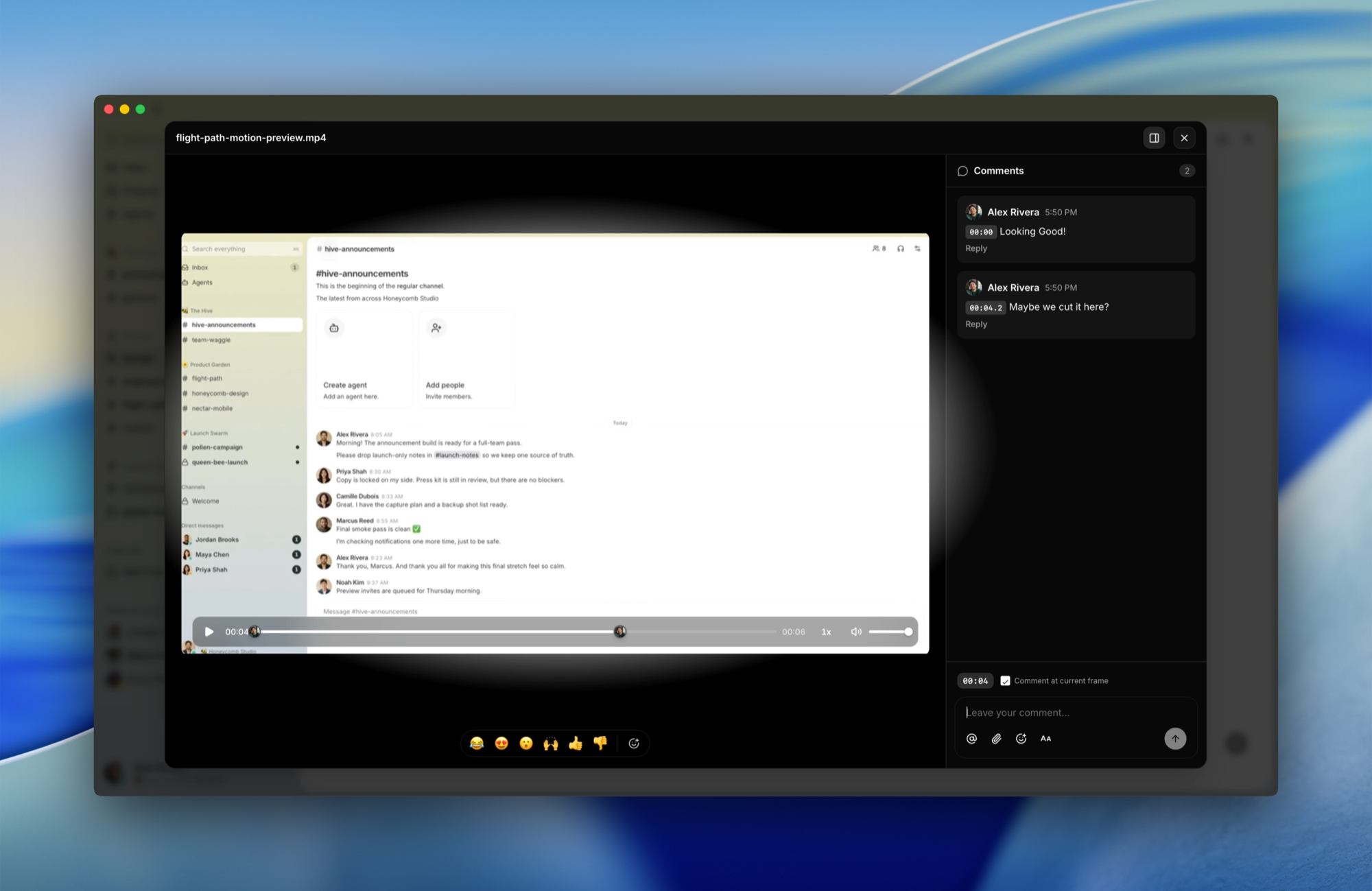
Block launches Buzz, an open-source workspace for humans and AI agents
Block Inc. launched Buzz, a free open-source workspace for human-AI collaborative teams. It unifies chat, code hosting, and workflows while granting AI dedicated accounts.
Site Discovery
Keep exploring the AI ecosystem
After this brief, continue into related tools, models, and rankings to understand whether the story affects your choices.