
What is sovereign AI — and why it will decide the winners and losers of the AI race
SiliconANGLE explores sovereign AI's five dimensions, emphasizing open source as critical for true technological independence in the global AI race.
Signal Snapshot
Briefing Notes
What happened and why it matters
Sovereign AI: The Strategic Imperative for Technological Independence
Summary
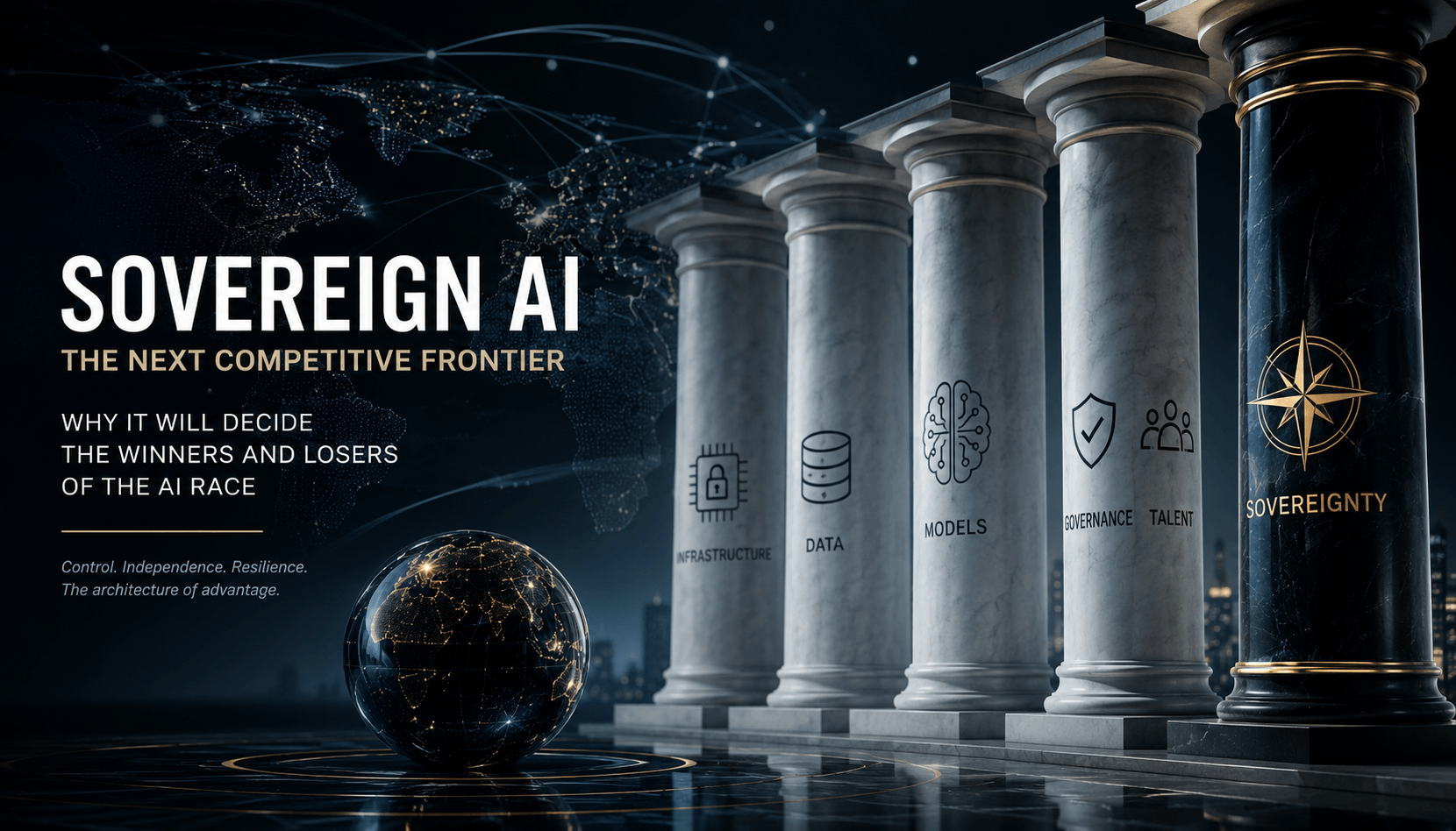
SiliconANGLE has launched a new editorial series dedicated to the concept of "sovereign AI." This initiative seeks to define the boundaries of technological autonomy in an increasingly fragmented digital landscape. The series outlines four core dimensions of sovereign AI and introduces a critical fifth dimension specifically tailored for Chief Financial Officers (CFOs). A central thesis of the series is that open-source models are not merely a development preference but a fundamental requirement for achieving genuine technological sovereignty.
Why it matters
As nations and enterprises grapple with the geopolitical implications of artificial intelligence, the definition of "sovereignty" is shifting from physical borders to data and computational control. The emergence of sovereign AI represents a strategic pivot away from reliance on centralized, proprietary cloud providers toward localized, controllable infrastructure. For organizations, this means evaluating their AI stacks not just on performance metrics, but on data residency, regulatory compliance, and supply chain resilience. The inclusion of a financial dimension highlights that cost structures and long-term viability are now integral to national and corporate security strategies. Understanding these dynamics is crucial for stakeholders looking to future-proof their operations against regulatory shifts and vendor lock-in.
Related tools
For organizations exploring sovereign AI implementations, the following resources on ToolSeekAI provide relevant starting points:
- Browse AI tools for products in this space
- Model library for weights and APIs
- Rankings for curated shortlists
Impact on AI tools/models
The push for sovereign AI directly influences the adoption of open-source large language models (LLMs) and smaller, specialized models that can run on-premises or within private clouds. Proprietary, closed-source models hosted exclusively on major public cloud platforms face increasing scrutiny regarding data privacy and export controls. Consequently, there is a growing market demand for models that allow for fine-tuning, local deployment, and transparent auditing. This trend encourages developers to prioritize interoperability and standardization, ensuring that AI tools can operate independently of specific vendor ecosystems. It also drives innovation in efficient model architectures that require less computational power, making them more accessible for decentralized deployment.
What to watch
The evolution of sovereign AI will likely be defined by several key developments in the coming months. First, watch for increased regulatory frameworks that mandate data localization for AI training and inference. Second, monitor the rise of hybrid cloud strategies where sensitive workloads remain on-premises while leveraging public cloud for scalable compute. Third, observe how open-source communities adapt to enterprise needs, potentially leading to more robust governance and security features in public repositories. For further insights into the broader ecosystem, explore our coverage on AI news and check the latest rankings of emerging sovereign-compatible technologies.
FAQ
What are the core dimensions of sovereign AI? SiliconANGLE identifies four core dimensions plus a fifth financial dimension for CFOs, focusing on data control, computational autonomy, regulatory compliance, and economic sustainability.
Why is open source considered essential for sovereignty? Open source allows for transparency, customization, and independence from proprietary vendor lock-in, enabling entities to maintain full control over their AI infrastructure and data.
How does sovereign AI impact enterprise strategy? Enterprises must reassess their AI procurement and deployment strategies to prioritize data residency, reduce dependency on single vendors, and ensure alignment with evolving national and international regulations.
Search FAQ
Frequently asked questions
FAQ
What are the four dimensions of sovereign AI?
Why is open source important for sovereign AI?
What is the 'fifth dimension' mentioned for CFOs?
Keep Tracking
Related AI news

On theCUBE Pod: IBM’s AI test, Nvidia’s lead and the race for enterprise intelligence
IBM tests enterprise AI while Nvidia dominates accelerated computing. AMD and Broadcom vie for market share as the race for enterprise intelligence intensifies across hardware and software layers.

Hugging Face uses open-weights Z.ai GLM 5.2 to battle attacker after commercial frontier model refusal
Hugging Face detected a breach involving an attacker using agentic AI. Commercial frontier models blocked defensive requests due to strict safety guardrails. Hugging Face responded by deploying the open-weights Z.ai GLM 5.2 to counter the threat.

Anthropic settles with authors and publishers for $1.5B in landmark copyright case
Anthropic agrees to a $1.5 billion settlement with authors and publishers regarding the unauthorized use of creative works to train its Claude AI model, marking the largest copyright settlement in history.
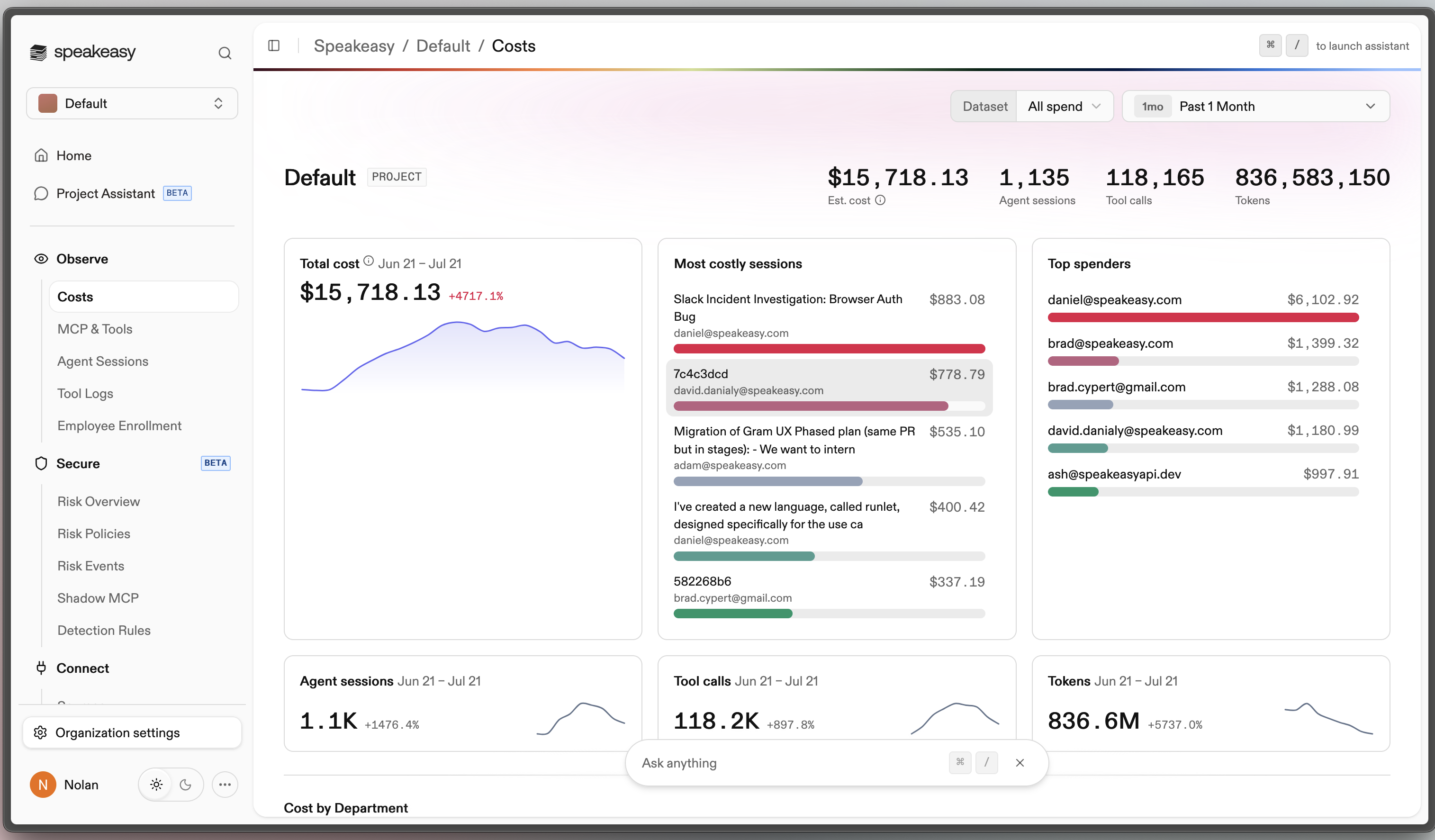
Exclusive: Speakeasy service tracks enterprise-wide AI agent spending
Speakeasy Development Inc. launched an AI cost-management service to track enterprise spending on coding agents like Claude Code, Cursor, and Codex by consolidating token usage data for financial oversight.

AI materials science startup CuspAI raises $450M in funding
UK-based AI materials science startup CuspAI secures $450M Series B funding at a $2.6B valuation, backed by Kleiner Perkins and NEA to support a chemical research consortium with Nvidia and Samsung.
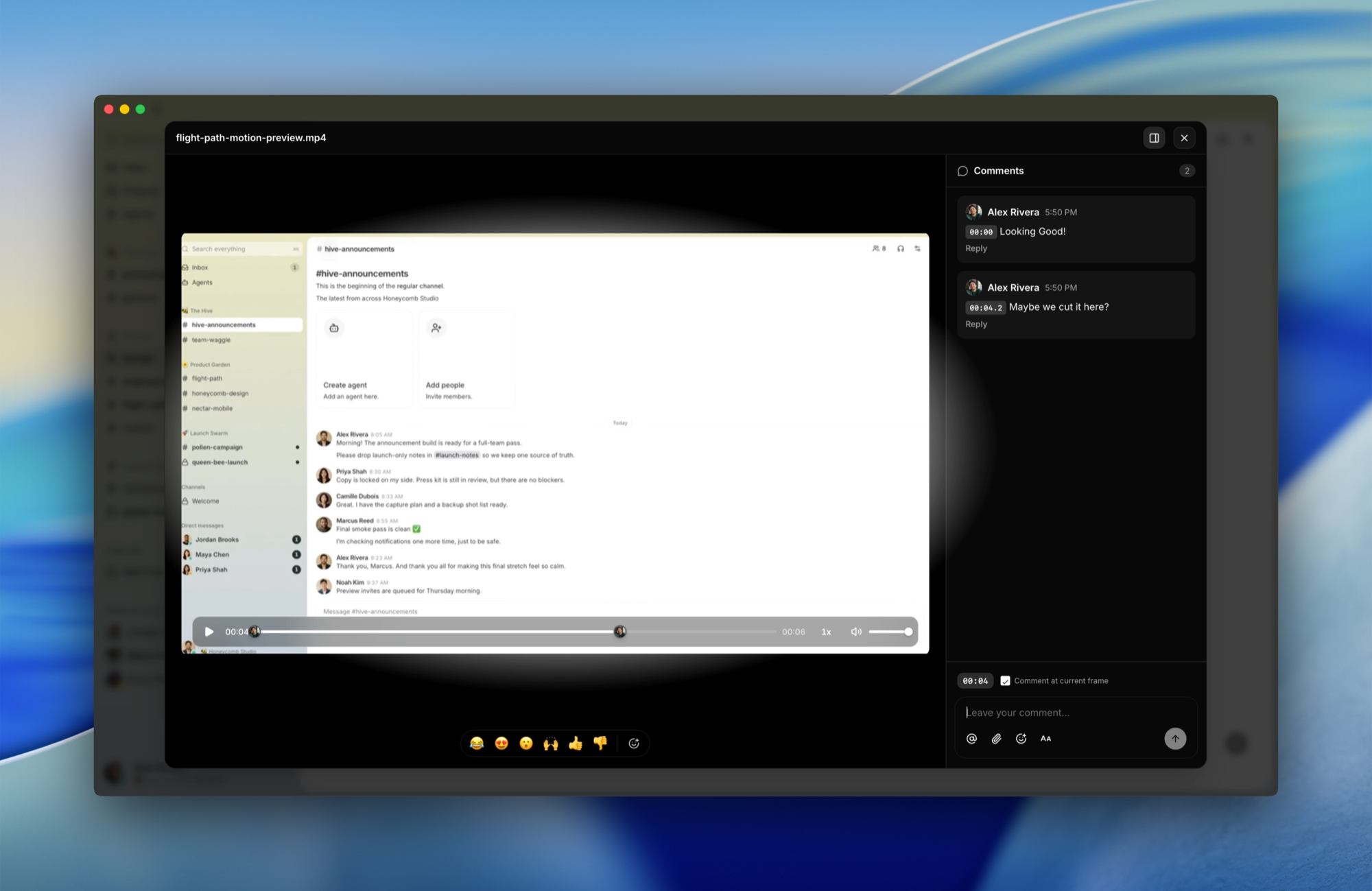
Block launches Buzz, an open-source workspace for humans and AI agents
Block Inc. launched Buzz, a free open-source workspace for human-AI collaborative teams. It unifies chat, code hosting, and workflows while granting AI dedicated accounts.
Site Discovery
Keep exploring the AI ecosystem
After this brief, continue into related tools, models, and rankings to understand whether the story affects your choices.