
Venice raises $65M at $1B valuation for private, uncensored AI
Venice.ai, a privacy-focused AI startup founded by Erik Voorhees, has secured $65 million in funding at a $1 billion valuation, positioning itself as an uncensored alternative to mainstream chatbots.

Signal Snapshot
Briefing Notes
What happened and why it matters
Summary
Venice.ai, a startup dedicated to providing private and uncensored artificial intelligence services, has successfully closed a significant funding round. The company raised $65 million, achieving a post-money valuation of $1 billion. Founded by Erik Voorhees, Venice.ai explicitly markets itself as an alternative to mainstream chatbot platforms that enforce strict content moderation policies. This financial milestone underscores growing investor interest in the niche of unrestricted AI interaction, particularly among users concerned with data privacy and freedom of expression.
Why it matters
The valuation of Venice.ai highlights a shifting dynamic in the AI landscape. While major tech companies prioritize safety and compliance through rigorous content filters, there remains a substantial user base seeking unfiltered access to large language models. By raising $65 million, Venice.ai demonstrates that there is viable commercial demand for "uncensored" AI services. This funding allows the startup to scale its infrastructure, potentially offering more robust models or better user experiences without the constraints typical of mainstream providers. For developers and enterprises looking for alternatives to heavily moderated APIs, this signals the emergence of a well-capitalized competitor in the privacy-first sector.
Related tools
For those interested in exploring the broader ecosystem of privacy-centric or alternative AI solutions, users can browse the extensive list of AI tools available on the platform. Additionally, for technical users seeking specific model weights or API integrations, the model library provides access to various open-source and proprietary options. To stay updated on how Venice.ai compares to other players in terms of performance and popularity, checking the latest rankings is recommended.
Impact on AI tools/models
Venice.ai’s entry into the market with strong financial backing may pressure existing providers to differentiate themselves more clearly on privacy grounds. It also suggests a potential increase in the availability of uncensored models via API, as competitors may seek to capture similar market segments. Users looking for AI tools that prioritize anonymity might find Venice.ai a primary candidate, while those needing specific model architectures should consult the model library to understand the underlying technology driving such services. The success of this venture could lead to more specialized tools emerging in the rankings, catering to niche requirements for data sovereignty.
What to watch
As Venice.ai scales its operations, key areas to monitor include its approach to data retention and user privacy policies, given its core value proposition. Industry observers should track whether this funding leads to new partnerships or technological breakthroughs in uncensored model efficiency. For ongoing updates on this development and similar trends in the AI sector, readers are encouraged to visit the AI news section. Furthermore, comparing Venice.ai’s growth trajectory against other startups in the rankings will provide valuable context on market share shifts. Finally, exploring related entries in the AI tools directory can help users identify complementary services that align with privacy-focused workflows.
FAQ
Q: Who founded Venice.ai? A: Venice.ai was founded by Erik Voorhees.
Q: How much funding did Venice.ai raise? A: The company raised $65 million in its recent funding round.
Q: What is Venice.ai's main selling point? A: It positions itself as a private, uncensored alternative to mainstream chatbots.
Search FAQ
Frequently asked questions
FAQ
Who founded Venice.ai?
What is Venice.ai's primary value proposition?
What is the current valuation of Venice.ai?
Keep Tracking
Related AI news

On theCUBE Pod: IBM’s AI test, Nvidia’s lead and the race for enterprise intelligence
IBM tests enterprise AI while Nvidia dominates accelerated computing. AMD and Broadcom vie for market share as the race for enterprise intelligence intensifies across hardware and software layers.

Hugging Face uses open-weights Z.ai GLM 5.2 to battle attacker after commercial frontier model refusal
Hugging Face detected a breach involving an attacker using agentic AI. Commercial frontier models blocked defensive requests due to strict safety guardrails. Hugging Face responded by deploying the open-weights Z.ai GLM 5.2 to counter the threat.

Anthropic settles with authors and publishers for $1.5B in landmark copyright case
Anthropic agrees to a $1.5 billion settlement with authors and publishers regarding the unauthorized use of creative works to train its Claude AI model, marking the largest copyright settlement in history.
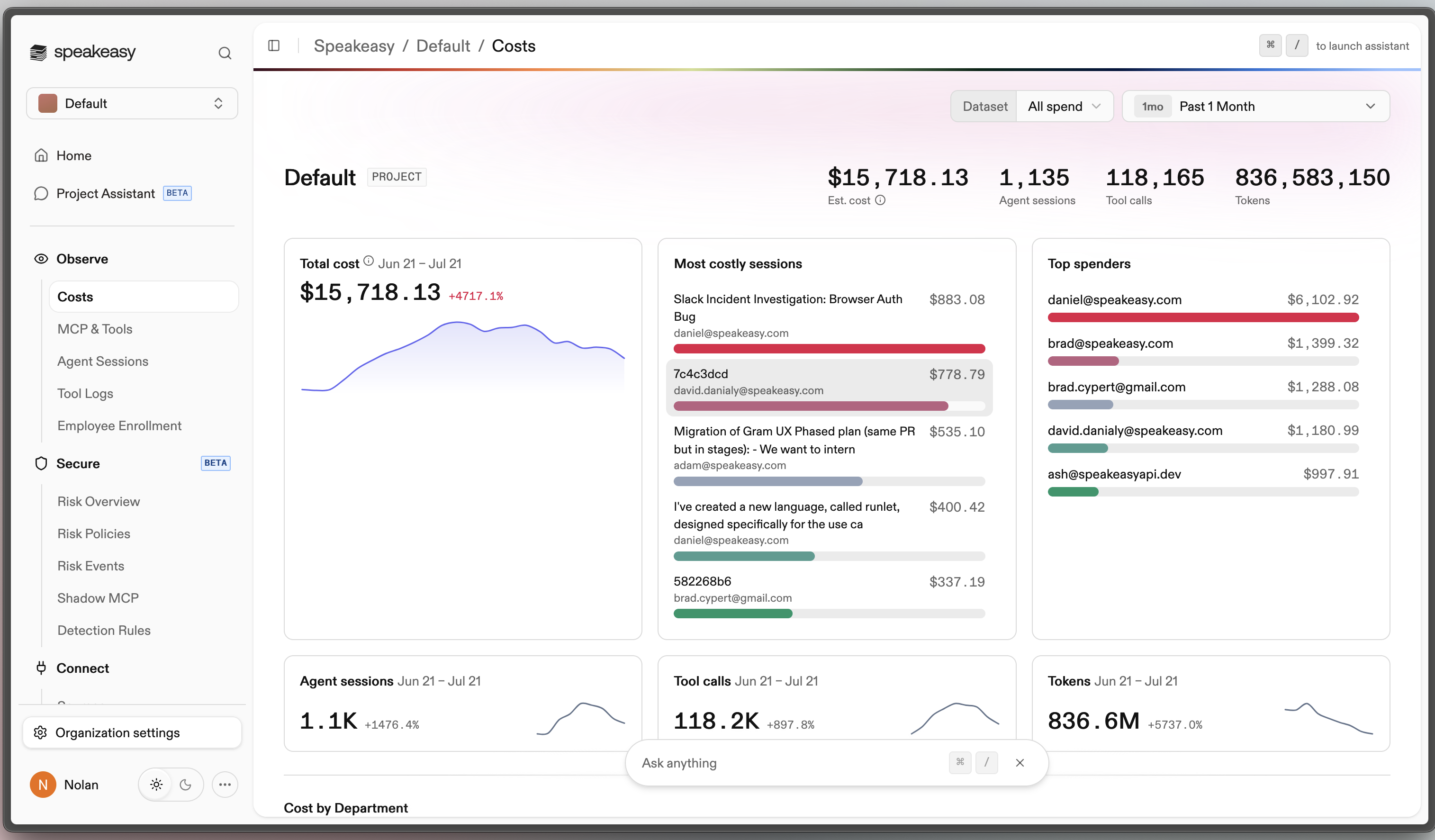
Exclusive: Speakeasy service tracks enterprise-wide AI agent spending
Speakeasy Development Inc. launched an AI cost-management service to track enterprise spending on coding agents like Claude Code, Cursor, and Codex by consolidating token usage data for financial oversight.

AI materials science startup CuspAI raises $450M in funding
UK-based AI materials science startup CuspAI secures $450M Series B funding at a $2.6B valuation, backed by Kleiner Perkins and NEA to support a chemical research consortium with Nvidia and Samsung.

Block launches Buzz, an open-source workspace for humans and AI agents
Block Inc. launched Buzz, a free open-source workspace for human-AI collaborative teams. It unifies chat, code hosting, and workflows while granting AI dedicated accounts.
Site Discovery
Keep exploring the AI ecosystem
After this brief, continue into related tools, models, and rankings to understand whether the story affects your choices.