
Unconventional AI debuts oscillator-based Un-0 model series
Unconventional AI debuts oscillator-based Un-0 model series for energy-efficient image generation.

Signal Snapshot
Briefing Notes
What happened and why it matters
Summary
Unconventional AI Inc. has developed an oscillator-based AI architecture that powers its new Un-0 model series, aimed at improving the power efficiency of image generation models. The company, led by CEO Naveen Rao, announced the release on Thursday.
Why it matters
As AI models grow in size and complexity, energy consumption becomes a critical bottleneck. Oscillator-based architectures could offer a more sustainable path for generative AI, reducing the carbon footprint and operational costs of image generation tasks.
Related tools
Impact on AI tools/models
The Un-0 series represents a shift from traditional transformer-based architectures to oscillator-based designs. If successful, this could inspire a new class of energy-efficient models, making AI more accessible for edge devices and reducing reliance on massive data centers.
What to watch
- How the Un-0 series performs against established models like Stable Diffusion. AI news
- Adoption by developers and integration into popular AI platforms. AI tools
- Potential applications beyond image generation, such as video or audio synthesis. AI rankings
FAQ
What is the Un-0 model series? The Un-0 model series is a new neural network series from Unconventional AI that uses an oscillator-based architecture for image generation.
Who leads Unconventional AI? Unconventional AI is led by CEO Naveen Rao.
What is the main benefit of the oscillator-based architecture? It improves the power efficiency of image generation models.
Search FAQ
Frequently asked questions
FAQ
What is the Un-0 model series?
Who leads Unconventional AI?
What is the main benefit of the oscillator-based architecture?
Keep Tracking
Related AI news

On theCUBE Pod: IBM’s AI test, Nvidia’s lead and the race for enterprise intelligence
IBM tests enterprise AI while Nvidia dominates accelerated computing. AMD and Broadcom vie for market share as the race for enterprise intelligence intensifies across hardware and software layers.

Hugging Face uses open-weights Z.ai GLM 5.2 to battle attacker after commercial frontier model refusal
Hugging Face detected a breach involving an attacker using agentic AI. Commercial frontier models blocked defensive requests due to strict safety guardrails. Hugging Face responded by deploying the open-weights Z.ai GLM 5.2 to counter the threat.

Anthropic settles with authors and publishers for $1.5B in landmark copyright case
Anthropic agrees to a $1.5 billion settlement with authors and publishers regarding the unauthorized use of creative works to train its Claude AI model, marking the largest copyright settlement in history.
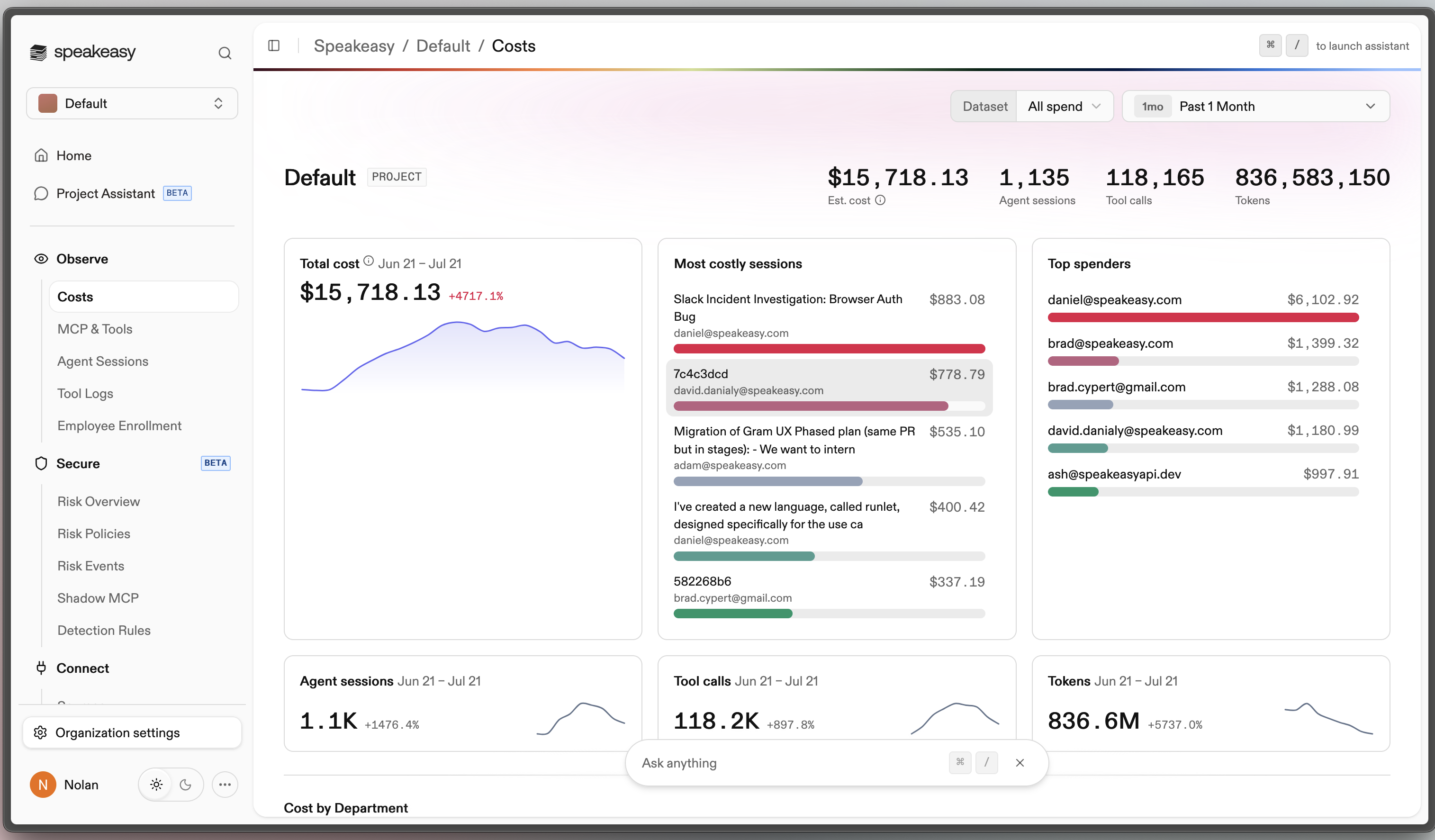
Exclusive: Speakeasy service tracks enterprise-wide AI agent spending
Speakeasy Development Inc. launched an AI cost-management service to track enterprise spending on coding agents like Claude Code, Cursor, and Codex by consolidating token usage data for financial oversight.

AI materials science startup CuspAI raises $450M in funding
UK-based AI materials science startup CuspAI secures $450M Series B funding at a $2.6B valuation, backed by Kleiner Perkins and NEA to support a chemical research consortium with Nvidia and Samsung.

Block launches Buzz, an open-source workspace for humans and AI agents
Block Inc. launched Buzz, a free open-source workspace for human-AI collaborative teams. It unifies chat, code hosting, and workflows while granting AI dedicated accounts.
Site Discovery
Keep exploring the AI ecosystem
After this brief, continue into related tools, models, and rankings to understand whether the story affects your choices.