
The AI backlash intensifies, China gains on the US leaders, and IBM tanks
Global AI backlash intensifies as calls for stricter regulation grow, while China narrows its leadership gap with the US. Concurrently, IBM faces significant market challenges amid shifting geopolitical and regulatory dynamics.

Signal Snapshot
Briefing Notes
What happened and why it matters
Summary
The landscape of artificial intelligence is undergoing a significant transformation driven by three converging forces: escalating public and regulatory pushback, shifting geopolitical power dynamics between the United States and China, and substantial corporate turbulence exemplified by IBM's recent performance. As concerns over safety, ethics, and societal impact mount globally, governments are moving toward stricter oversight mechanisms. Simultaneously, China is rapidly advancing its AI capabilities, effectively narrowing the technological and economic leadership gap previously held by the US. In the corporate sphere, IBM is navigating a complex environment where these broader macroeconomic and regulatory shifts are impacting its market standing.
Why it matters
This triad of developments signals a pivotal moment for the AI industry. The "backlash" is not merely a temporary sentiment but a structural shift indicating that unchecked AI proliferation is facing serious headwinds. For developers and enterprises, this means compliance costs will rise, and deployment strategies must prioritize transparency and safety. Geopolitically, the narrowing gap between China and the US suggests a more multipolar AI ecosystem, potentially leading to fragmented standards and interoperability challenges. For investors and stakeholders, IBM’s struggles highlight how even established tech giants are vulnerable to these rapid regulatory and competitive changes.
Related tools
- Browse AI tools for products in this space
- Model library for weights and APIs
- Rankings for curated shortlists
Impact on AI tools/models
The intensifying regulatory environment directly affects how AI models are trained, deployed, and monitored. Tools that emphasize explainability, data privacy, and ethical alignment are likely to gain prominence. Conversely, models lacking robust governance frameworks may face restrictions or reduced adoption rates. The competitive pressure from China also drives innovation in efficiency and localized solutions, forcing US-based tools to differentiate through superior performance or unique feature sets. IBM’s situation underscores the need for agile adaptation in enterprise-grade AI solutions.
What to watch
As the industry evolves, several key areas require close monitoring. First, the specific regulatory frameworks emerging in major markets will dictate operational boundaries for AI developers. Second, the pace of China’s technological catch-up will influence global supply chains and talent distribution. Third, the financial health of legacy tech firms like IBM will serve as a barometer for the broader market’s resilience. For those seeking to navigate these changes, staying informed through comprehensive resources is essential. Readers can explore the latest innovations and compare offerings via our AI news section. Additionally, evaluating the current state of the market can be done through our detailed rankings. For practical applications, browsing the extensive ToolSeekAI tools directory provides insights into which platforms are adapting best to these new realities.
FAQ
Q: Is the global backlash against AI leading to stricter regulations? A: Yes, there are growing calls for stricter regulation worldwide as concerns about safety and societal impact increase.
Q: How is China’s position in AI changing relative to the US? A: China is actively narrowing its leadership gap with the US, indicating a shift in the global balance of AI power.
Q: What challenges is IBM currently facing? A: IBM is dealing with significant market challenges influenced by shifting geopolitical and regulatory dynamics.
Search FAQ
Frequently asked questions
FAQ
Is there a growing backlash against AI?
How is China's position relative to the US changing?
What challenges is IBM facing?
Keep Tracking
Related AI news

On theCUBE Pod: IBM’s AI test, Nvidia’s lead and the race for enterprise intelligence
IBM tests enterprise AI while Nvidia dominates accelerated computing. AMD and Broadcom vie for market share as the race for enterprise intelligence intensifies across hardware and software layers.

Hugging Face uses open-weights Z.ai GLM 5.2 to battle attacker after commercial frontier model refusal
Hugging Face detected a breach involving an attacker using agentic AI. Commercial frontier models blocked defensive requests due to strict safety guardrails. Hugging Face responded by deploying the open-weights Z.ai GLM 5.2 to counter the threat.

Anthropic settles with authors and publishers for $1.5B in landmark copyright case
Anthropic agrees to a $1.5 billion settlement with authors and publishers regarding the unauthorized use of creative works to train its Claude AI model, marking the largest copyright settlement in history.
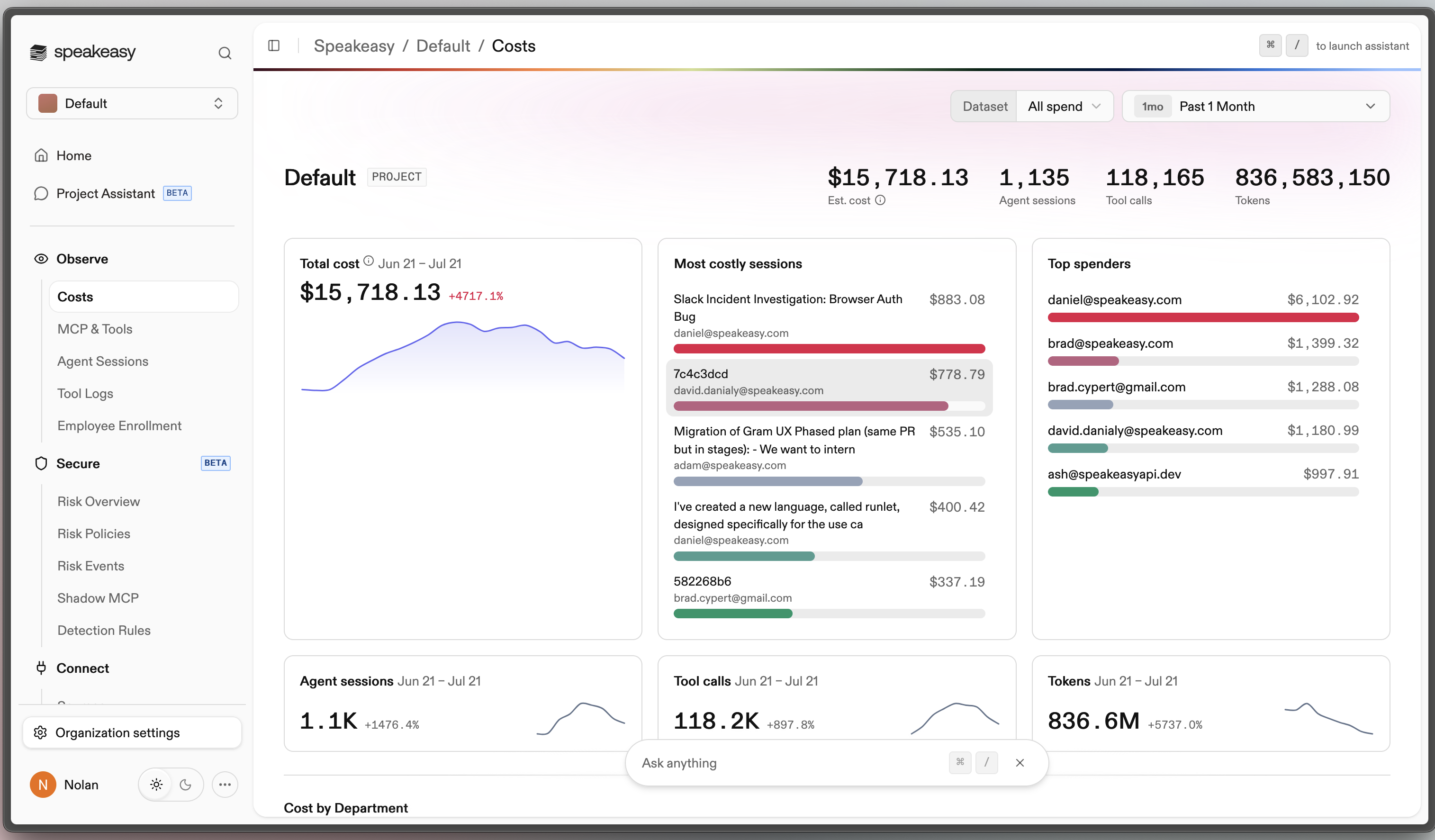
Exclusive: Speakeasy service tracks enterprise-wide AI agent spending
Speakeasy Development Inc. launched an AI cost-management service to track enterprise spending on coding agents like Claude Code, Cursor, and Codex by consolidating token usage data for financial oversight.

AI materials science startup CuspAI raises $450M in funding
UK-based AI materials science startup CuspAI secures $450M Series B funding at a $2.6B valuation, backed by Kleiner Perkins and NEA to support a chemical research consortium with Nvidia and Samsung.

Block launches Buzz, an open-source workspace for humans and AI agents
Block Inc. launched Buzz, a free open-source workspace for human-AI collaborative teams. It unifies chat, code hosting, and workflows while granting AI dedicated accounts.
Site Discovery
Keep exploring the AI ecosystem
After this brief, continue into related tools, models, and rankings to understand whether the story affects your choices.