
Superhuman launches Docs, merging writing, AI and data for document collaboration
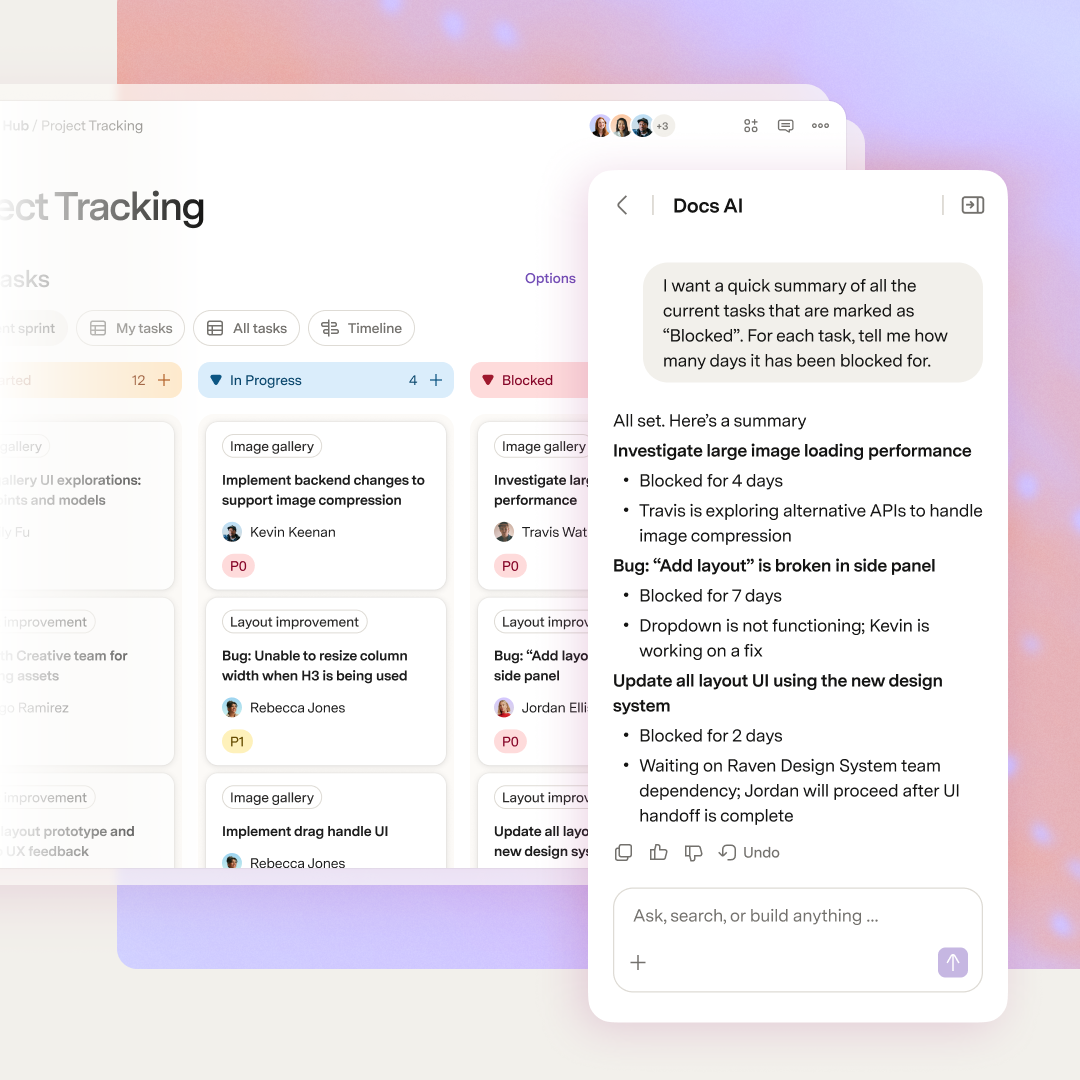
Superhuman, formerly Grammarly, has launched Docs, an AI-powered collaborative writing platform. The tool merges writing capabilities with AI and data, allowing multiple users to co-edit documents and generate full drafts from simple prompts.
Signal Snapshot
Briefing Notes
What happened and why it matters
Superhuman Unveils Docs: A New Era of AI-Driven Collaboration
Summary
Superhuman Inc., the entity formerly recognized as Grammarly, has officially announced the launch of "Docs." This new product is designed to facilitate multi-user collaboration on writing tasks through the integration of artificial intelligence. According to the announcement, Docs provides a comprehensive suite of tools that work in unison to enhance the writing process. Key features include the ability to convert simple text prompts into complete draft documents, marking a significant shift toward AI-assisted content generation within a collaborative environment.
Why it matters
The launch of Docs represents a strategic pivot for Superhuman, moving beyond its historical reputation primarily as a grammar and spelling correction tool. By embedding AI directly into the core workflow of document creation and collaboration, Superhuman is positioning itself at the intersection of productivity software and generative AI. This move addresses a growing market demand for tools that do not just edit text after it is written, but actively participate in the drafting phase. For teams and individuals, this means a potential reduction in the time spent on initial content structuring, allowing human writers to focus on refinement and strategy rather than starting from a blank page. The integration of data alongside writing and AI suggests a deeper level of personalization and context-awareness in future updates.
Related tools
While specific competitor comparisons are not detailed in the source, this launch places Superhuman in direct conversation with other major players in the AI writing assistant space. Users interested in similar collaborative features may also explore options found within broader productivity suites that have recently integrated generative models. Additionally, those looking for specialized grammar and style enhancements might still find value in traditional proofreading tools, though Docs aims to encompass these functions within a larger framework.
Impact on AI tools/models
The introduction of Docs highlights the industry trend of moving from standalone AI utilities to integrated, ecosystem-based solutions. By merging writing, AI, and data, Superhuman is demonstrating how large language models can be applied to complex, multi-user workflows. This impacts the broader AI tool landscape by raising the bar for what constitutes a "smart" document editor. It suggests that future models will need to be not just accurate, but also contextually aware of real-time collaboration dynamics and user-specific data. This could drive further innovation in how AI models handle concurrent edits, version control, and personalized tone adjustments across distributed teams.
What to watch
As Superhuman rolls out Docs, several key areas warrant attention for developers and users alike. First, the depth of the "full suite of tools" mentioned in the announcement will define its competitive advantage. Second, the integration of proprietary data to enhance AI suggestions will be crucial for user trust and adoption. Finally, the scalability of the collaboration features will determine its viability for enterprise environments. For those tracking these developments, regular updates on AI news will provide ongoing insights into market reactions. Users can also browse the latest ToolSeekAI tools to compare Docs against emerging alternatives. Furthermore, checking the current rankings of writing assistants may offer perspective on where Superhuman stands in the evolving tech stack.
FAQ
Q: Is Superhuman still Grammarly? A: Superhuman Inc. is the company formerly known as Grammarly, indicating a rebranding or strategic evolution of the business entity.
Q: Can I use Docs for team projects? A: Yes, the primary function of Docs is to enable multiple users to collaborate on writing simultaneously using AI assistance.
Q: How does the prompt-to-draft feature work? A: Users can input simple prompts, which the AI then expands into full drafts, streamlining the initial stages of document creation.**
Related on ToolSeekAI
- Browse AI tools for products in this space
- Model library for weights and APIs
- Rankings for curated shortlists
Search FAQ
Frequently asked questions
FAQ
What is Superhuman Docs?
How does the AI assist in document creation?
Who developed Superhuman Docs?
Keep Tracking
Related AI news

On theCUBE Pod: IBM’s AI test, Nvidia’s lead and the race for enterprise intelligence
IBM tests enterprise AI while Nvidia dominates accelerated computing. AMD and Broadcom vie for market share as the race for enterprise intelligence intensifies across hardware and software layers.

Hugging Face uses open-weights Z.ai GLM 5.2 to battle attacker after commercial frontier model refusal
Hugging Face detected a breach involving an attacker using agentic AI. Commercial frontier models blocked defensive requests due to strict safety guardrails. Hugging Face responded by deploying the open-weights Z.ai GLM 5.2 to counter the threat.

Anthropic settles with authors and publishers for $1.5B in landmark copyright case
Anthropic agrees to a $1.5 billion settlement with authors and publishers regarding the unauthorized use of creative works to train its Claude AI model, marking the largest copyright settlement in history.
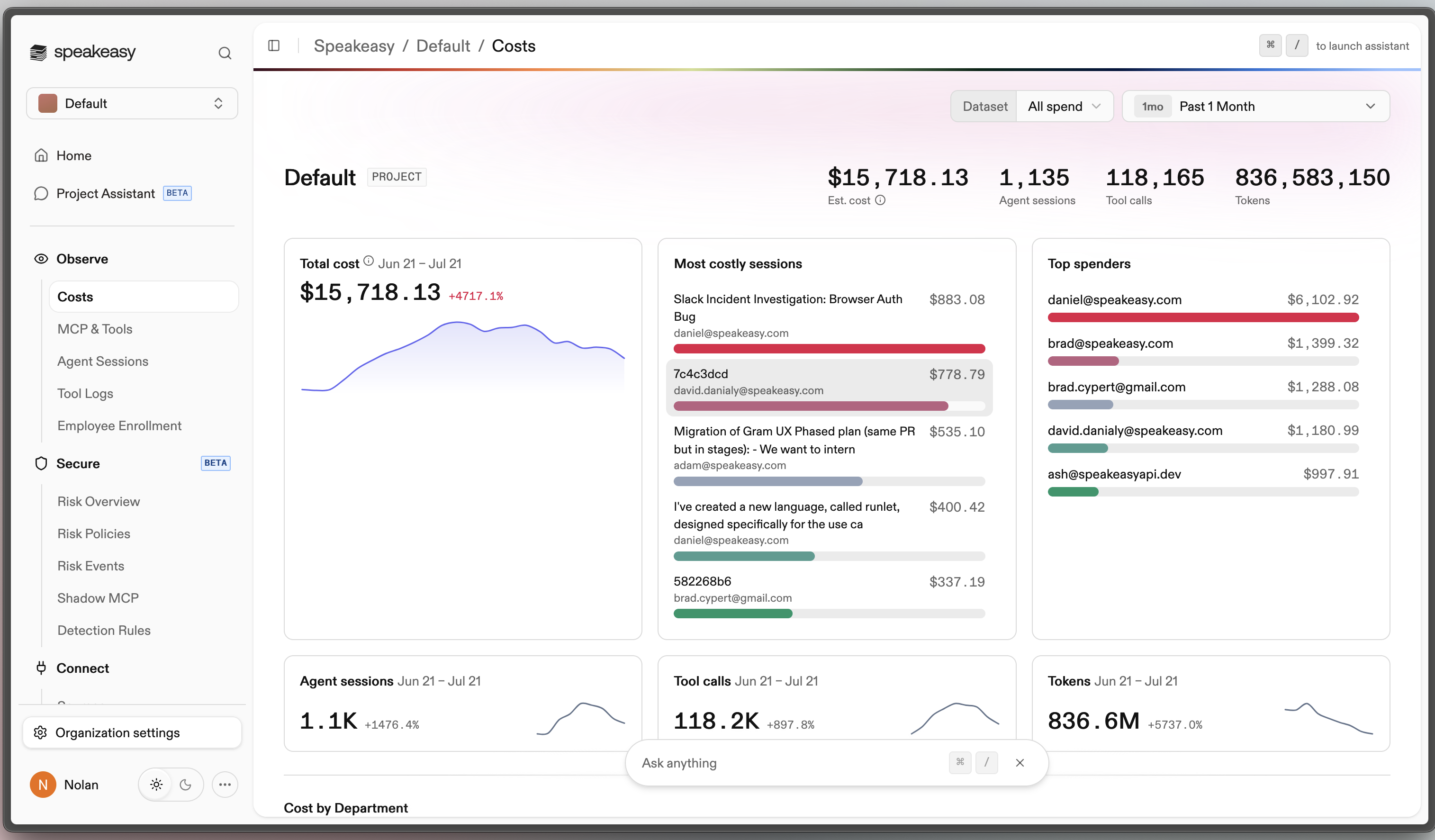
Exclusive: Speakeasy service tracks enterprise-wide AI agent spending
Speakeasy Development Inc. launched an AI cost-management service to track enterprise spending on coding agents like Claude Code, Cursor, and Codex by consolidating token usage data for financial oversight.

AI materials science startup CuspAI raises $450M in funding
UK-based AI materials science startup CuspAI secures $450M Series B funding at a $2.6B valuation, backed by Kleiner Perkins and NEA to support a chemical research consortium with Nvidia and Samsung.
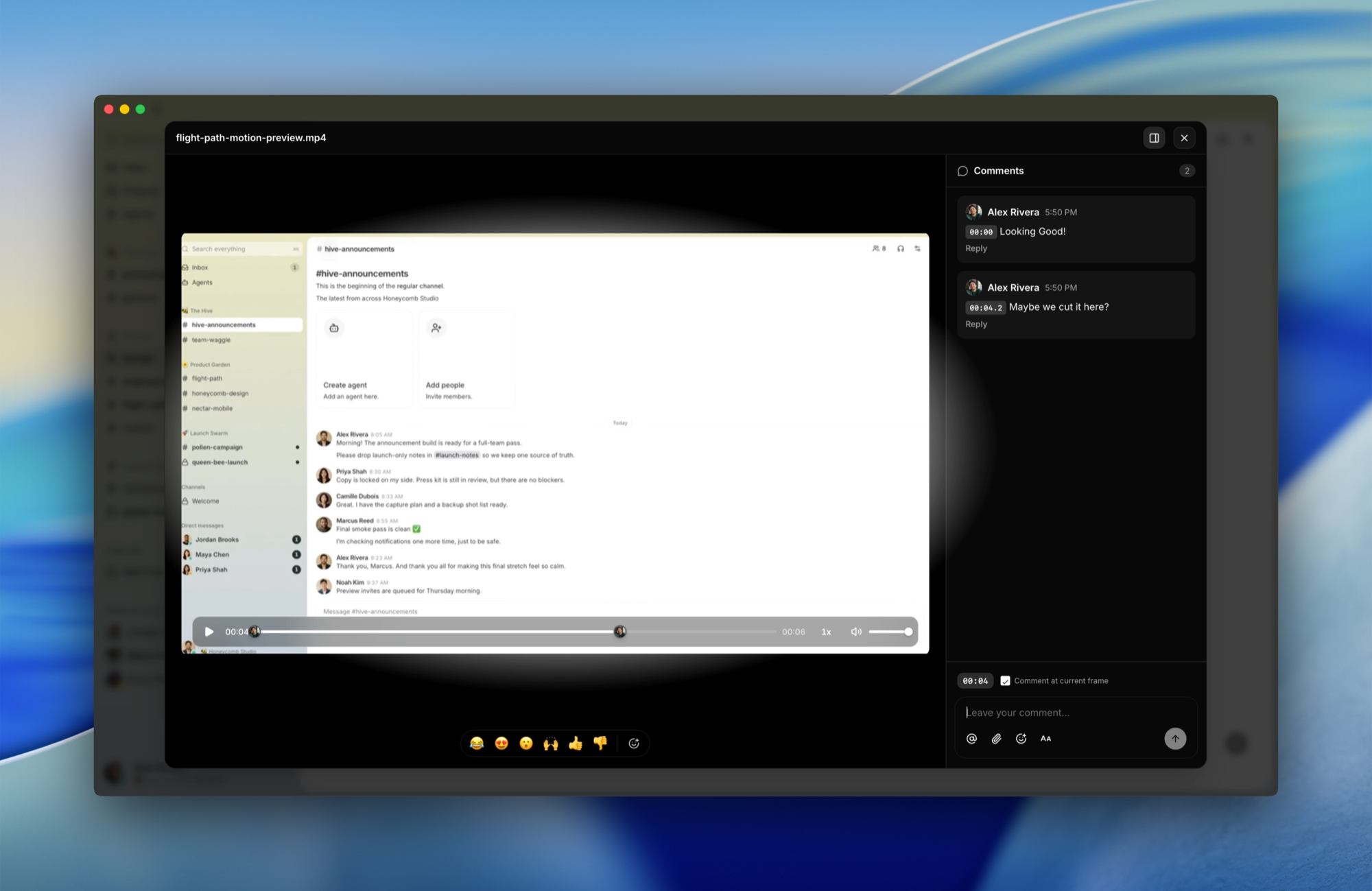
Block launches Buzz, an open-source workspace for humans and AI agents
Block Inc. launched Buzz, a free open-source workspace for human-AI collaborative teams. It unifies chat, code hosting, and workflows while granting AI dedicated accounts.
Site Discovery
Keep exploring the AI ecosystem
After this brief, continue into related tools, models, and rankings to understand whether the story affects your choices.