
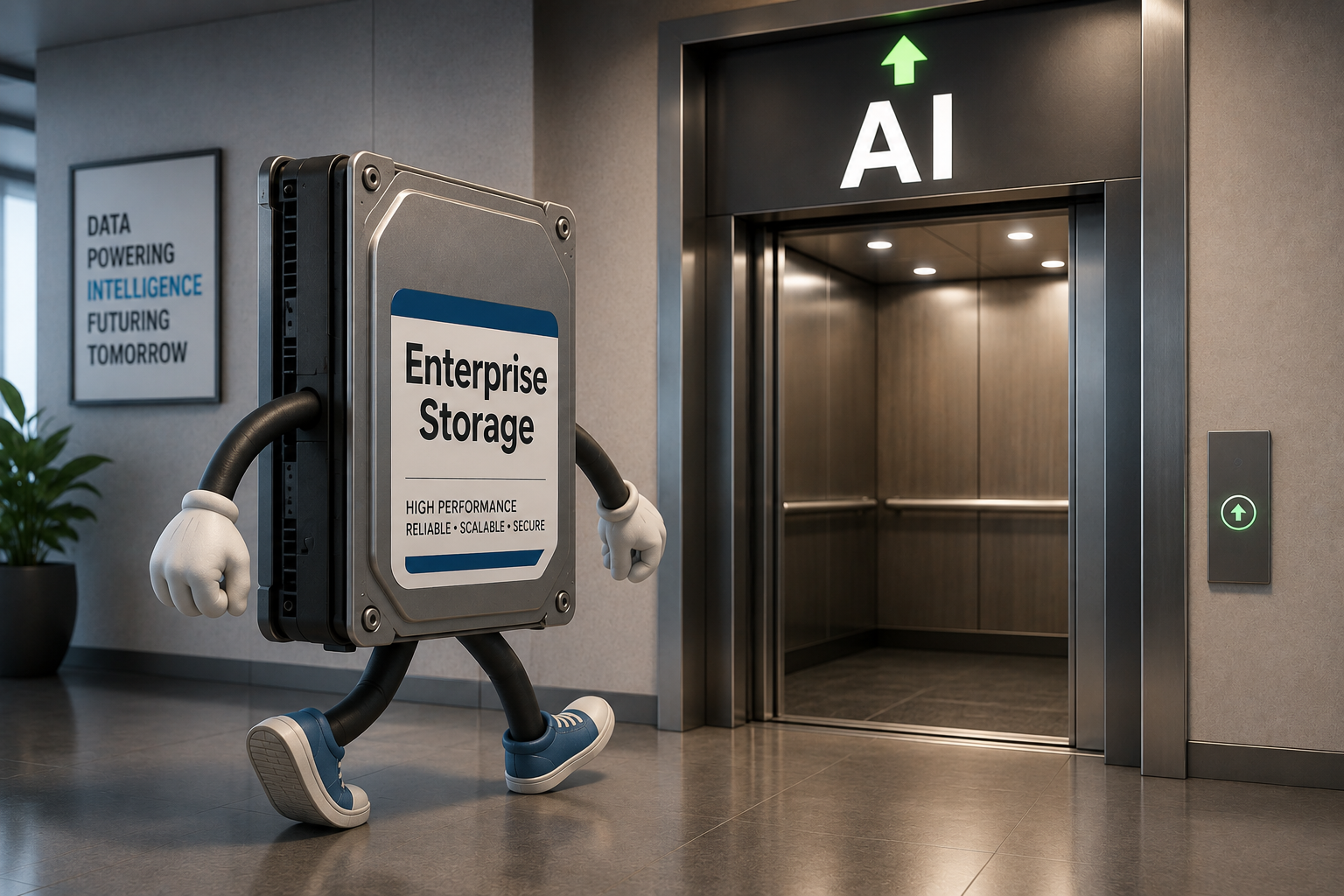
Storage gets promoted in the agentic AI era
Storage technology gains prominence in 2026 as agentic AI requires robust context memory for autonomous task processing, shifting focus from simple chatbots to complex agent systems.
Signal Snapshot
Briefing Notes
What happened and why it matters
Summary
The landscape of artificial intelligence is undergoing a significant transformation, with 2026 poised to be a landmark year for storage technology. As the industry transitions from basic conversational chatbots to sophisticated agentic AI systems, the requirements for data infrastructure are evolving rapidly. This shift places a premium on "context memory," which refers to the relevant information that autonomous systems must access, understand, and process to complete tasks effectively. Consequently, storage is no longer just a backend utility but a central component in enabling the capabilities of next-generation AI agents.
Why it matters
The move toward agentic AI represents a fundamental change in how artificial intelligence interacts with the world. Unlike previous models that primarily generated responses based on immediate prompts, agentic systems operate autonomously to achieve complex goals. This autonomy requires a continuous and reliable stream of contextual data. Without adequate storage solutions capable of managing this volume and complexity, AI agents would struggle to maintain the coherence and accuracy needed for task execution. Therefore, the elevation of storage technology is critical for realizing the full potential of autonomous AI, ensuring that these systems have the necessary memory to function efficiently and reliably.
Related tools
While specific product names are not detailed in the source, the trend highlights the growing importance of enterprise-grade storage solutions designed for high-throughput, low-latency data access required by AI workloads. Organizations are increasingly looking for integrated platforms that combine scalable storage with advanced data management features to support agentic workflows.
Impact on AI tools/models
The increased emphasis on storage directly impacts the development and deployment of AI tools and models. Developers must now prioritize architectures that can seamlessly integrate with robust storage systems to handle large-scale context windows. This may lead to new standards in data serialization, retrieval mechanisms, and memory management within AI frameworks. Models will likely become more dependent on external storage systems for long-term context retention, moving beyond transient memory limitations inherent in current transformer-based architectures.
What to watch
As the industry adapts to these changes, several key areas warrant close attention. First, monitor advancements in storage technologies [/en/tools] that specifically cater to AI workloads, such as high-speed NVMe solutions and distributed file systems optimized for vector databases. Second, keep an eye on emerging AI news [/en/news] regarding regulatory and ethical considerations around data privacy and ownership in agentic systems, as increased data reliance raises new compliance challenges. Finally, track updates in AI rankings [/en/rankings] to see how storage efficiency influences the performance metrics of leading AI models and platforms. These factors will collectively shape the future of autonomous AI infrastructure.
FAQ
How does agentic AI differ from traditional chatbots? Agentic AI systems operate autonomously to perform complex tasks, requiring extensive context memory, whereas traditional chatbots typically respond to direct prompts with limited long-term memory.
What role does context memory play in agentic AI? Context memory provides the relevant information that autonomous agents need to understand their environment and process tasks effectively, serving as the foundation for their decision-making capabilities.
Why is 2026 considered a pivotal year for storage? 2026 is expected to mark a significant increase in the demand for advanced storage solutions due to the widespread adoption of agentic AI systems that rely heavily on robust data infrastructure.
Related on ToolSeekAI
- Browse AI tools for products in this space
- Model library for weights and APIs
- Rankings for curated shortlists
Search FAQ
Frequently asked questions
FAQ
Why is storage becoming more important for AI?
What is the significance of 2026 for storage technology?
Keep Tracking
Related AI news

On theCUBE Pod: IBM’s AI test, Nvidia’s lead and the race for enterprise intelligence
IBM tests enterprise AI while Nvidia dominates accelerated computing. AMD and Broadcom vie for market share as the race for enterprise intelligence intensifies across hardware and software layers.

Hugging Face uses open-weights Z.ai GLM 5.2 to battle attacker after commercial frontier model refusal
Hugging Face detected a breach involving an attacker using agentic AI. Commercial frontier models blocked defensive requests due to strict safety guardrails. Hugging Face responded by deploying the open-weights Z.ai GLM 5.2 to counter the threat.

Anthropic settles with authors and publishers for $1.5B in landmark copyright case
Anthropic agrees to a $1.5 billion settlement with authors and publishers regarding the unauthorized use of creative works to train its Claude AI model, marking the largest copyright settlement in history.
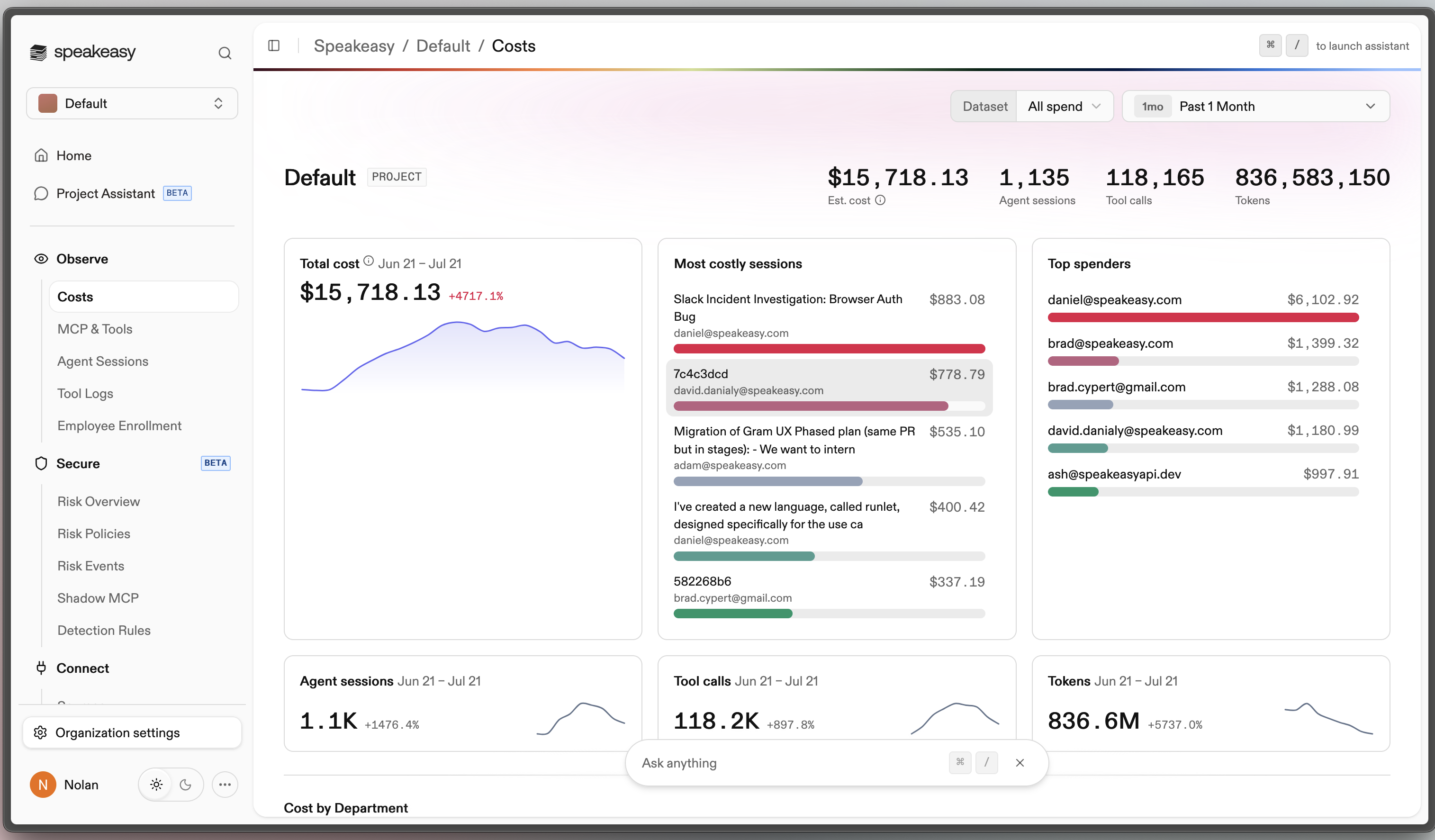
Exclusive: Speakeasy service tracks enterprise-wide AI agent spending
Speakeasy Development Inc. launched an AI cost-management service to track enterprise spending on coding agents like Claude Code, Cursor, and Codex by consolidating token usage data for financial oversight.

AI materials science startup CuspAI raises $450M in funding
UK-based AI materials science startup CuspAI secures $450M Series B funding at a $2.6B valuation, backed by Kleiner Perkins and NEA to support a chemical research consortium with Nvidia and Samsung.

Block launches Buzz, an open-source workspace for humans and AI agents
Block Inc. launched Buzz, a free open-source workspace for human-AI collaborative teams. It unifies chat, code hosting, and workflows while granting AI dedicated accounts.
Site Discovery
Keep exploring the AI ecosystem
After this brief, continue into related tools, models, and rankings to understand whether the story affects your choices.