
Software testing startup Arato gets $10M to stop businesses deploying AI systems blind
Arato raises $10M to help enterprises validate AI systems before deployment, targeting hallucinations, bias, and security risks through robust pre-launch testing frameworks.

Signal Snapshot
Briefing Notes
What happened and why it matters
Summary
Arato, a software testing startup focused on enterprise AI safety, has successfully secured $10 million in funding. This capital injection is aimed at helping businesses deploy artificial intelligence systems with greater confidence and security. The core mission of Arato is to address the significant risks associated with launching unvalidated AI models into production environments. These risks include hallucinations, where models generate false or misleading information; bias, which can lead to unfair or discriminatory outcomes; and security vulnerabilities that could expose sensitive data or systems to attacks. By providing robust pre-launch validation frameworks, Arato seeks to ensure that AI deployments are not only functional but also safe, reliable, and aligned with ethical standards.
Why it matters
As organizations increasingly integrate AI into their critical operations, the stakes for deployment errors have never been higher. A single hallucination in a customer-facing chatbot or a biased decision-making algorithm in hiring processes can result in severe reputational damage, legal liabilities, and financial losses. Traditional software testing methods often fall short when applied to AI systems due to the probabilistic nature of machine learning models. Arato’s focus on specialized validation frameworks addresses this gap, offering enterprises a structured approach to mitigate these unique risks. The $10 million funding signals strong market demand for tools that bridge the trust gap between AI development and real-world application. It underscores the industry’s shift from merely building AI capabilities to ensuring they are responsible and secure before public release.
Related tools
For professionals looking to explore similar solutions or broader AI infrastructure, the following resources on ToolSeekAI may be useful:
- Browse AI tools for products in this space
- Model library for weights and APIs
- Rankings for curated shortlists
Impact on AI tools/models
The emergence of specialized testing startups like Arato highlights a maturing AI ecosystem where safety and reliability are becoming primary differentiators alongside performance metrics. For AI tool developers and model providers, integrating with or adopting validation frameworks from companies like Arato could become a standard practice to demonstrate compliance and trustworthiness to enterprise clients. This trend may lead to the development of industry-wide standards for AI pre-launch validation, potentially influencing how models are trained and evaluated. Enterprises will likely prioritize AI vendors that offer transparent, validated safety records, driving competition toward more rigorous testing protocols. Consequently, we may see a reduction in high-profile AI failures caused by unchecked biases or security flaws, fostering greater adoption of AI technologies across regulated industries such as healthcare, finance, and legal services.
What to watch
As the AI landscape evolves, several key areas warrant attention for stakeholders in the technology sector. First, monitor how Arato’s validation frameworks are adopted by major enterprises and whether they set new benchmarks for AI safety. Second, track regulatory developments that may mandate specific testing protocols for AI deployments, potentially increasing the value of services like Arato’s. Third, observe the competitive landscape within AI testing tools to see if other startups emerge with similar or complementary offerings. For those interested in exploring the broader ecosystem of AI solutions, consider visiting ToolSeekAI tools to discover a wide range of applications. Additionally, staying updated with the latest developments in AI safety and testing can be achieved by browsing AI news. Finally, for those seeking to compare different AI models and their performance metrics, checking out rankings provides valuable insights into the current state of the market.
FAQ
What problem does Arato solve? Arato helps enterprises deploy AI safely by addressing risks like hallucinations, bias, and security vulnerabilities through pre-launch validation frameworks.
How much funding did Arato raise? Arato secured $10 million in funding to expand its efforts in AI safety testing.
Who is Arato’s target audience? The primary target audience for Arato’s services is enterprises looking to integrate AI systems into their operations while minimizing risk.
Search FAQ
Frequently asked questions
FAQ
What is the primary purpose of Arato's funding?
What specific risks does Arato aim to mitigate?
Why is rigorous validation important for generative AI?
Keep Tracking
Related AI news

On theCUBE Pod: IBM’s AI test, Nvidia’s lead and the race for enterprise intelligence
IBM tests enterprise AI while Nvidia dominates accelerated computing. AMD and Broadcom vie for market share as the race for enterprise intelligence intensifies across hardware and software layers.

Hugging Face uses open-weights Z.ai GLM 5.2 to battle attacker after commercial frontier model refusal
Hugging Face detected a breach involving an attacker using agentic AI. Commercial frontier models blocked defensive requests due to strict safety guardrails. Hugging Face responded by deploying the open-weights Z.ai GLM 5.2 to counter the threat.

Anthropic settles with authors and publishers for $1.5B in landmark copyright case
Anthropic agrees to a $1.5 billion settlement with authors and publishers regarding the unauthorized use of creative works to train its Claude AI model, marking the largest copyright settlement in history.
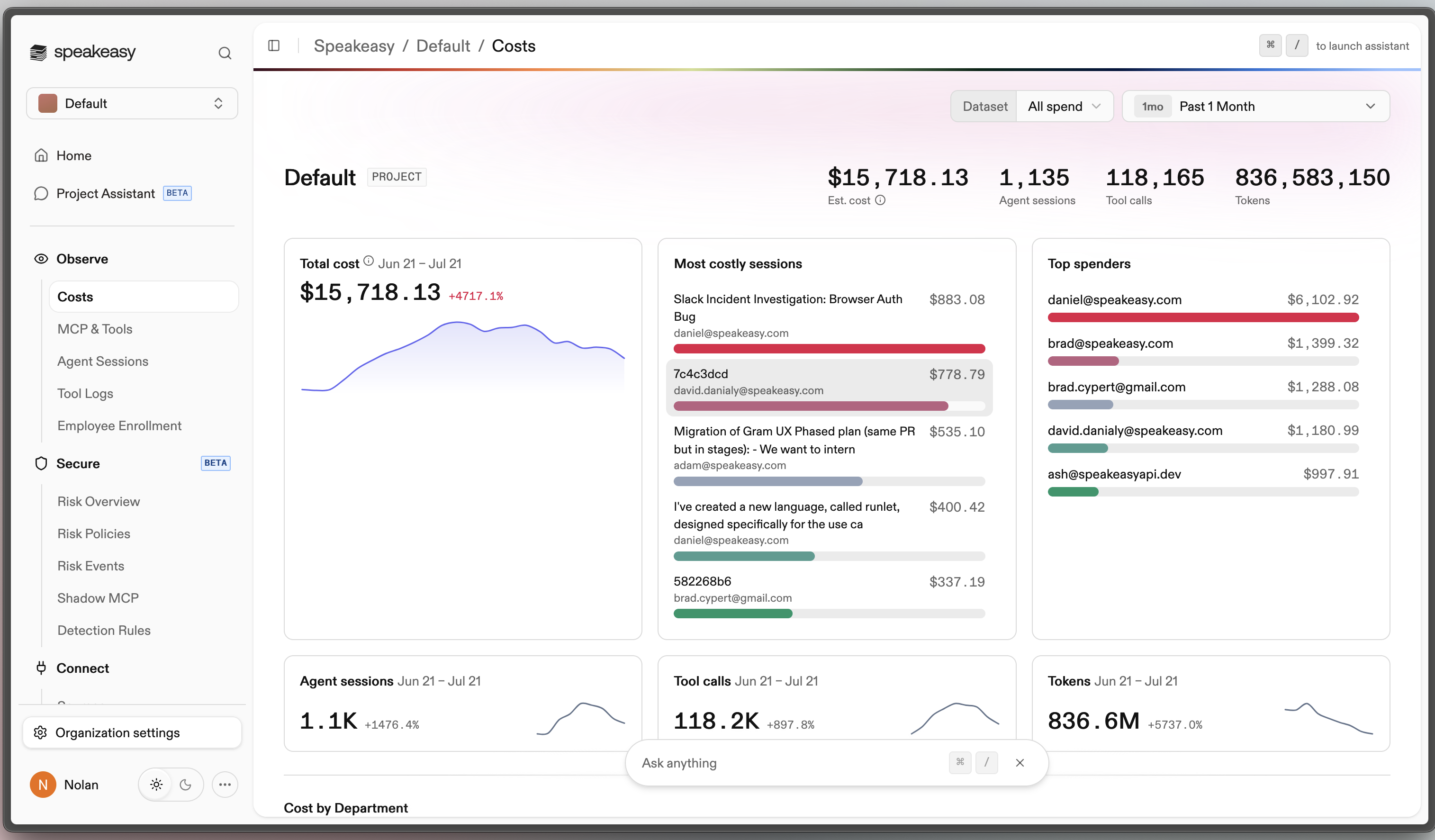
Exclusive: Speakeasy service tracks enterprise-wide AI agent spending
Speakeasy Development Inc. launched an AI cost-management service to track enterprise spending on coding agents like Claude Code, Cursor, and Codex by consolidating token usage data for financial oversight.

AI materials science startup CuspAI raises $450M in funding
UK-based AI materials science startup CuspAI secures $450M Series B funding at a $2.6B valuation, backed by Kleiner Perkins and NEA to support a chemical research consortium with Nvidia and Samsung.
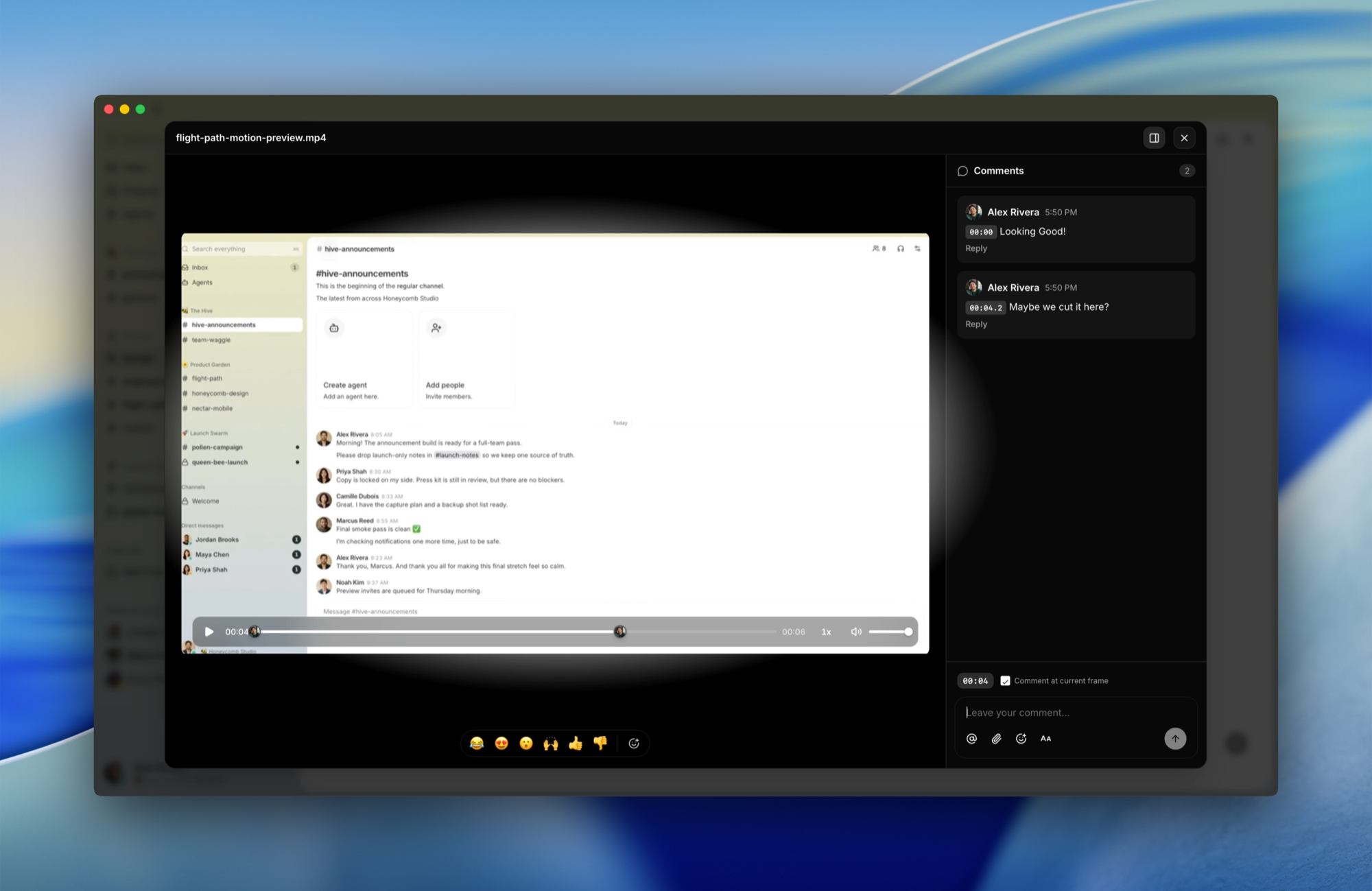
Block launches Buzz, an open-source workspace for humans and AI agents
Block Inc. launched Buzz, a free open-source workspace for human-AI collaborative teams. It unifies chat, code hosting, and workflows while granting AI dedicated accounts.
Site Discovery
Keep exploring the AI ecosystem
After this brief, continue into related tools, models, and rankings to understand whether the story affects your choices.