
Refiant goes where rivals only promised with a 10 million-token AI model
Refiant launches Protea, a long-context AI model suite with a 10 million-token window, aiming to lead in handling extensive working memory among public models.

Signal Snapshot
Briefing Notes
What happened and why it matters
Summary
Refiant has officially launched Protea, a comprehensive suite of artificial intelligence models distinguished by their ability to process an exceptionally large context window. The headline feature of the Protea suite is its support for 10 million tokens of context. This capability positions Refiant’s offering among the largest publicly available models designed for handling extensive working memory. By enabling the ingestion and retention of vast amounts of information within a single interaction, Refiant aims to address critical limitations faced by previous generations of large language models that struggled with long-document analysis or complex, multi-turn conversations.
Why it matters
The introduction of a 10 million-token context window represents a significant leap forward in natural language processing capabilities. Historically, AI models have been constrained by "context windows," which define the amount of prior information the model can consider when generating a response. When documents exceed these limits, models often lose track of earlier details, leading to hallucinations or incomplete answers. Protea’s architecture directly mitigates this issue, allowing users to upload entire codebases, lengthy legal contracts, or massive datasets without needing to chunk or summarize them beforehand. This shift reduces preprocessing overhead and improves accuracy, making AI tools more viable for enterprise-grade tasks that require holistic understanding rather than fragmented analysis. For developers and researchers, this opens new avenues for applications in scientific research, legal tech, and software engineering where context retention is paramount.
Related tools
- Browse AI tools for products in this space
- Model library for weights and APIs
- Rankings for curated shortlists
Impact on AI tools/models
Protea’s launch pressures competitors to accelerate their own long-context developments. While other firms have promised similar capabilities, Refiant’s execution demonstrates a tangible step toward practical, high-capacity memory in AI systems. This advancement likely influences how downstream tools are built; applications relying on RAG (Retrieval-Augmented Generation) may simplify their retrieval strategies if the base model can natively handle larger contexts. Furthermore, it sets a new benchmark for efficiency, as processing 10 million tokens requires significant computational optimization to remain cost-effective and fast. Users can expect to see a wave of new integrations that leverage this depth, particularly in sectors like finance and healthcare where document volume is immense.
What to watch
As the industry reacts to Protea, several key areas deserve attention. First, monitor how Refiant handles latency and cost at scale; supporting such large contexts is computationally expensive. Second, observe competitor responses from major labs attempting to match or exceed this token limit. Third, look for emerging use cases that specifically benefit from deep context, such as full-codebase refactoring or longitudinal medical record analysis. For those interested in tracking these developments, exploring the latest updates on AI news will provide ongoing coverage of the long-context race. Additionally, comparing Protea against other top performers via our rankings can help users identify the best fit for their specific workload needs. Developers should also check the model library to assess API availability and integration options for Protea.
FAQ
What is the main feature of Refiant's Protea model? The primary feature is a 10 million-token context window, allowing it to process extremely long documents or conversations in a single pass.
How does Protea compare to other public models? It is positioned among the largest publicly available models for handling extensive working memory, aiming to outperform rivals who have previously only promised similar capabilities.
Who is the target audience for Protea? The model is suitable for enterprises and developers dealing with large volumes of text, such as legal firms, software engineers, and researchers who need deep context retention.
Search FAQ
Frequently asked questions
FAQ
What is the maximum context window size of Refiant's Protea model?
How does Refiant position the Protea model in the current market?
Keep Tracking
Related AI news

On theCUBE Pod: IBM’s AI test, Nvidia’s lead and the race for enterprise intelligence
IBM tests enterprise AI while Nvidia dominates accelerated computing. AMD and Broadcom vie for market share as the race for enterprise intelligence intensifies across hardware and software layers.

Hugging Face uses open-weights Z.ai GLM 5.2 to battle attacker after commercial frontier model refusal
Hugging Face detected a breach involving an attacker using agentic AI. Commercial frontier models blocked defensive requests due to strict safety guardrails. Hugging Face responded by deploying the open-weights Z.ai GLM 5.2 to counter the threat.

Anthropic settles with authors and publishers for $1.5B in landmark copyright case
Anthropic agrees to a $1.5 billion settlement with authors and publishers regarding the unauthorized use of creative works to train its Claude AI model, marking the largest copyright settlement in history.
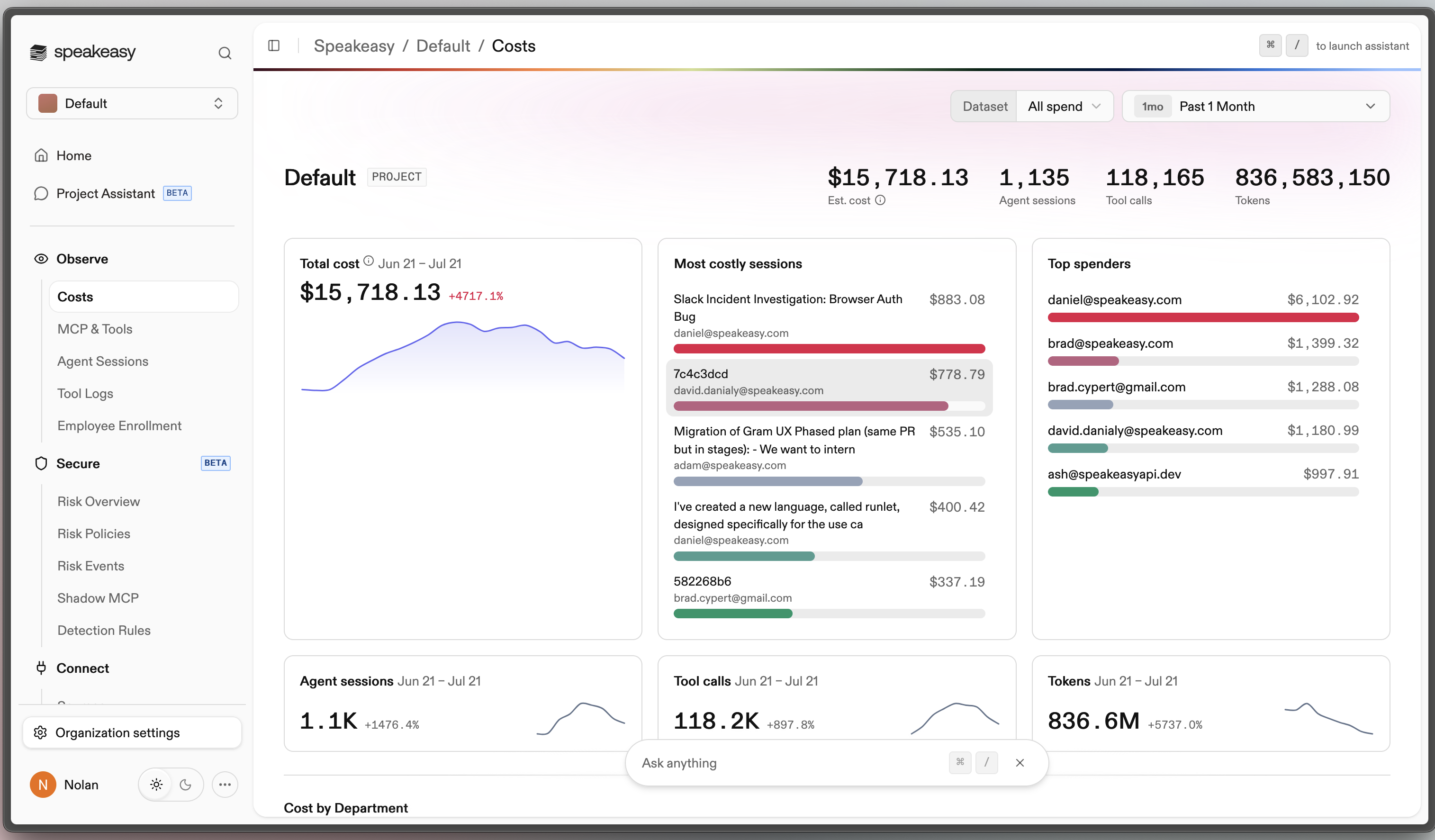
Exclusive: Speakeasy service tracks enterprise-wide AI agent spending
Speakeasy Development Inc. launched an AI cost-management service to track enterprise spending on coding agents like Claude Code, Cursor, and Codex by consolidating token usage data for financial oversight.

AI materials science startup CuspAI raises $450M in funding
UK-based AI materials science startup CuspAI secures $450M Series B funding at a $2.6B valuation, backed by Kleiner Perkins and NEA to support a chemical research consortium with Nvidia and Samsung.
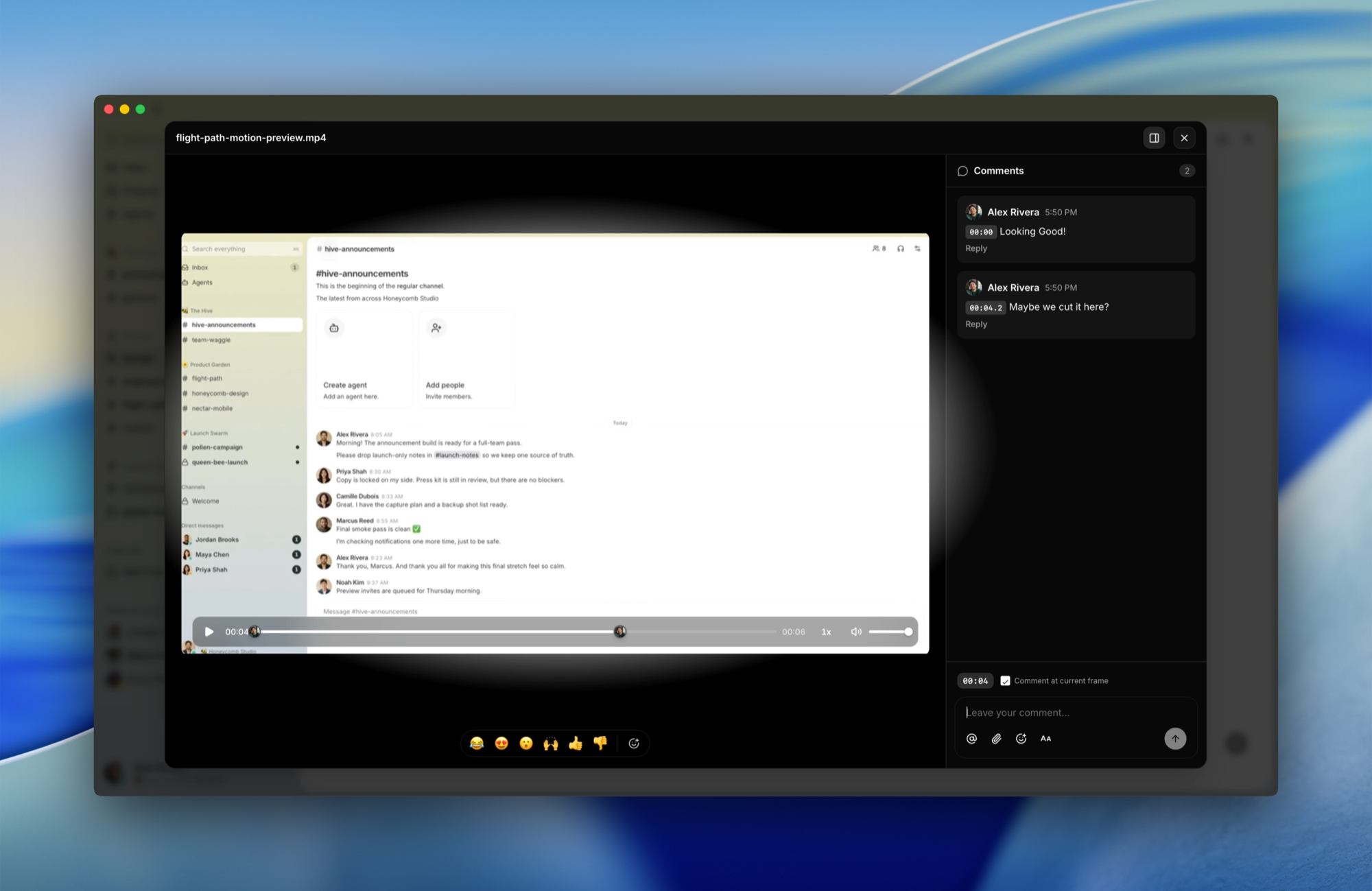
Block launches Buzz, an open-source workspace for humans and AI agents
Block Inc. launched Buzz, a free open-source workspace for human-AI collaborative teams. It unifies chat, code hosting, and workflows while granting AI dedicated accounts.
Site Discovery
Keep exploring the AI ecosystem
After this brief, continue into related tools, models, and rankings to understand whether the story affects your choices.