
Raja Koduri’s Oxmiq Labs raises $35M to lower the design cost of custom AI silicon
Oxmiq Labs, founded by Raja Koduri, secured $35M in Series A funding to reduce custom AI silicon design costs, aiming to emulate Arm Holdings' industry impact.

Signal Snapshot
Briefing Notes
What happened and why it matters
Oxmiq Labs Targets Custom AI Silicon Revolution with New Funding
Summary
Oxmiq Labs, an artificial intelligence chipmaking startup founded by industry veteran Raja Koduri, has successfully closed a $35 million Series A funding round. This investment brings the company's total capital raised to $60 million. The primary objective of Oxmiq Labs is to significantly lower the design costs associated with custom AI silicon. By reducing these barriers, the company aims to democratize access to specialized hardware, positioning itself to become the next major architectural force in the semiconductor industry, similar to the influence held by Arm Holdings.
Why it Matters
The cost of designing custom Application-Specific Integrated Circuits (ASICs) for AI workloads has historically been prohibitive for all but the largest tech giants. By focusing on lowering these design costs, Oxmiq Labs addresses a critical bottleneck in the AI hardware supply chain. This approach could enable a wider range of companies to deploy optimized silicon for their specific AI models, potentially leading to greater efficiency and performance gains across the industry. The ambition to replicate Arm's success model suggests a shift towards providing foundational IP or design services rather than just selling chips, which could reshape how AI hardware is developed and licensed.
Related tools
Impact on AI tools/models
Lowering the cost of custom silicon design directly impacts the efficiency and deployment of AI models. When hardware can be tailored specifically to the computational needs of certain AI architectures, inference and training times can be reduced, and energy consumption minimized. This funding round signals increased competition in the AI infrastructure space, potentially driving innovation in hardware-software co-design. As more entities gain access to affordable custom silicon solutions, we may see a proliferation of specialized AI tools that were previously economically unviable due to high hardware development costs.
What to watch
Investors and industry observers should monitor how Oxmiq Labs leverages its $60 million war chest to develop its proprietary technologies. Key areas to watch include partnerships with existing semiconductor manufacturers and the adoption rate of their design methodologies by mid-sized AI firms. Additionally, the competitive landscape between Oxmiq and established players like Arm will be crucial. For broader context on the evolving AI hardware market, readers can explore our latest updates on AI news and check out the current rankings of top semiconductor startups. Further insights into related technologies can be found in our directory of ToolSeekAI tools.
FAQ
What is the main goal of Oxmiq Labs? To lower the design cost of custom AI silicon and become a dominant architectural force akin to Arm Holdings.
Who are the key investors in Oxmiq Labs? Fundomo and Samsung Catalyst Fund were prominent participants in the Series A round.
What is Raja Koduri's role in this venture? Raja Koduri is the founder of Oxmiq Labs, bringing his extensive experience in graphics and AI hardware to the new venture.
Search FAQ
Frequently asked questions
FAQ
Who founded Oxmiq Labs?
How much total funding has Oxmiq Labs raised?
Which investors participated in the Series A round?
Keep Tracking
Related AI news

On theCUBE Pod: IBM’s AI test, Nvidia’s lead and the race for enterprise intelligence
IBM tests enterprise AI while Nvidia dominates accelerated computing. AMD and Broadcom vie for market share as the race for enterprise intelligence intensifies across hardware and software layers.

Hugging Face uses open-weights Z.ai GLM 5.2 to battle attacker after commercial frontier model refusal
Hugging Face detected a breach involving an attacker using agentic AI. Commercial frontier models blocked defensive requests due to strict safety guardrails. Hugging Face responded by deploying the open-weights Z.ai GLM 5.2 to counter the threat.

Anthropic settles with authors and publishers for $1.5B in landmark copyright case
Anthropic agrees to a $1.5 billion settlement with authors and publishers regarding the unauthorized use of creative works to train its Claude AI model, marking the largest copyright settlement in history.
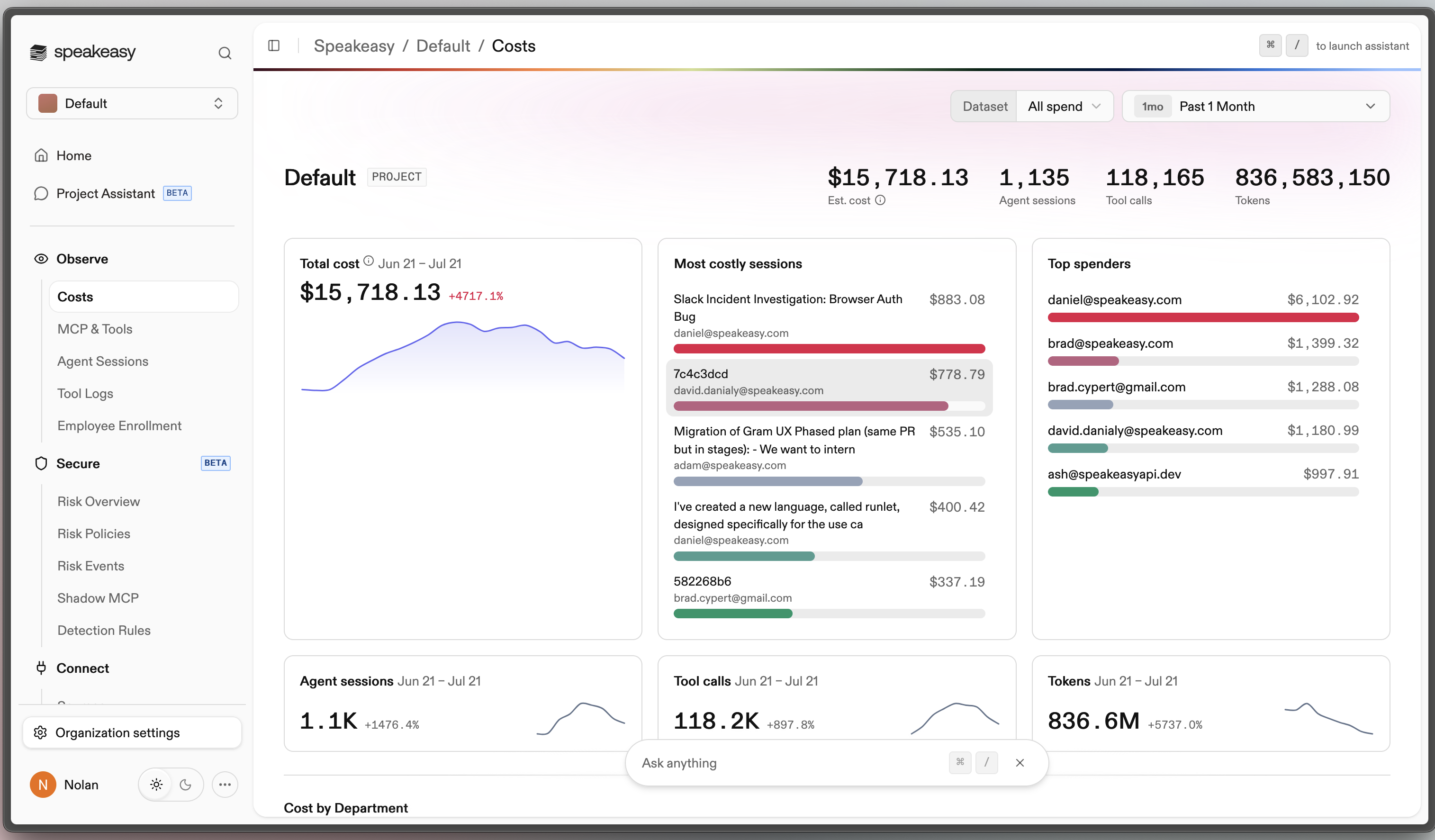
Exclusive: Speakeasy service tracks enterprise-wide AI agent spending
Speakeasy Development Inc. launched an AI cost-management service to track enterprise spending on coding agents like Claude Code, Cursor, and Codex by consolidating token usage data for financial oversight.
AI materials science startup CuspAI raises $450M in funding
UK-based AI materials science startup CuspAI secures $450M Series B funding at a $2.6B valuation, backed by Kleiner Perkins and NEA to support a chemical research consortium with Nvidia and Samsung.

Block launches Buzz, an open-source workspace for humans and AI agents
Block Inc. launched Buzz, a free open-source workspace for human-AI collaborative teams. It unifies chat, code hosting, and workflows while granting AI dedicated accounts.
Site Discovery
Keep exploring the AI ecosystem
After this brief, continue into related tools, models, and rankings to understand whether the story affects your choices.