
Prominent economists, tech executives call for new regulatory approach to AI
Over 200 economists and tech leaders urge policymakers to adopt a direct regulatory approach to AI risks, organized by prominent academics including Erik Brynjolfsson.

Signal Snapshot
Briefing Notes
What happened and why it matters
Summary
A significant coalition of economists and technology industry executives has issued a public call for policyMakers to implement a more direct and robust regulatory framework for artificial intelligence. This initiative, highlighted in recent reporting by SiliconANGLE, centers on a public letter signed by over 200 individuals. The effort was spearheaded by a group of distinguished economics professors, including Erik Brynjolfsson, Ajay Agrawal, Anton Korinek, and Tom Cunningham. Their primary objective is to ensure that the rapid advancement of AI technologies is met with governance structures that adequately address the associated societal and economic risks.
Why it matters
The involvement of such high-profile academic figures lends substantial weight to the argument that current regulatory approaches may be insufficient. Economists like Brynjolfsson and Agrawal are well-known for their research on the intersection of technology and labor markets. Their endorsement suggests that the concerns regarding AI are not merely technical but have profound implications for economic stability, labor displacement, and market competition. By framing the issue through an economic lens, these experts are urging policymakers to look beyond simple safety checks and consider the broader systemic impacts of unregulated AI deployment. This shift in perspective could influence how governments in the US and Europe design future legislation, moving towards models that prioritize proactive risk mitigation over reactive measures.
Related tools
While this news focuses on policy rather than specific software, understanding the landscape of AI governance is crucial for developers and enterprises. For those looking to manage AI compliance and ethical standards, exploring available AI governance platforms can provide insights into how organizations are currently addressing these very concerns. Additionally, reviewing enterprise AI solutions helps contextualize how large-scale deployments are being managed under existing guidelines. Finally, examining open-source AI frameworks offers a view into the technical foundations that regulators are attempting to oversee.
Impact on AI tools/models
For developers and companies building AI models, this collective voice from the economic community signals a tightening regulatory environment. Tools that rely on large-scale data processing and automated decision-making will likely face increased scrutiny regarding transparency, bias, and economic impact. Model providers may need to invest more heavily in explainability features and impact assessments to align with the expectations set forth by these prominent figures. The push for "direct" regulation implies that self-regulation may no longer be viewed as adequate by key stakeholders in both the academic and tech sectors.
What to watch
As this movement gains traction, several areas require close monitoring. First, watch for legislative responses in major economies that reflect the specific recommendations outlined in the public letter. Second, observe how major tech companies adjust their development roadmaps in anticipation of stricter oversight. Third, track further collaborations between academia and industry aimed at defining measurable standards for AI safety and economic fairness. For ongoing updates on these developments, readers should consult the latest AI news for real-time reporting on policy shifts. Those interested in the technological side of these changes can explore our directory of AI tools to see which platforms are adapting to new compliance needs. Additionally, checking the rankings of AI companies may reveal which firms are prioritizing regulatory alignment as a competitive advantage.
FAQ
Who organized the call for new AI regulations? The initiative was organized by economics professors Erik Brynjolfsson, Ajay Agrawal, Anton Korinek, and Tom Cunningham.
How many people signed the public letter? More than 200 economists and tech industry figures signed the letter.
What is the main goal of this initiative? The primary goal is to urge policymakers to address the risks posed by artificial intelligence more directly through new regulatory approaches.
Keep Tracking
Related AI news

On theCUBE Pod: IBM’s AI test, Nvidia’s lead and the race for enterprise intelligence
IBM tests enterprise AI while Nvidia dominates accelerated computing. AMD and Broadcom vie for market share as the race for enterprise intelligence intensifies across hardware and software layers.

Hugging Face uses open-weights Z.ai GLM 5.2 to battle attacker after commercial frontier model refusal
Hugging Face detected a breach involving an attacker using agentic AI. Commercial frontier models blocked defensive requests due to strict safety guardrails. Hugging Face responded by deploying the open-weights Z.ai GLM 5.2 to counter the threat.

Anthropic settles with authors and publishers for $1.5B in landmark copyright case
Anthropic agrees to a $1.5 billion settlement with authors and publishers regarding the unauthorized use of creative works to train its Claude AI model, marking the largest copyright settlement in history.
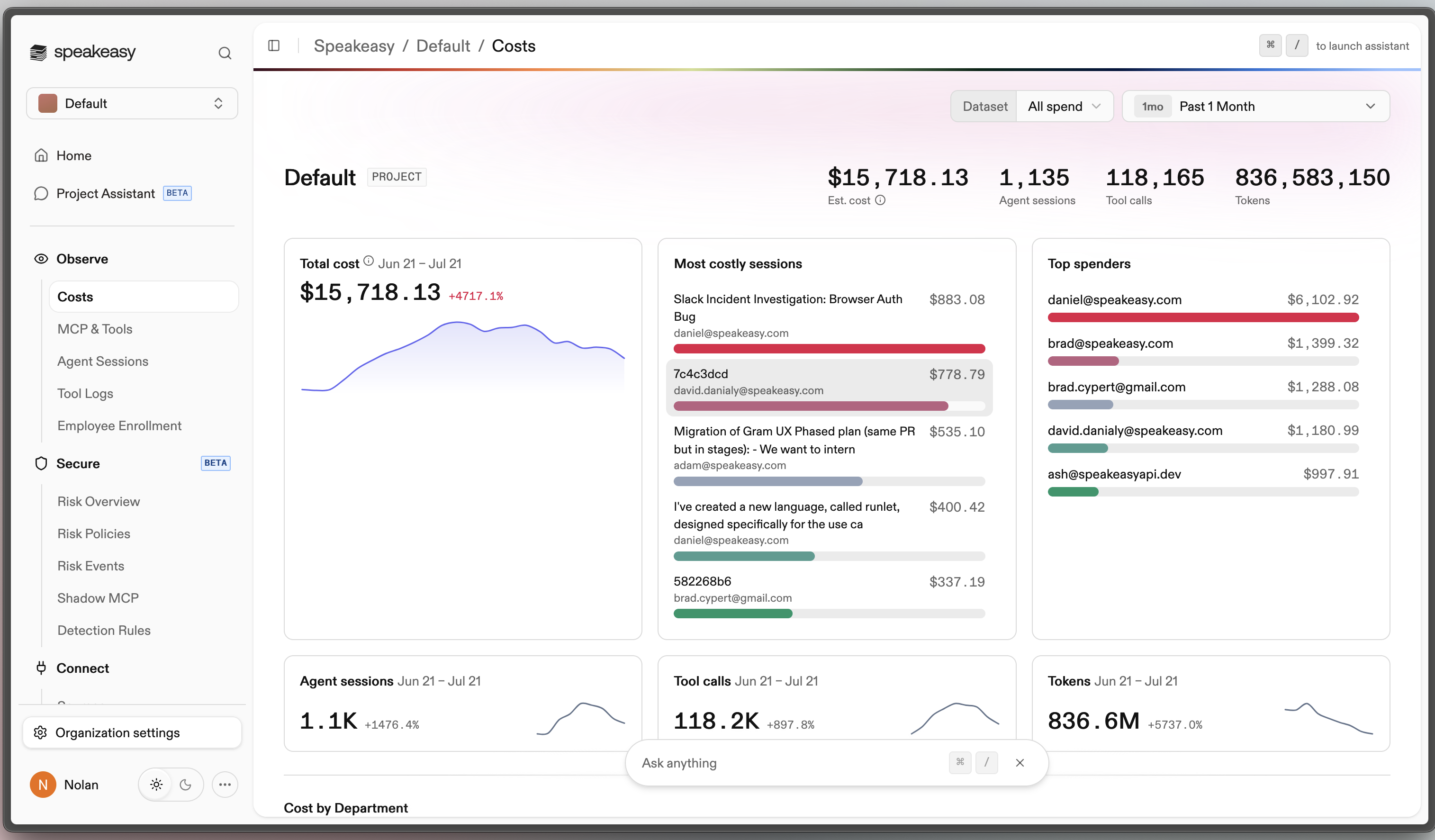
Exclusive: Speakeasy service tracks enterprise-wide AI agent spending
Speakeasy Development Inc. launched an AI cost-management service to track enterprise spending on coding agents like Claude Code, Cursor, and Codex by consolidating token usage data for financial oversight.

AI materials science startup CuspAI raises $450M in funding
UK-based AI materials science startup CuspAI secures $450M Series B funding at a $2.6B valuation, backed by Kleiner Perkins and NEA to support a chemical research consortium with Nvidia and Samsung.

Block launches Buzz, an open-source workspace for humans and AI agents
Block Inc. launched Buzz, a free open-source workspace for human-AI collaborative teams. It unifies chat, code hosting, and workflows while granting AI dedicated accounts.
Site Discovery
Keep exploring the AI ecosystem
After this brief, continue into related tools, models, and rankings to understand whether the story affects your choices.