
Palantir CEO Alex Karp doesn’t hold back in interview as he rails against AI industry
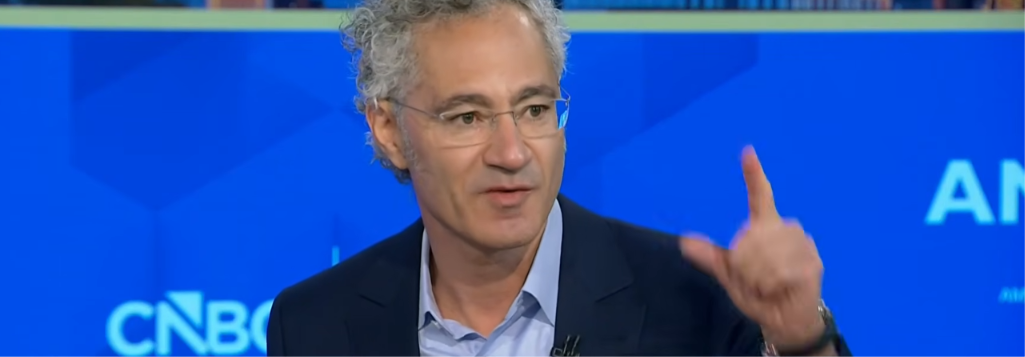
Palantir CEO Alex Karp delivered an unscripted, critical rant about the AI industry and US government relations during a CNBC interview regarding Nvidia.
Signal Snapshot
Briefing Notes
What happened and why it matters
Summary
During a recent appearance on CNBC, Palantir Technologies Inc. Chief Executive Alex Karp deviated significantly from prepared remarks to deliver a scathing critique of the broader artificial intelligence landscape. What began as a discussion centered on Palantir’s ongoing partnership with chip manufacturer Nvidia Corp. quickly transformed into a 20-minute unscripted monologue. Karp directed his ire primarily toward the U.S. government’s relationship with the tech sector and the general state of the AI industry. The incident highlights a growing tension between established enterprise software leaders and the rapid, often chaotic expansion of generative AI technologies.
Why it matters
Karp’s outburst is significant because it underscores a philosophical divide within the technology sector. While many companies are rushing to integrate large language models and generative AI into their products, Palantir has historically focused on deterministic, data-driven decision-making platforms for government and defense clients. Karp’s criticism suggests that he views the current AI hype cycle as potentially misguided or dangerous, particularly when intertwined with government policy. This stance positions Palantir as a contrarian voice in the market, challenging the narrative that AI adoption is universally beneficial without rigorous oversight or specific enterprise-grade applications. For investors and industry observers, this signals that even major players in the AI space are questioning the sustainability and ethical implications of the current trajectory.
Related tools
Impact on AI tools/models
The comments may influence how enterprise customers perceive various AI tools and models. If a high-profile CEO like Karp publicly questions the value or safety of prevailing AI trends, it could slow adoption rates among cautious sectors like government and defense. It also puts pressure on competitors to clarify the tangible benefits of their AI offerings beyond mere novelty. For developers building on top of these models, it serves as a reminder that reliability, security, and clear utility are paramount. The incident reinforces the need for AI solutions that offer explainability and control, rather than just raw computational power or generative capability.
What to watch
As the AI industry continues to evolve, several key areas will require close monitoring. First, the regulatory landscape will likely become more complex as governments react to both the promises and perils of AI. Second, the relationship between hardware providers like Nvidia and software integrators like Palantir will remain a critical dynamic in determining which AI architectures succeed. Finally, investor sentiment toward AI stocks may fluctuate based on such public debates regarding the actual utility versus the hype surrounding these technologies. Readers interested in tracking these developments can explore our latest AI news for real-time updates, check out the ToolSeekAI tools directory for detailed comparisons, and review our rankings to see how companies are performing amid these shifting narratives.
FAQ
What was the main topic of Alex Karp's CNBC interview? The interview initially focused on Palantir's deal with Nvidia but shifted to Karp criticizing the AI industry and government relations.
How long did Alex Karp speak off-script? Karp spoke for approximately 20 minutes without following his prepared talking points.
Who did Alex Karp criticize during the interview? He lambasted the U.S. government’s relationship with the tech sector and the broader AI industry.
Keep Tracking
Related AI news

On theCUBE Pod: IBM’s AI test, Nvidia’s lead and the race for enterprise intelligence
IBM tests enterprise AI while Nvidia dominates accelerated computing. AMD and Broadcom vie for market share as the race for enterprise intelligence intensifies across hardware and software layers.

Hugging Face uses open-weights Z.ai GLM 5.2 to battle attacker after commercial frontier model refusal
Hugging Face detected a breach involving an attacker using agentic AI. Commercial frontier models blocked defensive requests due to strict safety guardrails. Hugging Face responded by deploying the open-weights Z.ai GLM 5.2 to counter the threat.

Anthropic settles with authors and publishers for $1.5B in landmark copyright case
Anthropic agrees to a $1.5 billion settlement with authors and publishers regarding the unauthorized use of creative works to train its Claude AI model, marking the largest copyright settlement in history.
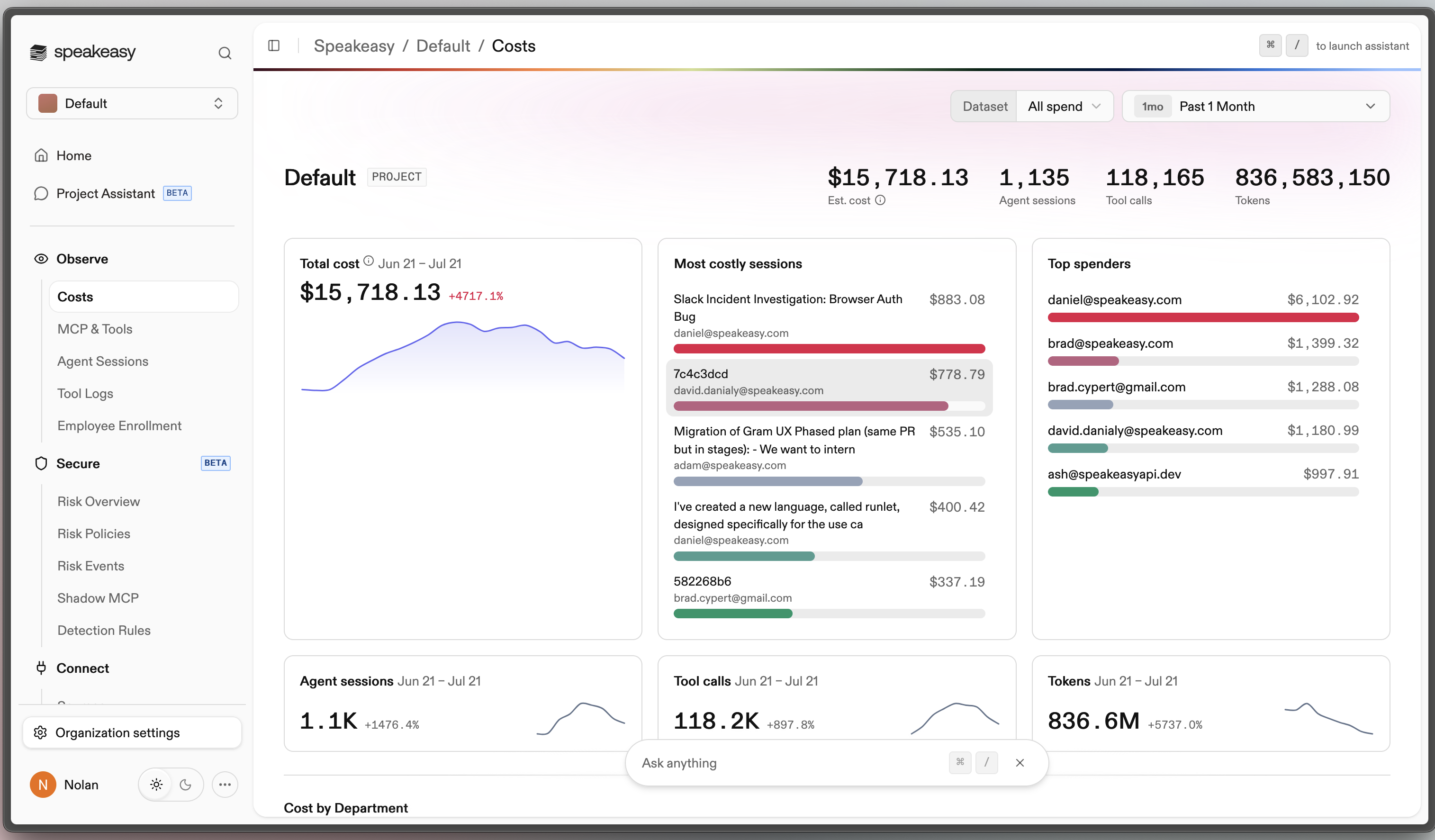
Exclusive: Speakeasy service tracks enterprise-wide AI agent spending
Speakeasy Development Inc. launched an AI cost-management service to track enterprise spending on coding agents like Claude Code, Cursor, and Codex by consolidating token usage data for financial oversight.

AI materials science startup CuspAI raises $450M in funding
UK-based AI materials science startup CuspAI secures $450M Series B funding at a $2.6B valuation, backed by Kleiner Perkins and NEA to support a chemical research consortium with Nvidia and Samsung.

Block launches Buzz, an open-source workspace for humans and AI agents
Block Inc. launched Buzz, a free open-source workspace for human-AI collaborative teams. It unifies chat, code hosting, and workflows while granting AI dedicated accounts.
Site Discovery
Keep exploring the AI ecosystem
After this brief, continue into related tools, models, and rankings to understand whether the story affects your choices.