
OpenAI offers feds a stake, Anthropic gets out of AI model jail and Meta wants to be a neocloud
OpenAI proposes a 5% federal stake, Anthropic exits 'AI model jail,' and Meta aims to become a neocloud provider.
Signal Snapshot
Briefing Notes
What happened and why it matters
Summary
The latest developments in the artificial intelligence sector highlight significant strategic shifts among major tech players. OpenAI has reportedly proposed offering the U.S. government a 5% equity stake in the company. Simultaneously, Anthropic has successfully exited what has been described as "AI model jail," signaling a resolution to previous regulatory or operational constraints. Meanwhile, Meta is positioning itself to become a "neocloud" provider, aiming to redefine its infrastructure role within the broader tech ecosystem.
Why it matters
These moves represent critical inflection points for the future of AI governance, corporate structure, and cloud infrastructure. OpenAI's proposal to grant the federal government a minority stake is unprecedented in the commercial AI space. It suggests a new model for public-private partnership, potentially blurring the lines between private enterprise and state oversight. While this may attract political support, it also raises complex questions about corporate independence and national security implications. For Anthropic, exiting "model jail" indicates a normalization of operations, allowing the company to focus on scaling its safety-focused models without the shadow of previous restrictions. Meta's ambition to become a neocloud provider underscores the intensifying competition in cloud services, driven by the massive computational demands of modern AI workloads. This shift could alter how developers access resources, potentially challenging traditional hyperscalers.
Related tools
Impact on AI tools/models
The potential federal stake in OpenAI could influence the development and deployment of its models, possibly aligning them more closely with national interests or regulatory standards. This might affect the openness or accessibility of certain tools derived from OpenAI's technology. Anthropic's exit from its previous constraints likely means faster iteration and broader availability of its safety-aligned models, benefiting developers who prioritize responsible AI. Meta's move into the neocloud space could provide more competitive pricing and specialized infrastructure for AI training and inference, potentially lowering barriers for smaller AI tool creators. These changes collectively point toward a more regulated and infrastructure-diverse AI landscape.
What to watch
As these stories develop, several key areas require close monitoring. First, the reaction of policyMakers and industry leaders to OpenAI's stake proposal will determine whether this becomes a precedent for other AI firms. Second, the specific terms of Anthropic's exit from "jail" will clarify the nature of previous restrictions and their impact on current model capabilities. Third, Meta's execution of its neocloud strategy will reveal how effectively it can compete with established cloud providers. Readers interested in tracking these developments can explore our comprehensive coverage of AI news for real-time updates. Additionally, analyzing how these shifts affect market dynamics through our rankings provides valuable context on competitive positioning. For those looking to adapt to these changes, reviewing the latest ToolSeekAI tools can help identify platforms that align with emerging regulatory and infrastructural trends.
FAQ
What is the proposed federal stake in OpenAI? OpenAI has reportedly floated the idea of giving the U.S. government a 5% stake in the company.
Has Anthropic resolved its previous issues? Yes, Anthropic has gotten out of "AI model jail," indicating a resolution to prior constraints.
What is Meta's new goal? Meta wants to be a neocloud provider, aiming to expand its role in cloud infrastructure services.
Keep Tracking
Related AI news

On theCUBE Pod: IBM’s AI test, Nvidia’s lead and the race for enterprise intelligence
IBM tests enterprise AI while Nvidia dominates accelerated computing. AMD and Broadcom vie for market share as the race for enterprise intelligence intensifies across hardware and software layers.

Hugging Face uses open-weights Z.ai GLM 5.2 to battle attacker after commercial frontier model refusal
Hugging Face detected a breach involving an attacker using agentic AI. Commercial frontier models blocked defensive requests due to strict safety guardrails. Hugging Face responded by deploying the open-weights Z.ai GLM 5.2 to counter the threat.

Anthropic settles with authors and publishers for $1.5B in landmark copyright case
Anthropic agrees to a $1.5 billion settlement with authors and publishers regarding the unauthorized use of creative works to train its Claude AI model, marking the largest copyright settlement in history.
Exclusive: Speakeasy service tracks enterprise-wide AI agent spending
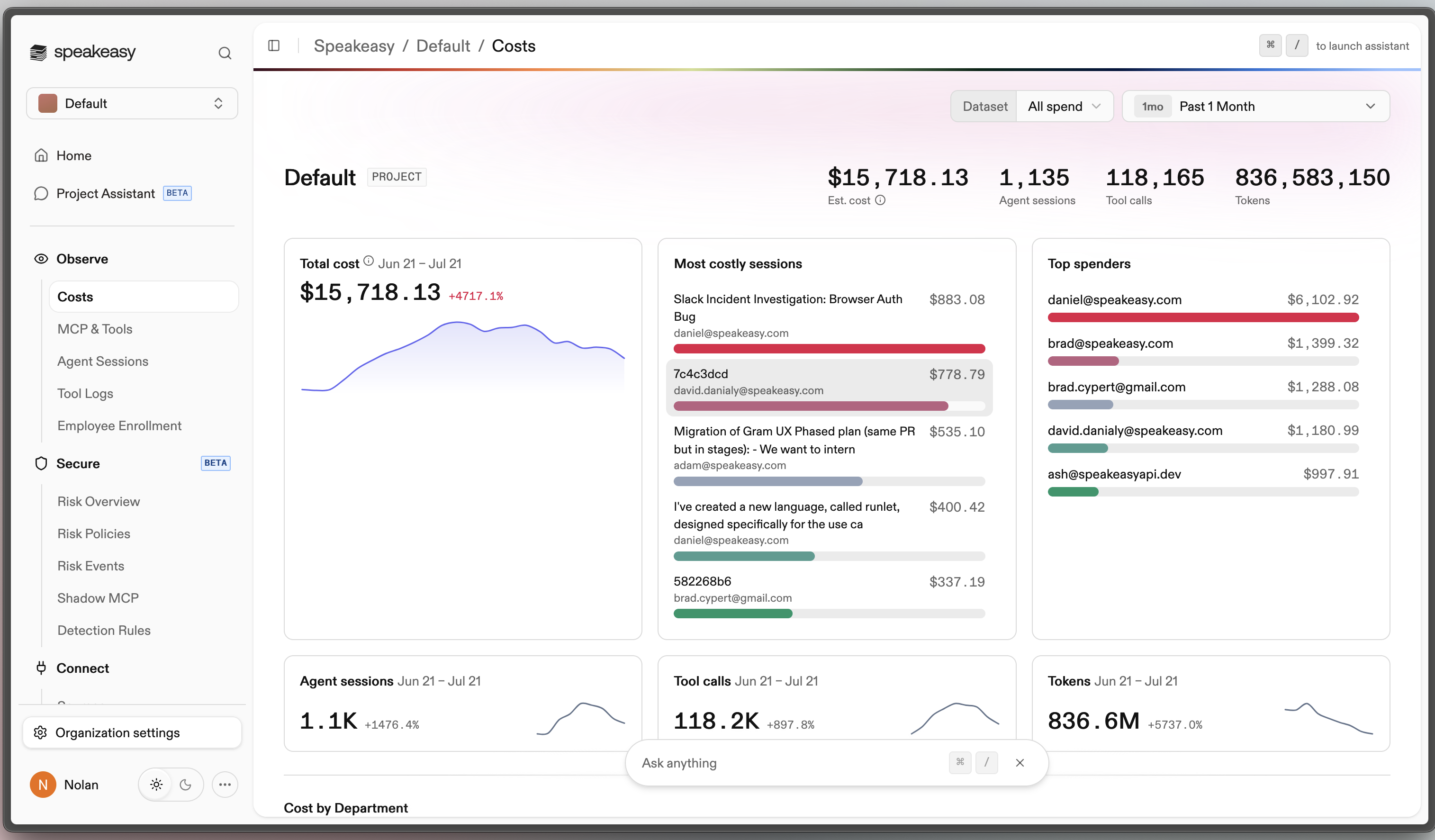
Speakeasy Development Inc. launched an AI cost-management service to track enterprise spending on coding agents like Claude Code, Cursor, and Codex by consolidating token usage data for financial oversight.
AI materials science startup CuspAI raises $450M in funding
UK-based AI materials science startup CuspAI secures $450M Series B funding at a $2.6B valuation, backed by Kleiner Perkins and NEA to support a chemical research consortium with Nvidia and Samsung.
Block launches Buzz, an open-source workspace for humans and AI agents
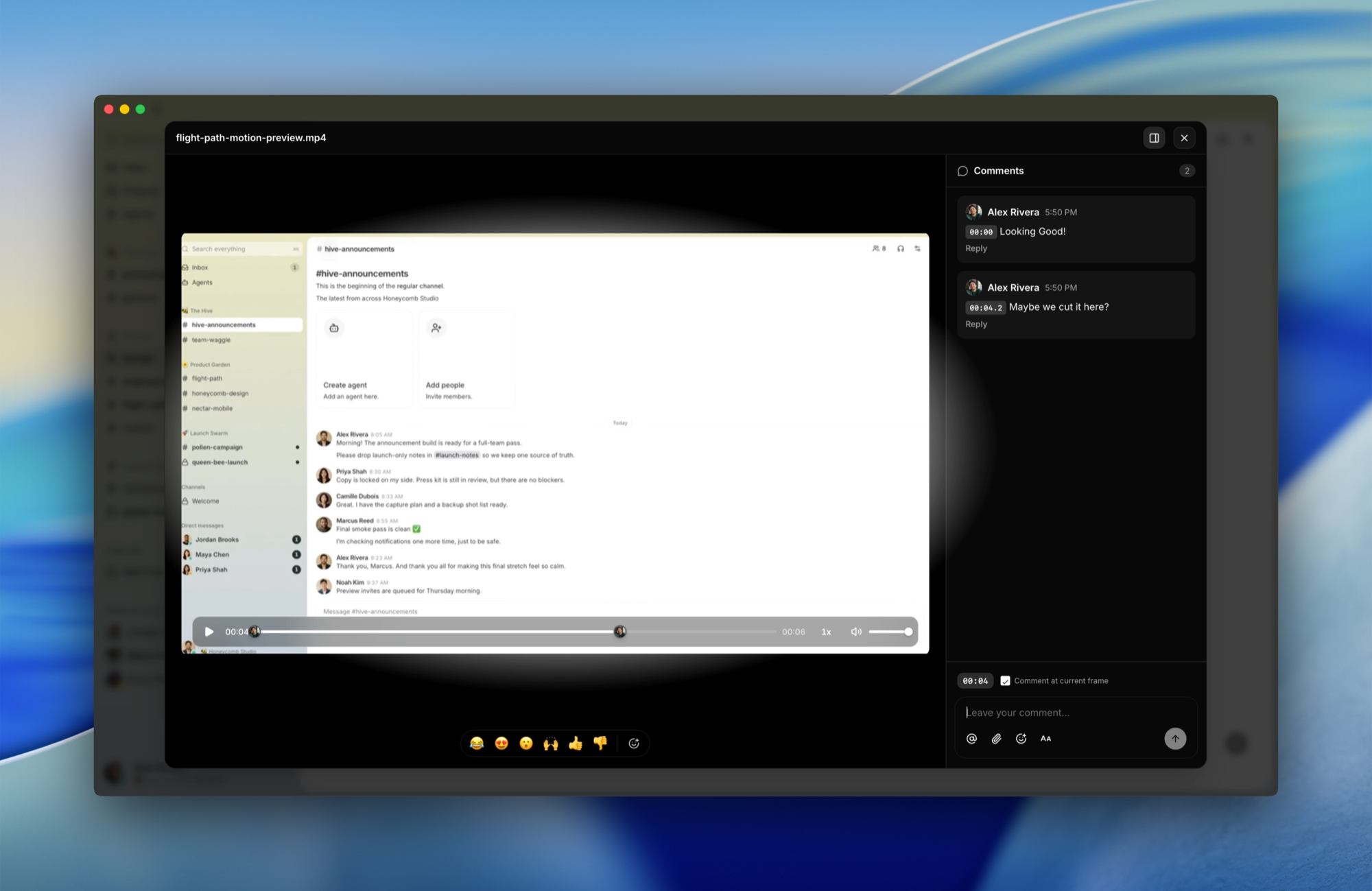
Block Inc. launched Buzz, a free open-source workspace for human-AI collaborative teams. It unifies chat, code hosting, and workflows while granting AI dedicated accounts.
Site Discovery
Keep exploring the AI ecosystem
After this brief, continue into related tools, models, and rankings to understand whether the story affects your choices.