
Open-source AI model developer MiniMax raises $2B in funding
Shanghai-based open-source AI developer MiniMax secures $2 billion in funding via equity and convertible bonds, highlighting strong investor confidence in its generative AI capabilities.

Signal Snapshot
Briefing Notes
What happened and why it matters
MiniMax Secures Historic $2 Billion Funding Round
Summary
MiniMax, a prominent Shanghai-based developer known for its contributions to the open-source AI ecosystem, has successfully closed a massive $2 billion funding round. This significant capital injection was achieved primarily through a combination of new equity shares and convertible bonds. The deal underscores a robust level of confidence from investors regarding MiniMax's generative AI capabilities and its strategic position within the rapidly evolving artificial intelligence landscape.
Why it Matters
The scale of this funding event is notable not just for the amount raised, but for what it signals about the current market dynamics for open-source AI models. In an industry where computational costs are skyrocketing and competition for top talent is fierce, securing such substantial resources allows MiniMax to accelerate its research and development efforts significantly. For the broader community, this validates the commercial viability of open-source approaches to large language models and generative AI. It suggests that investors are willing to back companies that contribute to the public domain while maintaining competitive proprietary technologies. This move may also intensify the race among other open-source developers to secure similar levels of financial backing to sustain their operations and innovation pipelines.
Related tools
Impact on AI tools/models
With $2 billion in fresh capital, MiniMax is well-positioned to expand its suite of generative AI tools and models. This financial strength likely translates into faster iteration cycles for new model releases, improved infrastructure for hosting and serving these models, and potentially more aggressive expansion into new markets or verticals. For users and developers relying on MiniMax’s open-source offerings, this could mean access to more powerful, efficient, and feature-rich models in the near future. The influx of funds may also enable MiniMax to invest heavily in safety, alignment, and ethical AI practices, setting a higher standard for the industry. Furthermore, the ability to issue convertible bonds indicates a flexible financial strategy that could attract a diverse range of investors, further stabilizing the company’s long-term outlook.
What to watch
As MiniMax integrates this capital, several key areas will warrant close attention. First, monitor announcements regarding new model releases or significant upgrades to existing architectures, as this will demonstrate how effectively the company leverages its new resources. Second, keep an eye on partnerships and collaborations, particularly with enterprises seeking scalable open-source AI solutions. Third, track developments in the broader open-source AI community, as MiniMax’s success may inspire similar funding rounds for other developers, potentially reshaping the competitive landscape. For those interested in tracking these trends, exploring the latest updates in AI news and reviewing curated lists in rankings can provide valuable context. Additionally, browsing the extensive Browse AI tools directory can help identify emerging competitors and complementary technologies that may benefit from or be impacted by MiniMax’s growth.
FAQ
Q: How much funding did MiniMax raise? A: MiniMax raised $2 billion.
Q: What types of instruments were used for the funding? A: The funding was primarily secured through new equity shares and convertible bonds.
Q: Where is MiniMax based? A: MiniMax is based in Shanghai.
Search FAQ
Frequently asked questions
FAQ
How much funding did MiniMax raise?
What is the source of the funding?
Keep Tracking
Related AI news
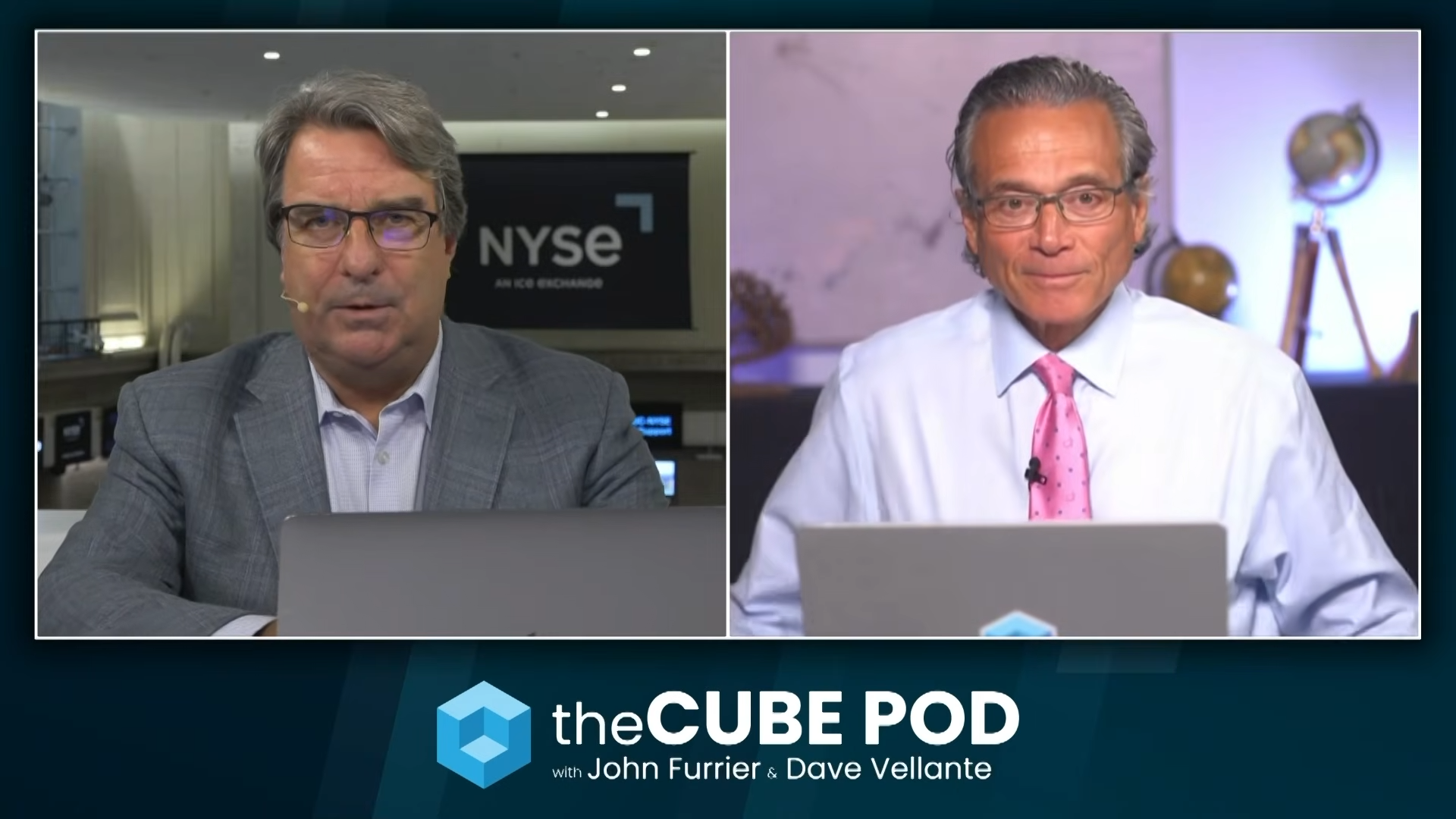
On theCUBE Pod: IBM’s AI test, Nvidia’s lead and the race for enterprise intelligence
IBM tests enterprise AI while Nvidia dominates accelerated computing. AMD and Broadcom vie for market share as the race for enterprise intelligence intensifies across hardware and software layers.

Hugging Face uses open-weights Z.ai GLM 5.2 to battle attacker after commercial frontier model refusal
Hugging Face detected a breach involving an attacker using agentic AI. Commercial frontier models blocked defensive requests due to strict safety guardrails. Hugging Face responded by deploying the open-weights Z.ai GLM 5.2 to counter the threat.

Anthropic settles with authors and publishers for $1.5B in landmark copyright case
Anthropic agrees to a $1.5 billion settlement with authors and publishers regarding the unauthorized use of creative works to train its Claude AI model, marking the largest copyright settlement in history.
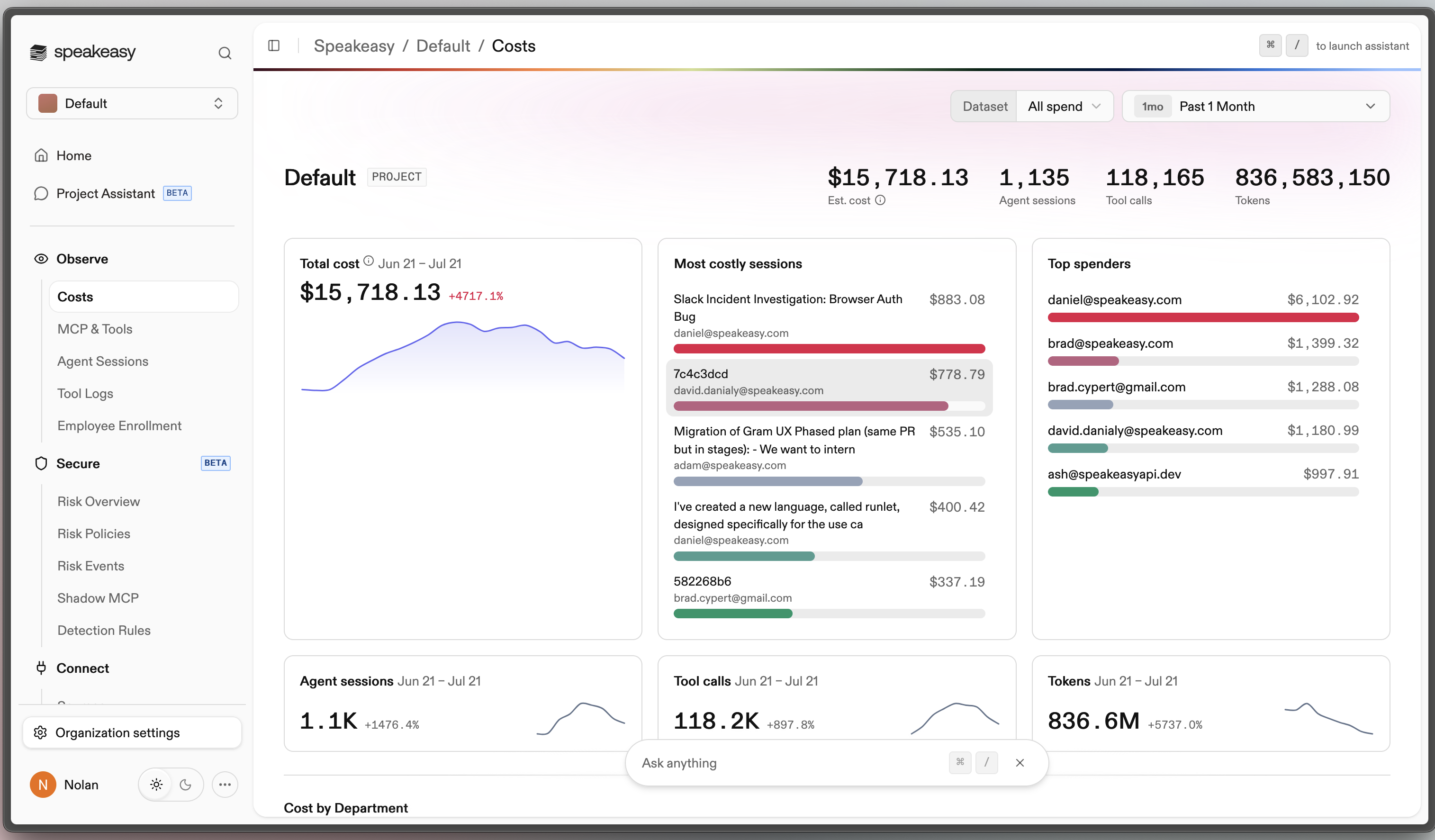
Exclusive: Speakeasy service tracks enterprise-wide AI agent spending
Speakeasy Development Inc. launched an AI cost-management service to track enterprise spending on coding agents like Claude Code, Cursor, and Codex by consolidating token usage data for financial oversight.
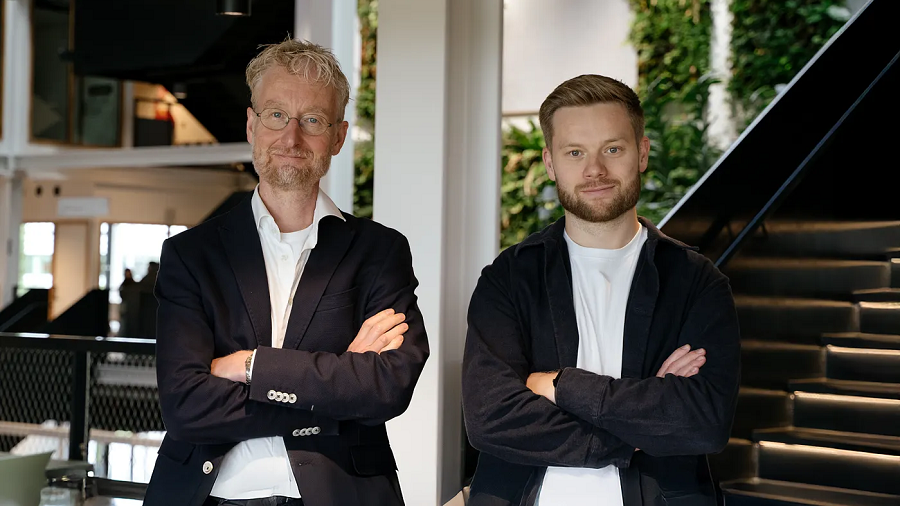
AI materials science startup CuspAI raises $450M in funding
UK-based AI materials science startup CuspAI secures $450M Series B funding at a $2.6B valuation, backed by Kleiner Perkins and NEA to support a chemical research consortium with Nvidia and Samsung.
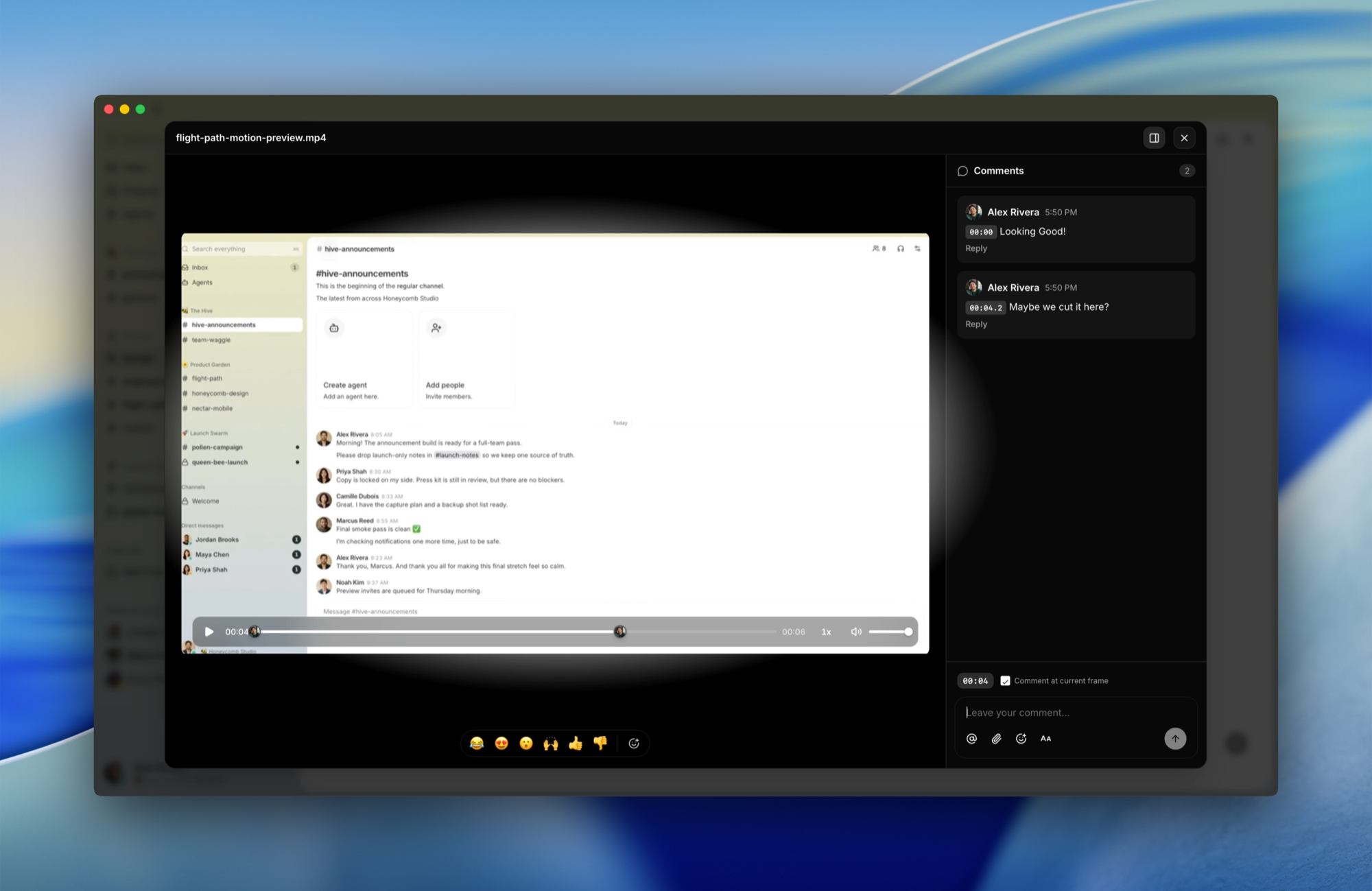
Block launches Buzz, an open-source workspace for humans and AI agents
Block Inc. launched Buzz, a free open-source workspace for human-AI collaborative teams. It unifies chat, code hosting, and workflows while granting AI dedicated accounts.
Site Discovery
Keep exploring the AI ecosystem
After this brief, continue into related tools, models, and rankings to understand whether the story affects your choices.