
Mira Murati’s Thinking Machines drops Inkling, an open-weights model anyone can access
Mira Murati’s Thinking Machines Lab releases Inkling, an open-weights foundation model designed to democratize AI access through free usage and fine-tuning capabilities for developers.
Signal Snapshot
Briefing Notes
What happened and why it matters
Summary
Thinking Machines Lab, the artificial intelligence research organization founded by former OpenAI CTO Mira Murati, has officially released Inkling. This new foundation model is characterized by its open-weights architecture, a strategic move intended to lower barriers to entry for the broader developer community. The primary goal behind this release is to democratize access to advanced AI technologies. By providing free access and robust fine-tuning capabilities, Thinking Machines Lab aims to empower developers to build, customize, and deploy sophisticated AI solutions without the financial constraints often associated with proprietary models.
Why it matters
The release of Inkling marks a significant shift in the landscape of foundational AI models. Historically, access to state-of-the-art large language models has been gated behind expensive API calls or restrictive licensing agreements. By making Inkling open-weights, Thinking Machines Lab is challenging this status quo. This approach allows researchers, startups, and independent developers to inspect, modify, and optimize the model for specific use cases. It fosters innovation by enabling fine-tuning on niche datasets, which is crucial for industries requiring specialized knowledge or strict data privacy controls. Furthermore, it aligns with the growing demand for transparency and control in AI development, ensuring that advancements are not siloed within a single corporate entity.
Related tools
For developers looking to integrate or experiment with models like Inkling, the following resources are essential:
- Browse AI tools to find compatible interfaces and applications.
- Model library to explore similar open-weights architectures and API options.
- Rankings to compare Inkling against other leading foundation models based on performance metrics.
Impact on AI tools/models
Inkling’s availability is poised to influence the ecosystem of AI tools significantly. With the ability to fine-tune the model, developers can create highly specialized assistants, coding helpers, and creative engines tailored to specific verticals such as healthcare, legal, or education. This could lead to a surge in niche AI applications that were previously too costly or technically complex to develop. Additionally, the open nature of the model encourages community-driven improvements and security audits, potentially accelerating the maturation of open-source AI standards. It also puts pressure on proprietary model providers to reconsider their access strategies, possibly leading to more competitive pricing or increased openness across the industry.
What to watch
As Inkling enters the market, several key areas warrant attention. First, monitor how quickly the community adopts the model for fine-tuning and what novel applications emerge. Second, track the performance benchmarks of Inkling compared to existing open-source and proprietary models to assess its competitive standing. Third, observe any regulatory or ethical discussions surrounding the deployment of open-weights models, particularly regarding misuse potential. For ongoing updates and related developments, refer to our coverage of AI news and explore the latest entries in our rankings. Developers should also check the Browse AI tools section for practical implementations and integrations.
FAQ
What is Inkling? Inkling is an open-weights foundation model released by Thinking Machines Lab, designed for free access and fine-tuning.
Who founded Thinking Machines Lab? The lab was founded by Mira Murati, the former Chief Technology Officer of OpenAI.
Why is Inkling considered open-weights? It is open-weights because the model parameters are publicly available, allowing developers to download, inspect, and modify the model for custom applications.
Search FAQ
Frequently asked questions
FAQ
Who created the Inkling model?
Is Inkling available for commercial use or fine-tuning?
What is the primary goal behind releasing Inkling?
Keep Tracking
Related AI news
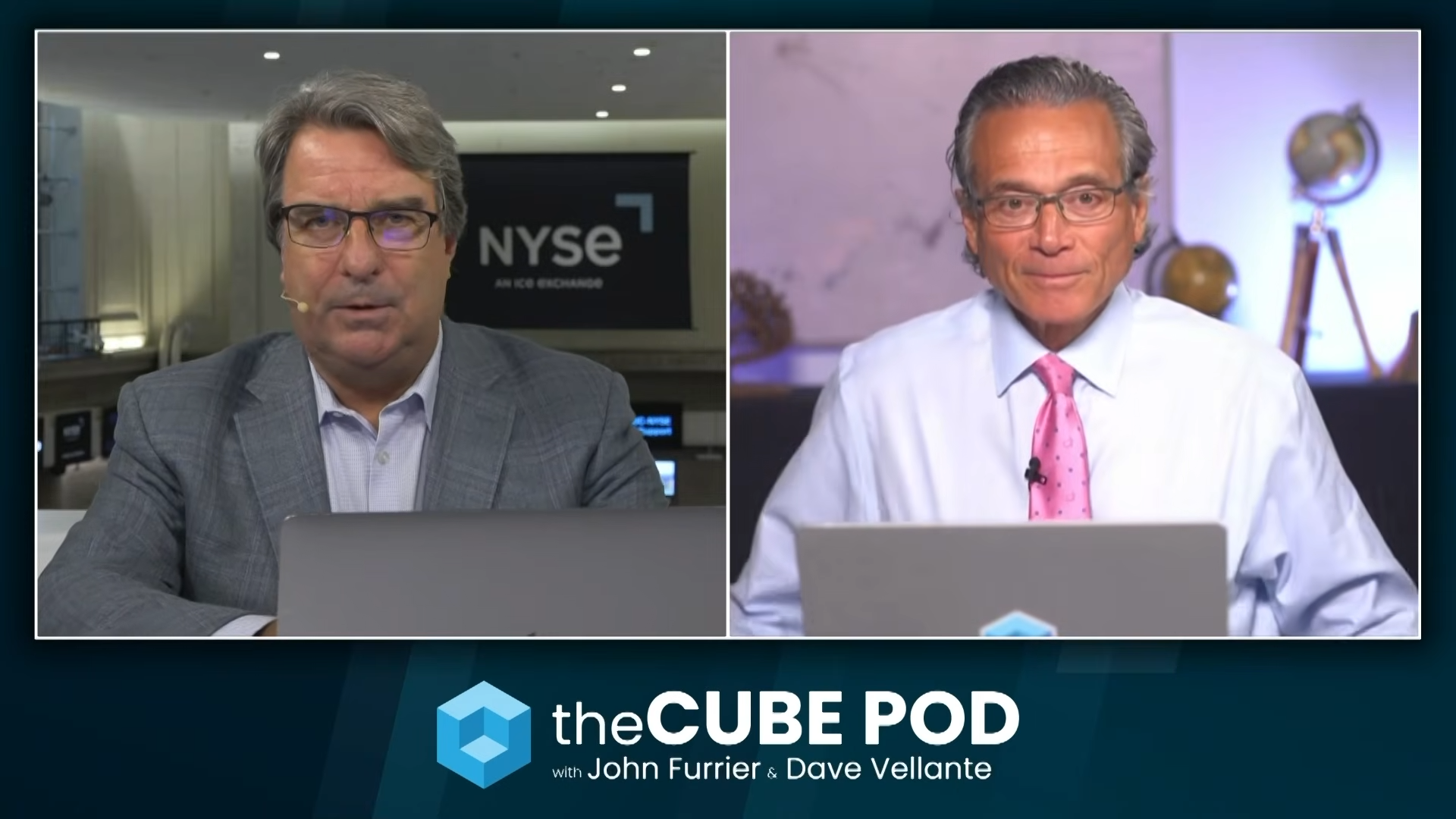
On theCUBE Pod: IBM’s AI test, Nvidia’s lead and the race for enterprise intelligence
IBM tests enterprise AI while Nvidia dominates accelerated computing. AMD and Broadcom vie for market share as the race for enterprise intelligence intensifies across hardware and software layers.

Hugging Face uses open-weights Z.ai GLM 5.2 to battle attacker after commercial frontier model refusal
Hugging Face detected a breach involving an attacker using agentic AI. Commercial frontier models blocked defensive requests due to strict safety guardrails. Hugging Face responded by deploying the open-weights Z.ai GLM 5.2 to counter the threat.

Anthropic settles with authors and publishers for $1.5B in landmark copyright case
Anthropic agrees to a $1.5 billion settlement with authors and publishers regarding the unauthorized use of creative works to train its Claude AI model, marking the largest copyright settlement in history.
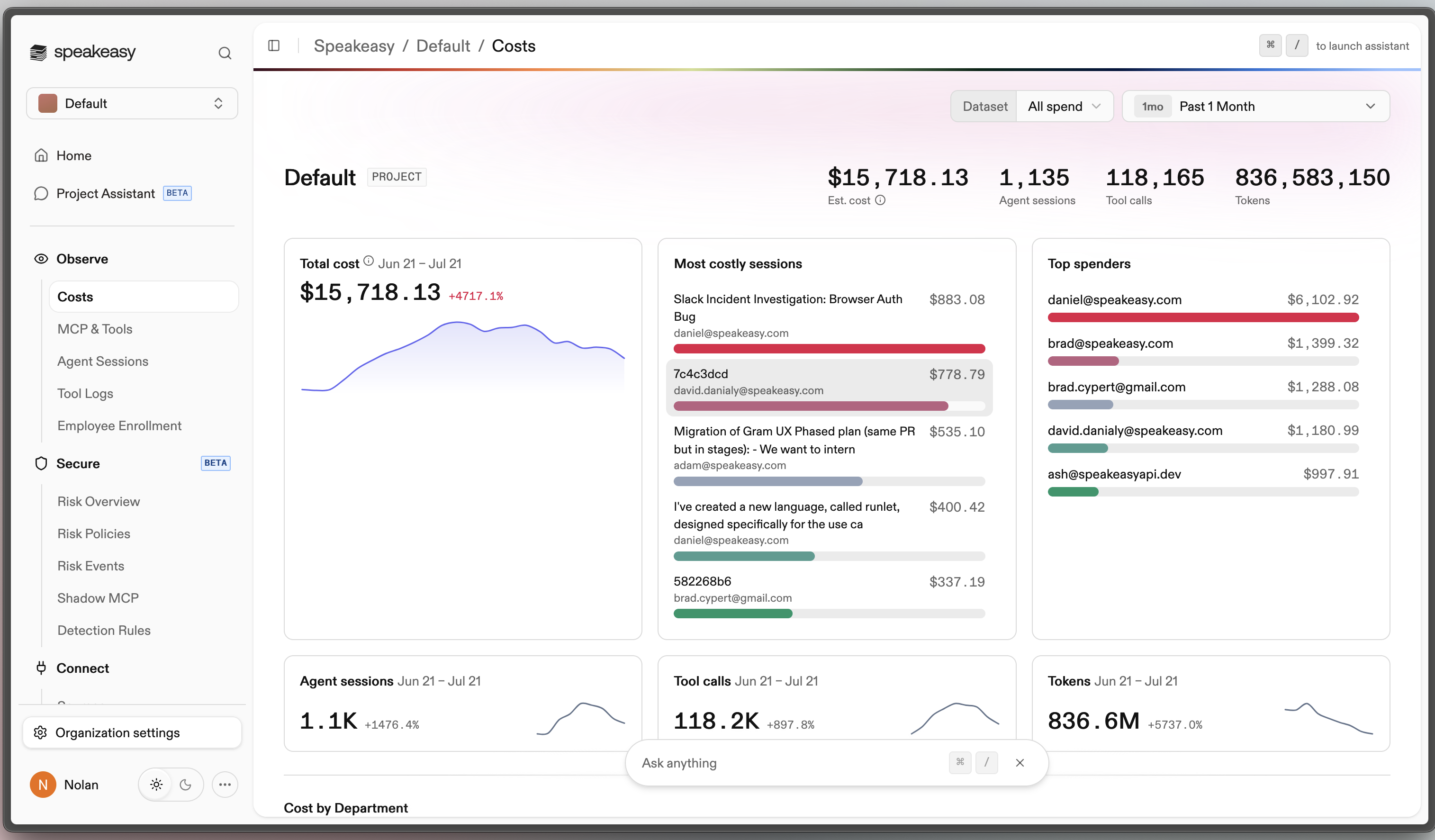
Exclusive: Speakeasy service tracks enterprise-wide AI agent spending
Speakeasy Development Inc. launched an AI cost-management service to track enterprise spending on coding agents like Claude Code, Cursor, and Codex by consolidating token usage data for financial oversight.
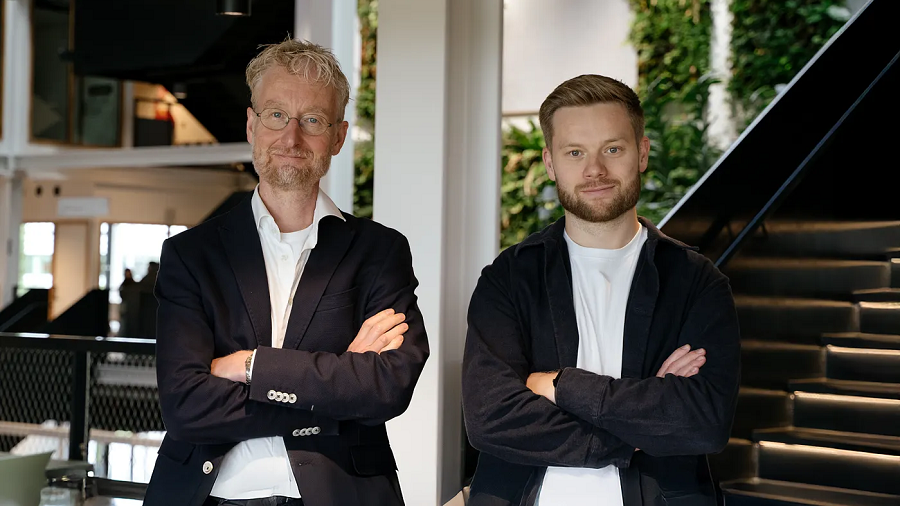
AI materials science startup CuspAI raises $450M in funding
UK-based AI materials science startup CuspAI secures $450M Series B funding at a $2.6B valuation, backed by Kleiner Perkins and NEA to support a chemical research consortium with Nvidia and Samsung.
Block launches Buzz, an open-source workspace for humans and AI agents
Block Inc. launched Buzz, a free open-source workspace for human-AI collaborative teams. It unifies chat, code hosting, and workflows while granting AI dedicated accounts.
Site Discovery
Keep exploring the AI ecosystem
After this brief, continue into related tools, models, and rankings to understand whether the story affects your choices.