
Mimic Robotics launches highly capable robotic hand that emulates human movements
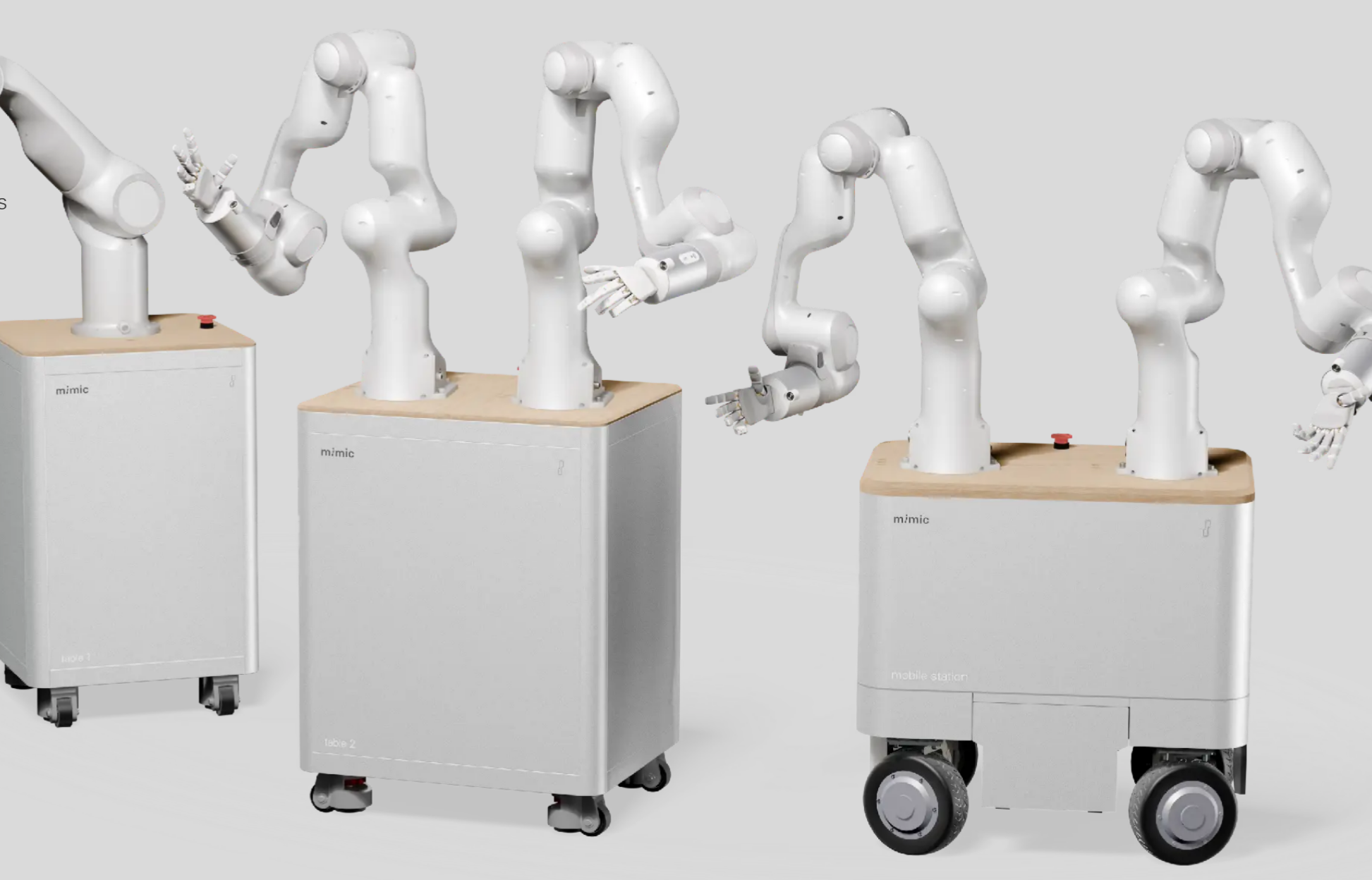
Mimic Robotics launches a new robotic hand mimicking human movement, advancing embodied AI by combining perception sensors with intelligent task planning frameworks.
Signal Snapshot
Briefing Notes
What happened and why it matters
Summary
Switzerland-based Mimic Robotics AG has officially announced the launch of a new specialized robotic hand designed to look and behave remarkably like a human hand. This release marks a significant step forward in the field of embodied robotics, introducing a novel architecture that bridges the gap between physical hardware and intelligent software control. The device is engineered to emulate complex human movements, offering a tangible leap in how robots interact with their physical environments.
Why it matters
The introduction of this robotic hand highlights the growing convergence of artificial intelligence and physical mechanics, a sector known as Physical AI or embodied artificial intelligence. Unlike traditional automation that relies on rigid, pre-programmed movements, embodied AI integrates AI models and sensors capable of perceiving the world dynamically. This allows robotic frameworks to intelligently plan and execute tasks in real-time, adapting to changes in their surroundings much like a human would. By creating a hand that mirrors human dexterity, Mimic Robotics is addressing one of the most challenging aspects of robotics: fine motor control and manipulation of diverse objects. This capability is crucial for applications ranging from healthcare assistance to delicate manufacturing processes, where precision and adaptability are paramount.
Related tools
While specific software tools are not detailed in the announcement, this development relates closely to advancements in robotic simulation platforms and sensor fusion algorithms that enable such high-fidelity movement emulation. Innovations in these areas are critical for training the AI models that drive hands like this one.
Impact on AI tools/models
This launch impacts the broader ecosystem of AI tools and models by demonstrating the practical application of embodied AI principles. It suggests a shift towards more sophisticated training environments where AI models must learn not just from data, but from physical interaction. Developers working on robotic control systems will likely find value in studying the architecture behind Mimic Robotics' design, particularly how it handles the complexity of human-like kinematics. As embodied AI becomes more prevalent, we can expect to see increased demand for tools that support real-time perception and planning, further driving innovation in the robotics software stack.
What to watch
As the robotics industry evolves, several key areas warrant attention. First, monitor how other companies integrate similar embodied AI architectures into their own hardware solutions. Second, keep an eye on the development of standardized benchmarks for evaluating robotic dexterity and adaptability. Finally, track the adoption of these technologies in commercial settings, particularly in sectors requiring high levels of manual precision. For ongoing updates on such developments, readers can explore the latest AI news covering breakthroughs in hardware and software integration. Additionally, those interested in the broader landscape of robotic innovations should review the ToolSeekAI tools directory for related technologies. To understand how Mimic Robotics compares to competitors, checking the current rankings of leading robotics firms may provide valuable context.
FAQ
What is embodied AI? Embodied AI, or Physical AI, combines AI models and sensors that perceive the world with robotic frameworks that intelligently plan and execute tasks.
Who developed the new robotic hand? The new robotic hand was developed by Switzerland-based Mimic Robotics AG.
What is the primary feature of the new hand? The primary feature is its ability to look and behave like a human hand, emulating human movements through a new architectural approach.
Keep Tracking
Related AI news

On theCUBE Pod: IBM’s AI test, Nvidia’s lead and the race for enterprise intelligence
IBM tests enterprise AI while Nvidia dominates accelerated computing. AMD and Broadcom vie for market share as the race for enterprise intelligence intensifies across hardware and software layers.
Hugging Face uses open-weights Z.ai GLM 5.2 to battle attacker after commercial frontier model refusal
Hugging Face detected a breach involving an attacker using agentic AI. Commercial frontier models blocked defensive requests due to strict safety guardrails. Hugging Face responded by deploying the open-weights Z.ai GLM 5.2 to counter the threat.

Anthropic settles with authors and publishers for $1.5B in landmark copyright case
Anthropic agrees to a $1.5 billion settlement with authors and publishers regarding the unauthorized use of creative works to train its Claude AI model, marking the largest copyright settlement in history.
Exclusive: Speakeasy service tracks enterprise-wide AI agent spending
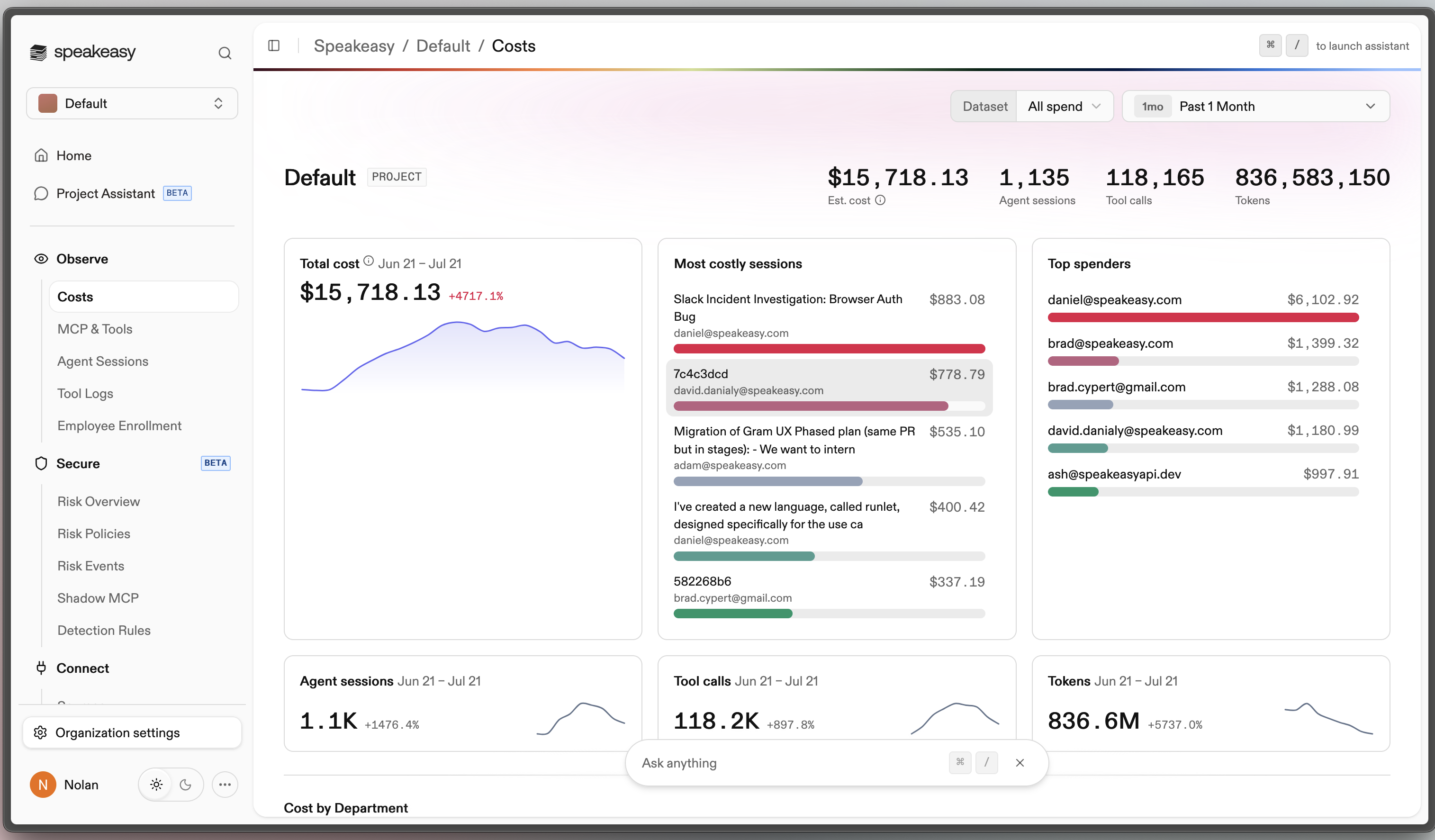
Speakeasy Development Inc. launched an AI cost-management service to track enterprise spending on coding agents like Claude Code, Cursor, and Codex by consolidating token usage data for financial oversight.

AI materials science startup CuspAI raises $450M in funding
UK-based AI materials science startup CuspAI secures $450M Series B funding at a $2.6B valuation, backed by Kleiner Perkins and NEA to support a chemical research consortium with Nvidia and Samsung.
Block launches Buzz, an open-source workspace for humans and AI agents
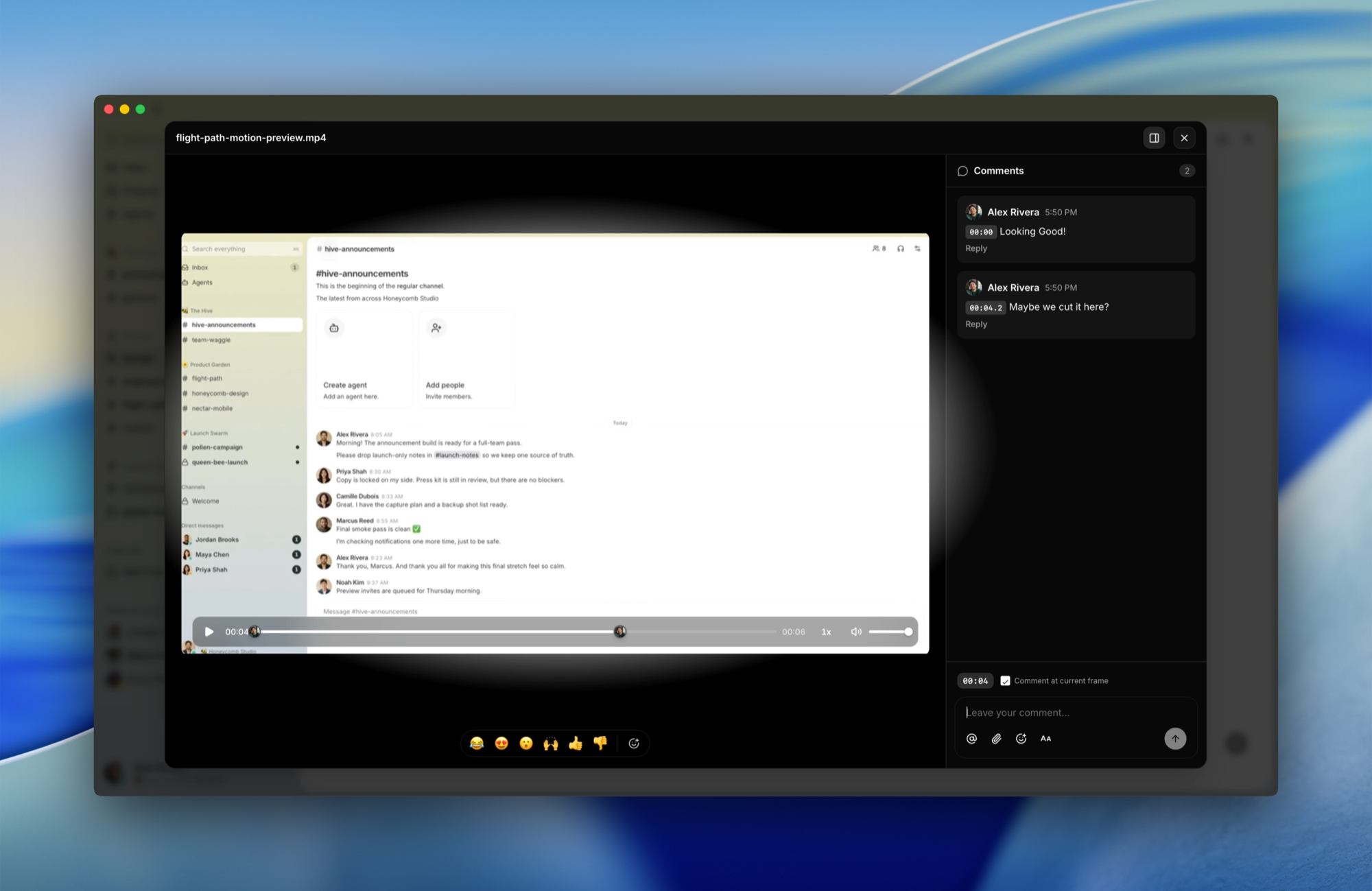
Block Inc. launched Buzz, a free open-source workspace for human-AI collaborative teams. It unifies chat, code hosting, and workflows while granting AI dedicated accounts.
Site Discovery
Keep exploring the AI ecosystem
After this brief, continue into related tools, models, and rankings to understand whether the story affects your choices.