
Microsoft will use AMD’s AI-optimized Helios racks in Azure
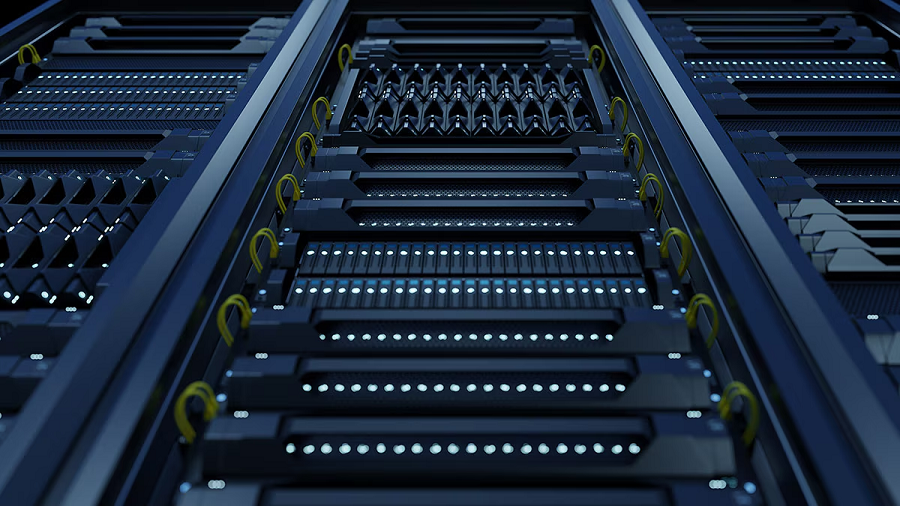
Microsoft partners with AMD to deploy Helios rack designs across Azure, featuring 72 units per system and launching alongside three new instance families.
Signal Snapshot
Briefing Notes
What happened and why it matters
Summary
Microsoft has officially partnered with Advanced Micro Devices to integrate the upcoming Helios rack design into its Azure cloud infrastructure. Introduced alongside three new instance families, Helios serves as a standardized reference blueprint. This architectural framework allows AMD’s manufacturing partners to construct data center racks efficiently. Each deployed system is engineered to house 72 units, establishing a dense and scalable foundation for next-generation cloud operations.
Why it matters
The adoption of a reference design marks a strategic shift toward standardized hardware deployment in large-scale cloud environments. By utilizing a unified blueprint, Microsoft and AMD can streamline manufacturing, reduce integration complexity, and accelerate the rollout of high-performance infrastructure. The simultaneous launch of three new instance families indicates a targeted expansion of Azure’s computational capabilities, specifically tailored to handle demanding modern workloads. This collaboration underscores the growing importance of optimized hardware architectures in maintaining competitive cloud service delivery.
Related tools
While the announcement focuses on foundational infrastructure rather than end-user software, the underlying hardware directly supports advanced cloud computing platforms. Organizations leveraging cloud infrastructure solutions will benefit from the enhanced density and efficiency introduced by these new rack deployments. Additionally, developers exploring AI model training frameworks can expect improved resource allocation and lower latency as Azure scales its optimized compute nodes. For teams evaluating performance benchmarks, reviewing updated cloud service rankings will provide valuable context on how these hardware upgrades influence real-world application throughput.
Impact on AI tools/models
The integration of Helios racks into Azure establishes a more robust physical layer for artificial intelligence development and deployment. With 72 units per system, the architecture enables higher parallel processing capabilities, which is critical for training large language models and running inference-heavy applications. The introduction of three new instance families suggests specialized configurations designed to meet varying computational demands. As AI tools become increasingly resource-intensive, standardized, high-density rack designs will play a pivotal role in reducing operational bottlenecks and improving model iteration speeds.
What to watch
Industry observers should monitor how Microsoft implements the Helios blueprint across different Azure regions and whether the three newly announced instance families will see immediate commercial availability. Tracking updates on AI news will reveal how competitors respond to this infrastructure standardization. Furthermore, analyzing performance metrics through ToolSeekAI tools and consulting the latest industry rankings will help stakeholders assess the tangible benefits of this partnership. As cloud providers continue to optimize hardware for AI workloads, the scalability and efficiency gains from reference designs like Helios will likely set a new benchmark for data center architecture.
Search FAQ
Frequently asked questions
FAQ
What is the Helios design?
How many units does each Helios system contain?
What accompanied the Helios announcement?
Keep Tracking
Related AI news

On theCUBE Pod: IBM’s AI test, Nvidia’s lead and the race for enterprise intelligence
IBM tests enterprise AI while Nvidia dominates accelerated computing. AMD and Broadcom vie for market share as the race for enterprise intelligence intensifies across hardware and software layers.

Hugging Face uses open-weights Z.ai GLM 5.2 to battle attacker after commercial frontier model refusal
Hugging Face detected a breach involving an attacker using agentic AI. Commercial frontier models blocked defensive requests due to strict safety guardrails. Hugging Face responded by deploying the open-weights Z.ai GLM 5.2 to counter the threat.

Anthropic settles with authors and publishers for $1.5B in landmark copyright case
Anthropic agrees to a $1.5 billion settlement with authors and publishers regarding the unauthorized use of creative works to train its Claude AI model, marking the largest copyright settlement in history.
Exclusive: Speakeasy service tracks enterprise-wide AI agent spending
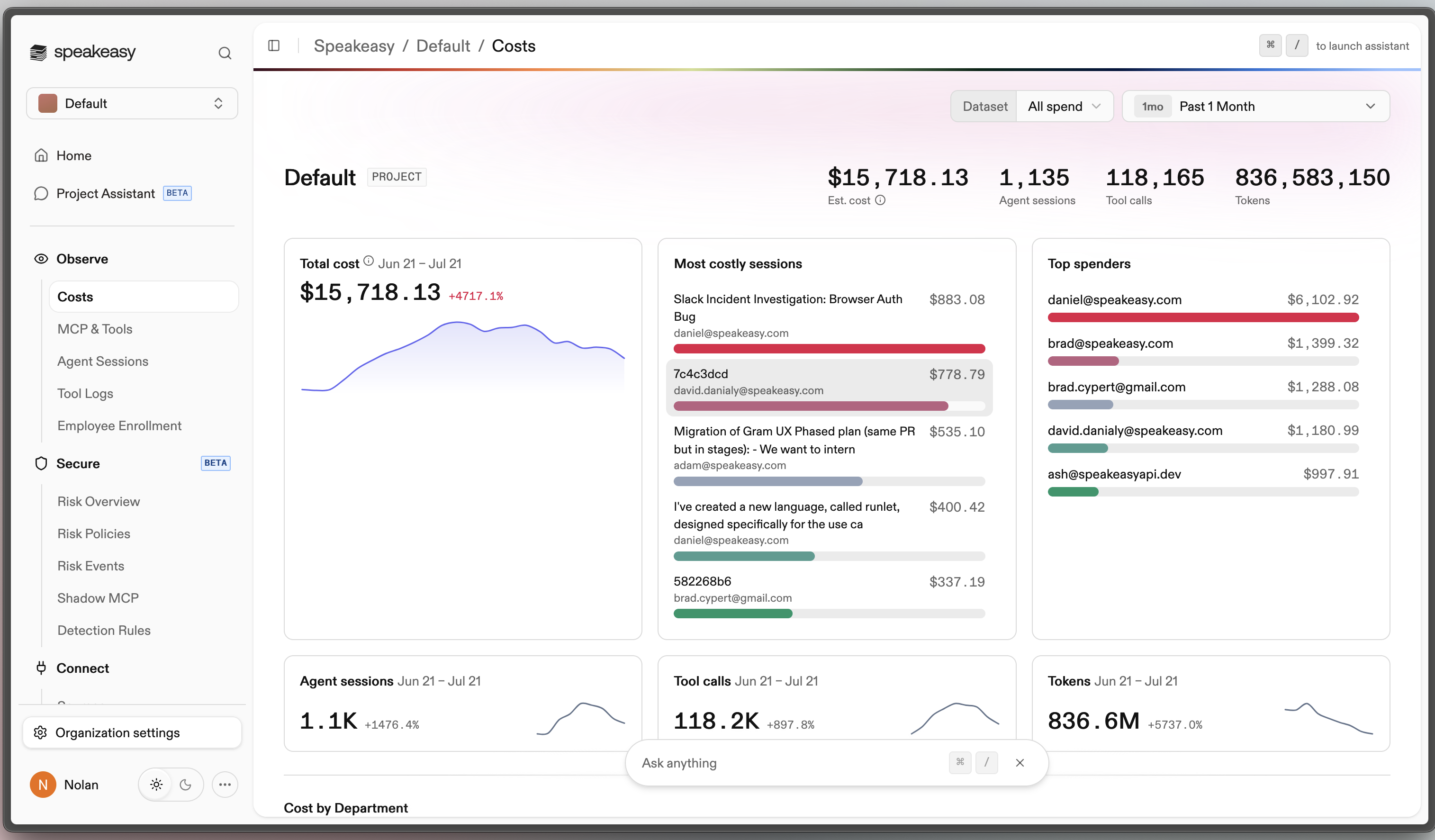
Speakeasy Development Inc. launched an AI cost-management service to track enterprise spending on coding agents like Claude Code, Cursor, and Codex by consolidating token usage data for financial oversight.

AI materials science startup CuspAI raises $450M in funding
UK-based AI materials science startup CuspAI secures $450M Series B funding at a $2.6B valuation, backed by Kleiner Perkins and NEA to support a chemical research consortium with Nvidia and Samsung.
Block launches Buzz, an open-source workspace for humans and AI agents
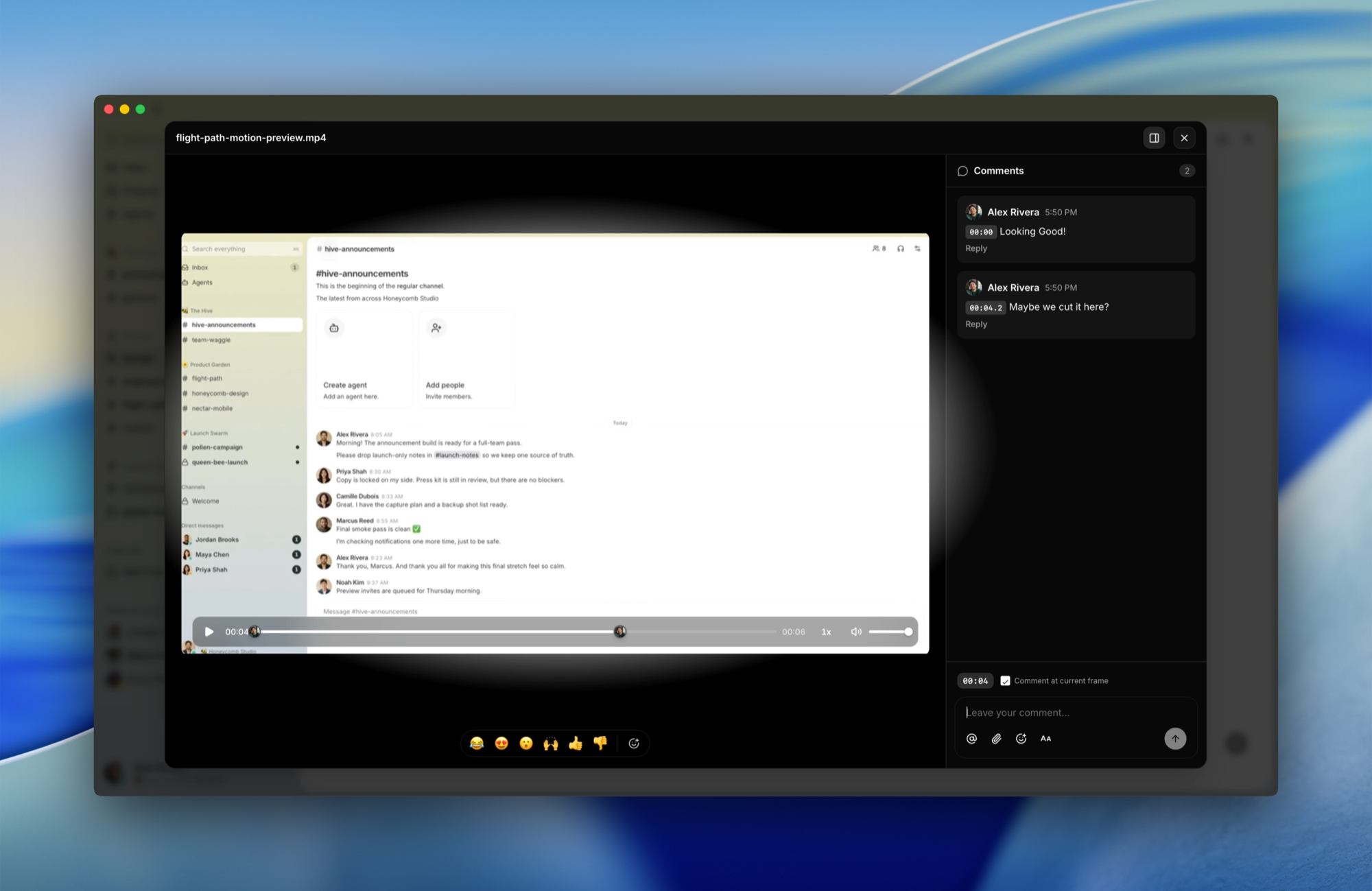
Block Inc. launched Buzz, a free open-source workspace for human-AI collaborative teams. It unifies chat, code hosting, and workflows while granting AI dedicated accounts.
Site Discovery
Keep exploring the AI ecosystem
After this brief, continue into related tools, models, and rankings to understand whether the story affects your choices.