
Microsoft is reportedly ditching OpenAI’s and Anthropic’s AI models in favor of its own to cut costs
Microsoft is reportedly shifting away from OpenAI and Anthropic's advanced models toward its own MAI family to reduce costs, despite public claims of their lower sophistication.
Signal Snapshot
Briefing Notes
What happened and why it matters
Summary
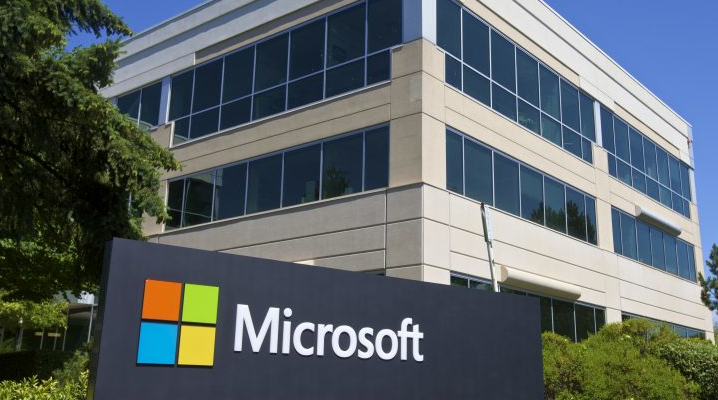
Microsoft Corp. is reportedly executing a strategic pivot in its artificial intelligence infrastructure, moving away from reliance on the most advanced models provided by OpenAI Group PBC and Anthropic PBC. Instead, the tech giant is increasingly leaning on its own proprietary model family, known as Microsoft AI or MAI. This shift is driven primarily by cost-cutting measures. Notably, this internal transition occurs despite Microsoft’s public assertions that the MAI models are not as sophisticated as other leading frontier AI systems available in the market.
Why it matters
This development highlights a critical tension between corporate strategy and public messaging in the AI sector. While Microsoft has historically positioned itself as a primary partner and investor in OpenAI, the move to prioritize internal models suggests a desire to reduce dependency on third-party providers and control operational expenditures more tightly. The fact that this shift is happening even while leadership acknowledges the superior sophistication of competitors' models indicates that economic factors are currently outweighing pure performance metrics in Microsoft's decision-making process. For the broader industry, this signals a potential recalibration of the AI ecosystem, where major cloud providers may begin to favor their own in-house solutions over external partnerships to maintain margin integrity.
Related tools
Impact on AI tools/models
The transition to Microsoft AI (MAI) models could have significant implications for developers and enterprises relying on Microsoft Azure. If MAI models are deemed less sophisticated, users might experience a drop in performance quality for complex tasks compared to OpenAI’s GPT series or Anthropic’s Claude. However, the cost savings could Make these services more accessible for budget-conscious organizations. This move may also accelerate the development of hybrid approaches, where companies use cheaper, internal models for routine tasks and reserve premium third-party models for high-stakes, complex reasoning. It underscores the growing trend of "vertical integration" in AI, where cloud giants attempt to control the entire stack from hardware to foundational models.
What to watch
As Microsoft continues to refine its MAI family, stakeholders should monitor how the performance gap between these models and those from OpenAI or Anthropic evolves. Key areas to observe include enterprise adoption rates, pricing adjustments, and any technical updates that might bridge the sophistication gap. Additionally, watching how competitors like Amazon and Google respond to this cost-driven strategy will be crucial. For more insights on industry shifts, readers can explore our latest AI news or check out the current rankings of top AI models. Further details on specific tool implementations can be found in our tools directory.
FAQ
Why is Microsoft switching to its own models? Microsoft is reportedly making this switch to cut costs associated with licensing and using third-party models from OpenAI and Anthropic.
How does Microsoft view the sophistication of its MAI models? Despite the internal shift, Microsoft has publicly asserted that its MAI models are not as sophisticated as other leading frontier AI systems.
Which models is Microsoft moving away from? The report indicates a transition away from the most advanced models provided by OpenAI Group PBC and Anthropic PBC.
Keep Tracking
Related AI news

On theCUBE Pod: IBM’s AI test, Nvidia’s lead and the race for enterprise intelligence
IBM tests enterprise AI while Nvidia dominates accelerated computing. AMD and Broadcom vie for market share as the race for enterprise intelligence intensifies across hardware and software layers.

Hugging Face uses open-weights Z.ai GLM 5.2 to battle attacker after commercial frontier model refusal
Hugging Face detected a breach involving an attacker using agentic AI. Commercial frontier models blocked defensive requests due to strict safety guardrails. Hugging Face responded by deploying the open-weights Z.ai GLM 5.2 to counter the threat.

Anthropic settles with authors and publishers for $1.5B in landmark copyright case
Anthropic agrees to a $1.5 billion settlement with authors and publishers regarding the unauthorized use of creative works to train its Claude AI model, marking the largest copyright settlement in history.
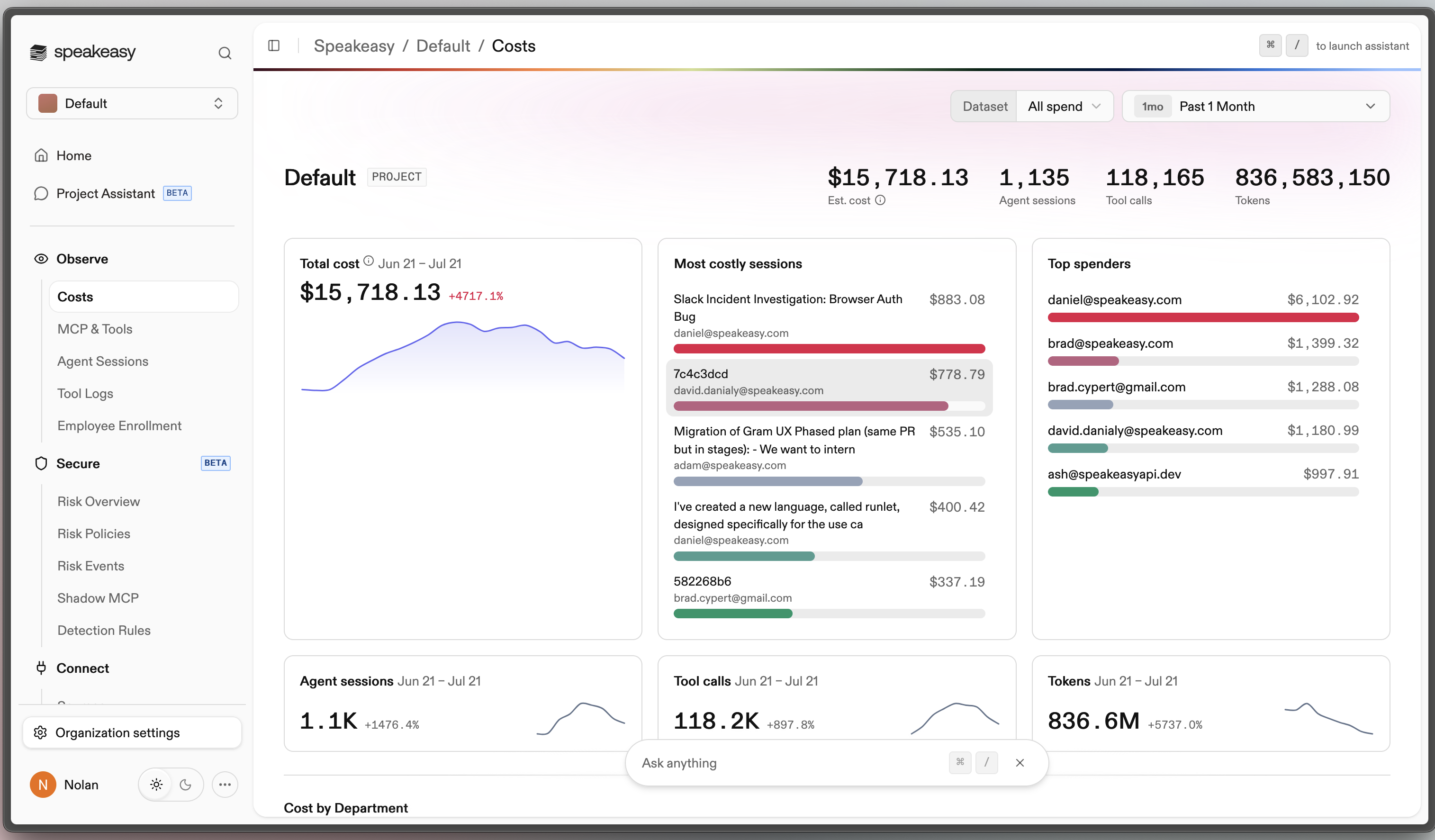
Exclusive: Speakeasy service tracks enterprise-wide AI agent spending
Speakeasy Development Inc. launched an AI cost-management service to track enterprise spending on coding agents like Claude Code, Cursor, and Codex by consolidating token usage data for financial oversight.

AI materials science startup CuspAI raises $450M in funding
UK-based AI materials science startup CuspAI secures $450M Series B funding at a $2.6B valuation, backed by Kleiner Perkins and NEA to support a chemical research consortium with Nvidia and Samsung.
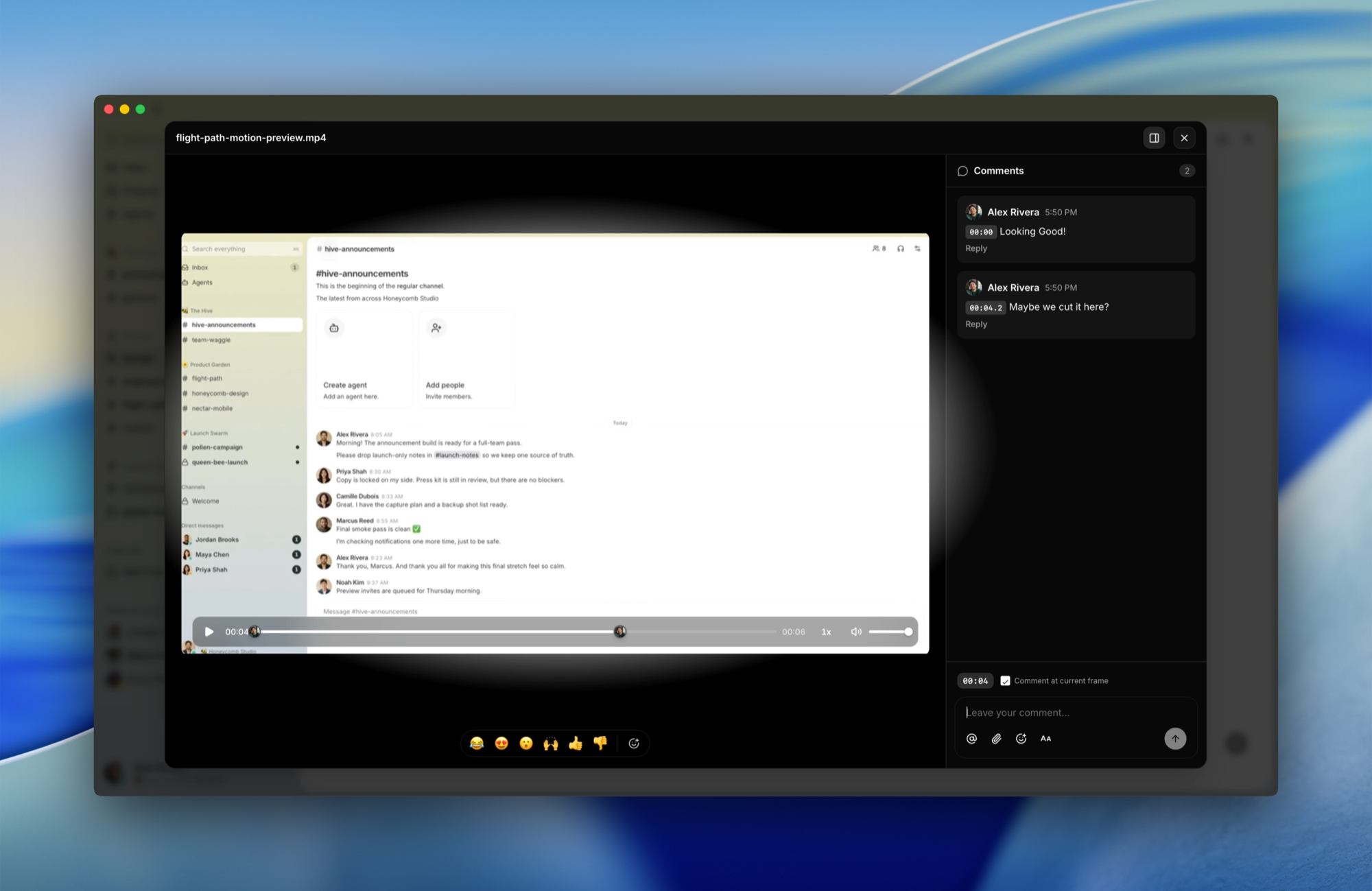
Block launches Buzz, an open-source workspace for humans and AI agents
Block Inc. launched Buzz, a free open-source workspace for human-AI collaborative teams. It unifies chat, code hosting, and workflows while granting AI dedicated accounts.
Site Discovery
Keep exploring the AI ecosystem
After this brief, continue into related tools, models, and rankings to understand whether the story affects your choices.