
Meta shares jump 9% on reported plan to offer AI infrastructure services
Meta plans to rent excess AI infrastructure to third parties, driving a 9% stock surge. This marks a strategic shift to monetize unused compute capacity in the competitive cloud market.

Signal Snapshot
Briefing Notes
What happened and why it matters
Summary
Meta is reportedly executing a significant strategic pivot by planning to rent its excess artificial intelligence infrastructure to third-party clients. This announcement has had an immediate and positive impact on financial markets, causing Meta’s stock price to surge by nearly 9%. The move represents a deliberate effort to capitalize on underutilized resources within the company's vast technological ecosystem.
Why it matters
This development highlights a critical trend in the technology sector: the transition from pure software and social media dominance to becoming essential infrastructure providers. By offering access to its AI compute capacity, Meta is positioning itself not just as a consumer of technology, but as a key supplier in the global cloud market. This shift allows Meta to offset the massive capital expenditures required to build and maintain large-scale data centers. Instead of letting these resources sit idle, the company can generate new revenue streams by serving external businesses that require high-performance computing power for their own AI models and operations. It also intensifies competition among major tech giants who are vying for dominance in the cloud infrastructure space.
Related tools
For developers and enterprises looking to leverage similar infrastructure or explore alternative AI solutions, the following resources may be useful:
- Browse AI tools for products in this space
- Model library for weights and APIs
- Rankings for curated shortlists
Impact on AI tools/models
The availability of Meta’s excess AI infrastructure could lower barriers to entry for smaller AI startups and research labs that cannot afford to build their own massive data centers. By providing access to high-end compute resources, Meta may enable faster iteration and deployment of new AI models. However, this also means that more AI tools and models will likely rely on Meta’s proprietary hardware and software stack, potentially increasing vendor lock-in. For existing AI tool creators, this could mean new opportunities for partnerships or integrations with Meta’s cloud services. Conversely, it may also squeeze margins for competitors who do not have similar scale advantages.
What to watch
As Meta enters this new phase of its business strategy, several factors will determine its long-term success. Industry observers should monitor how quickly Meta can scale its infrastructure offerings and whether it can secure significant contracts with major enterprise clients. Additionally, the reaction of competitors like Amazon Web Services, Microsoft Azure, and Google Cloud will be crucial, as they may respond with aggressive pricing or enhanced service offerings to retain market share. The broader impact on the AI ecosystem, including changes in model development costs and accessibility, will also be a key area of focus.
FAQ
Q: Why did Meta's stock jump? A: The stock surged nearly 9% due to investor optimism regarding Meta's plan to monetize its excess AI infrastructure by renting it to third parties.
Q: What is Meta's new strategy? A: Meta is shifting towards monetizing unused compute capacity by offering AI infrastructure services to external clients, competing in the cloud market.
Q: How does this affect other AI companies? A: It may provide smaller AI firms with access to affordable high-performance computing, but it also increases reliance on Meta's ecosystem.
Search FAQ
Frequently asked questions
FAQ
Why did Meta's stock price increase?
Who are Meta's competitors in this space?
What specific resources is Meta offering?
Keep Tracking
Related AI news

On theCUBE Pod: IBM’s AI test, Nvidia’s lead and the race for enterprise intelligence
IBM tests enterprise AI while Nvidia dominates accelerated computing. AMD and Broadcom vie for market share as the race for enterprise intelligence intensifies across hardware and software layers.

Hugging Face uses open-weights Z.ai GLM 5.2 to battle attacker after commercial frontier model refusal
Hugging Face detected a breach involving an attacker using agentic AI. Commercial frontier models blocked defensive requests due to strict safety guardrails. Hugging Face responded by deploying the open-weights Z.ai GLM 5.2 to counter the threat.

Anthropic settles with authors and publishers for $1.5B in landmark copyright case
Anthropic agrees to a $1.5 billion settlement with authors and publishers regarding the unauthorized use of creative works to train its Claude AI model, marking the largest copyright settlement in history.
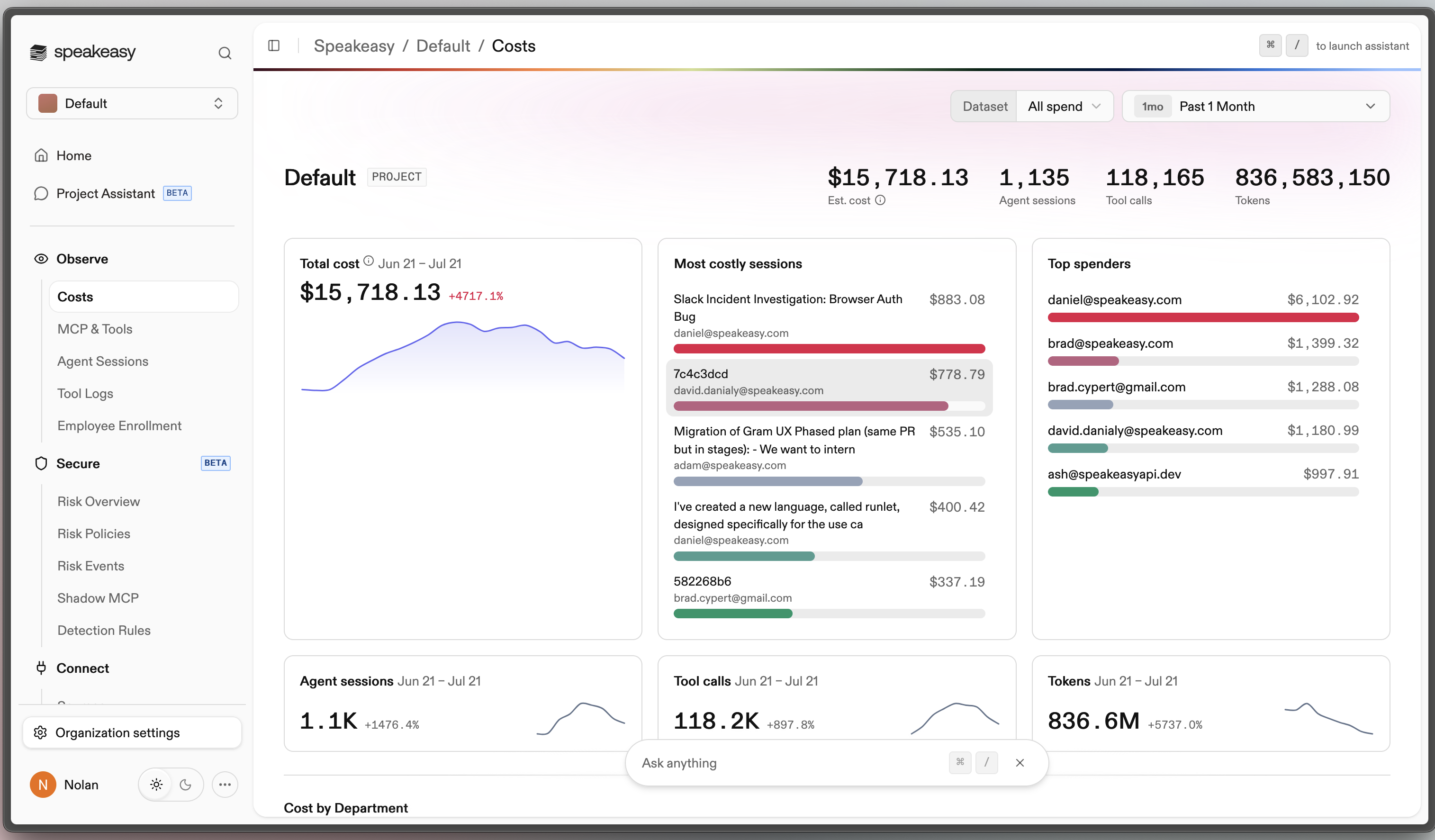
Exclusive: Speakeasy service tracks enterprise-wide AI agent spending
Speakeasy Development Inc. launched an AI cost-management service to track enterprise spending on coding agents like Claude Code, Cursor, and Codex by consolidating token usage data for financial oversight.

AI materials science startup CuspAI raises $450M in funding
UK-based AI materials science startup CuspAI secures $450M Series B funding at a $2.6B valuation, backed by Kleiner Perkins and NEA to support a chemical research consortium with Nvidia and Samsung.

Block launches Buzz, an open-source workspace for humans and AI agents
Block Inc. launched Buzz, a free open-source workspace for human-AI collaborative teams. It unifies chat, code hosting, and workflows while granting AI dedicated accounts.
Site Discovery
Keep exploring the AI ecosystem
After this brief, continue into related tools, models, and rankings to understand whether the story affects your choices.