
Meta reportedly testing prototype AI specs that record everything the user sees and hears
Meta is reportedly testing internal AI glasses prototypes that record all audio and visual input, contradicting public privacy assurances for consumer devices.

Signal Snapshot
Briefing Notes
What happened and why it matters
Summary
According to reports from SiliconAngle, Meta is currently developing internal prototypes for AI-powered smart glasses. These devices are designed to capture every piece of aUdio and visual input experienced by the wearer. This development stands in stark contrast to the company’s recent public statements regarding privacy safeguards for its consumer-facing augmented reality and virtual reality hardware. The revelation suggests a significant divergence between Meta's internal research capabilities and its marketed privacy commitments.
Why it matters
The potential launch of such devices poses substantial ethical and legal challenges. If Meta’s AI glasses can indiscriminately record conversations and surroundings without explicit, real-time consent from bystanders, it could lead to widespread surveillance concerns. This contradicts the narrative Meta has built around responsible AI integration in wearable technology. For users, the implication is a loss of anonymity in public spaces. For regulators, this may trigger stricter scrutiny on how tech giants handle biometric and ambient data collection. The gap between internal testing and public assurance highlights the complex relationship between innovation speed and privacy protection in the AI hardware sector.
Related tools
- Browse AI tools for products in this space
- Model library for weights and APIs
- Rankings for curated shortlists
Impact on AI tools/models
This development signals a shift towards always-on edge AI processing. To handle continuous audio and video streams locally, models must be highly optimized for low power consumption and high efficiency. This could accelerate advancements in lightweight neural networks specifically designed for wearable form factors. Furthermore, it raises questions about data ownership and model training. If these prototypes feed data back into Meta’s larger ecosystem, it could enhance multimodal foundation models but at the cost of user trust. Developers building companion apps for such devices will need to prioritize privacy-by-design architectures to mitigate backlash.
What to watch
As Meta moves closer to potentially commercializing these prototypes, several key areas require monitoring. First, the regulatory response to "always-recording" wearables will likely shape future legislation on digital privacy. Second, competitor reactions from companies like Apple and Google may influence industry standards for consent mechanisms. Third, user adoption rates will depend heavily on whether Meta can restore trust through transparent data handling practices. Readers interested in tracking these developments should explore our AI news section for ongoing updates. Additionally, comparing Meta’s approach with other emerging wearable technologies can be done via our rankings. For developers looking to integrate similar capabilities, reviewing the latest entries in our tools directory may provide insights into competing solutions and best practices.
FAQ
What is Meta reportedly developing? Meta is reportedly developing internal AI glasses prototypes capable of recording all audio and visual input.
Does this contradict previous statements? Yes, it contradicts recent public reassurances Meta made about privacy safeguards for its consumer-facing devices.
Where can I find more AI tool comparisons? You can browse curated lists and compare products in our tools section.
Search FAQ
Frequently asked questions
FAQ
What are Meta's new AI glasses prototypes designed to do?
Does this contradict Meta's previous statements?
Keep Tracking
Related AI news

On theCUBE Pod: IBM’s AI test, Nvidia’s lead and the race for enterprise intelligence
IBM tests enterprise AI while Nvidia dominates accelerated computing. AMD and Broadcom vie for market share as the race for enterprise intelligence intensifies across hardware and software layers.

Hugging Face uses open-weights Z.ai GLM 5.2 to battle attacker after commercial frontier model refusal
Hugging Face detected a breach involving an attacker using agentic AI. Commercial frontier models blocked defensive requests due to strict safety guardrails. Hugging Face responded by deploying the open-weights Z.ai GLM 5.2 to counter the threat.

Anthropic settles with authors and publishers for $1.5B in landmark copyright case
Anthropic agrees to a $1.5 billion settlement with authors and publishers regarding the unauthorized use of creative works to train its Claude AI model, marking the largest copyright settlement in history.
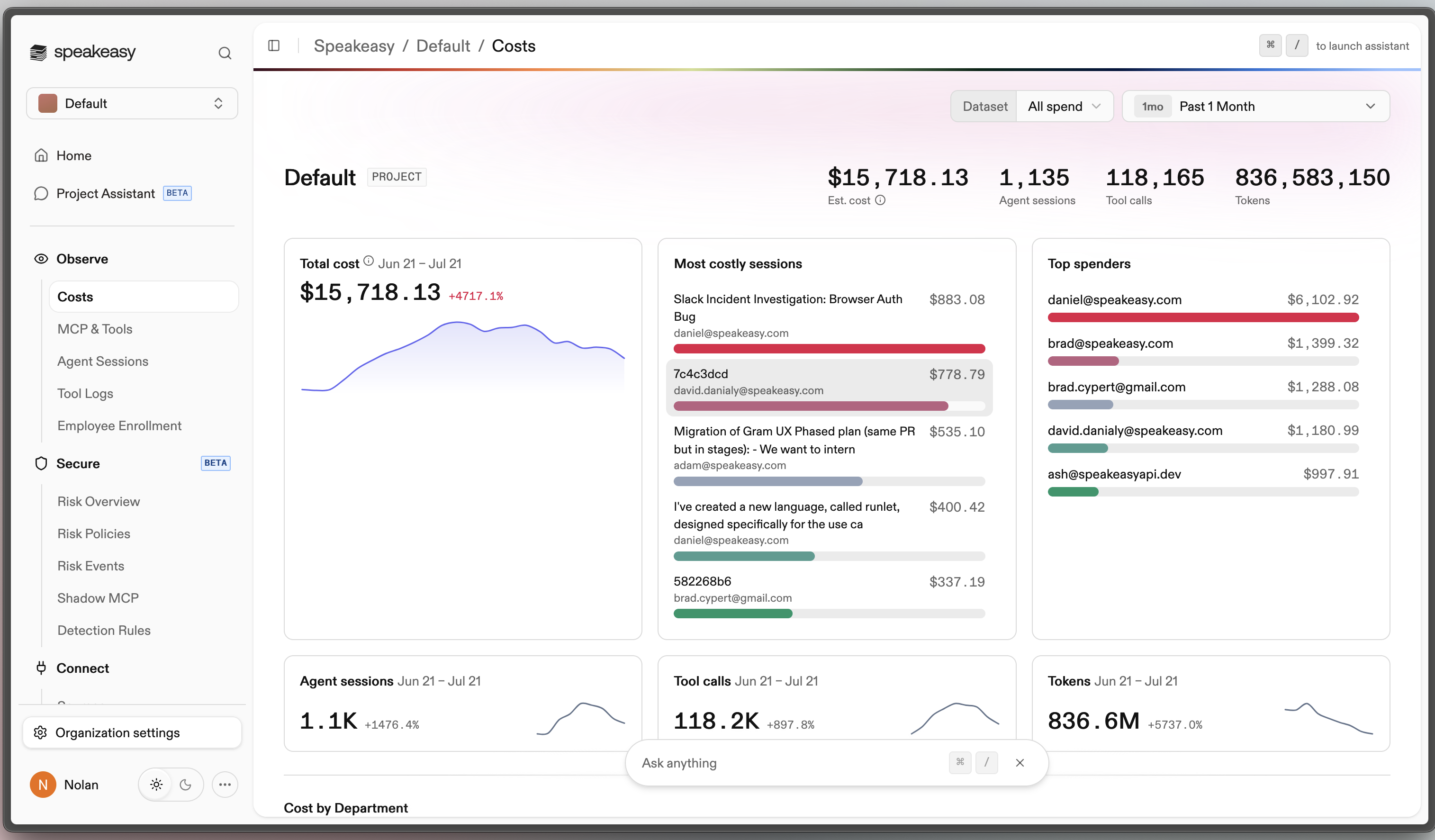
Exclusive: Speakeasy service tracks enterprise-wide AI agent spending
Speakeasy Development Inc. launched an AI cost-management service to track enterprise spending on coding agents like Claude Code, Cursor, and Codex by consolidating token usage data for financial oversight.

AI materials science startup CuspAI raises $450M in funding
UK-based AI materials science startup CuspAI secures $450M Series B funding at a $2.6B valuation, backed by Kleiner Perkins and NEA to support a chemical research consortium with Nvidia and Samsung.

Block launches Buzz, an open-source workspace for humans and AI agents
Block Inc. launched Buzz, a free open-source workspace for human-AI collaborative teams. It unifies chat, code hosting, and workflows while granting AI dedicated accounts.
Site Discovery
Keep exploring the AI ecosystem
After this brief, continue into related tools, models, and rankings to understand whether the story affects your choices.