
Meta launches image generation model with coding, search capabilities
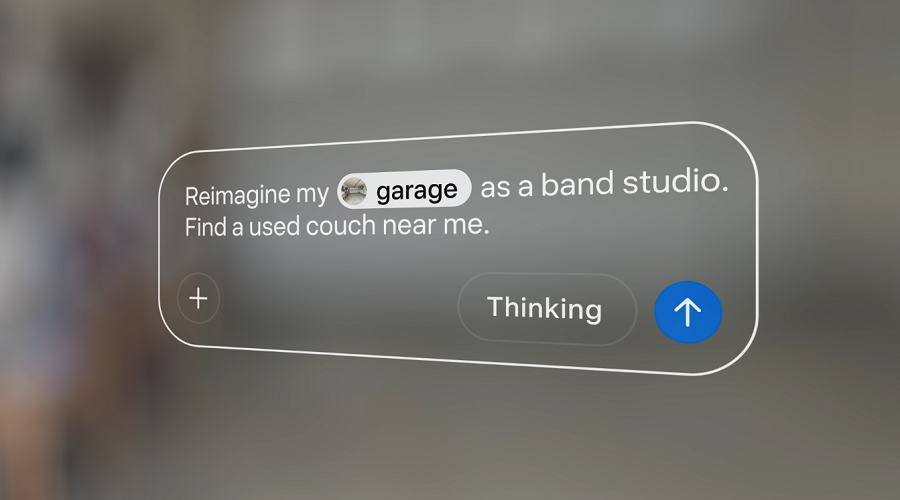
Meta launches Muse Image, a generative AI model combining image creation, code writing, and web search capabilities, following the recent release of the Muse Spark LLM.
Signal Snapshot
Briefing Notes
What happened and why it matters
Meta Unveils Muse Image: A Multi-Modal Leap in Generative AI
Summary
Meta has officially introduced Muse Image, a sophisticated generative AI model designed to bridge the gap between visual creation and functional utility. Unlike traditional image generators that focus solely on pixel synthesis, Muse Image possesses the unique ability to write code and perform live web searches. This launch serves as a strategic follow-up to the April release of the Muse Spark LLM from Meta Superintelligence Labs, signaling a broader push into multi-modal intelligence where text, vision, and actionable data converge.
Why it Matters
The integration of coding and search capabilities directly into an image generation workflow represents a significant shift in how generative models are utilized. Traditionally, users would generate an image, then switch contexts to write code for implementation or search for assets separately. Muse Image collapses these steps. By allowing the model to "think" through code and retrieve real-time information while generating visuals, Meta is positioning its tools for more complex, production-ready workflows. This suggests a move away from static content creation toward dynamic, context-aware AI agents that can assist in software development, design prototyping, and research simultaneously.
Related Tools
For developers and designers looking to integrate similar capabilities, exploring the broader ecosystem is essential. You can browse the latest AI tools to find complementary solutions for multi-modal tasks. Additionally, those interested in the underlying architectures should check the model library for available weights and API integrations that may support similar generative pipelines.
Impact on AI Tools/Models
Muse Image’s arrival puts pressure on competitors to enhance their multi-modal offerings. The inclusion of web search implies that future image models will need to be grounded in real-time data, reducing hallucinations and increasing relevance. For the coding aspect, this could accelerate low-code/no-code development environments, allowing users to generate UI components or scripts alongside their visual mockups. This convergence forces a re-evaluation of toolchains, moving from siloed applications (one for images, one for code, one for search) toward unified platforms.
What to Watch
As Meta expands its Superintelligence Labs portfolio, the interoperability between Muse Spark LLM and Muse Image will be critical. Users should monitor how these models handle complex, multi-step instructions that require both visual and textual reasoning. Furthermore, the industry response to this multi-functional approach will dictate whether specialized models remain dominant or if generalist multi-modal agents become the standard. Keep an eye on the rankings to see how Muse Image compares to existing solutions in terms of speed, accuracy, and utility. Additionally, stay updated on the latest AI news for further developments in Meta’s generative strategy.
FAQ
What is the primary difference between Muse Image and previous models? Muse Image uniquely combines image generation with code writing and web search capabilities, whereas earlier models typically focused on single-modal outputs.
How does this relate to the Muse Spark LLM? Muse Image follows the April release of the Muse Spark LLM, indicating a coordinated effort by Meta Superintelligence Labs to build interconnected multi-modal tools.
Can Muse Image replace separate coding and search tools? While it integrates these functions, it is designed to assist in workflows rather than fully replace dedicated IDEs or search engines, offering a streamlined experience for specific tasks.
Keep Tracking
Related AI news

On theCUBE Pod: IBM’s AI test, Nvidia’s lead and the race for enterprise intelligence
IBM tests enterprise AI while Nvidia dominates accelerated computing. AMD and Broadcom vie for market share as the race for enterprise intelligence intensifies across hardware and software layers.

Hugging Face uses open-weights Z.ai GLM 5.2 to battle attacker after commercial frontier model refusal
Hugging Face detected a breach involving an attacker using agentic AI. Commercial frontier models blocked defensive requests due to strict safety guardrails. Hugging Face responded by deploying the open-weights Z.ai GLM 5.2 to counter the threat.

Anthropic settles with authors and publishers for $1.5B in landmark copyright case
Anthropic agrees to a $1.5 billion settlement with authors and publishers regarding the unauthorized use of creative works to train its Claude AI model, marking the largest copyright settlement in history.
Exclusive: Speakeasy service tracks enterprise-wide AI agent spending
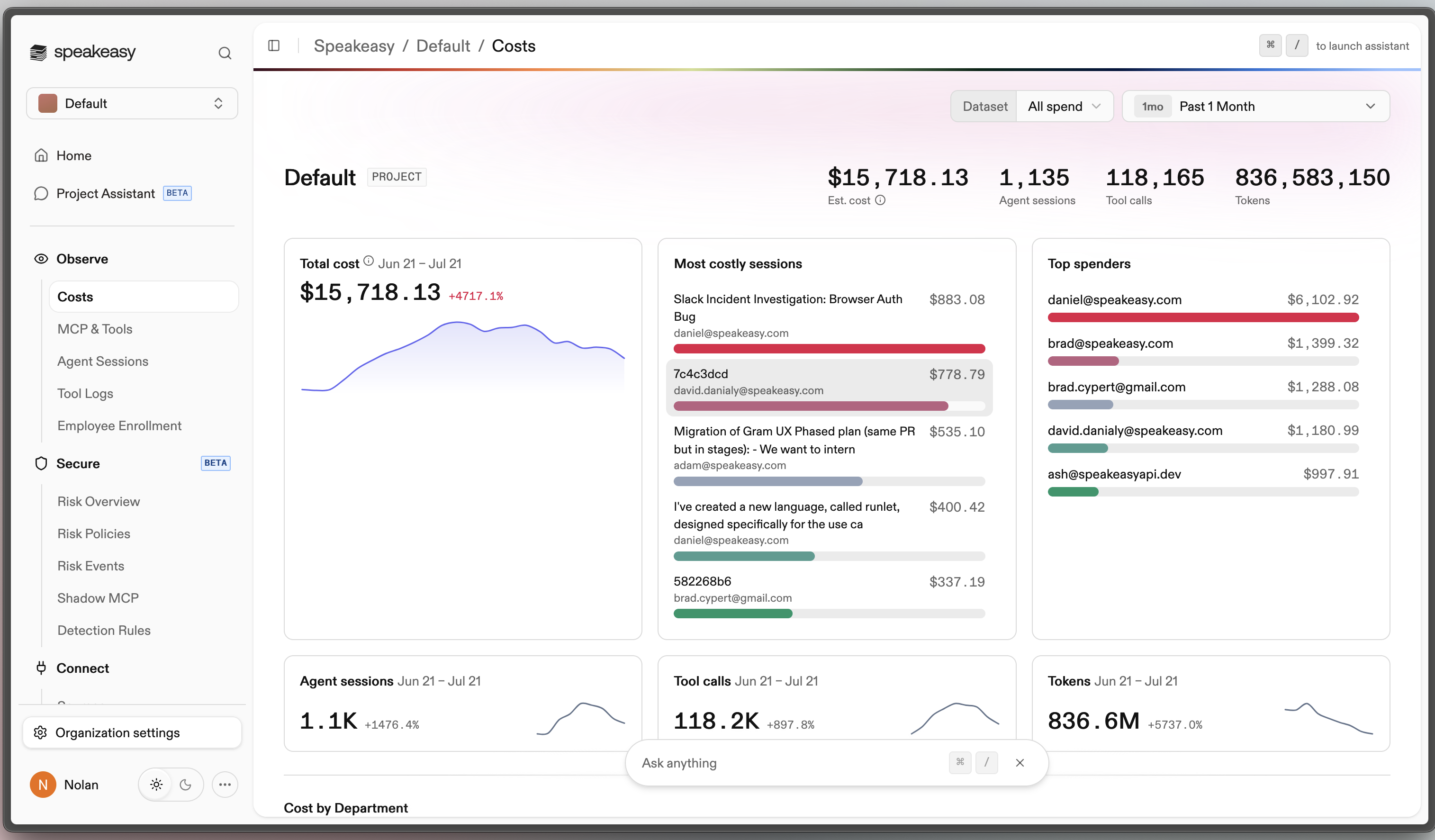
Speakeasy Development Inc. launched an AI cost-management service to track enterprise spending on coding agents like Claude Code, Cursor, and Codex by consolidating token usage data for financial oversight.

AI materials science startup CuspAI raises $450M in funding
UK-based AI materials science startup CuspAI secures $450M Series B funding at a $2.6B valuation, backed by Kleiner Perkins and NEA to support a chemical research consortium with Nvidia and Samsung.
Block launches Buzz, an open-source workspace for humans and AI agents
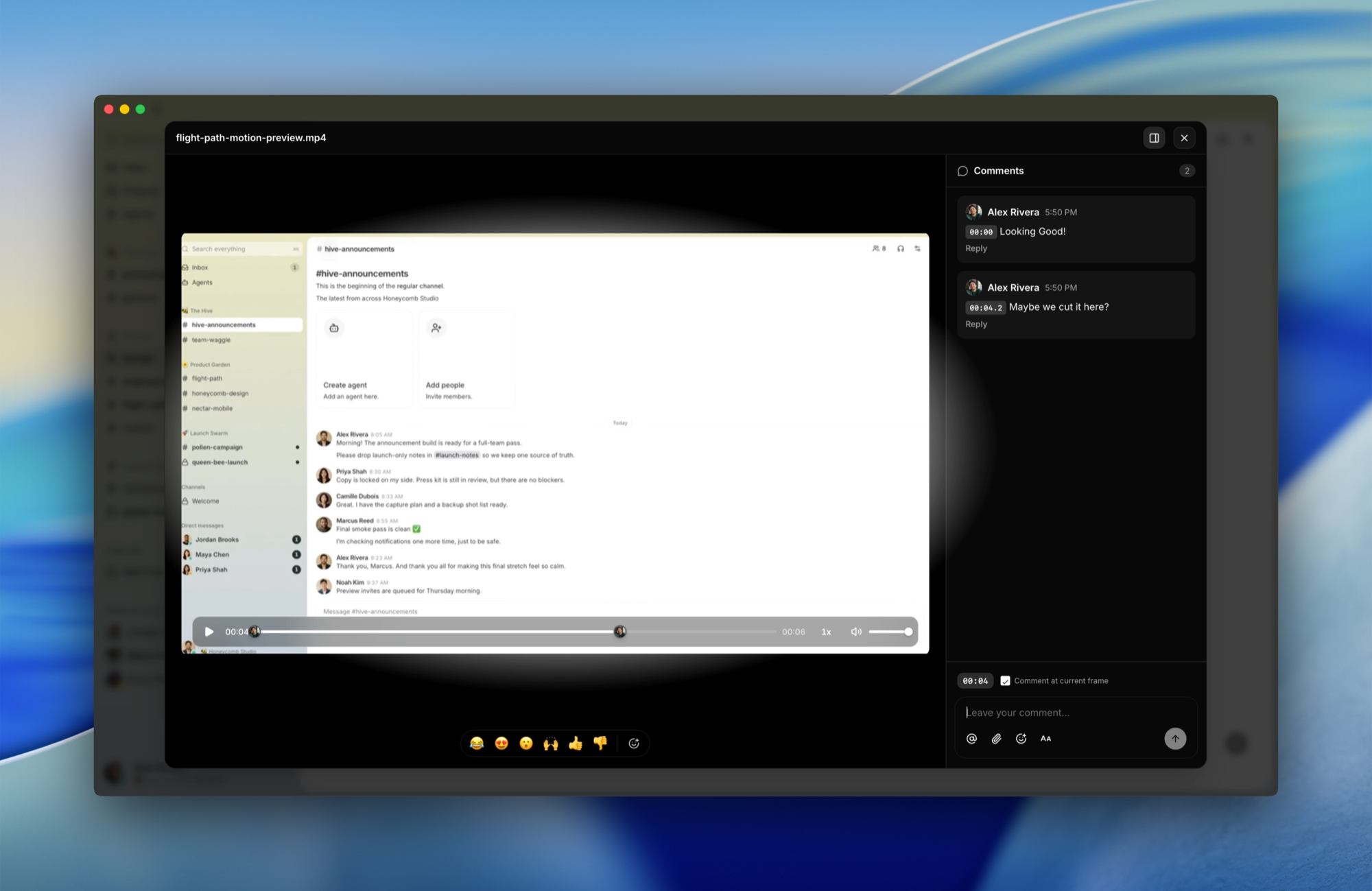
Block Inc. launched Buzz, a free open-source workspace for human-AI collaborative teams. It unifies chat, code hosting, and workflows while granting AI dedicated accounts.
Site Discovery
Keep exploring the AI ecosystem
After this brief, continue into related tools, models, and rankings to understand whether the story affects your choices.