
Meta launches flagship Muse Spark 1.1 model with multi-agent upgrades
Meta launches Muse Spark 1.1, a flagship LLM optimized for multi-agent automation, available via Meta AI and the Meta Model API for developers.
Signal Snapshot
Briefing Notes
What happened and why it matters
Summary
Meta Platforms Inc. has officially introduced Muse Spark 1.1, its latest flagship large language model specifically engineered to support complex multi-agent automation workflows. This release marks a significant step in Meta's strategy to integrate advanced AI capabilities into both consumer-facing services and developer ecosystems. The model is currently accessible through two primary channels: the existing Meta AI chatbot service and the newly emphasized Meta Model API. This dual availability allows everyday users to interact with the enhanced capabilities while providing software developers with the necessary tools to embed the LLM directly into custom applications.
Why it matters
The launch of Muse Spark 1.1 highlights a shifting paradigm in how large language models are utilized. Rather than focusing solely on single-turn conversational tasks, the optimization for "multi-agent automation" suggests that Meta is prioritizing systems where multiple AI agents collaborate to solve problems or execute complex sequences of actions. For developers, the availability of the Meta Model API lowers the barrier to entry for integrating sophisticated AI logic into proprietary software. This move positions Meta to compete more aggressively in the enterprise and developer tooling space, offering a robust backend for building autonomous systems rather than just chat interfaces.
Related tools
While specific third-party integrations are not detailed in the initial announcement, the core tool enabling this ecosystem is the Meta Model API. Developers looking to build upon this foundation can explore broader categories of AI development tools and automation platforms within the ToolSeekAI directory.
Impact on AI tools/models
Muse Spark 1.1’s focus on multi-agent workflows implies a higher level of reasoning and coordination capability compared to previous iterations. This could influence how other AI tools are designed, potentially encouraging a shift toward modular, agent-based architectures across the industry. As developers begin to experiment with the Meta Model API, we may see a surge in applications that leverage collaborative AI agents for tasks such as code generation, data analysis, and automated customer service management. This development reinforces the trend of LLMs moving from passive assistants to active participants in complex digital workflows.
What to watch
As the industry reacts to this launch, several key areas warrant attention. First, monitor how quickly developers adopt the Meta Model API for production environments. Second, observe the performance of multi-agent systems built on top of Muse Spark 1.1 compared to competitors. Finally, track any updates to the Meta AI chatbot service that might reflect these new underlying capabilities.
For those interested in exploring similar advancements in the AI landscape, consider reviewing the latest entries in our AI news section. Developers seeking to compare different model offerings or find complementary utilities should visit the ToolSeekAI tools catalog. Additionally, staying updated with the current rankings of leading AI models will help contextualize where Muse Spark 1.1 stands in terms of performance and adoption metrics.
FAQ
Q: Is Muse Spark 1.1 available for public use? A: Yes, it is available via the Meta AI chatbot service and through the Meta Model API for developers.
Q: What is the primary optimization of Muse Spark 1.1? A: The model is optimized to power multi-agent automation workflows.
Q: How can developers access this model? A: Developers can embed the LLM in their custom software using the Meta Model API.
Keep Tracking
Related AI news

On theCUBE Pod: IBM’s AI test, Nvidia’s lead and the race for enterprise intelligence
IBM tests enterprise AI while Nvidia dominates accelerated computing. AMD and Broadcom vie for market share as the race for enterprise intelligence intensifies across hardware and software layers.

Hugging Face uses open-weights Z.ai GLM 5.2 to battle attacker after commercial frontier model refusal
Hugging Face detected a breach involving an attacker using agentic AI. Commercial frontier models blocked defensive requests due to strict safety guardrails. Hugging Face responded by deploying the open-weights Z.ai GLM 5.2 to counter the threat.

Anthropic settles with authors and publishers for $1.5B in landmark copyright case
Anthropic agrees to a $1.5 billion settlement with authors and publishers regarding the unauthorized use of creative works to train its Claude AI model, marking the largest copyright settlement in history.
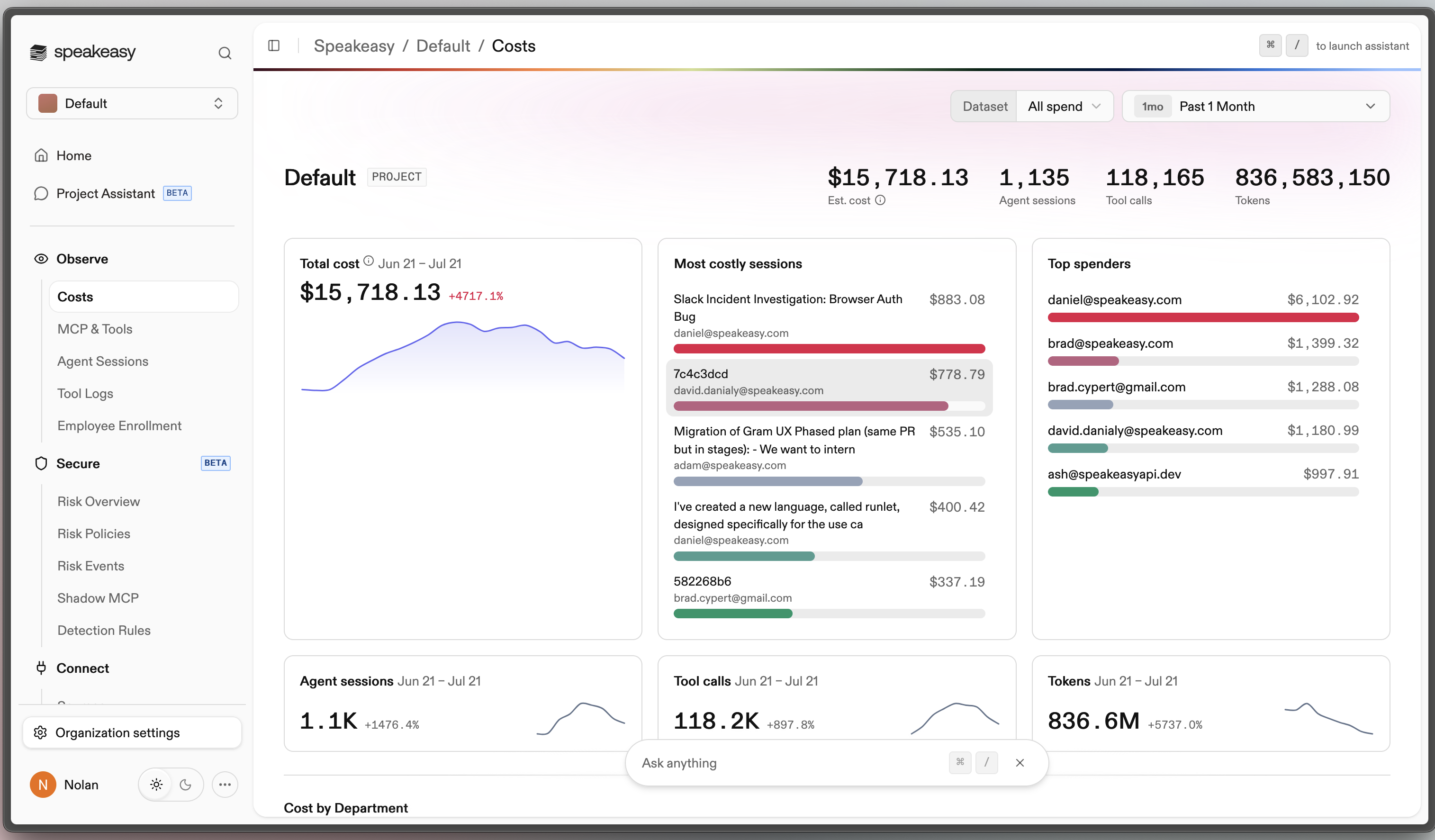
Exclusive: Speakeasy service tracks enterprise-wide AI agent spending
Speakeasy Development Inc. launched an AI cost-management service to track enterprise spending on coding agents like Claude Code, Cursor, and Codex by consolidating token usage data for financial oversight.

AI materials science startup CuspAI raises $450M in funding
UK-based AI materials science startup CuspAI secures $450M Series B funding at a $2.6B valuation, backed by Kleiner Perkins and NEA to support a chemical research consortium with Nvidia and Samsung.
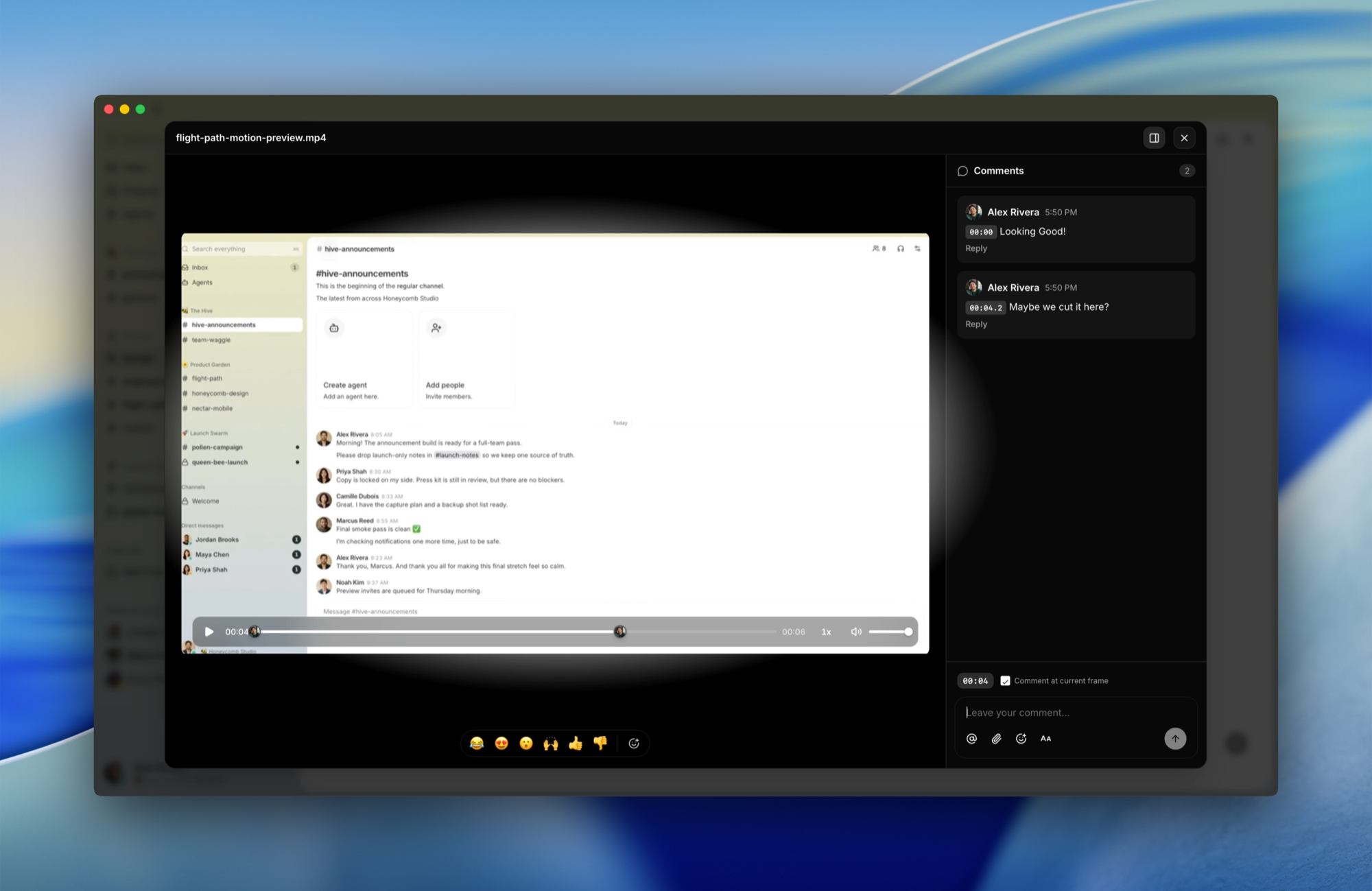
Block launches Buzz, an open-source workspace for humans and AI agents
Block Inc. launched Buzz, a free open-source workspace for human-AI collaborative teams. It unifies chat, code hosting, and workflows while granting AI dedicated accounts.
Site Discovery
Keep exploring the AI ecosystem
After this brief, continue into related tools, models, and rankings to understand whether the story affects your choices.