
Intel says it’s going to lean on Google’s Gemini to help automate and accelerate silicon development
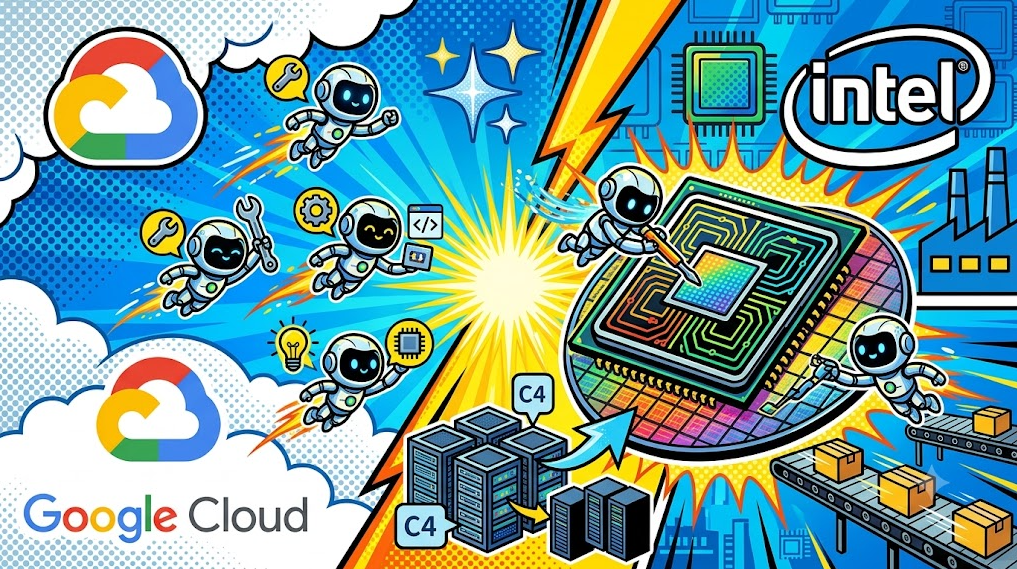
Intel expands its partnership with Google Cloud by globally deploying the Gemini Enterprise platform to automate and accelerate silicon development workflows.
Signal Snapshot
Briefing Notes
What happened and why it matters
Summary
Intel has announced a significant expansion of its strategic partnership with Google Cloud, marking the global deployment of the Gemini Enterprise platform. This initiative is designed to integrate advanced generative AI capabilities directly into Intel's core operational workflows. By leveraging the power of Google's large language models, Intel aims to utilize autonomous agents to streamline and accelerate processes across multiple departments, including engineering, supply chain management, and general corporate operations. This move signifies a shift towards heavier reliance on AI-driven automation within the hardware manufacturing sector.
Why it matters
The integration of Gemini Enterprise into Intel's infrastructure highlights the growing necessity for tech giants to adopt specialized AI solutions to maintain competitive advantages in complex manufacturing environments. Silicon development is inherently intricate, requiring precise coordination between design, fabrication, and logistics. By automating these workflows, Intel seeks to reduce time-to-market for new chips and improve efficiency in its supply chain. This partnership also underscores the deepening ties between major semiconductor manufacturers and cloud computing providers, suggesting that future innovations in chip design may increasingly depend on robust, enterprise-grade AI platforms. For the broader industry, this sets a precedent for how other hardware companies might leverage similar technologies to optimize their own production cycles.
Related tools
Impact on AI tools/models
This deployment validates the utility of large language models in industrial and engineering contexts, moving beyond creative or customer service applications. It suggests that models like Gemini are becoming critical infrastructure for enterprise operations. As Intel scales this usage, it may drive demand for more specialized AI agents capable of handling technical documentation, code generation for hardware Description languages, and predictive analytics in supply chains. This could lead to increased adoption of similar enterprise AI platforms among other semiconductor firms, fostering a ecosystem where AI is integral to physical product development.
What to watch
As Intel rolls out this technology, several key areas will require monitoring. First, the effectiveness of autonomous agents in reducing engineering bottlenecks will be a crucial metric for success. Second, the integration challenges between Google Cloud's infrastructure and Intel's existing legacy systems may present unforeseen technical hurdles. Finally, the broader implications for the semiconductor industry's reliance on specific AI providers could reshape vendor landscapes. Readers interested in tracking these developments should explore the latest updates on AI news and review current industry rankings to see how such partnerships influence market positioning. Additionally, comparing this approach with other tools available on ToolSeekAI tools can provide context on alternative solutions being adopted by competitors.
FAQ
What is Intel doing with Google Cloud? Intel is globally deploying the Gemini Enterprise platform to automate and accelerate workflows in engineering, supply chain, and corporate operations.
How does this affect silicon development? The partnership aims to leverage autonomous agents to speed up and streamline the complex processes involved in designing and manufacturing semiconductors.
Which departments will benefit from this deployment? The primary beneficiaries include engineering teams, supply chain operations, and corporate administrative functions.
Search FAQ
Frequently asked questions
FAQ
What platform is Intel deploying globally?
How does Intel plan to use Gemini?
Keep Tracking
Related AI news

On theCUBE Pod: IBM’s AI test, Nvidia’s lead and the race for enterprise intelligence
IBM tests enterprise AI while Nvidia dominates accelerated computing. AMD and Broadcom vie for market share as the race for enterprise intelligence intensifies across hardware and software layers.

Hugging Face uses open-weights Z.ai GLM 5.2 to battle attacker after commercial frontier model refusal
Hugging Face detected a breach involving an attacker using agentic AI. Commercial frontier models blocked defensive requests due to strict safety guardrails. Hugging Face responded by deploying the open-weights Z.ai GLM 5.2 to counter the threat.

Anthropic settles with authors and publishers for $1.5B in landmark copyright case
Anthropic agrees to a $1.5 billion settlement with authors and publishers regarding the unauthorized use of creative works to train its Claude AI model, marking the largest copyright settlement in history.
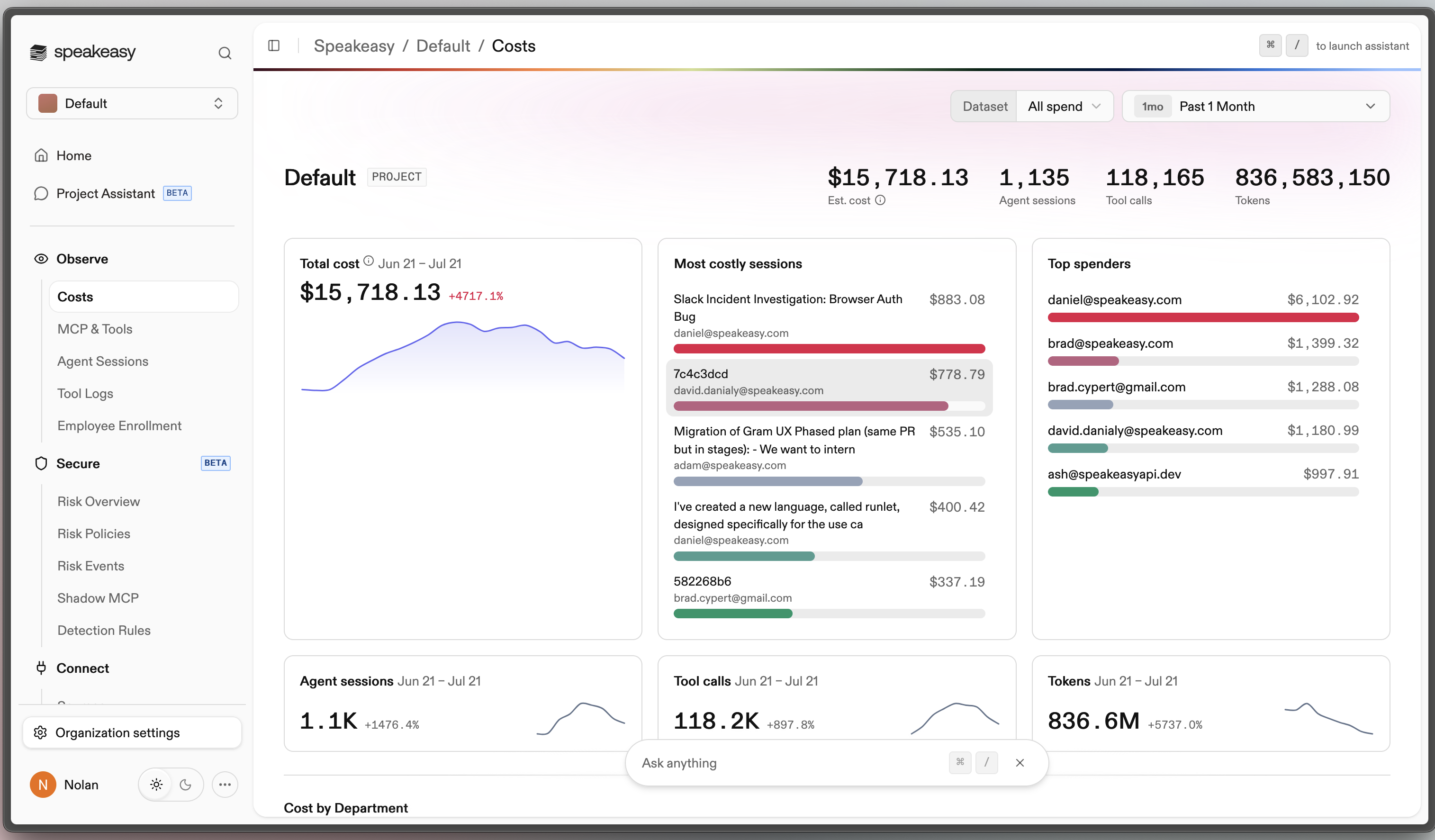
Exclusive: Speakeasy service tracks enterprise-wide AI agent spending
Speakeasy Development Inc. launched an AI cost-management service to track enterprise spending on coding agents like Claude Code, Cursor, and Codex by consolidating token usage data for financial oversight.

AI materials science startup CuspAI raises $450M in funding
UK-based AI materials science startup CuspAI secures $450M Series B funding at a $2.6B valuation, backed by Kleiner Perkins and NEA to support a chemical research consortium with Nvidia and Samsung.

Block launches Buzz, an open-source workspace for humans and AI agents
Block Inc. launched Buzz, a free open-source workspace for human-AI collaborative teams. It unifies chat, code hosting, and workflows while granting AI dedicated accounts.
Site Discovery
Keep exploring the AI ecosystem
After this brief, continue into related tools, models, and rankings to understand whether the story affects your choices.