
Inside Nvidia’s AI factory networking strategy: New analysis from theCUBE Research
New analysis by theCUBE Research explores Nvidia's AI factory networking strategy, highlighting its role in enterprise AI production scalability and cost efficiency.

Signal Snapshot
Briefing Notes
What happened and why it matters
Summary
As enterprises transition artificial intelligence workloads from experimental phases into full-scale production, the underlying infrastructure requirements are undergoing a significant transformation. A key component of this evolution is "AI factory networking," which is increasingly viewed as a central pillar of the infrastructure equation. This shift directly influences three critical metrics: performance, scalability, and cost.
A new analysis by Bob Laliberte, principal analyst at theCUBE Research, delves into these dynamics. The report is based on a recent discussion with Gilad Shainer, Senior Vice President of Networking at Nvidia. The conversation focuses on how Nvidia is structuring its networking solutions to support the massive data throughput and low-latency requirements inherent in modern AI factories. The analysis suggests that networking is no longer just a supporting utility but a defining factor in the success of enterprise AI deployments.
Why it matters
The move toward AI factories represents a paradigm shift in how organizations handle compute resources. In traditional computing, networking was often treated as a static layer. However, in the context of large-scale AI training and inference, network bottlenecks can severely degrade performance and inflate costs. By optimizing networking, enterprises can achieve better resource utilization and faster time-to-insight.
Nvidia’s strategy, as highlighted by Shainer, addresses these challenges by providing integrated solutions that ensure high bandwidth and minimal latency across distributed clusters. For IT leaders and CTOs, understanding these networking nuances is crucial for making informed decisions about hardware procurement and cloud architecture. Ignoring the networking layer can lead to underutilized GPU clusters and inflated operational expenses, undermining the ROI of AI initiatives.
Related tools
While specific product names were not detailed in the snippet, the analysis relates to broader categories of infrastructure management and AI optimization. Relevant areas include:
- AI Infrastructure Tools for managing complex cluster networks.
- Networking Solutions focused on high-bandwidth data transfer.
- Enterprise AI Platforms that integrate hardware and software stacks.
Impact on AI tools/models
The emphasis on robust networking infrastructure has direct implications for the development and deployment of AI models. Larger models require more extensive parameter synchronization, which is heavily dependent on network speed. As networking capabilities improve, developers can train larger, more complex models without prohibitive time penalties. Furthermore, efficient networking allows for better scaling of inference services, enabling real-time applications that were previously unfeasible due to latency constraints. This evolution supports the trend toward more sophisticated, multi-modal AI systems that require seamless data flow between components.
What to watch
As the industry continues to refine AI factory architectures, several trends are emerging. First, the integration of software-defined networking (SDN) with hardware accelerators will likely become standard practice. Second, enterprises must evaluate their existing network topologies to identify potential bottlenecks before scaling AI workloads. Finally, staying updated on vendor-specific innovations is essential for maintaining competitive advantage.
For further insights on infrastructure trends, explore our coverage on AI News. To compare different networking solutions and their performance benchmarks, visit our Rankings. Additionally, check out the latest updates on Tools designed to optimize AI cluster management.
FAQ
What is an AI factory? An AI factory refers to the integrated infrastructure environment where AI models are trained, validated, and deployed at scale, emphasizing efficiency and automation.
Who provided insights for theCUBE Research analysis? Gilad Shainer, Senior Vice President of Networking at Nvidia, provided key insights regarding networking strategies in AI production environments.
Why is networking critical for AI scalability? Networking determines the speed and efficiency of data transfer between compute nodes, directly impacting training times and operational costs in large-scale AI deployments.
Keep Tracking
Related AI news

On theCUBE Pod: IBM’s AI test, Nvidia’s lead and the race for enterprise intelligence
IBM tests enterprise AI while Nvidia dominates accelerated computing. AMD and Broadcom vie for market share as the race for enterprise intelligence intensifies across hardware and software layers.

Hugging Face uses open-weights Z.ai GLM 5.2 to battle attacker after commercial frontier model refusal
Hugging Face detected a breach involving an attacker using agentic AI. Commercial frontier models blocked defensive requests due to strict safety guardrails. Hugging Face responded by deploying the open-weights Z.ai GLM 5.2 to counter the threat.

Anthropic settles with authors and publishers for $1.5B in landmark copyright case
Anthropic agrees to a $1.5 billion settlement with authors and publishers regarding the unauthorized use of creative works to train its Claude AI model, marking the largest copyright settlement in history.
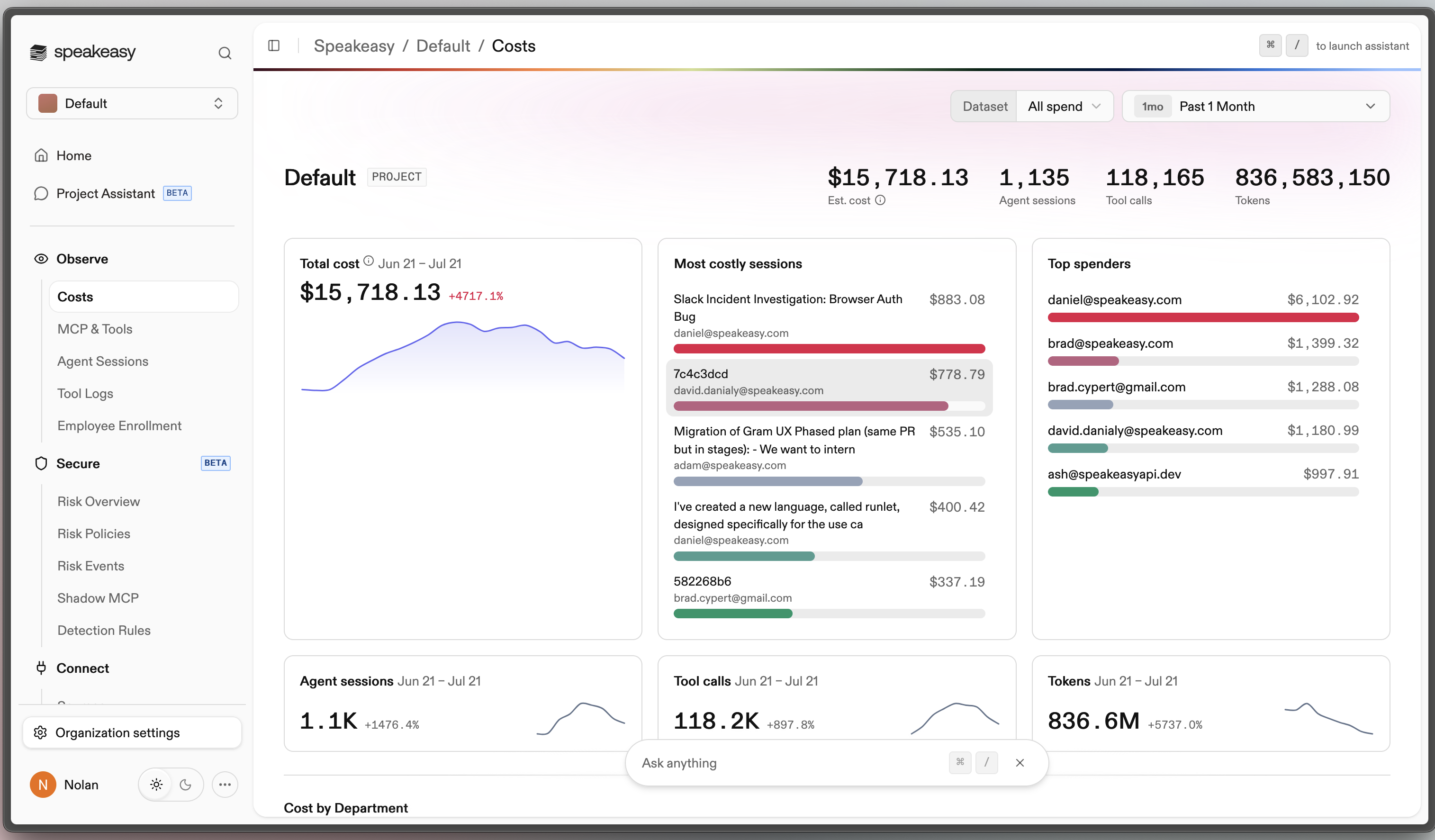
Exclusive: Speakeasy service tracks enterprise-wide AI agent spending
Speakeasy Development Inc. launched an AI cost-management service to track enterprise spending on coding agents like Claude Code, Cursor, and Codex by consolidating token usage data for financial oversight.

AI materials science startup CuspAI raises $450M in funding
UK-based AI materials science startup CuspAI secures $450M Series B funding at a $2.6B valuation, backed by Kleiner Perkins and NEA to support a chemical research consortium with Nvidia and Samsung.
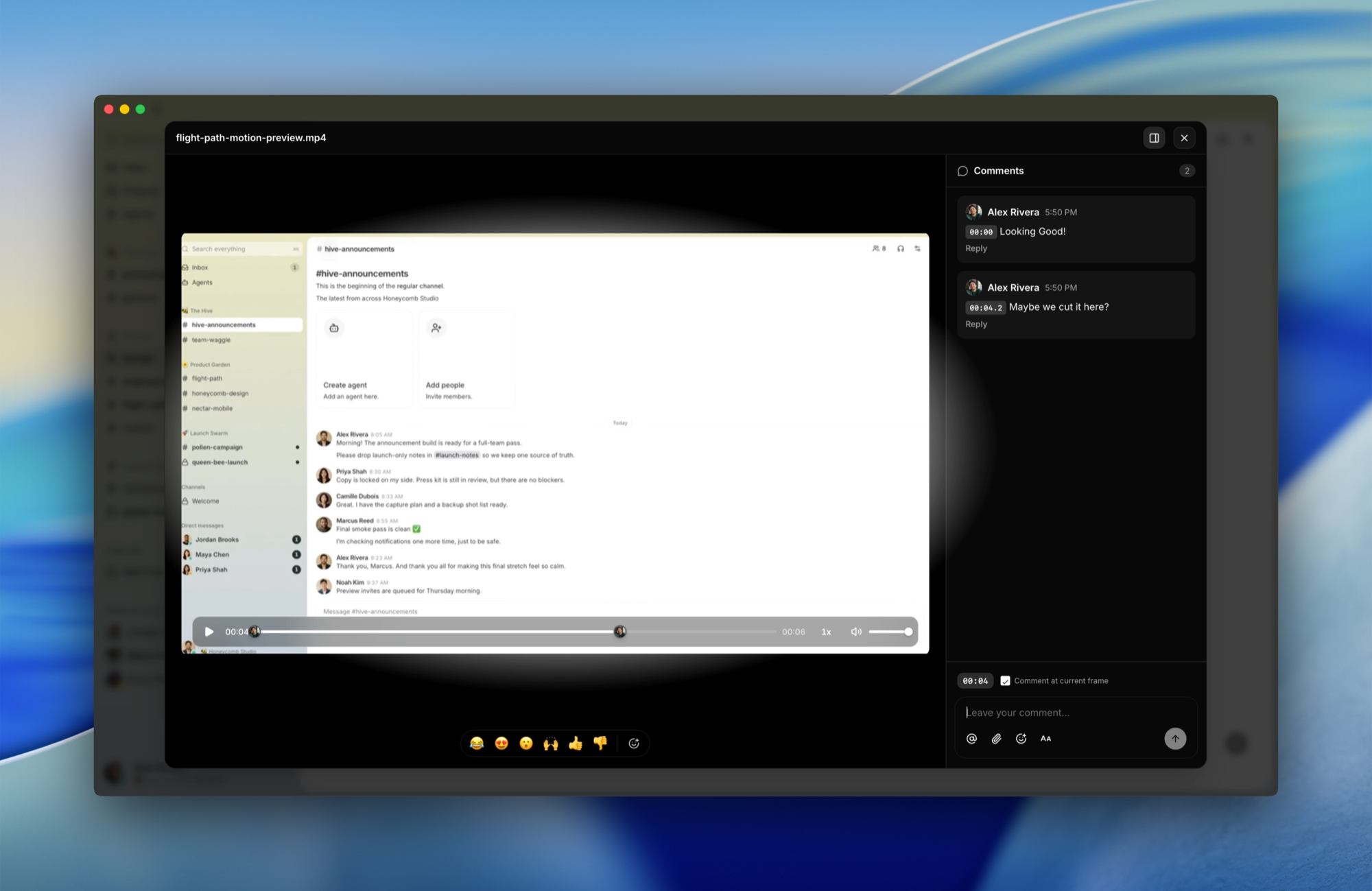
Block launches Buzz, an open-source workspace for humans and AI agents
Block Inc. launched Buzz, a free open-source workspace for human-AI collaborative teams. It unifies chat, code hosting, and workflows while granting AI dedicated accounts.
Site Discovery
Keep exploring the AI ecosystem
After this brief, continue into related tools, models, and rankings to understand whether the story affects your choices.