
IBM debuts compact z17 mainframes and LinuxONE servers for on-premises enterprise AI
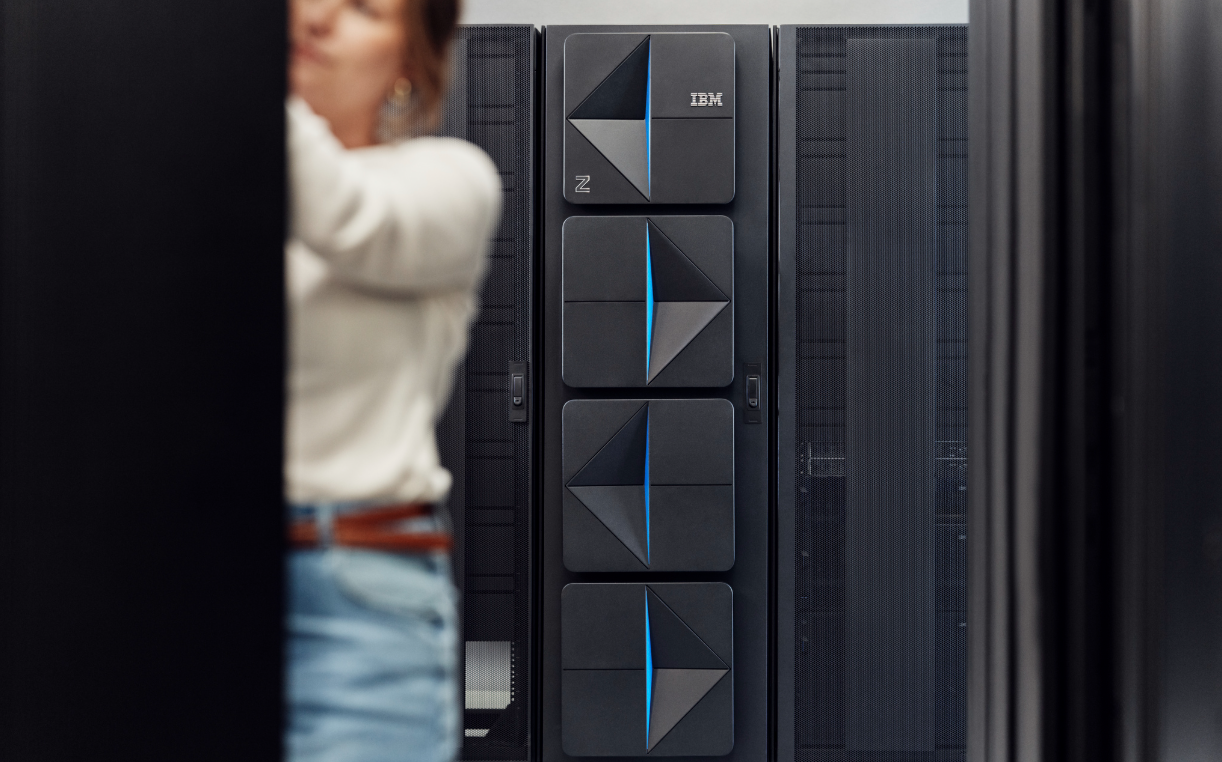
IBM introduces compact z17 mainframes and LinuxONE 5 servers, including Rockhopper 5 and Express models, to support on-premises enterprise AI workloads.
Signal Snapshot
Briefing Notes
What happened and why it matters
Summary
IBM has officially expanded its on-premises enterprise infrastructure portfolio with the introduction of compact z17 mainframes and LinuxONE 5 servers. The new lineup specifically targets enterprise AI workloads, featuring the LinuxONE Rockhopper 5 and LinuxONE 5 Express models alongside the updated z17 architecture. This release underscores a strategic push toward localized, secure computing environments capable of handling modern artificial intelligence demands without relying solely on public cloud resources.
Why it matters
The shift toward on-premises AI infrastructure reflects growing enterprise priorities around data sovereignty, latency reduction, and regulatory compliance. By packaging advanced mainframe and LinuxONE capabilities into compact form factors, IBM addresses space and efficiency constraints that previously limited large-scale hardware deployments. The explicit focus on enterprise AI workloads signals that traditional infrastructure providers are adapting legacy architectures to meet contemporary machine learning and data processing requirements. Organizations seeking to maintain direct control over sensitive datasets while scaling computational capabilities will find these compact systems particularly relevant.
Related tools
Enterprises evaluating these hardware solutions often pair them with specialized software ecosystems. Teams looking to integrate AI capabilities into existing workflows can explore curated Browse AI tools designed for on-premises deployment. Additionally, developers managing model weights and API integrations frequently reference the Model library to streamline compatibility testing. For organizations comparing infrastructure vendors, consulting the latest Rankings provides context on how these systems position against competing enterprise solutions.
Impact on AI tools/models
The introduction of compact z17 and LinuxONE 5 hardware directly influences how AI models are trained, fine-tuned, and served in production environments. On-premises mainframes typically offer enhanced security protocols and deterministic performance, which are critical for enterprises handling regulated data. While the source material does not specify benchmark metrics, the architectural focus on enterprise AI workloads suggests optimized resource allocation for inference and data-intensive tasks. Model developers operating within strict compliance frameworks may leverage these systems to maintain data residency requirements while accessing reliable compute resources.
What to watch
As enterprises continue balancing cloud flexibility with on-premises control, the adoption rate of compact mainframe and LinuxONE deployments will serve as a key indicator of infrastructure evolution. Industry observers should track updates from AI news covering enterprise hardware shifts, evaluate emerging use cases via ToolSeekAI tools, and review comparative performance data in the rankings database. The long-term viability of hybrid infrastructure strategies will depend heavily on how seamlessly these compact systems integrate with existing enterprise stacks.
FAQ
Detailed technical specifications and pricing information have not yet been disclosed by IBM. Further updates regarding deployment timelines and supported AI frameworks will be shared through official channels.
Search FAQ
Frequently asked questions
FAQ
What new server platforms did IBM announce?
Are these systems designed for cloud-only deployments?
Keep Tracking
Related AI news

On theCUBE Pod: IBM’s AI test, Nvidia’s lead and the race for enterprise intelligence
IBM tests enterprise AI while Nvidia dominates accelerated computing. AMD and Broadcom vie for market share as the race for enterprise intelligence intensifies across hardware and software layers.

Hugging Face uses open-weights Z.ai GLM 5.2 to battle attacker after commercial frontier model refusal
Hugging Face detected a breach involving an attacker using agentic AI. Commercial frontier models blocked defensive requests due to strict safety guardrails. Hugging Face responded by deploying the open-weights Z.ai GLM 5.2 to counter the threat.

Anthropic settles with authors and publishers for $1.5B in landmark copyright case
Anthropic agrees to a $1.5 billion settlement with authors and publishers regarding the unauthorized use of creative works to train its Claude AI model, marking the largest copyright settlement in history.
Exclusive: Speakeasy service tracks enterprise-wide AI agent spending
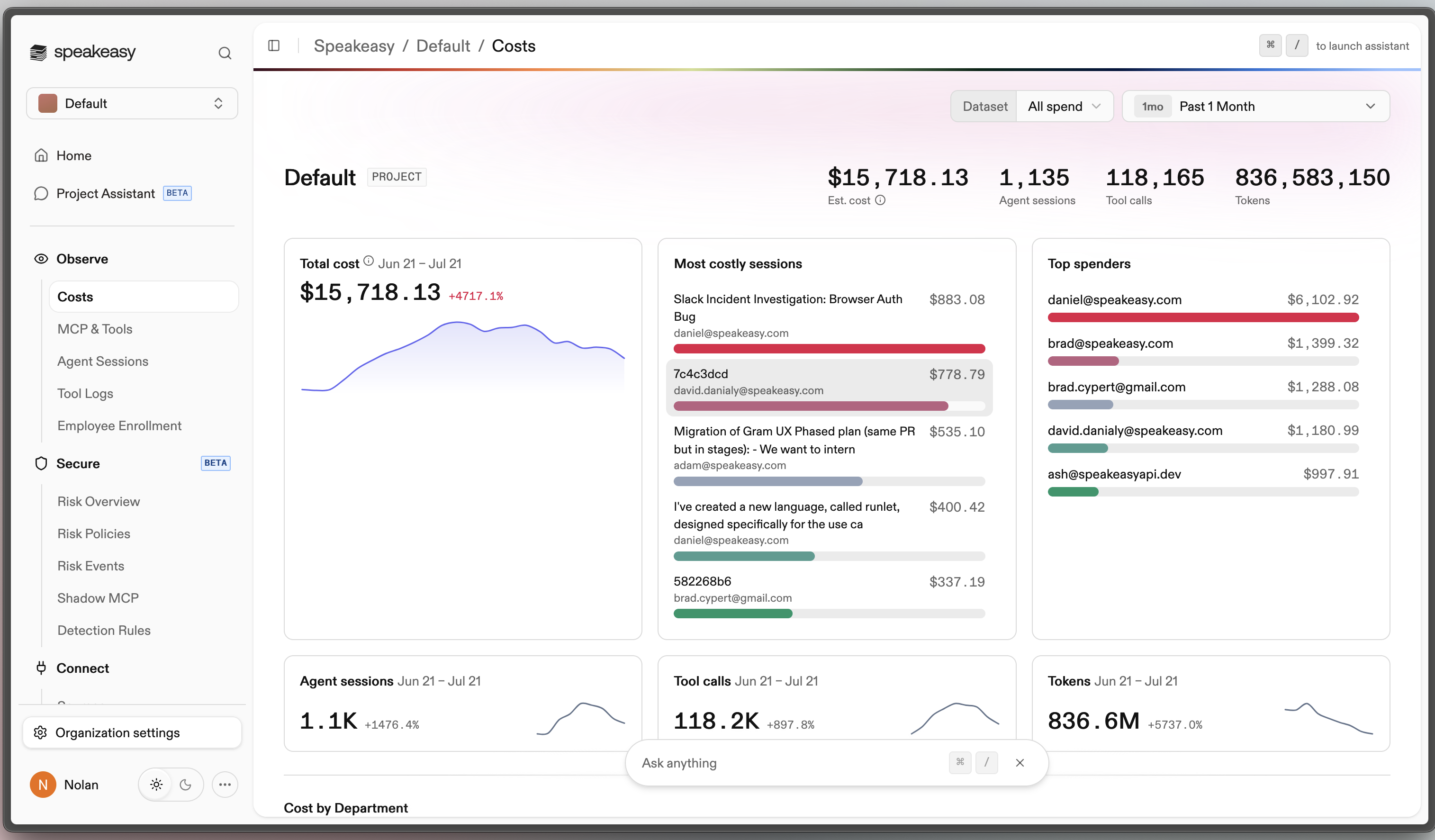
Speakeasy Development Inc. launched an AI cost-management service to track enterprise spending on coding agents like Claude Code, Cursor, and Codex by consolidating token usage data for financial oversight.

AI materials science startup CuspAI raises $450M in funding
UK-based AI materials science startup CuspAI secures $450M Series B funding at a $2.6B valuation, backed by Kleiner Perkins and NEA to support a chemical research consortium with Nvidia and Samsung.
Block launches Buzz, an open-source workspace for humans and AI agents
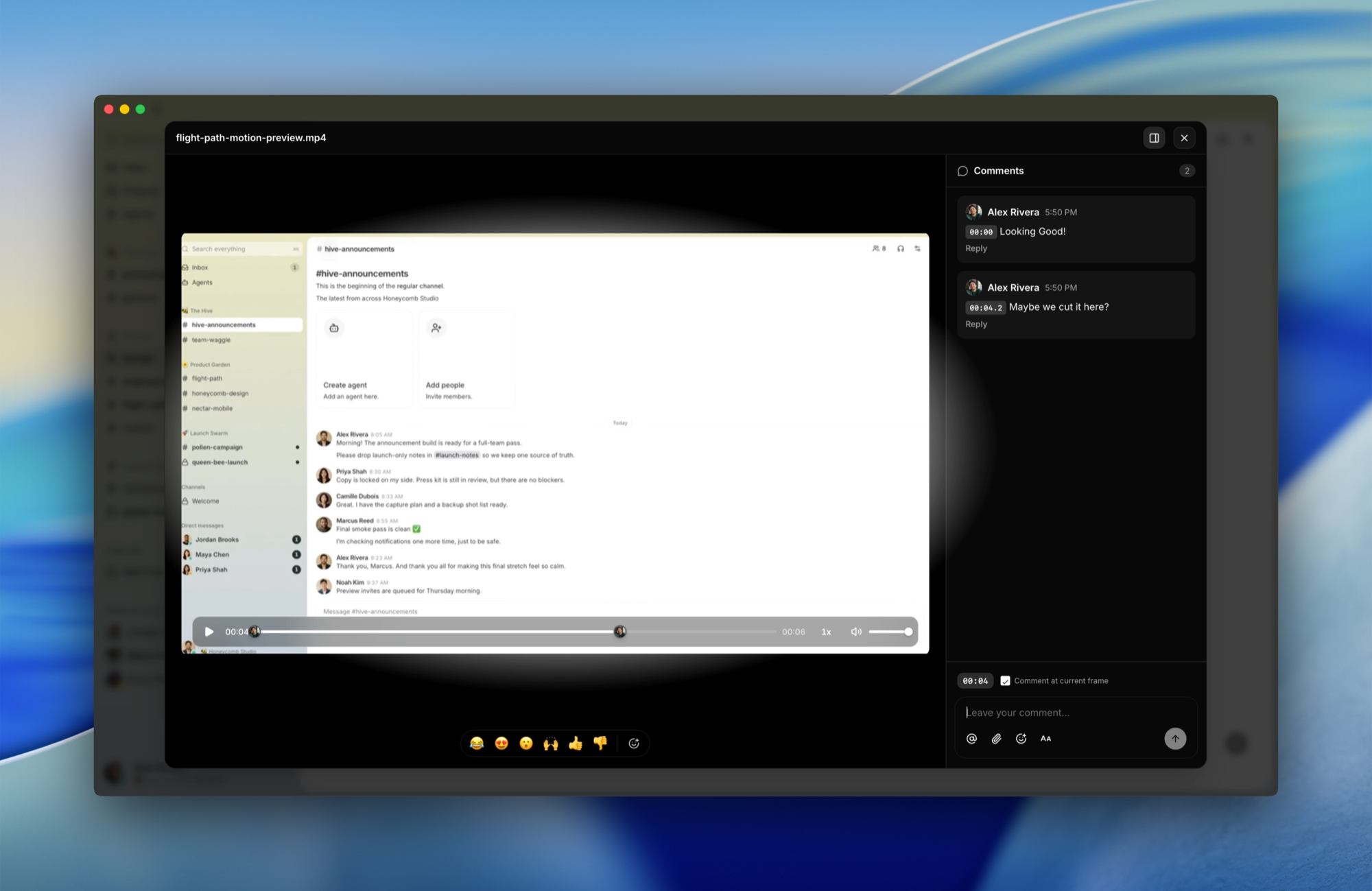
Block Inc. launched Buzz, a free open-source workspace for human-AI collaborative teams. It unifies chat, code hosting, and workflows while granting AI dedicated accounts.
Site Discovery
Keep exploring the AI ecosystem
After this brief, continue into related tools, models, and rankings to understand whether the story affects your choices.