
Google’s Gemini Omni Flash and Nano Banana 2 Lite support slick media content creation at lower costs
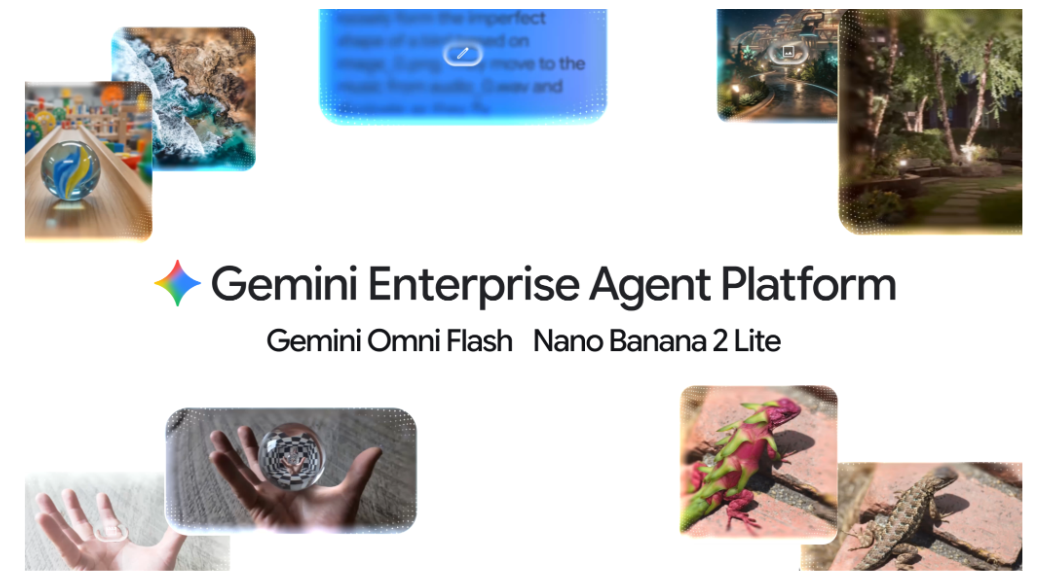
Google introduces Gemini Omni Flash and Nano Banana 2 Lite on the Enterprise Agent Platform, targeting high-quality image and video generation at reduced costs for creators.
Signal Snapshot
Briefing Notes
What happened and why it matters
Summary
Google LLC has officially expanded its generative artificial intelligence portfolio with the debut of two new media-focused models: Gemini Omni Flash and Nano Banana 2 Lite. These additions are specifically integrated into the Gemini Enterprise Agent Platform, marking a strategic move to enhance capabilities for digital creators. According to the company, the primary objective of launching these models is to deliver superior quality in both image and video generation while simultaneously reducing operational costs. This development signals a shift towards making high-fidelity AI media production more accessible and economically viable for enterprise users and individual creators alike.
Why it matters
The introduction of Gemini Omni Flash and Nano Banana 2 Lite addresses two critical pain points in the current AI landscape: cost efficiency and media fidelity. As businesses increasingly integrate generative AI into their workflows, the expense of processing large volumes of media content can become prohibitive. By offering models that promise "slick" media content creation at lower prices, Google is positioning itself to capture a larger share of the enterprise market. Furthermore, the focus on both image and video generation suggests a comprehensive approach to multimedia content pipelines, allowing users to handle diverse creative tasks within a single ecosystem. This move also highlights the competitive pressure among major tech giants to refine their media-specific models, ensuring that quality does not come at an unsustainable premium.
Related tools
Impact on AI tools/models
These new models are likely to influence how developers and enterprises approach content creation workflows. With Gemini Omni Flash and Nano Banana 2 Lite optimized for lower costs, we may see a surge in the adoption of AI-generated assets for marketing materials, social media campaigns, and internal documentation. The emphasis on "slick" quality implies that these models are tuned to reduce the need for extensive post-processing, thereby streamlining the creative pipeline. For other AI tool providers, this sets a new benchmark for balancing performance with affordability, potentially forcing competitors to reassess their pricing strategies for media-centric models. It also reinforces the trend of specialized models emerging within broader AI families, where specific tasks like video and image generation are handled by distinct, optimized architectures rather than general-purpose large language models.
What to watch
As the industry reacts to these announcements, several key areas deserve attention. First, monitor how quickly enterprises adopt the Gemini Enterprise Agent Platform for their media needs, as this will indicate the real-world value of the cost reductions promised. Second, track the performance metrics of Gemini Omni Flash and Nano Banana 2 Lite against existing competitors in the market to see if the quality claims hold up under rigorous testing. Finally, observe any updates to the AI news feed regarding Google’s future roadmap for the Gemini family, particularly if further optimizations or new model variants are announced. Users interested in exploring similar capabilities should check out the latest rankings of generative AI tools to compare these new offerings with other market leaders. Additionally, keeping an eye on ToolSeekAI tools will help identify complementary software that integrates well with these new Google models.
FAQ
Q: Are these models available for public use? A: They are currently highlighted as part of the Gemini Enterprise Agent Platform, suggesting a focus on enterprise and professional users.
Q: What types of media do these models support? A: The models are designed specifically for image and video generation.
Q: How do these models differ from previous Gemini versions? A: They are tailored for media content creation with an emphasis on lower costs and enhanced quality for visual assets.
Search FAQ
Frequently asked questions
FAQ
What are the new models introduced by Google?
Where can these models be accessed?
What is the primary benefit of these new models?
Keep Tracking
Related AI news
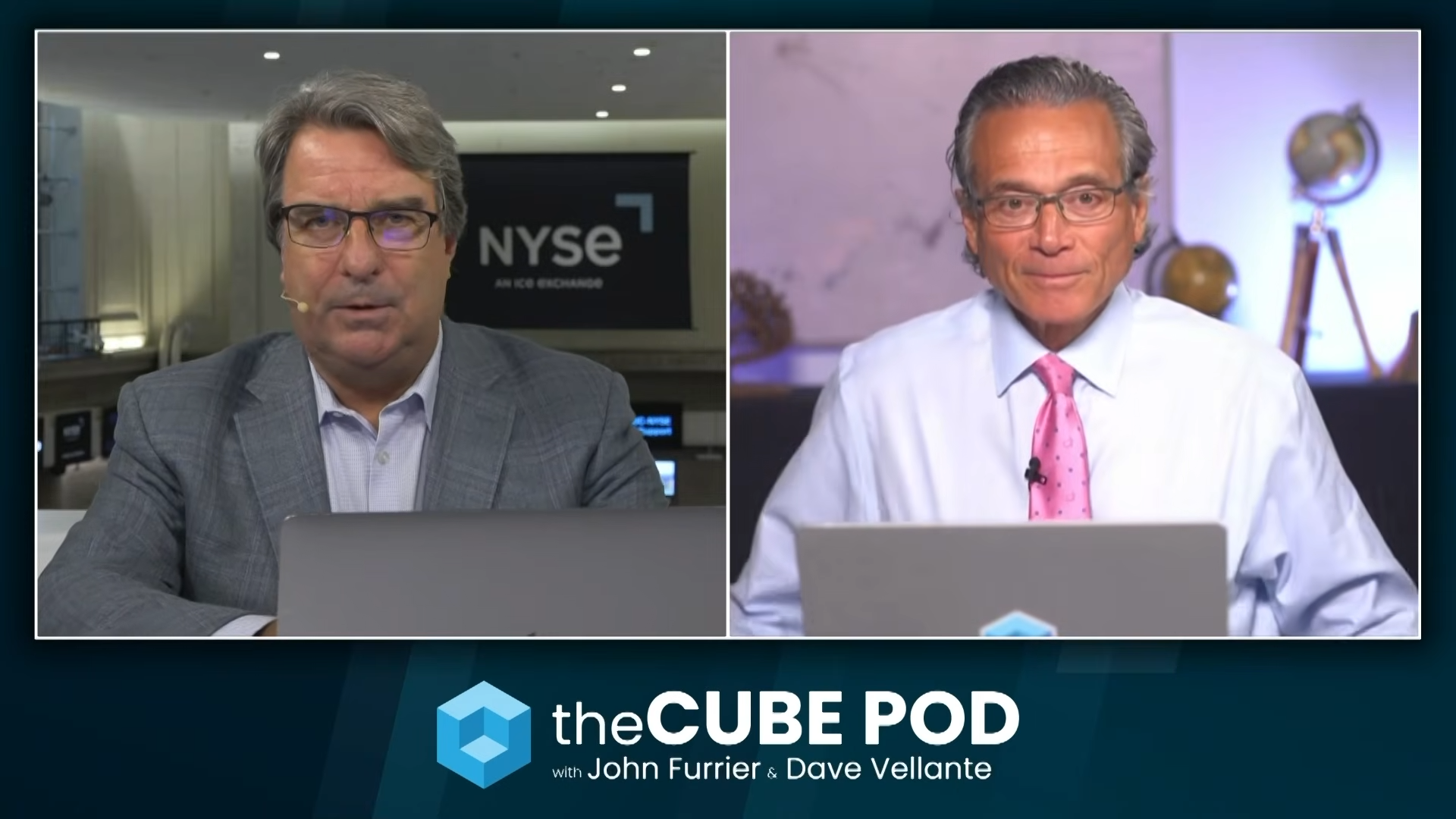
On theCUBE Pod: IBM’s AI test, Nvidia’s lead and the race for enterprise intelligence
IBM tests enterprise AI while Nvidia dominates accelerated computing. AMD and Broadcom vie for market share as the race for enterprise intelligence intensifies across hardware and software layers.

Hugging Face uses open-weights Z.ai GLM 5.2 to battle attacker after commercial frontier model refusal
Hugging Face detected a breach involving an attacker using agentic AI. Commercial frontier models blocked defensive requests due to strict safety guardrails. Hugging Face responded by deploying the open-weights Z.ai GLM 5.2 to counter the threat.

Anthropic settles with authors and publishers for $1.5B in landmark copyright case
Anthropic agrees to a $1.5 billion settlement with authors and publishers regarding the unauthorized use of creative works to train its Claude AI model, marking the largest copyright settlement in history.
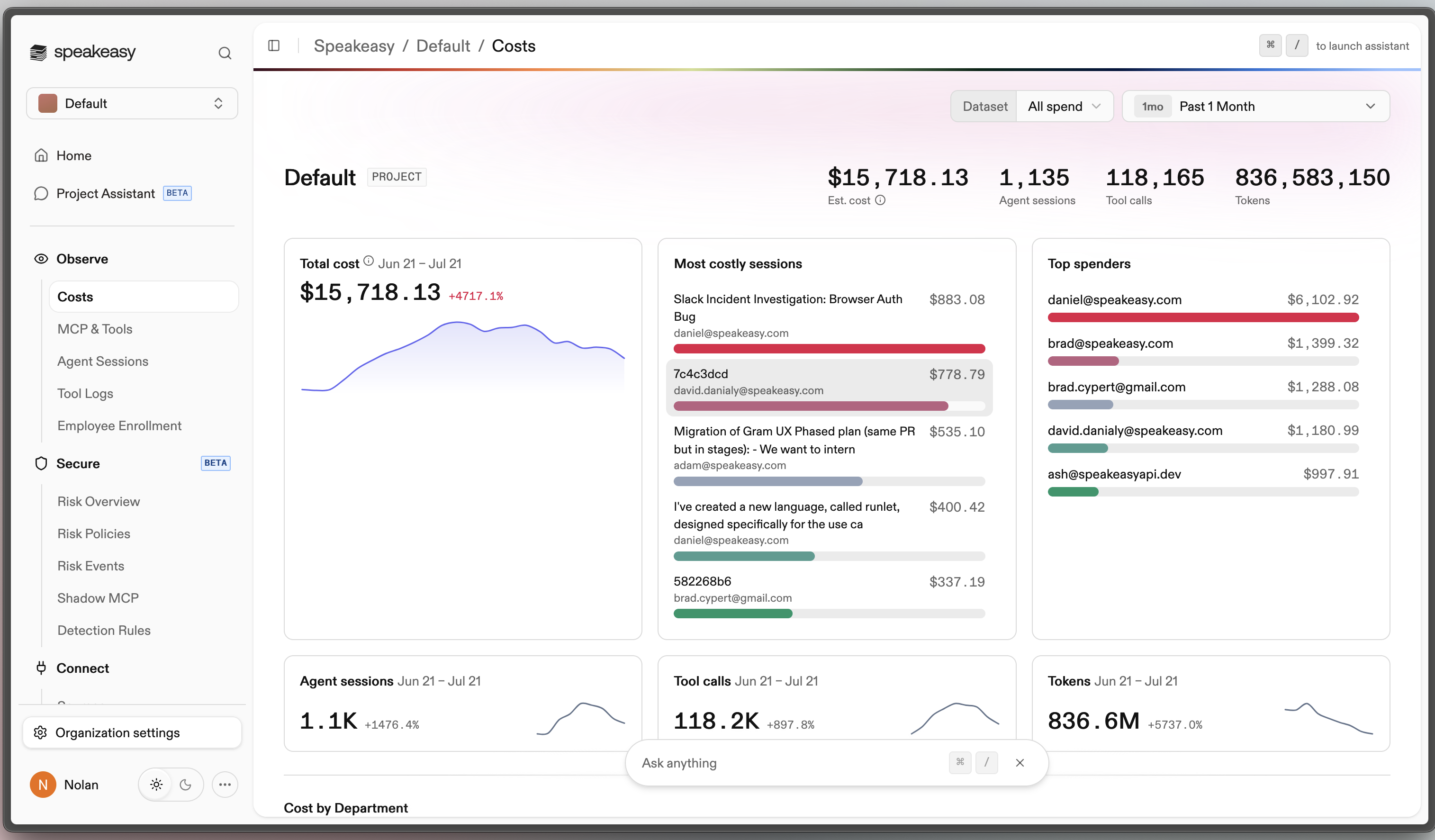
Exclusive: Speakeasy service tracks enterprise-wide AI agent spending
Speakeasy Development Inc. launched an AI cost-management service to track enterprise spending on coding agents like Claude Code, Cursor, and Codex by consolidating token usage data for financial oversight.

AI materials science startup CuspAI raises $450M in funding
UK-based AI materials science startup CuspAI secures $450M Series B funding at a $2.6B valuation, backed by Kleiner Perkins and NEA to support a chemical research consortium with Nvidia and Samsung.
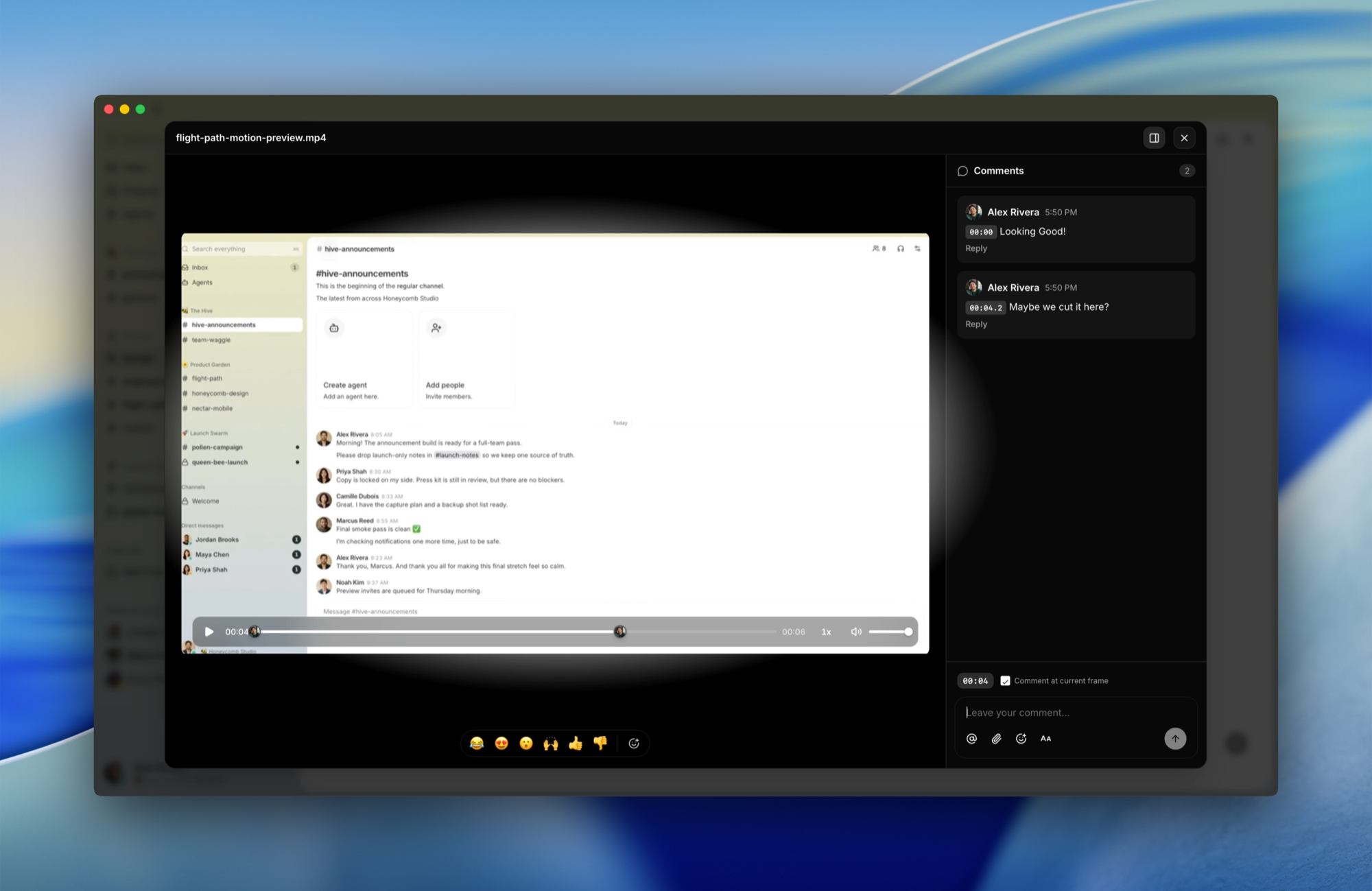
Block launches Buzz, an open-source workspace for humans and AI agents
Block Inc. launched Buzz, a free open-source workspace for human-AI collaborative teams. It unifies chat, code hosting, and workflows while granting AI dedicated accounts.
Site Discovery
Keep exploring the AI ecosystem
After this brief, continue into related tools, models, and rankings to understand whether the story affects your choices.