
Google reportedly developing ‘Frozen v2’ AI chip optimized for Gemini models
Google is reportedly developing 'Frozen v2', a new AI chip optimized for Gemini models, promising 6-10x better performance per watt than current silicon.

Signal Snapshot
Briefing Notes
What happened and why it matters
Summary
Google LLC is currently in the development phase of a specialized hardware solution designed to enhance the efficiency of its large language models. According to reports from The Information, the new processor carries the internal codename "Frozen v2." This silicon is explicitly engineered to support the inference and training workloads of Google's Gemini series. The primary metric of success for this development is energy efficiency; sources indicate that Frozen v2 aims to deliver a performance-per-watt improvement ranging from six to ten times that of Google's existing AI infrastructure.
Why it matters
The push for "Frozen v2" highlights the critical bottleneck facing the AI industry: energy consumption. As models like Gemini grow in complexity, the computational cost and power requirements scale disproportionately. A six-to-ten-fold increase in performance per watt is not merely an incremental update; it represents a fundamental shift in how Google intends to deploy its AI capabilities at scale. For cloud providers and enterprise customers, this translates to significantly lower operational costs and reduced carbon footprints associated with running generative AI tasks. It also signals Google's commitment to maintaining a competitive edge against rivals like NVIDIA and Microsoft, who are similarly racing to optimize hardware for next-generation models.
Related tools
Impact on AI tools/models
The introduction of Frozen v2 will likely accelerate the deployment of advanced Gemini features across Google Cloud services. Tools that rely heavily on real-time inference, such as code generation assistants, multimodal search integrations, and enterprise chatbots, will benefit from reduced latency and higher throughput. This hardware optimization allows developers to build more sophisticated applications without being constrained by the high energy costs typically associated with large language model inference. Consequently, we may see a surge in AI-driven applications that were previously deemed too resource-intensive to run efficiently at scale.
What to watch
As Google moves Frozen v2 from development to production, several key areas require monitoring. First, the timeline for availability within Google Cloud Platform will determine when external developers can leverage these efficiency gains. Second, the integration with existing TPU architectures will show whether this is a standalone product or part of a broader silicon ecosystem. Finally, the competitive response from other chipMakers will be crucial; if Google achieves these efficiency targets, it may force competitors to accelerate their own R&D cycles.
For ongoing updates on hardware developments and model releases, readers should monitor the latest AI news for breaking reports on Frozen v2's launch status. Additionally, tracking the rankings of cloud AI providers will reveal if Google's efficiency claims translate into market share gains. Developers interested in the software side of these optimizations should explore the tools section for guides on leveraging Gemini with new hardware backends.
FAQ
What is the primary goal of the Frozen v2 chip? The main objective is to drastically improve energy efficiency, targeting a 6-10x gain in performance per watt for Gemini models.
Is Frozen v2 available for public purchase yet? No, the chip is currently in the development phase according to reports. Specific release dates have not been confirmed.
How does this affect existing Google AI models? While optimized for Gemini, the underlying efficiency improvements may eventually trickle down to other models hosted on Google Cloud, reducing overall inference costs.
Search FAQ
Frequently asked questions
FAQ
What is the codename for Google's new AI chip?
Which AI models is the Frozen v2 chip optimized for?
How much performance improvement does Frozen v2 offer?
Keep Tracking
Related AI news

On theCUBE Pod: IBM’s AI test, Nvidia’s lead and the race for enterprise intelligence
IBM tests enterprise AI while Nvidia dominates accelerated computing. AMD and Broadcom vie for market share as the race for enterprise intelligence intensifies across hardware and software layers.

Hugging Face uses open-weights Z.ai GLM 5.2 to battle attacker after commercial frontier model refusal
Hugging Face detected a breach involving an attacker using agentic AI. Commercial frontier models blocked defensive requests due to strict safety guardrails. Hugging Face responded by deploying the open-weights Z.ai GLM 5.2 to counter the threat.

Anthropic settles with authors and publishers for $1.5B in landmark copyright case
Anthropic agrees to a $1.5 billion settlement with authors and publishers regarding the unauthorized use of creative works to train its Claude AI model, marking the largest copyright settlement in history.
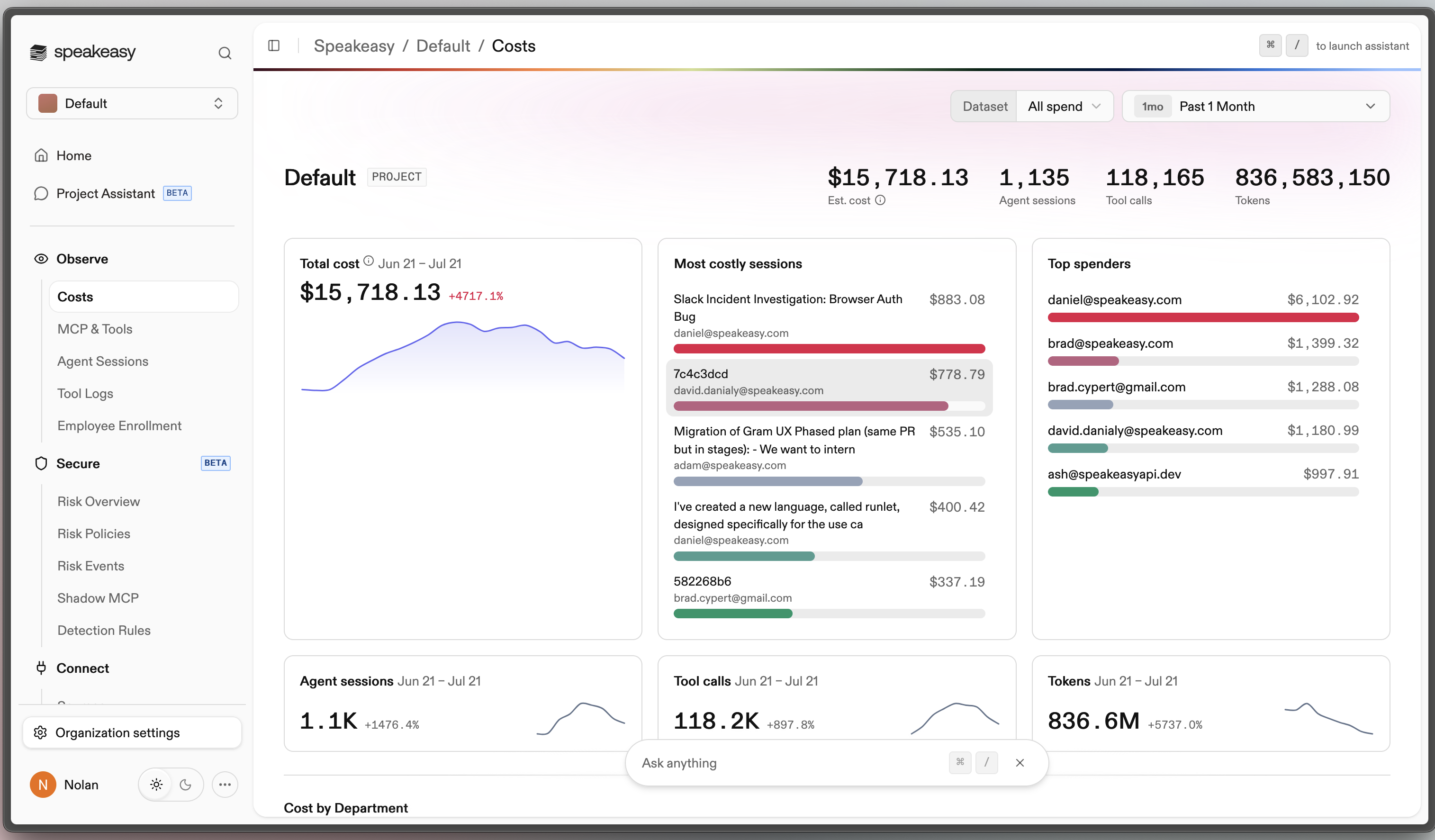
Exclusive: Speakeasy service tracks enterprise-wide AI agent spending
Speakeasy Development Inc. launched an AI cost-management service to track enterprise spending on coding agents like Claude Code, Cursor, and Codex by consolidating token usage data for financial oversight.

AI materials science startup CuspAI raises $450M in funding
UK-based AI materials science startup CuspAI secures $450M Series B funding at a $2.6B valuation, backed by Kleiner Perkins and NEA to support a chemical research consortium with Nvidia and Samsung.
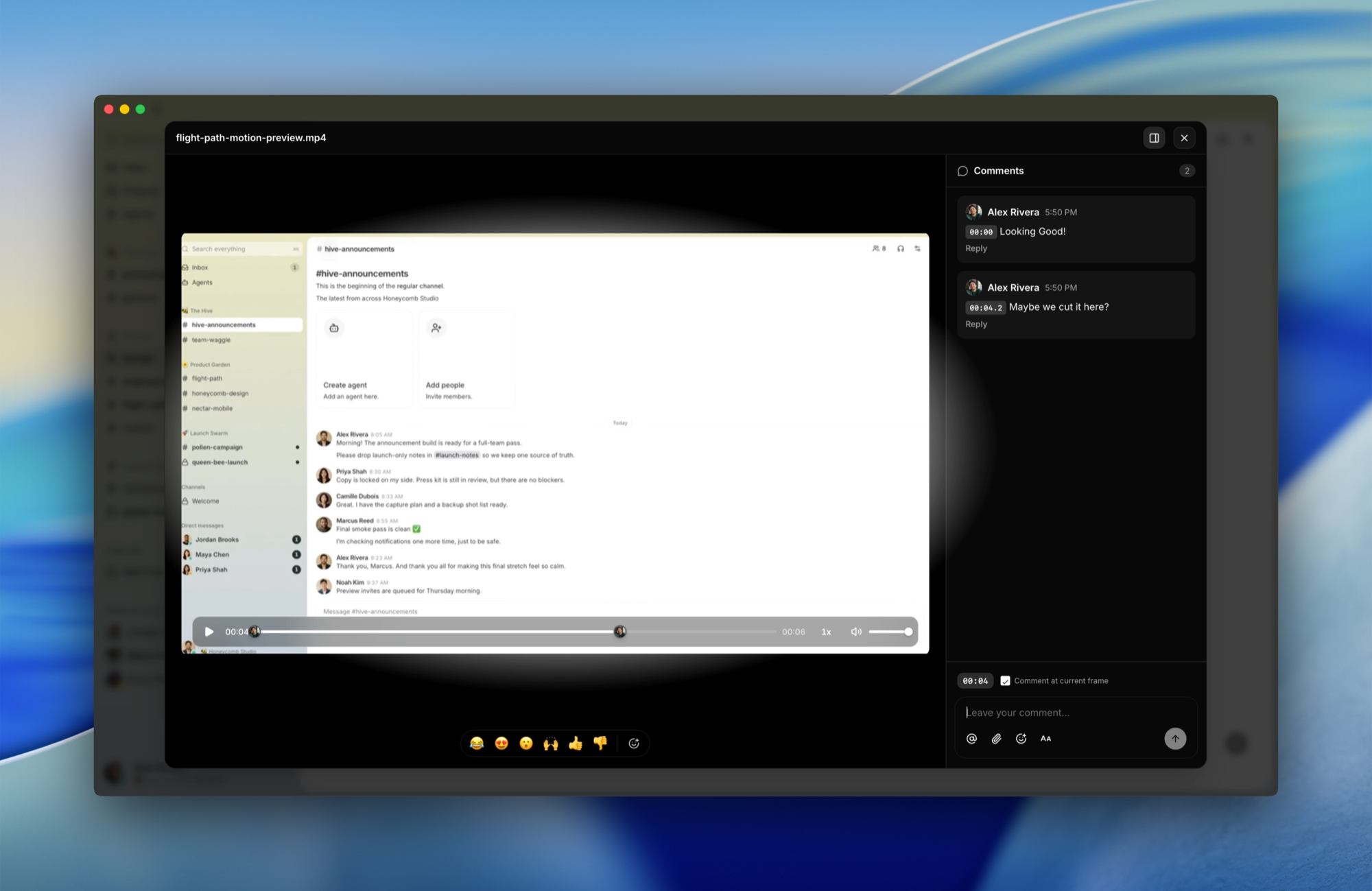
Block launches Buzz, an open-source workspace for humans and AI agents
Block Inc. launched Buzz, a free open-source workspace for human-AI collaborative teams. It unifies chat, code hosting, and workflows while granting AI dedicated accounts.
Site Discovery
Keep exploring the AI ecosystem
After this brief, continue into related tools, models, and rankings to understand whether the story affects your choices.