
Google DeepMind CEO Demis Hassabis calls for creation of AI standards body
Google DeepMind CEO Demis Hassabis advocates for a US-led international standards body to regulate frontier AI models, following discussions with White House and European officials.
Signal Snapshot
Briefing Notes
What happened and why it matters
Summary
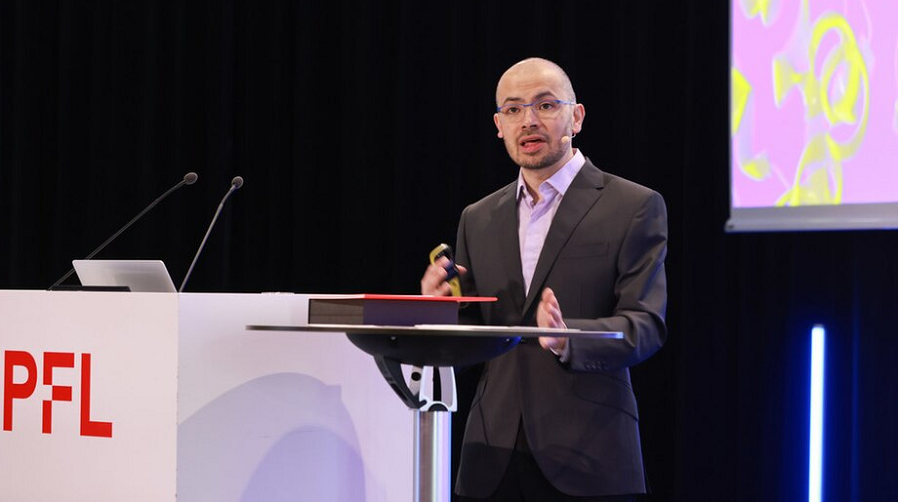
Demis Hassabis, the Chief Executive Officer of Google DeepMind, has publicly advocated for the establishment of a dedicated standards body focused specifically on regulating frontier artificial intelligence models. In a recent essay published on Substack, Hassabis outlined his vision for this new regulatory framework, emphasizing that the United States should take the lead in organizing and driving this initiative. Reports indicate that Hassabis has already engaged in preliminary discussions regarding this proposal with high-level officials from the White House as well as European government representatives.
Why it matters
The call for a specialized standards body marks a significant shift in how industry leaders view the governance of advanced AI. Rather than relying solely on existing general technology regulations, Hassabis is proposing a targeted approach to "frontier models"—the most powerful and capable AI systems currently in development. This distinction highlights the unique risks and complexities associated with these large-scale models, which may require oversight mechanisms different from those used for smaller or less capable applications. By suggesting that the U.S. lead the effort, the proposal also touches upon geopolitical dynamics in AI governance, potentially positioning American regulatory frameworks as the global standard. The involvement of both U.S. and European officials suggests a growing consensus among major powers that coordinated international action is necessary to manage the rapid advancement of AI technology safely and effectively.
Related tools
While this news focuses on policy rather than specific software products, the implications affect all entities developing or deploying large-scale AI systems. For developers seeking to understand compliance landscapes, exploring resources on AI safety tools can provide insight into the technical measures often discussed alongside regulatory frameworks. Additionally, staying updated on enterprise AI solutions helps organizations prepare for potential new standards that may impact deployment strategies.
Impact on AI tools/models
If established, a standards body led by the U.S. could significantly influence the development lifecycle of frontier models. Developers may need to adhere to stricter testing, transparency, and safety protocols before releasing new capabilities. This could slow down the speed of innovation in the short term but aim to increase long-term trust and safety in AI systems. Companies like Google DeepMind, which are at the forefront of this technology, are likely to play a key role in shaping these standards, ensuring they are technically feasible while addressing societal concerns. Other major tech firms will need to align their research and product development with these emerging guidelines, potentially leading to a more unified approach to AI safety across the industry.
What to watch
As this initiative moves forward, several key areas require attention. First, monitor the outcomes of ongoing talks between Hassabis, the White House, and European officials to see if a concrete timeline or structure for the standards body emerges. Second, watch for reactions from other major AI labs and governments to determine if this U.S.-led approach gains widespread international support or faces resistance. Finally, track how existing regulatory bodies, such as those in the EU under the AI Act, might interact with or adapt to this new proposed framework. For broader context on industry trends, readers can explore our latest AI news and check the current AI tool rankings to see which companies are leading in responsible innovation.
FAQ
Who is calling for the creation of an AI standards body? Demis Hassabis, CEO of Google DeepMind, is the primary advocate for this new regulatory initiative.
Which country is proposed to lead the effort? The United States is suggested to take the lead in organizing and driving the creation of the standards body.
Where was this proposal first detailed? Hassabis outlined his proposal in an essay published on Substack.
Keep Tracking
Related AI news

On theCUBE Pod: IBM’s AI test, Nvidia’s lead and the race for enterprise intelligence
IBM tests enterprise AI while Nvidia dominates accelerated computing. AMD and Broadcom vie for market share as the race for enterprise intelligence intensifies across hardware and software layers.

Hugging Face uses open-weights Z.ai GLM 5.2 to battle attacker after commercial frontier model refusal
Hugging Face detected a breach involving an attacker using agentic AI. Commercial frontier models blocked defensive requests due to strict safety guardrails. Hugging Face responded by deploying the open-weights Z.ai GLM 5.2 to counter the threat.

Anthropic settles with authors and publishers for $1.5B in landmark copyright case
Anthropic agrees to a $1.5 billion settlement with authors and publishers regarding the unauthorized use of creative works to train its Claude AI model, marking the largest copyright settlement in history.
Exclusive: Speakeasy service tracks enterprise-wide AI agent spending
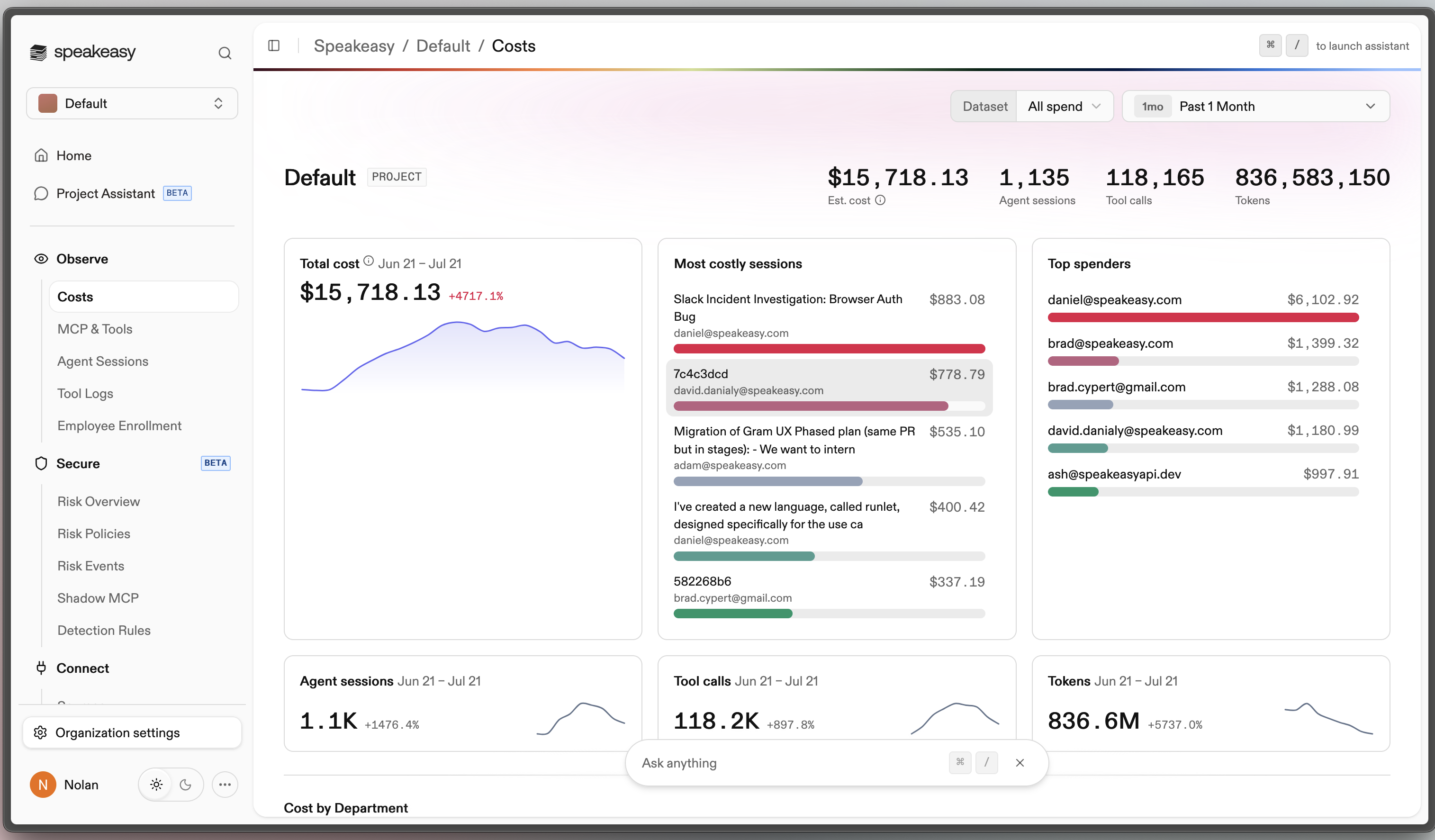
Speakeasy Development Inc. launched an AI cost-management service to track enterprise spending on coding agents like Claude Code, Cursor, and Codex by consolidating token usage data for financial oversight.
AI materials science startup CuspAI raises $450M in funding
UK-based AI materials science startup CuspAI secures $450M Series B funding at a $2.6B valuation, backed by Kleiner Perkins and NEA to support a chemical research consortium with Nvidia and Samsung.

Block launches Buzz, an open-source workspace for humans and AI agents
Block Inc. launched Buzz, a free open-source workspace for human-AI collaborative teams. It unifies chat, code hosting, and workflows while granting AI dedicated accounts.
Site Discovery
Keep exploring the AI ecosystem
After this brief, continue into related tools, models, and rankings to understand whether the story affects your choices.