
Compute Exchange opens secondary market for used Nvidia H100 and A100 GPUs
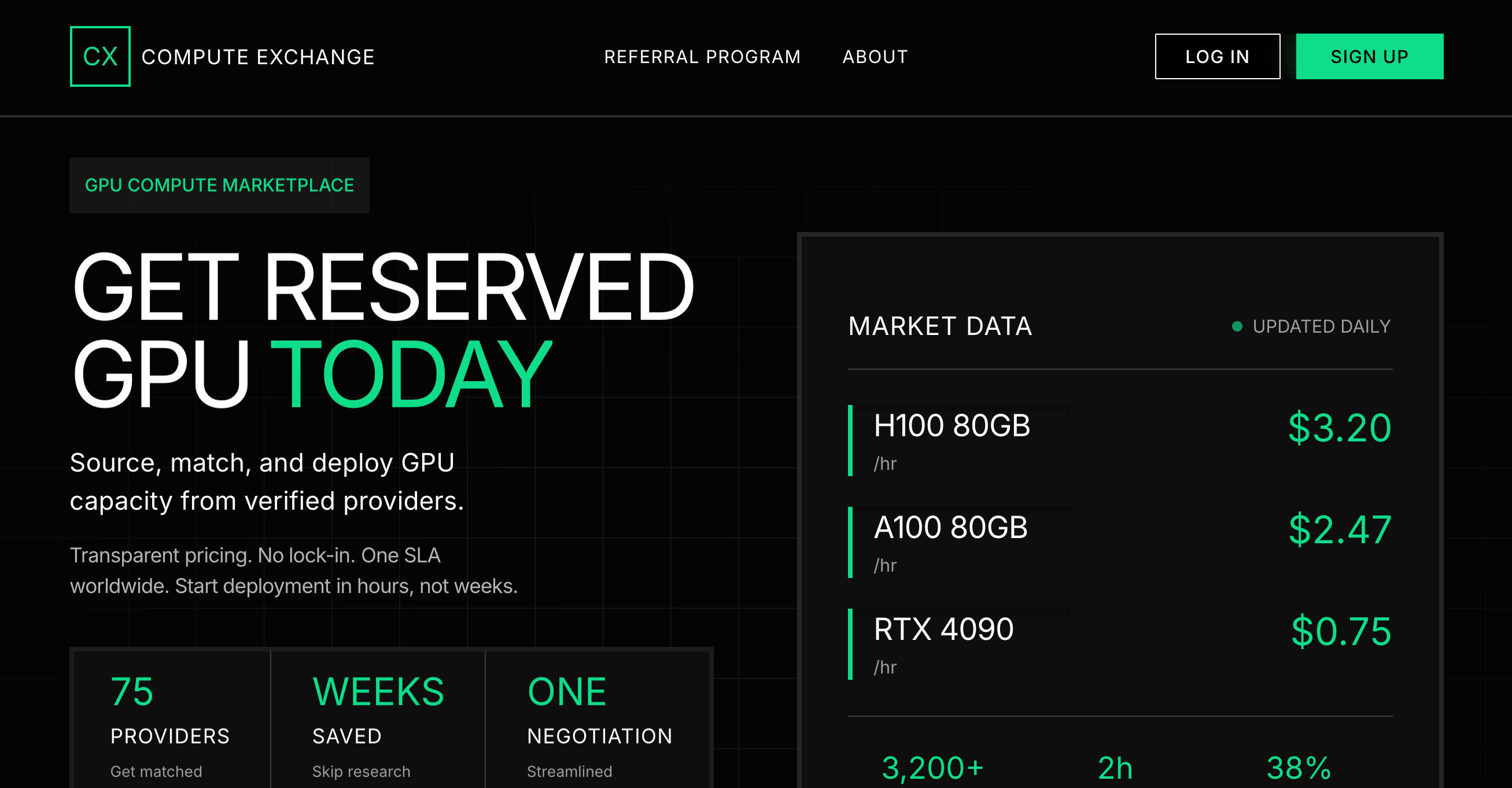
Compute Exchange launches a secondary marketplace for used and refurbished Nvidia H100 and A100 GPUs, connecting enterprises and startups with suppliers of older-generation AI hardware.
Signal Snapshot
Briefing Notes
What happened and why it matters
Summary
Compute Exchange Inc. has officially launched a dedicated secondary marketplace focused on used and refurbished graphics processing units (GPUs). This strategic move extends the platform’s capabilities beyond its original function as a procurement marketplace for reserved GPU capacity, now entering the physical artificial intelligence hardware sourcing sector. The new service specifically targets older-generation Nvidia Corp. chips, with a primary focus on the H100 and A100 models. By creating a direct connection between buyers and suppliers, Compute Exchange aims to facilitate the trade of these high-demand assets among enterprises, cloud providers, and AI startups.
Why it matters
The launch of this secondary market addresses a critical bottleneck in the current AI infrastructure landscape. As demand for generative AI capabilities surges, the supply of new, cutting-edge hardware often lags behind, leading to significant price premiums and long wait times for new equipment. By enabling the circulation of used H100 and A100 GPUs, Compute Exchange provides a viable alternative for organizations that require substantial compute power but may find new hardware prohibitively expensive or unavailable. This democratization of access allows smaller entities, such as AI startups, to compete more effectively with larger enterprises and cloud providers by lowering the barrier to entry for essential infrastructure. Furthermore, it introduces a level of liquidity to the physical hardware market, allowing suppliers to recoup value from depreciating assets while providing buyers with cost-effective solutions.
Related tools
While specific tool slugs are not detailed in the source text, this development impacts the broader ecosystem of AI infrastructure tools and cloud computing platforms. Organizations looking to optimize their hardware procurement strategies may also explore reserved instance management tools to complement secondary market purchases.
Impact on AI tools/models
The availability of used H100 and A100 GPUs can significantly influence the deployment and scaling of AI models. These specific architectures are widely supported by major machine learning frameworks and are optimized for large language model (LLM) training and inference. By increasing the supply of these chips through a secondary market, developers and researchers gain more flexible options for hosting and running resource-intensive models. This could lead to a reduction in operational costs for AI applications, potentially accelerating innovation and experimentation across the industry. However, it also raises questions about hardware consistency and maintenance, as used GPUs may vary in performance characteristics compared to new units.
What to watch
As the secondary GPU market matures, several key trends will be worth monitoring. First, the pricing dynamics between new and refurbished hardware will likely shift, potentially affecting the total cost of ownership for AI deployments. Second, the integration of these physical assets with existing cloud and on-premise infrastructure will become increasingly important for seamless operations. Third, regulatory and warranty considerations surrounding used enterprise hardware may evolve as the market grows. For those interested in tracking these developments, regular updates on AI news and comparisons within AI rankings will provide valuable context. Additionally, exploring the latest tools for hardware optimization can help organizations maximize the utility of acquired GPUs.
FAQ
What types of GPUs are available on the new Compute Exchange marketplace? The marketplace currently focuses on used and refurbished Nvidia H100 and A100 GPUs, which are popular choices for AI workloads.
Who are the target users for this secondary market? The service is designed for enterprises, cloud providers, and AI startups seeking to source older-generation AI hardware.
How does this affect the cost of AI infrastructure? By providing an alternative to purchasing new hardware, the secondary market may offer more cost-effective options for acquiring essential compute resources.
Keep Tracking
Related AI news

On theCUBE Pod: IBM’s AI test, Nvidia’s lead and the race for enterprise intelligence
IBM tests enterprise AI while Nvidia dominates accelerated computing. AMD and Broadcom vie for market share as the race for enterprise intelligence intensifies across hardware and software layers.

Hugging Face uses open-weights Z.ai GLM 5.2 to battle attacker after commercial frontier model refusal
Hugging Face detected a breach involving an attacker using agentic AI. Commercial frontier models blocked defensive requests due to strict safety guardrails. Hugging Face responded by deploying the open-weights Z.ai GLM 5.2 to counter the threat.

Anthropic settles with authors and publishers for $1.5B in landmark copyright case
Anthropic agrees to a $1.5 billion settlement with authors and publishers regarding the unauthorized use of creative works to train its Claude AI model, marking the largest copyright settlement in history.
Exclusive: Speakeasy service tracks enterprise-wide AI agent spending
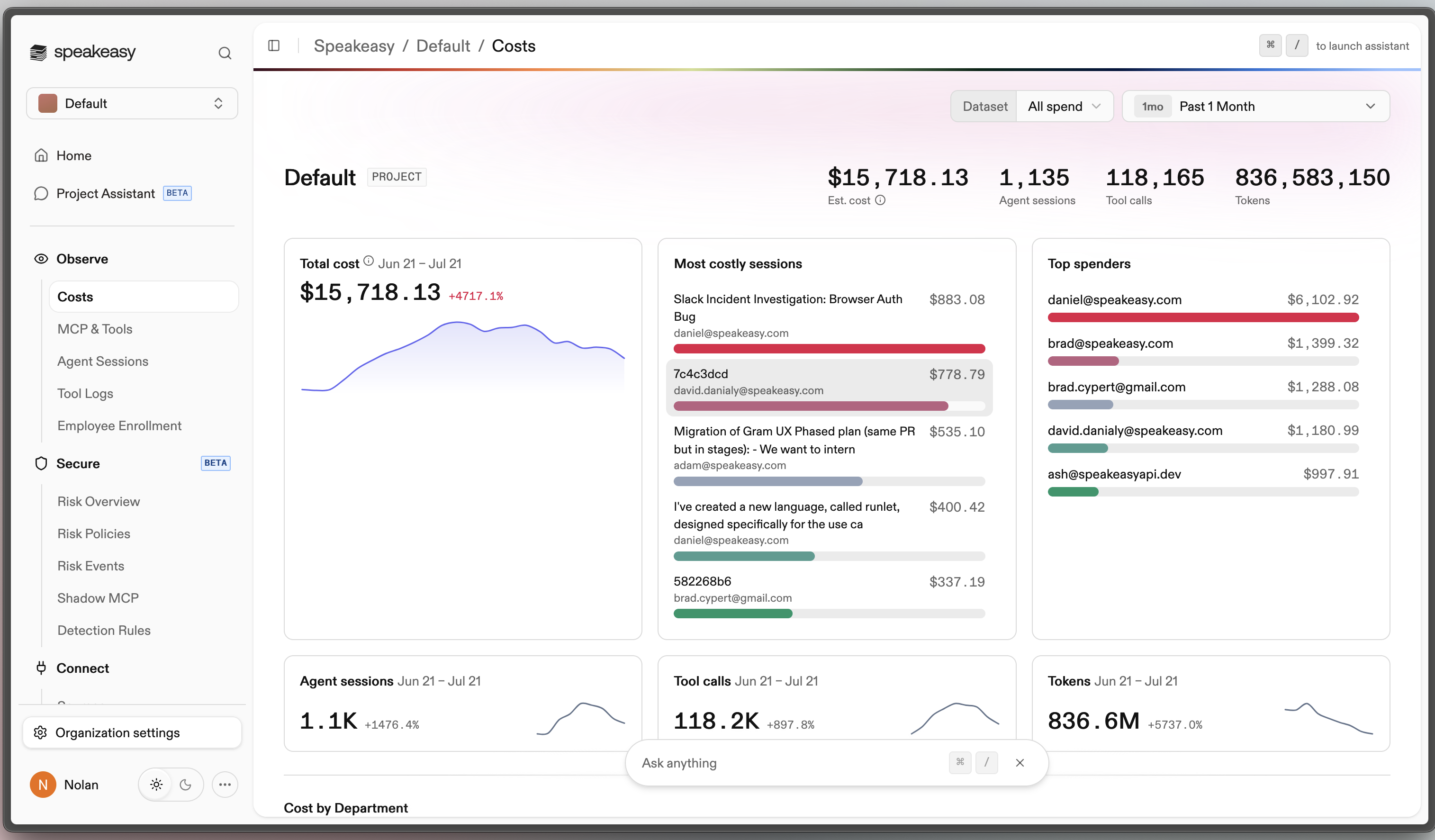
Speakeasy Development Inc. launched an AI cost-management service to track enterprise spending on coding agents like Claude Code, Cursor, and Codex by consolidating token usage data for financial oversight.

AI materials science startup CuspAI raises $450M in funding
UK-based AI materials science startup CuspAI secures $450M Series B funding at a $2.6B valuation, backed by Kleiner Perkins and NEA to support a chemical research consortium with Nvidia and Samsung.
Block launches Buzz, an open-source workspace for humans and AI agents
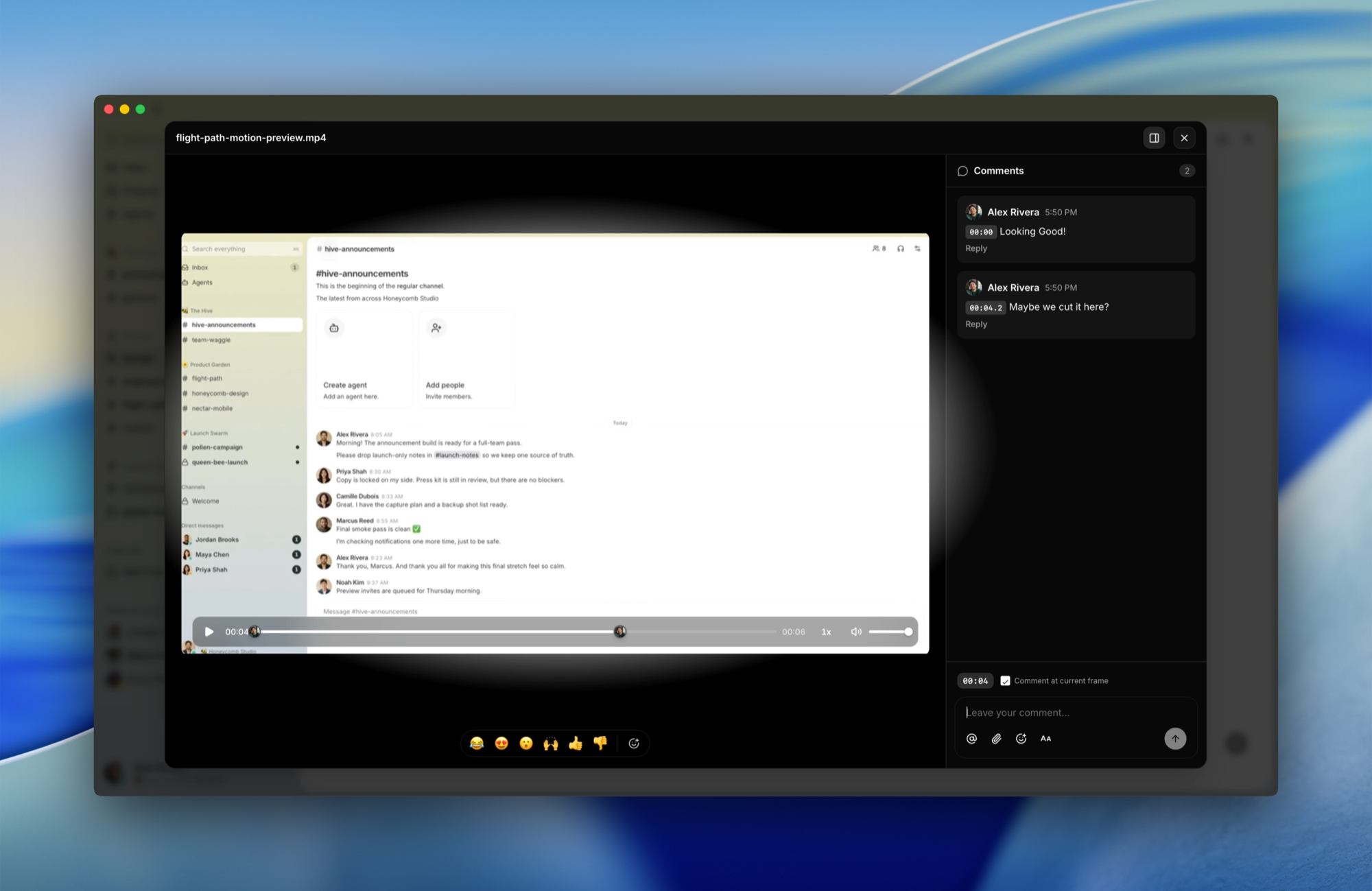
Block Inc. launched Buzz, a free open-source workspace for human-AI collaborative teams. It unifies chat, code hosting, and workflows while granting AI dedicated accounts.
Site Discovery
Keep exploring the AI ecosystem
After this brief, continue into related tools, models, and rankings to understand whether the story affects your choices.