
Canva targets enterprise creativity with trusted AI creative workflows
Canva launches trusted AI creative workflows for enterprises, balancing generative ease with security and compliance to meet corporate demands.

Signal Snapshot
Briefing Notes
What happened and why it matters
Summary
Canva Pty Ltd. is actively pivoting its strategy to capture the enterprise market by introducing "trusted AI creative workflows." This initiative moves beyond simple content generation, focusing instead on creating editable and collaborative experiences that enhance team productivity. The core driver behind this shift is the growing demand from large organizations for generative AI solutions that do not compromise on security, compliance, or data privacy. By addressing these specific enterprise concerns, Canva aims to position itself as a safe and reliable partner for corporate creativity.
Why it matters
The integration of generative AI into professional environments has historically been hindered by significant risks regarding data leakage and regulatory non-compliance. Enterprises require tools that offer the speed of AI without the liability. Canva’s focus on "trusted" workflows signals a broader industry trend where usability must be balanced with rigorous security standards. This approach allows teams to leverage AI for brainstorming and drafting while maintaining control over the final output, ensuring that sensitive corporate data remains protected within compliant boundaries. It represents a critical step in maturing AI adoption from experimental usage to core operational infrastructure.
Related tools
While Canva is the primary subject, this development impacts the broader landscape of design and productivity software. Organizations evaluating alternatives may look at other platforms integrating similar enterprise-grade features. For those interested in comparing capabilities across different providers, reviewing the latest updates in the sector can provide valuable context on competitive positioning.
Impact on AI tools/models
Canva’s move influences how AI models are perceived and deployed in business settings. It emphasizes that the value of an AI tool is not just in its generative capability but in its governance framework. Other AI tool developers will likely need to prioritize transparency, auditability, and secure data handling to remain competitive in the enterprise segment. This shifts the focus from pure performance metrics to holistic trust metrics, encouraging the development of more robust safety layers around generative models.
What to watch
As Canva rolls out these features, several key areas deserve attention. First, the specific compliance certifications they achieve will set a benchmark for others in the design space. Second, the level of collaboration features integrated with AI will determine user adoption rates among distributed teams. Finally, the response from competitors offering similar enterprise solutions will indicate the true size of this market opportunity. Readers interested in tracking these developments can explore more insights on AI news to stay updated on industry shifts. Additionally, comparing Canva’s enterprise offerings against other leading platforms can be done via the ToolSeekAI tools directory. For a deeper understanding of how these changes affect market dynamics, checking the current rankings provides a snapshot of competitive standing.
FAQ
What is Canva's main goal with its new AI workflows? Canva aims to provide enterprises with secure, compliant, and collaborative AI tools that boost productivity without risking data privacy.
How does Canva address enterprise concerns about AI? By focusing on "trusted" workflows that balance ease of use with strict security and compliance measures, ensuring safe generative AI usage.
Why is this shift important for the AI industry? It highlights the necessity for AI tools to offer robust governance and security features to gain widespread adoption in regulated corporate environments.
Keep Tracking
Related AI news

On theCUBE Pod: IBM’s AI test, Nvidia’s lead and the race for enterprise intelligence
IBM tests enterprise AI while Nvidia dominates accelerated computing. AMD and Broadcom vie for market share as the race for enterprise intelligence intensifies across hardware and software layers.

Hugging Face uses open-weights Z.ai GLM 5.2 to battle attacker after commercial frontier model refusal
Hugging Face detected a breach involving an attacker using agentic AI. Commercial frontier models blocked defensive requests due to strict safety guardrails. Hugging Face responded by deploying the open-weights Z.ai GLM 5.2 to counter the threat.

Anthropic settles with authors and publishers for $1.5B in landmark copyright case
Anthropic agrees to a $1.5 billion settlement with authors and publishers regarding the unauthorized use of creative works to train its Claude AI model, marking the largest copyright settlement in history.
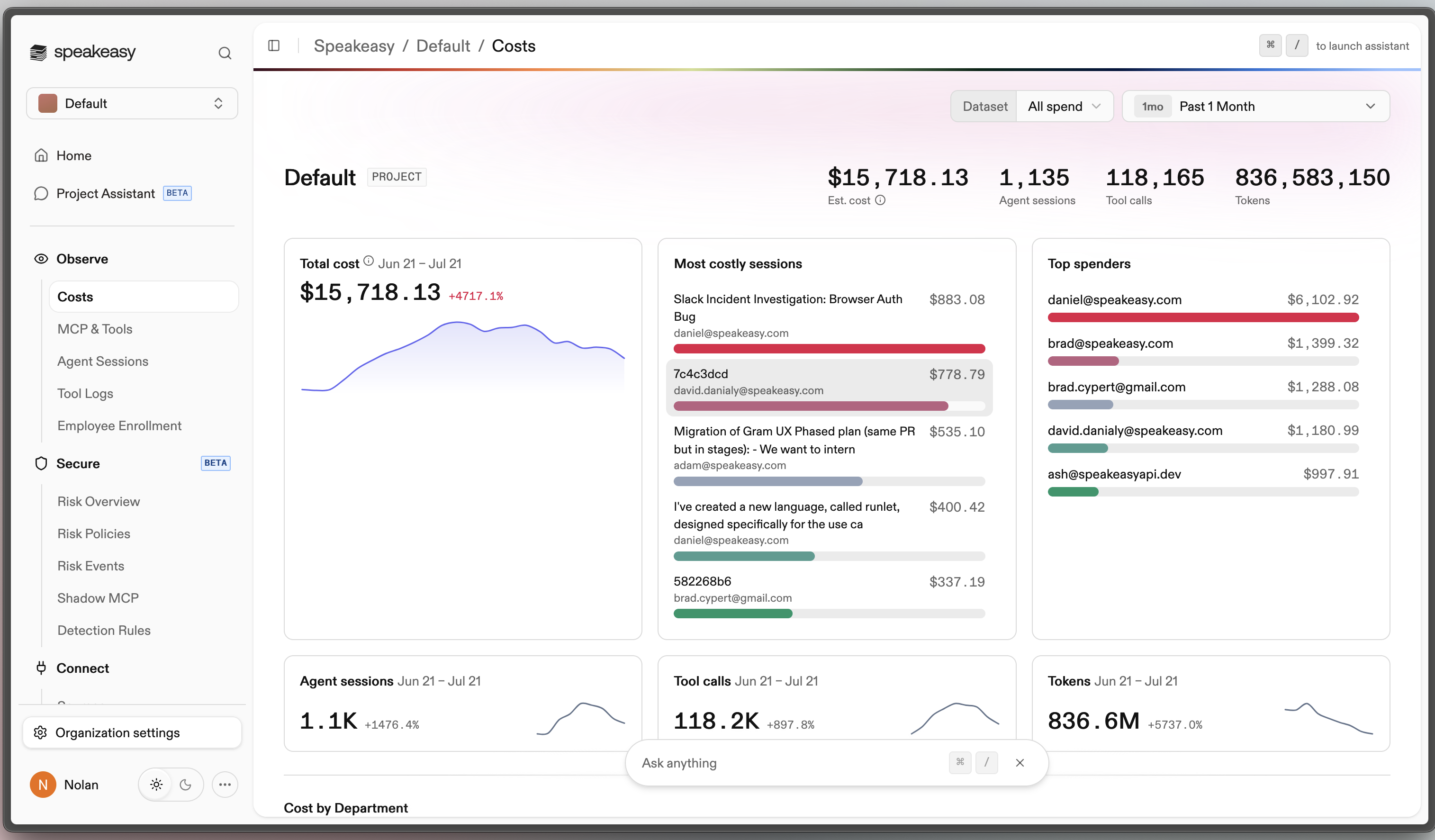
Exclusive: Speakeasy service tracks enterprise-wide AI agent spending
Speakeasy Development Inc. launched an AI cost-management service to track enterprise spending on coding agents like Claude Code, Cursor, and Codex by consolidating token usage data for financial oversight.

AI materials science startup CuspAI raises $450M in funding
UK-based AI materials science startup CuspAI secures $450M Series B funding at a $2.6B valuation, backed by Kleiner Perkins and NEA to support a chemical research consortium with Nvidia and Samsung.

Block launches Buzz, an open-source workspace for humans and AI agents
Block Inc. launched Buzz, a free open-source workspace for human-AI collaborative teams. It unifies chat, code hosting, and workflows while granting AI dedicated accounts.
Site Discovery
Keep exploring the AI ecosystem
After this brief, continue into related tools, models, and rankings to understand whether the story affects your choices.