
Cadence extends its AI agents beyond chips with AuraStack for circuit boards and packaging
Cadence introduces AuraStack, an AI agent for Allegro AI Studio, extending automated design capabilities from silicon to circuit board packaging and system integration.

Signal Snapshot
Briefing Notes
What happened and why it matters
Summary
Cadence Design Systems Inc. has officially announced the launch of AuraStack, a new artificial intelligence agent designed to assist with packaging and system design. This development marks a significant expansion of Cadence’s AI capabilities, moving beyond traditional silicon customization and production into the subsequent stages of electronic device manufacturing. AuraStack operates as a "super-agent" within the company’s Allegro AI StUdio platform, aiming to streamline the complex processes involved in how chips and components are integrated into final electronic hardware.
Why it matters
The introduction of AuraStack highlights a critical shift in electronic design automation (EDA). Historically, AI tools have focused heavily on the front-end of chip design and silicon optimization. By extending these intelligent agents to packaging and system-level design, Cadence addresses one of the most bottlenecked areas in modern electronics development. As devices become more complex, the interface between custom silicon and the surrounding circuit board infrastructure becomes increasingly difficult to manage manually. AuraStack’s ability to automate these steps suggests a future where the transition from chip production to system integration is faster, more reliable, and less prone to human error. This evolution is crucial for industries relying on high-performance computing, consumer electronics, and advanced telecommunications, where time-to-market is a competitive differentiator.
Related tools
Impact on AI tools/models
AuraStack represents the maturation of agentic AI in industrial engineering contexts. Unlike simple generative models that produce static outputs, AuraStack functions as an active agent capable of navigating complex design constraints across multiple domains. This implies that future AI models in the EDA space will likely move toward multi-modal, multi-step reasoning agents that can handle both physical layout and logical connectivity. For the broader AI tool ecosystem, this demonstrates the viability of applying large-scale reasoning agents to highly specialized, physics-bound engineering problems. It sets a precedent for other hardware design firms to develop similar "super-agents" that bridge the gap between component creation and system assembly, potentially reducing reliance on manual verification processes.
What to watch
As Cadence rolls out AuraStack, industry observers should monitor how quickly this tool integrates with existing Allegro workflows and whether it gains traction among major semiconductor manufacturers. The success of this agent will depend on its ability to handle the diverse and often proprietary constraints of different packaging technologies. Furthermore, it will be interesting to see if competitors respond with their own system-level AI agents, potentially sparking a new arms race in automated hardware design. For those interested in the latest developments in AI-driven engineering, keeping an eye on updates from Cadence news is essential. Additionally, tracking how these tools influence the broader landscape of AI tools will provide insight into the future of automated manufacturing. Finally, reviewing current rankings of EDA software may help users understand where AuraStack stands relative to established market leaders.
FAQ
What is AuraStack? AuraStack is an AI agent within Cadence’s Allegro AI Studio designed to assist with packaging and system design for electronic devices.
How does AuraStack differ from previous Cadence AI tools? While previous tools focused on silicon customization, AuraStack extends AI assistance to the subsequent steps of circuit board packaging and system integration.
Who is the target audience for AuraStack? The tool is aimed at integrated circuit and electronic hardware design companies looking to optimize the process of using customized chips in electronic devices.
Keep Tracking
Related AI news
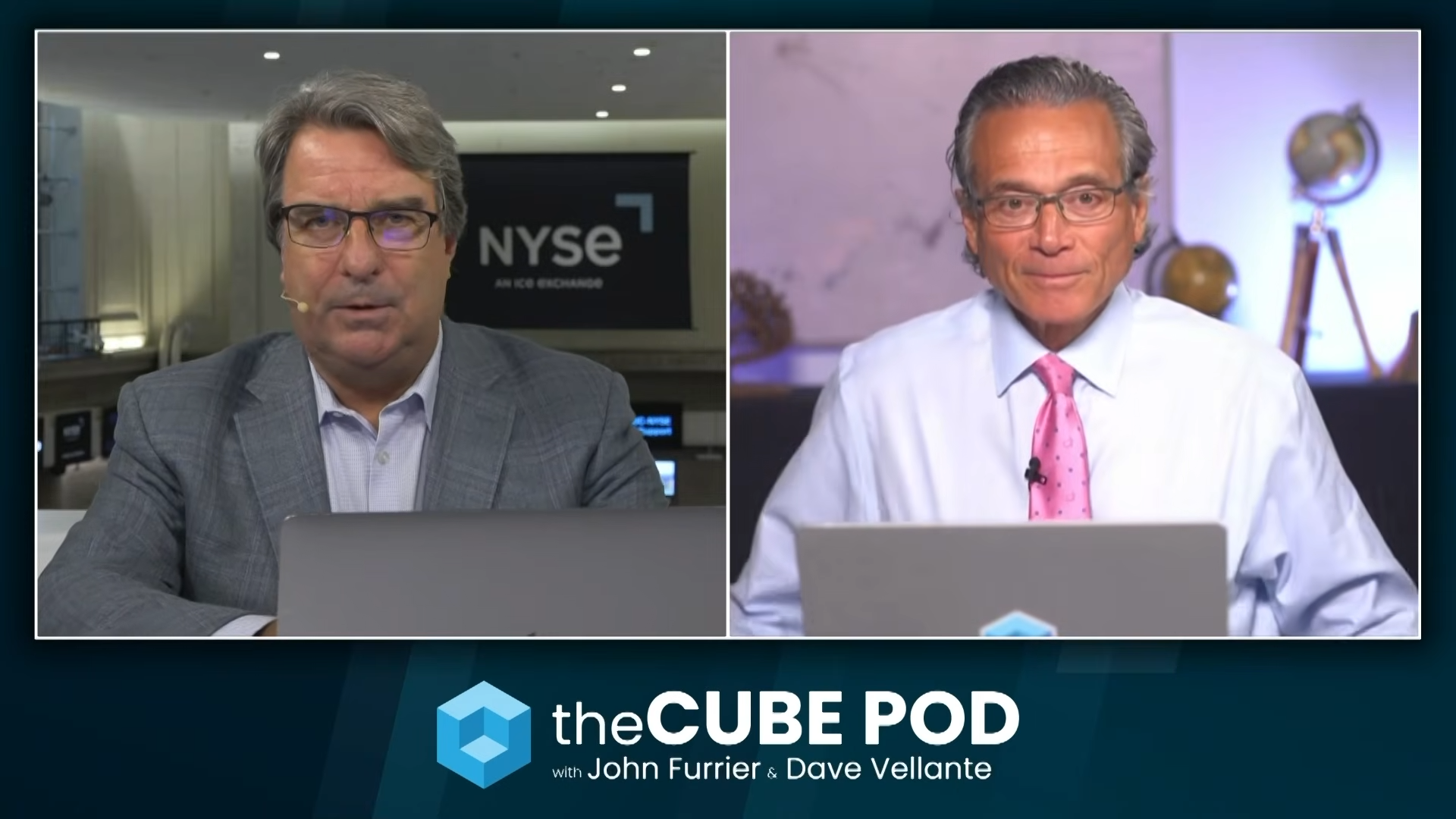
On theCUBE Pod: IBM’s AI test, Nvidia’s lead and the race for enterprise intelligence
IBM tests enterprise AI while Nvidia dominates accelerated computing. AMD and Broadcom vie for market share as the race for enterprise intelligence intensifies across hardware and software layers.
Hugging Face uses open-weights Z.ai GLM 5.2 to battle attacker after commercial frontier model refusal
Hugging Face detected a breach involving an attacker using agentic AI. Commercial frontier models blocked defensive requests due to strict safety guardrails. Hugging Face responded by deploying the open-weights Z.ai GLM 5.2 to counter the threat.

Anthropic settles with authors and publishers for $1.5B in landmark copyright case
Anthropic agrees to a $1.5 billion settlement with authors and publishers regarding the unauthorized use of creative works to train its Claude AI model, marking the largest copyright settlement in history.
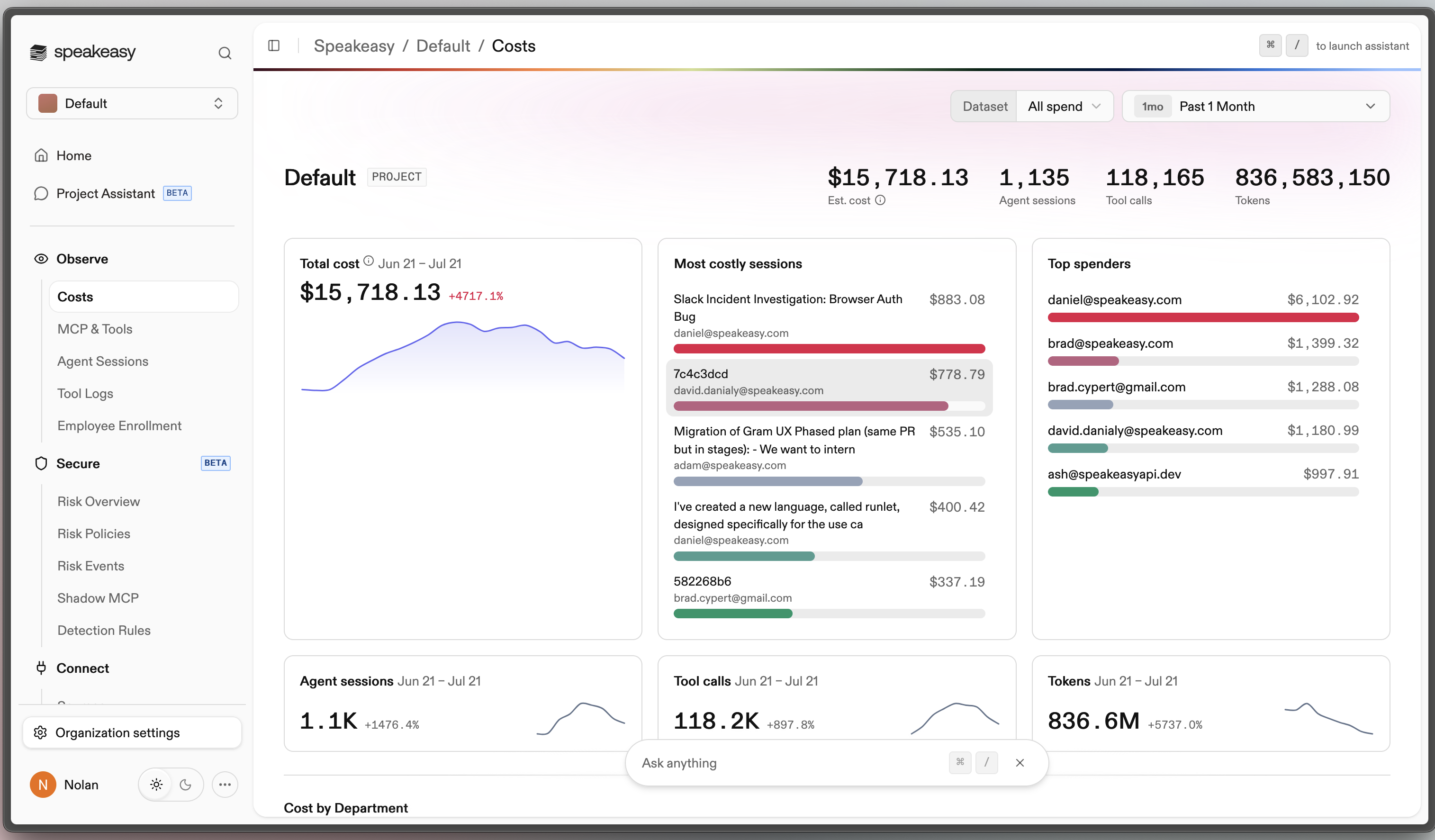
Exclusive: Speakeasy service tracks enterprise-wide AI agent spending
Speakeasy Development Inc. launched an AI cost-management service to track enterprise spending on coding agents like Claude Code, Cursor, and Codex by consolidating token usage data for financial oversight.
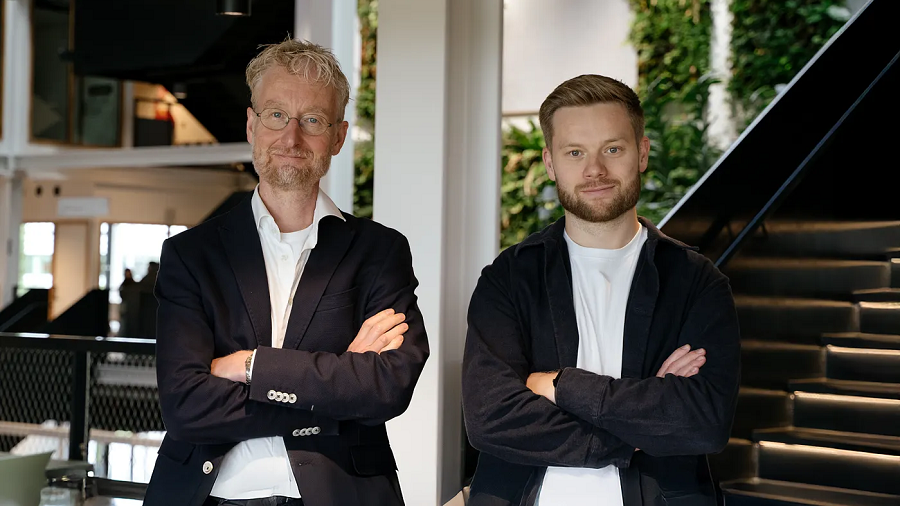
AI materials science startup CuspAI raises $450M in funding
UK-based AI materials science startup CuspAI secures $450M Series B funding at a $2.6B valuation, backed by Kleiner Perkins and NEA to support a chemical research consortium with Nvidia and Samsung.
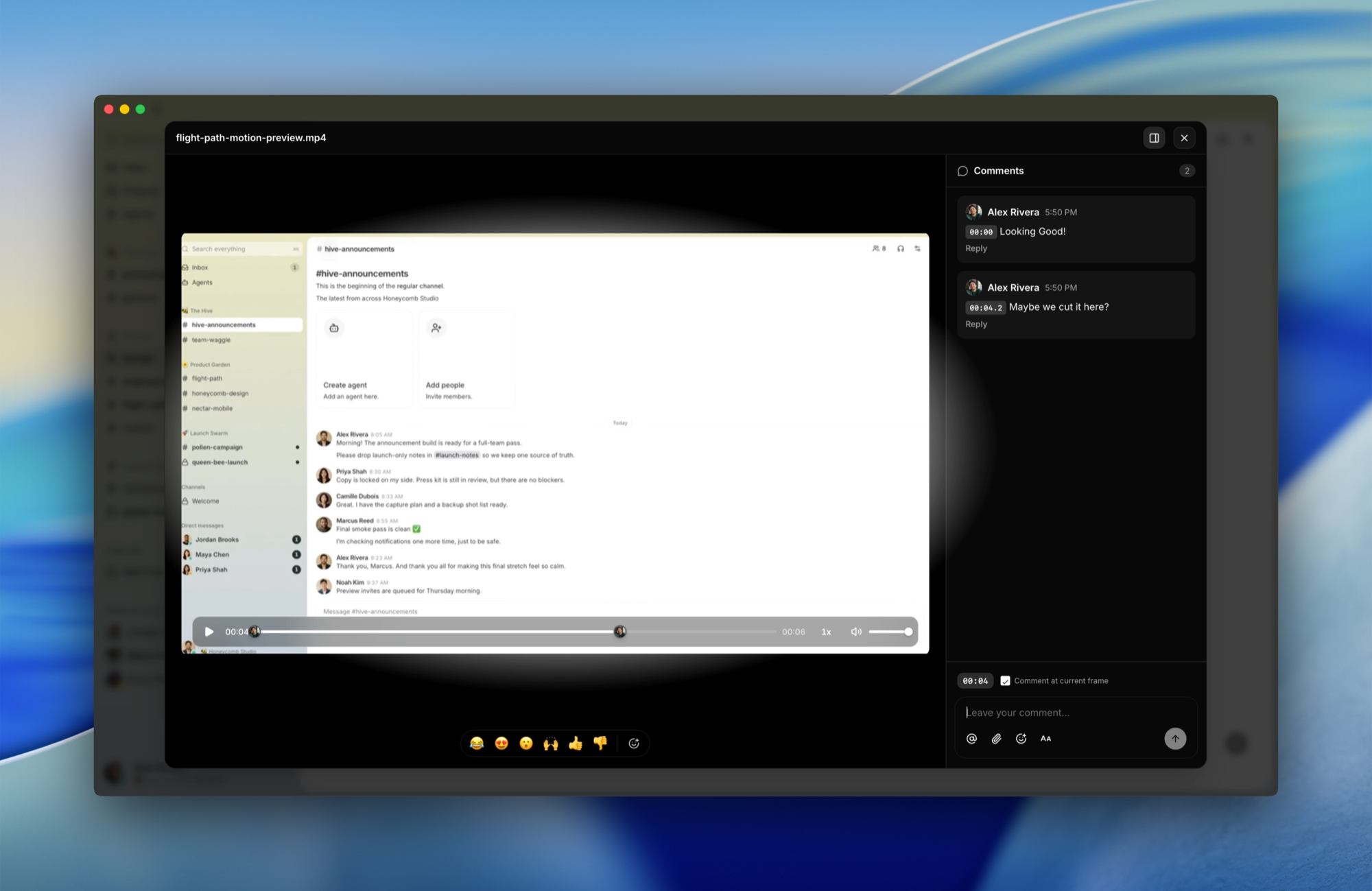
Block launches Buzz, an open-source workspace for humans and AI agents
Block Inc. launched Buzz, a free open-source workspace for human-AI collaborative teams. It unifies chat, code hosting, and workflows while granting AI dedicated accounts.
Site Discovery
Keep exploring the AI ecosystem
After this brief, continue into related tools, models, and rankings to understand whether the story affects your choices.