
‘Beyond the GPU’ video series: What to expect from theCUBE’s July 23 coverage
AMD CEO Lisa Su predicts a shift from 4.5 GPUs per CPU to a 1:1 ratio as AI agents demand more CPU support. TheCUBE covers this 'Beyond the GPU' trend on July 23.
Signal Snapshot
Briefing Notes
What happened and why it matters
Summary
Advanced Micro Devices Inc. (AMD) is signaling a significant architectural shift in how computing resources are allocated for artificial intelligence workloads. During its May earnings call, AMD Chief Executive Lisa Su highlighted that the current hardware deployment ratio of 4.5 GPUs to every 1 CPU is unsustainable for future AI demands. She projected that this ratio would compress toward a balanced 1-to-1 distribution. This change is driven by the increasing complexity of AI agents and inference tasks, which require substantially more central processing unit (CPU) support alongside traditional graphical processing unit (GPU) acceleration. TheCUBE is scheduled to explore these developments in depth during its July 23 coverage under the 'Beyond the GPU' video series.
Why it matters
The prediction of a 1:1 CPU-to-GPU ratio challenges the prevailing industry assumption that GPUs alone can handle the entirety of modern AI workloads. As AI models evolve from simple generation tasks to complex, autonomous agents, the computational burden shifts. Inference workloads, in particular, are becoming more diverse and require sophisticated data preprocessing, logic handling, and memory management—tasks traditionally suited for CPUs. This shift implies that data center architects must rethink their hardware procurement strategies. Relying solely on GPU clusters may lead to bottlenecks, whereas a balanced approach ensures that neither the processor nor the accelerator becomes a limiting factor in performance. For enterprises investing in AI infrastructure, understanding this balance is critical for optimizing latency, throughput, and cost-efficiency.
Related tools
Impact on AI tools/models
This hardware rebalancing will directly influence how AI models are deployed and optimized. Tools designed for inference will need to leverage multi-core CPU capabilities more effectively, potentially leading to new software frameworks that better distribute workloads across heterogeneous computing resources. Model developers may find that optimizing for CPU-GPU synergy yields better results than maximizing GPU utilization alone. This could also impact the accessibility of high-performance AI, as CPUs are generally more ubiquitous and easier to scale in existing data centers compared to specialized GPU clusters. Consequently, we may see a rise in hybrid inference solutions that prioritize balanced resource usage over raw GPU power.
What to watch
As the industry moves toward this new equilibrium, several key areas require close monitoring. First, observe how major cloud providers adjust their instance offerings to reflect the 1:1 ratio. Second, track the performance metrics of AI agents in real-world scenarios to see if the predicted CPU load increase materializes as expected. Finally, follow the technological advancements in both CPU and GPU architectures to understand how manufacturers are adapting to this dual-demand environment. For ongoing updates on these trends, readers should explore the latest AI news and check the current rankings of hardware providers. Additionally, detailed comparisons of emerging tools can be found in our tools directory.
FAQ
Q: What is the current GPU to CPU ratio mentioned by AMD? A: The current ratio is approximately 4.5 GPUs to 1 CPU.
Q: Why does AMD predict a shift to a 1:1 ratio? A: The shift is due to AI agents and inference workloads requiring significantly more CPU support.
Q: When will TheCUBE cover this topic? A: The coverage is scheduled for July 23 as part of the 'Beyond the GPU' video series.
Keep Tracking
Related AI news

On theCUBE Pod: IBM’s AI test, Nvidia’s lead and the race for enterprise intelligence
IBM tests enterprise AI while Nvidia dominates accelerated computing. AMD and Broadcom vie for market share as the race for enterprise intelligence intensifies across hardware and software layers.

Hugging Face uses open-weights Z.ai GLM 5.2 to battle attacker after commercial frontier model refusal
Hugging Face detected a breach involving an attacker using agentic AI. Commercial frontier models blocked defensive requests due to strict safety guardrails. Hugging Face responded by deploying the open-weights Z.ai GLM 5.2 to counter the threat.

Anthropic settles with authors and publishers for $1.5B in landmark copyright case
Anthropic agrees to a $1.5 billion settlement with authors and publishers regarding the unauthorized use of creative works to train its Claude AI model, marking the largest copyright settlement in history.
Exclusive: Speakeasy service tracks enterprise-wide AI agent spending
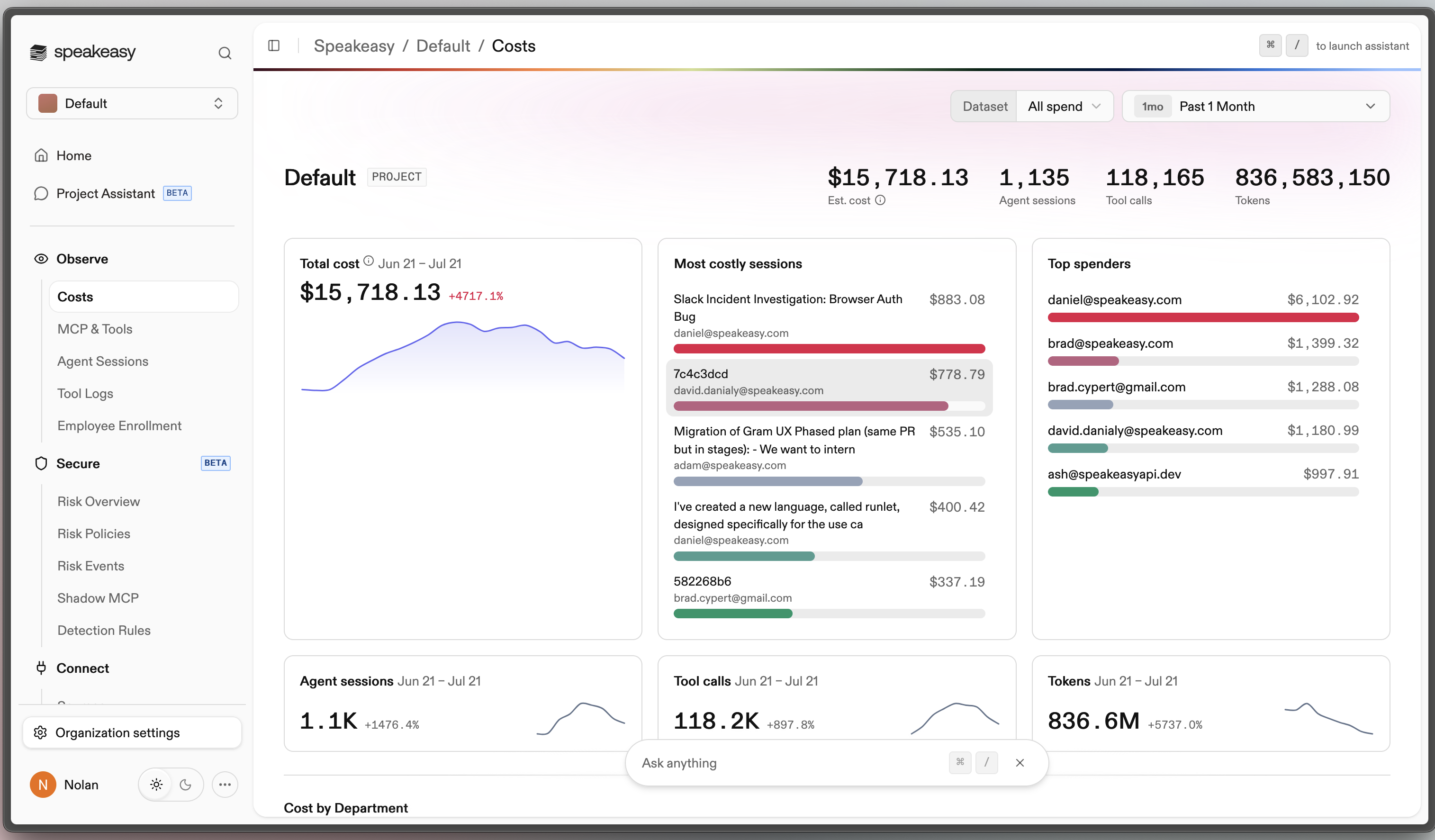
Speakeasy Development Inc. launched an AI cost-management service to track enterprise spending on coding agents like Claude Code, Cursor, and Codex by consolidating token usage data for financial oversight.

AI materials science startup CuspAI raises $450M in funding
UK-based AI materials science startup CuspAI secures $450M Series B funding at a $2.6B valuation, backed by Kleiner Perkins and NEA to support a chemical research consortium with Nvidia and Samsung.
Block launches Buzz, an open-source workspace for humans and AI agents
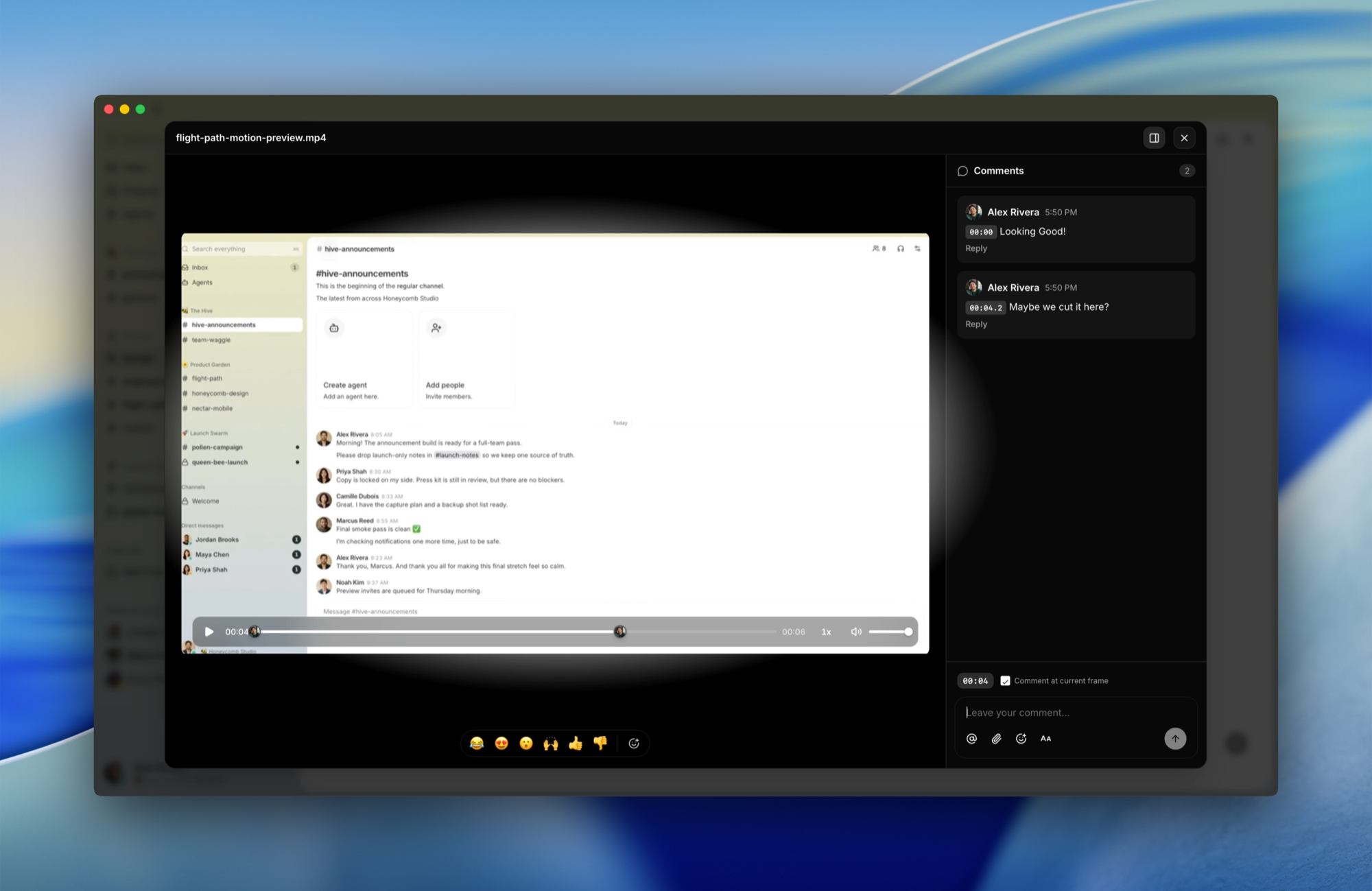
Block Inc. launched Buzz, a free open-source workspace for human-AI collaborative teams. It unifies chat, code hosting, and workflows while granting AI dedicated accounts.
Site Discovery
Keep exploring the AI ecosystem
After this brief, continue into related tools, models, and rankings to understand whether the story affects your choices.