
AWS launches forward-deployed engineering team to speed enterprise agentic AI adoption
AWS launches a dedicated Forward Deployed Engineering team, backed by a $1B investment, to embed engineers in enterprises and accelerate agentic AI adoption.

Signal Snapshot
Briefing Notes
What happened and why it matters
Summary
Amazon Web Services (AWS) has announced the creation of a specialized organizational unit known as the Forward Deployed Engineering team. This initiative is designed to accelerate the adoption of agentic artificial intelligence systems within enterprise environments. Backed by a significant $1 billion investment, this new department will focus on embedding AWS engineers directly into customer operations. The goal is to leverage the same underlying technology that powers AWS frontier models to help businesses integrate autonomous AI agents into their workflows more effectively.
Why it matters
The launch of this dedicated team signals a strategic shift in how cloud providers approach the deployment of advanced AI capabilities. By moving beyond standard API access and offering embedded engineering support, AWS aims to reduce the friction associated with implementing complex agentic AI systems. Agentic AI refers to systems capable of performing tasks autonomously, often requiring sophisticated integration with existing enterprise infrastructure. The substantial financial commitment underscores AWS's belief that the next phase of AI value lies in practical, operational deployment rather than just model development. This move positions AWS to capture a larger share of the enterprise AI market by providing hands-on expertise that competitors may lack.
Related tools
While specific third-party tool integrations are not detailed in the source text, this initiative directly impacts the ecosystem of AWS Bedrock and other generative AI services hosted on the platform. Enterprises looking to adopt agentic workflows will likely rely on these foundational services supported by the new engineering team.
Impact on AI tools/models
This development suggests a maturation in the AI tooling landscape. As agentic AI becomes more prevalent, the demand for robust, scalable infrastructure grows. AWS's investment indicates that future AI models will increasingly need to interact dynamically with enterprise software stacks. The presence of forward-deployed engineers means that troubleshooting, customization, and optimization of these agentic systems will become more collaborative between the provider and the client. This could lead to faster iteration cycles for AI applications and more reliable performance in critical business processes.
What to watch
As this initiative rolls out, several key areas deserve attention. First, observe how the definition of "agentic AI" evolves in practical enterprise scenarios. Second, monitor the competitive response from other cloud giants like Microsoft Azure and Google Cloud, who may introduce similar embedded support structures. Finally, track the success metrics of this $1 billion investment to see if it translates into widespread enterprise adoption of autonomous AI agents. For ongoing updates on such major industry shifts, readers can explore our latest AI news or compare provider strategies in our rankings. Additionally, those interested in the broader landscape of enterprise automation should review our directory of AI tools to understand where AWS's new efforts fit within the current market.
FAQ
What is the primary function of AWS's new Forward Deployed Engineering team? The team is tasked with embedding engineers directly into enterprise customer operations to facilitate the adoption of agentic AI systems.
How much capital is AWS investing in this new initiative? AWS has committed a $1 billion investment to support the creation and operation of this dedicated organization.
What type of AI systems is this team focused on? The initiative specifically targets agentic artificial intelligence systems, which are designed to act autonomously to complete tasks.
Keep Tracking
Related AI news

On theCUBE Pod: IBM’s AI test, Nvidia’s lead and the race for enterprise intelligence
IBM tests enterprise AI while Nvidia dominates accelerated computing. AMD and Broadcom vie for market share as the race for enterprise intelligence intensifies across hardware and software layers.

Hugging Face uses open-weights Z.ai GLM 5.2 to battle attacker after commercial frontier model refusal
Hugging Face detected a breach involving an attacker using agentic AI. Commercial frontier models blocked defensive requests due to strict safety guardrails. Hugging Face responded by deploying the open-weights Z.ai GLM 5.2 to counter the threat.

Anthropic settles with authors and publishers for $1.5B in landmark copyright case
Anthropic agrees to a $1.5 billion settlement with authors and publishers regarding the unauthorized use of creative works to train its Claude AI model, marking the largest copyright settlement in history.
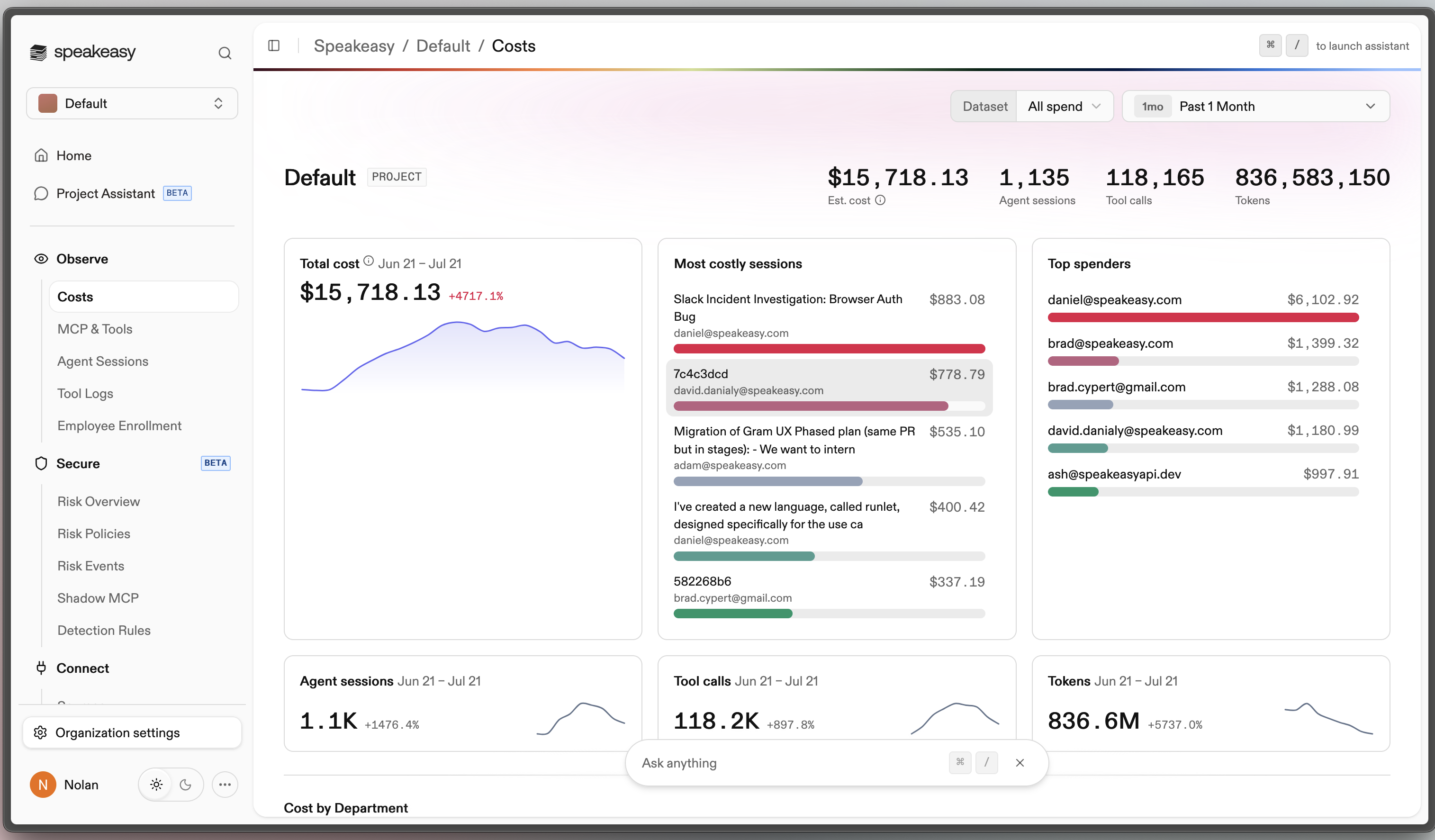
Exclusive: Speakeasy service tracks enterprise-wide AI agent spending
Speakeasy Development Inc. launched an AI cost-management service to track enterprise spending on coding agents like Claude Code, Cursor, and Codex by consolidating token usage data for financial oversight.

AI materials science startup CuspAI raises $450M in funding
UK-based AI materials science startup CuspAI secures $450M Series B funding at a $2.6B valuation, backed by Kleiner Perkins and NEA to support a chemical research consortium with Nvidia and Samsung.

Block launches Buzz, an open-source workspace for humans and AI agents
Block Inc. launched Buzz, a free open-source workspace for human-AI collaborative teams. It unifies chat, code hosting, and workflows while granting AI dedicated accounts.
Site Discovery
Keep exploring the AI ecosystem
After this brief, continue into related tools, models, and rankings to understand whether the story affects your choices.